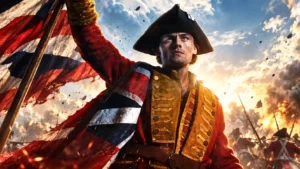
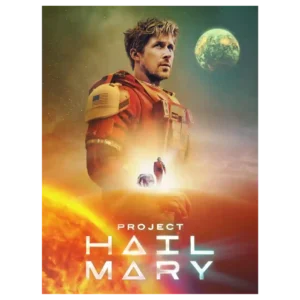
Young Washington
Where It Has the Edge
- rewatch value is 5.0 vs 4.7. The film inspired repeat screenings or plans to see it again among those especially taken by its uplifting...

Scorata scores summarize analyzed review evidence on a 1–5 scale; they are not laboratory measurements or a simple average of customer star ratings. Feature scores summarize the reviews covering that feature. The overall score averages feature scores within each review, then combines review averages. When both expert and customer evidence are available, those two groups receive equal weight. Products can have different review coverage, so small score gaps do not establish a winner.
Recommendations prioritize important features for the category, with a score of at least 3.5, a gap of at least 0.25 points and at least two supporting reviews per product. Features with widely varying scores or broad connectivity contexts are excluded from recommendations. These safeguards do not establish statistical significance.
Quick verdict
The review evidence points to a tradeoff: rewatch value versus score quality and age appropriateness. Choose according to which strengths matter more to you; the overall score alone does not settle that choice.
Choose Young Washington for rewatch value.
Choose Project Hail Mary for score quality and age appropriateness.
Scores are out of 5. Missing scores mean missing review evidence, not a missing feature.
Supporting relationships often act more as plot devices than fully developed connections, even when the ensemble is otherwise capable.
Grace and Rocky are the movie’s emotional engine; most reviewers call their odd-couple friendship warm, funny and genuinely moving. A few find later interactions repetitive or overly sweet.
The period illusion benefits from restraint and practical-looking combat, but several critics flag imagery they suspect was AI-generated or unfinished.
Visual effects work is consistently praised, especially where digital enhancement blends with practical sets and puppetry rather than replacing them.
The music sometimes seems generically uplifting or emotionally manipulative. One early-cut viewer enjoyed it but questioned temporary-looking score choices.
Daniel Pemberton’s score is a major strength, frequently described as sweeping, unusual, emotional and integral to the film. One dissent finds the constant grandeur overbearing and tension-flattening.
The film acknowledges slavery and Indigenous communities but its handling is contentious; critics object to sanitized omissions and the special-destiny portrayal of Washington.
The cross-species friendship is praised for taking language, biology and cultural assumptions seriously enough to make cooperation feel meaningful.
Responses range from patriotic uplift and an unexpectedly moving finale to frustration at a story that never gets beneath Washington’s heroic surface.
Many reviewers report tearing up or crying, especially around Grace and Rocky’s bond and the closing stretch. Even some mixed reviews admit the film lands a few powerful emotional moments.
The accessible story gives Washington clear goals, yet criticism focuses on obvious exposition, shallow interiority and oversimplified moral beats.
The script is mostly praised for making dense science approachable and organizing the nonlinear mystery cleanly, though negative reviews call parts shallow, contrived or over-explanatory.
The shift between sober period drama and conspicuously polished or artificial imagery sometimes breaks the film’s spell.
Tone is the most divisive creative choice: many like the balance of humor, tension and sincerity, while detractors say the comedy undercuts danger and the optimism can feel overly insistent.
As a traditional historical war biopic, the production offers convincing period trappings and battles, though some find it too conventional to rival stronger epics.
Science-fiction fans are the clearest target: reviewers praise the hard-science problem solving, big-screen wonder and optimistic space-adventure tone, with one major dissent calling it flat and derivative.
The beginning is often criticized as sluggish or jarring, even by viewers won over by the final act; a few praise the focused, economical storytelling.
Pacing is mixed: some say the long runtime flies by or benefits from deliberate science detail, while others flag a slow opening, second-act drag, flashback friction and late-act sputter.
There are a few moments of dry period comedy, but some viewers find the tone cheesy or short on personality.
Comedy is a genuine strength for many, particularly Gosling’s physical timing and Grace-Rocky misunderstandings. But the jokes are also polarizing, with some reviewers calling them repetitive, cheesy or tonally disruptive.
The action cutting can create brisk, readable combat, though one account finds the major character turning points abrupt and disorienting.
Timeline shifts and aspect-ratio transitions are often praised for clarity and momentum; one negative review finds the flashback cutting disorienting and over-explanatory.
The underdog journey from youthful ambition to hard-won leadership is compelling to supporters. Opponents call its version of history formulaic, thin and overly worshipful.
Most reviewers see a smart, heartfelt survival-and-friendship story with strong problem-solving momentum. Negative outliers criticize formula, shallow characterization and convenient plotting.
Profanity is comparatively restrained, although one family-content assessment hears more coarse language than anticipated.
Language is considered restrained for a PG-13 blockbuster: reviewers note little or no conventional profanity, though substitute swears and uses of God’s name remain.
Rather than retreading the presidency or the Revolutionary War, the film finds a fresher angle in Washington’s early military failures.
The core concept is often praised as fresh, but predictability and familiar genre DNA keep this from being a universal win.
Washington’s mistakes and hard lessons offer a potentially strong growth arc. The frequent complaint is that the script observes his transformation without revealing enough of his inner struggle.
Grace’s growth and Rocky’s characterization work for many reviewers, but this is notably mixed: critics of the adaptation say Grace’s arc is thinner, underexplored, or too unchanged from start to finish.
The dialogue ranges from memorable, eloquent and purposeful to heavy-handed, simplistic or overtly explanatory.
Dialogue reactions are mixed: some praise crisp delivery and clear exchanges, while a harsh dissent calls the jokes and feel-good dialogue dated and shallow.
Humility, failure, leadership and providence are prominent motifs; their treatment ranges from thought-provoking to blunt and underdeveloped.
Friendship, sacrifice, optimism, science and cooperation give the film more thematic weight than a simple adventure for many reviewers. Critics of the adaptation argue those ideas are softened or over-sentimentalized.
The patriotic, educational framing makes it approachable for some families, provided they are comfortable with substantial wartime peril.
The movie is repeatedly described as clean, wholesome and family-friendly, with restrained profanity and only limited sexual or frightening material.
The society courtship delights a minority, but many consider it stiff, unnecessary or abandoned without satisfying resolution.
One reviewer notes that Grace’s lack of romantic or family attachments reduces the sense of personal sacrifice compared with more emotionally anchored space dramas.
The leadership drama can be compelling and sincere, but others find the human conflict too thin to match the battles.
The film usually earns its high stakes through character and problem-solving, but several critics think the bright tone softens danger and emotional weight.
At slightly over two hours, the length becomes a drawback for viewers who feel the first act drags or that the material needs trimming.
At roughly two and a half hours, length is the most repeated complaint; many reviewers feel the second half or ending runs long. A few counter that the problem-solving keeps the runtime lively.
Its themes of humility, perseverance, service and American ideals inspire many; others find the patriotic mythology too insistent or ideologically simplistic.
The film’s optimism, pro-science cooperation, friendship and sacrifice resonate strongly with most reviewers. A dissenting critic finds that hope too frictionless and another objects to how the film handles Stratt’s coercion.
Jon Erwin’s command of action geography and conventional historical storytelling earns praise, while critics of the film’s dramatic flatness want more distinctive direction.
Lord and Miller are mostly praised for turning dense science into lively blockbuster filmmaking, though critics who resist the goofy tone find the direction over-insistent or too silly.
Muskets, cavalry, cannon fire and chaotic frontier skirmishes deliver much of the film’s spectacle. Some find the finale exhilarating, while others consider its heroics exaggerated or visually unconvincing.
Action is used selectively but lands hard when it arrives, especially the late space set pieces; reviewers call them grounded, tense and visually impressive rather than nonstop spectacle.
Muddy camps and period combat tactics can feel immediate and physical, though heroic inventions and some artificial-looking effects test credibility.
The grounded science, practical engineering and tangible sets make much of the film feel believable. Dissenters question character reactions and a handful of convenient scientific or mechanical solutions.
Sweeping countryside views and carefully staged battlefield compositions are standout strengths. A few dissenters find the images overly muted or dependent on distracting aerial shots.
Space imagery, IMAX scale, framing and texture earn near-universal praise, with Greig Fraser’s work repeatedly called stunning, sublime or top-tier.
A generally straightforward historical timeline helps newcomers follow the campaign, though dense names and early jumps sometimes disrupt orientation.
Dense science is generally presented clearly, with multiple reviewers praising how digestible the technical problem solving remains. A few say some concepts are difficult, overly explained or too convenient.
The climactic battle and emotional culmination thrill some viewers; others see a hurried mythic flourish and an unfinished prequel-like ending.
The ending is the clearest recurring weakness: multiple reviewers say the final act keeps finding new conclusions, feels rushed or structurally overextended after an earlier emotional peak.
The musket battles and combat deaths are intense but generally avoid prolonged gore, a level some praise for conveying war without gratuitous brutality.
A family-focused review describes the movie as comparatively tame, with a couple of corpses but less harsh content than the earlier Weir adaptation.
The colonial milieu can feel surprisingly detailed, but uneven visual execution sometimes exposes its constructed nature.
The Tau Ceti material and alien design give the adventure convincing scale, with space sequences praised as stunning and the science-world detail easy to buy into.
The physical combat and battlefield presentation convey a more grounded feeling than spectacle built entirely from digital effects.
Atmos and sound design receive unanimous praise in the scored sources, from precise spatial cues to Rocky’s sonic language and high-impact action.
Locations, buildings and tangible frontier settings give the modestly budgeted drama surprising scale and a convincing period atmosphere.
The Hail Mary ship and practical environments draw exceptional praise for functional hard-sci-fi detail, tactile construction and large-screen immersion.
The uniforms and period dress strengthen the colonial illusion for most, although a trailer-focused historian questions their accuracy and fit.
Grace’s nerdy T-shirt choices are praised as character-driven wardrobe that feels natural for his personality rather than planted references.
The broad vistas, readable combat and classical Hollywood polish earn praise, although critics also object to muted images and conspicuous aerial photography.
The film’s look is one of its strongest consensus wins: colorful space vistas, tactile sets, aspect-ratio shifts and adventurous camera choices make it feel built for a large screen.
The PG-13 boundary suits the mostly restrained treatment of war, though shootings, deaths and brief blood make this a questionable choice for younger children.
Several reviewers see this as unusually accessible sci-fi for families and older kids, with most-ages appeal and mild content by PG-13 standards.
The straightforward patriotic approach will resonate with viewers seeking an accessible historical adventure, but its simplicity limits wider appeal.
The film is repeatedly described as a crowd-pleaser, with reports of applause and strong theatergoing enthusiasm. A dissenting review sees that accessibility as calculated and artificial.
Enthusiasts find the acting engaging and the supporting veterans capable, but detractors hear stiff or overdone delivery.
The ensemble is widely praised, with Gosling carrying long solo stretches and supporting players giving the Earth scenes personality. One strongly negative take finds the lead’s familiar comic mannerisms tiring.
William Franklyn-Miller’s youthful presence and earnest ambition win admirers, but some find him too polished or passive to embody the formidable Washington to come.
Gosling is one of the strongest consensus positives, repeatedly praised for carrying solo stretches with charm, physical comedy and vulnerability. A small minority find the familiar goofy persona strained or tiring.
Veterans including Ben Kingsley, Kelsey Grammer and Andy Serkis lend authority and occasional humor, but others find their appearances brief, mannered or underused.
Sandra Hüller is the standout supporting performer, with Lionel Boyce also drawing consistent praise for dry humor and grounded rapport. The Earth scenes benefit from their contrast with Gosling.
For receptive viewers this is a rousing, accessible historical adventure. For skeptics, long stretches of dutiful exposition and thin characterization make it a chore.
Most reviewers find the film extremely watchable and crowd-friendly despite its length, mixing science puzzles, humor and spectacle into an easy theatrical ride.
The film inspired repeat screenings or plans to see it again among those especially taken by its uplifting historical approach.
Several reviewers expect repeat viewings to hold up well, whether for small production details, emotional impact or the sheer pleasure of revisiting Grace and Rocky.
Period accents are occasionally distracting, with one performance sounding bizarre and some French dialogue difficult to follow.
Several viewers suspect conspicuously artificial imagery in certain wide shots or battle backgrounds; the perceived intrusion undercuts an otherwise ambitious period production.
Colonial landscapes and battlefields can feel transportive, creating a vivid sense of a rough, unsettled frontier.
The focus on Washington’s early military formation is useful and sometimes refreshing, yet many wish for a more penetrating portrait of his inner life or a broader life story.
A handsome young lead and recognizable veterans bring visual polish, though some feel the central casting never fully suggests the future general.
CGI is usually praised for disappearing into the practical sets and Rocky puppetry, adding polish without making the world feel synthetic.
Some French accents are difficult enough to obscure lines, although the problem is described as intermittent.
The distributor’s request for viewers to buy more tickets draws pointed criticism for interrupting and undercutting the film’s message.
Book readers largely see this as a strong, faithful adaptation that preserves the novel’s heart and major beats. The strongest dissent argues that departures from the book flatten its moral and philosophical complexity.
Washington’s difficult relationship with his mother is part of his formation, but their onscreen connection can feel cold or underdeveloped.
Opening in combat before jumping years backward creates immediate drama for some, but also produces a jarring stop-start introduction.
The treatment of Indigenous communities divides opinion, especially when Washington is framed as divinely protected or destined to save a land already inhabited by others.
The long-hair-and-beard look sells Grace’s extended sleep, though one reviewer jokingly calls out his suspiciously maintained highlights.
Rocky’s puppetry and the physical sets are among the highest-consensus technical strengths, repeatedly praised for giving the alien and spacecraft convincing weight and presence.
Faith is mostly expressed through providence and moral growth rather than preaching; some find the late supernatural-destiny angle jarring or heavy-handed.
The movie includes some existentially frightening moments, but one family-oriented review still considers them manageable within an overwhelmingly hopeful adventure.
Sexual material is limited to light verbal references and a few suggestive jokes; family-focused reviewers describe it as comparatively tame.
Close combat, horseback action and musket battles can be exciting and clearly choreographed, though some action turns into implausible heroics.
Problem-solving and late space hazards generate strong tension for most reviewers, but a few feel the optimistic tone telegraphs success and drains danger.
Washington’s ambition, poise and lack of arrogance make him an easy figure to root for in the film’s warmer interpretation.
The broader critical response cited in the reviews is described as about as positive as a major studio release gets.
Viewers disagree sharply on fidelity: many recognize authentic battles and formative events, but others challenge costumes, staging, simplification and embellished heroism.
The patriotic campaign may suggest Revolutionary War victories, while the story actually follows a young officer serving the British years earlier.
The song selections are praised for warmth, nostalgia and tonal contrast, complementing the orchestral score without overwhelming scenes.
The 4K review finds the collector’s SteelBook worth seeking out for buyers who want a more complete edition.

Choose this inventive, unsettling documentary for fearless questioning, dark humor, and unpredictable storytelling. Skip it if you want a short, straightforward exposé with definitive answers.
Pros: originality, humor

Best for a hypnotic, bookish mystery with tactile visuals and cerebral chills. Skip it if reading-heavy, attention-demanding storytelling sounds more exhausting than exciting.
Pros: Atmosphere, cinematography
Cons: audience appeal

Best for an intimate, searching documentary that rewards focused attention and invites discussion. Skip it when devastating grief, addiction footage, and unresolved family tensions would be too much.
Pros: emotional impact, theme depth

Best for patient suspense, an unforgettable score, and an unsettling masked killer. Skip it for very young children or if you want to avoid intense scares; its restrained kills also...
Pros: directing quality, score quality
Cons: message quality