
Supergirl
Where It Has the Edge
No clear scored advantage over the other product.

Scorata scores summarize analyzed review evidence on a 1–5 scale; they are not laboratory measurements or a simple average of customer star ratings. Feature scores summarize the reviews covering that feature. The overall score averages feature scores within each review, then combines review averages. When both expert and customer evidence are available, those two groups receive equal weight. Products can have different review coverage, so small score gaps do not establish a winner.
Recommendations prioritize important features for the category, with a score of at least 3.5, a gap of at least 0.25 points and at least two supporting reviews per product. Features with widely varying scores or broad connectivity contexts are excluded from recommendations. These safeguards do not establish statistical significance.
Quick verdict
The available evidence supports the recommendation below, but does not establish an overall winner. Check the remaining features against your priorities.
There is not enough comparable review evidence to recommend Supergirl over the other product.
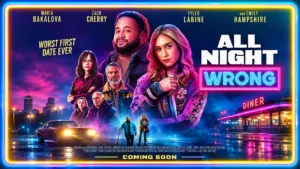
Choose All Night Wrong for theme depth.
No clear scored advantage over the other product.
Scores are out of 5. Missing scores mean missing review evidence, not a missing feature.
Craig Gillespie adds moments of personality but struggles to keep the humor, grim subject matter and action in balance.
Jason James often lets the absurd events play with a straight face, creating an appealing rural-noir effect. Less favorable responses think that restraint muffles the comedy or leaves the shifts in tone awkward.
Krem’s frightening look cannot conceal what many call a forgettable, one-note antagonist with little personality or menace.
Tyler Labine’s imposing, grimly theatrical killer is an entertaining threat for many viewers. His repeated lines and tactics become tiresome to some.
A battered, rough-edged interstellar setting creates an unusual mood for DC, yet its bleakness can make the trip feel joyless.
The snowy small town, dingy motel, retro details and synth-heavy music create a distinctive after-dark mood. The music helps the atmosphere shine even when the story falters.
Some kinetic battles and power showcases impress, but other fights feel repetitive, hard to follow or robbed of scale.
The escalating confrontations and unexpected physical danger add urgency to the comedy. Enthusiastic responses enjoy the action, though the excitement is not consistent for everyone.
The cosmic scale and character close-ups can look striking, but murky framing and visually confused fights frustrate others.
Neon interiors and inky night scenes look stylish to many viewers, especially given the modest scale. Another perspective finds the darkness so heavy that following the action becomes difficult.
The reluctant hero guiding a vengeful young companion feels familiar, often inviting comparisons with better-established space adventures and Westerns.
The dating-app crime setup and energetic odd-couple antics offer some freshness. Other elements follow familiar genre formulas or rely on hackneyed behavior.
The central rescue mission is simple enough to grasp, yet convenient developments and inconsistent power rules undermine the logic for some viewers.
The characters increasingly cover for each other through implausible complications, and the plot eventually asks for more suspension of disbelief than some can give.
The compact running time avoids sprawling setup, but some think it feels rushed or oddly slow despite its relative brevity.
The 91-minute movie feels stretched to viewers who think its premise is too thin, while others still find it an acceptable one-time watch.
Kara’s trauma gives her an interesting starting point, but her transformation is sometimes overshadowed by Ruthye’s more complete journey.
Their shared ordeal draws out insecurity, grief and questions of self-worth, adding feeling to the caper. Others find that at least one protagonist never becomes more than a basic comic type.
Uneven stretches of transit, combat and exposition interrupt the adventure’s momentum, even if some bursts of action move quickly.
The single-night story often moves quickly through mishaps and threats. But unnecessary detours, repeated questions and uneven transitions can slow its momentum.
The flashbacks to Kara’s parents can be genuinely affecting, but repetitive confrontations and quips often weaken the intended pathos.
Behind the corpse and stolen car is a surprisingly tender story about being seen and valued. The heartfelt confessions are a standout for several viewers, although the emotional stakes remain muted for others.
Wry lines occasionally land, especially from Lobo, but frequent quips and flat exposition dilute the drama.
The leads’ awkward banter suits their unusual meeting, but one-liners and repeated villain speeches can wear thin rather than build laughs.
The dynamic between Kara and her sunnier cousin is a frequent highlight, while her pricklier bond with Ruthye takes longer to pay off.
The seemingly mismatched central pair grow increasingly engaging as they work together. Their comic contrast and unexpected tenderness frequently outweigh the plotting flaws.
Grief, vengeance and the harder meaning of goodness give the film ambitious ideas, but the script often treats them too superficially.
Self-worth, loss and the fear of letting love go give the absurd adventure a meaningful undercurrent. Even viewers lukewarm on the mystery often appreciate that emotional idea.
An unusually dark trafficking plot rubs against jokey, music-driven action, producing an uneasy blend for many viewers.
A dead-serious noir presentation makes the absurd comedy funnier for some. Others feel the movie cannot smoothly reconcile intimate drama, farce and threats of violence.
The personal quest to save Krypto has an accessible hook, but its revenge detours and thin antagonism struggle to sustain the film.
The central setup is appealing, but execution splits opinion: warmth and escalating surprises work for some, while contrivances and thin mystery writing disappoint others.
Lobo’s wild delivery and several dry exchanges earn laughs; other gags feel flat or out of place amid the darker material.
Its funniest moments come from awful decisions, awkward confessions and escalating dark absurdity. Several viewers laugh enthusiastically, while others say the jokes are too scattered to carry the whole movie.
The screenplay draws some of the sharpest criticism for derivative beats, uncertain character motivation and superficial emotional development.
Character-centered moments and well-placed jokes work best, but the script’s constant contrivances are the dominant weakness. Plenty of viewers question why the leads repeatedly reject obvious solutions.
A dirtier space-Western palette helps distinguish the adventure but can also look too gray or muddy for a Supergirl story.
The neon-lit interiors, nocturnal imagery and retro mood leave a strong impression, especially when paired with the synth score.
The needle drops are unusually polarizing: some find inspired choices, while others say the music drains impact from emotional or action scenes.
The 1980s-flavored rock and electronic music suits the throwback atmosphere and remains a highlight even for viewers disappointed by the rest of the movie.
Milly Alcock is widely admired for making Kara guarded, funny and genuinely wounded; even many negative assessments single her out as the reason to watch.
The duo can carry the movie through sheer comic contrast and moments of emotional openness, though Cherry’s understated delivery does not fully convince everyone.
Performances are an important bright spot, especially the central pair, though several harsh critiques find the ensemble unable to rescue the script.
Zach Cherry and Maria Bakalova are the main draw, pairing anxious restraint with impulsive charisma. Not everyone finds their acting equally effective, but even critical responses often credit their charm.
Jason Momoa injects unruly fun as Lobo, and the younger and family cast earn praise, although a few roles have too little depth to work with.
Tyler Labine and Emily Hampshire often make strong impressions with limited time, and Preston Vanderslice adds a likable complication. Some find the broader support merely serviceable.
Alcock’s charisma, Lobo and occasional spectacle make it enjoyable for some; others find a bland, dispiriting slog.
The odd couple and escalating disasters make for a fun, strange night when the humor clicks. Other viewers find it only adequate or downright tedious, so enthusiasm varies substantially.
Kara and Krypto provide flashes of warmth, whereas Ruthye and the villain can be grating or thinly defined depending on taste.
The bungling leads can be surprisingly endearing, but Gary’s passivity and Ell’s thinly sketched traits also frustrate viewers who want smarter, fuller characters.
Violence, drinking, rough language and implications of sexual exploitation make the PG-13 adventure too heavy for some young viewers.
Reactions are sharply split, with strong defenders of the lead character but noticeable backlash to the writing and dark tone.
Critical reception is notably uneven despite widespread agreement that Alcock is a strength.
The straightforward, emotional superhero adventure recaptures the kind of comic-book storytelling that at least one enthusiast has been missing.
The animated opening titles are a particularly enjoyable visual flourish, with groovy, blocky movement and a memorable retro feel.
The lead and Lobo are often called inspired casting, even when the rest of the creative decisions fail to measure up.
Effects divide opinion: dynamic superpowered moments work for some, while the digital dog and washed-out computer-generated scenes distract others.
The biggest stumbling block is how often Gary and Ell ignore obvious ways to escape trouble. Their increasingly reckless choices generate comedy for some, but repeatedly strain credibility for others.
The leads’ contrasting rhythms can make serious situations unexpectedly funny, with nervy pauses set against sudden impulsiveness. Some find the gags merely competent or uneven.
Kara’s childhood loss lends gravity, but the adult story does not always make that grief feel earned or fully explored.
Kara’s habitual drunkenness is treated as a response to grief, though the amount and presentation can be troubling.
Flashbacks supply essential context but can interrupt the chase, while several cuts make the short adventure feel choppier than necessary.
The climax provides a burst of heroism but has been called rushed, morally awkward or less cathartic than it should be.
Bakalova’s greater emotional range can leave Cherry feeling underpowered beside her, making the central duo uneven despite their contrasting personalities.
The comic’s revenge journey survives, but altered viewpoints, omitted episodes and a more quippy tone disappoint some devoted readers.
Kara’s memories of her parents deepen her sorrow, and her contrasting relationship with Superman gives the hero a valuable personal dimension.
Despite moments about family bonds and goodness, the violence, drinking and trafficking subplot can make family screenings uncomfortable.
Superman’s supporting scenes strengthen the family connection, though the new DCU identity is not equally persuasive to everyone.
Romantic comedy, neo-noir, suspense and violent farce mingle in an unusually lively mix. The balance of danger and tenderness is among the movie’s most frequently praised qualities.
As a superhero space Western, it supplies unusual texture and smaller stakes but too often settles for genre clichés.
Krypto supplies the story’s urgent personal motivation and moments of charm, though some find his CGI or poisoned-dog stakes overly manipulative.
Harsh swearing contributes to a rougher, less child-friendly tone than many caped adventures.
Some praise the unusual feat of keeping nighttime action visible amid deep shadows and neon. Others complain that the darkness actively obscures what is happening.
Alien prosthetics and makeup lend the strange inhabitants convincing personality even when the storytelling falters.
The modest mystery and familiar plot mechanics leave some viewers doubting they will remember much of the movie once it ends.
The distinction between revenge and doing good gives Kara a meaningful moral choice, although contradictions in her conduct complicate it.
The corpse, cash and unknown pursuer initially provide an intriguing puzzle. Its solutions strike others as predictable, overly mechanical or unexciting.
The ongoing attempt to connect every clue grows repetitive, making the mystery feel longer than it should.
The investigation can feel like a loose sequence of questions and discoveries rather than a tightly shaped mystery.
Groovy animated credits make a striking first impression, even though their playful look does not quite resemble the feature that follows.
The many turns keep the caper lively for some, yet others find them glaringly obvious, overly coincidental or simply insufficiently clever.
The female-led revenge tale avoids some conventional romantic framing, but its use of sexual exploitation and thin empowerment gestures feels regressive to others.
Detailed prosthetics and tangible alien makeup give the grungy universe a distinctive texture.
The implausible decisions and convoluted attempts to avoid police make the story difficult to believe, even as deliberate farce.
The leads are easy to root for as unexpected confidants, and their gradual connection supplies warmth. Their sexual or romantic chemistry is less convincing to some than their friendship.
The synthwave-tinged score strengthens the nocturnal mood and stands out as one of the film’s most reliably enjoyable touches.
The threat of girls being trafficked for forced reproduction is disturbing despite no depicted sex, and its handling draws criticism.
Polished bursts of spectacle sit alongside artificial-looking backgrounds and less persuasive digital work.
Milly Alcock’s physical execution of the fights earns praise, but some action staging is too muddled or obscured by camera movement to follow comfortably.
The different suns create neat tactical limits but also invite complaints that Kara is conveniently weakened to sustain fights.
The creepy motel and relentless killer give the film flashes of genuine tension, but predictable turns and the leads’ baffling decisions repeatedly undercut the thrills.
The punches, deaths and threats are often bloodless but decidedly harsh, particularly when children or Krypto are imperiled.
The isolated, snowy small-town setting gives this date-night disaster its own character, separating it from more familiar urban crime comedies.
Kara’s eventual superhero suit and the alien costuming draw attention, though not everyone likes how the outfit is shaped or presented.
Strange, grimy aliens are among the more memorable visual flourishes, particularly Krem’s intricately styled appearance.
The motel and gas station evoke a grimy 1970s–1980s small town, anchoring the outlandish story in distinctive surroundings.
The planetary stops, alien communities and red-sun mechanics offer memorable details; the lived-in galaxy is often more compelling than the plot.
The trailer successfully suggests a funny, promising comedy, but one group felt it had already shown the movie’s best jokes.
The small budget is sometimes painfully apparent, with a cheap-looking presentation that takes away from the experience.
Despite being tolerable as a one-off, the movie leaves one viewer with no real desire to revisit its mystery.

Choose this inventive, unsettling documentary for fearless questioning, dark humor, and unpredictable storytelling. Skip it if you want a short, straightforward exposé with definitive answers.
Pros: originality, humor

Extraordinary performances and richly observed relationships make this a rewarding, emotionally forceful drama. Its nearly three-hour length and slow opening demand patience and undivided attention.
Pros: class commentary, character development

Best for a hypnotic, bookish mystery with tactile visuals and cerebral chills. Skip it if reading-heavy, attention-demanding storytelling sounds more exhausting than exciting.
Pros: Atmosphere, cinematography
Cons: audience appeal

Best for an intimate, searching documentary that rewards focused attention and invites discussion. Skip it when devastating grief, addiction footage, and unresolved family tensions would be too much.
Pros: emotional impact, theme depth