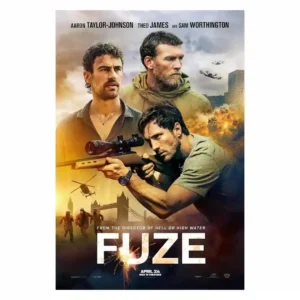
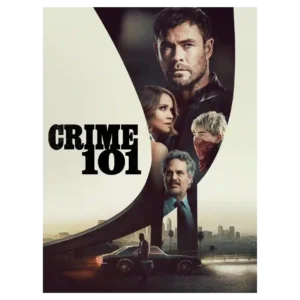
Fuze
Where It Has the Edge
No clear scored advantage over the other product.

Scorata scores summarize analyzed review evidence on a 1–5 scale; they are not laboratory measurements or a simple average of customer star ratings. Feature scores summarize the reviews covering that feature. The overall score averages feature scores within each review, then combines review averages. When both expert and customer evidence are available, those two groups receive equal weight. Products can have different review coverage, so small score gaps do not establish a winner.
Recommendations prioritize important features for the category, with a score of at least 3.5, a gap of at least 0.25 points and at least two supporting reviews per product. Features with widely varying scores or broad connectivity contexts are excluded from recommendations. These safeguards do not establish statistical significance.
Quick verdict
The available evidence supports the recommendation below, but does not establish an overall winner. Check the remaining features against your priorities.
There is not enough comparable review evidence to recommend Fuze over the other product.
Choose Crime 101 for production design and cast chemistry.
No clear scored advantage over the other product.
Scores are out of 5. Missing scores mean missing review evidence, not a missing feature.
The flashback/coda is marred by noticeably dated, cheap-looking CGI.
Digital effects are intentionally unobtrusive, with nighttime composites and touch-ups blending into the frame rather than calling attention to themselves.
The leading men’s shirtless scenes are viewed as relevant to their swagger and restrained rather than exploitative.
Family-content assessments criticize the sexual material and nudity as frequent or unwelcome, making the movie a poor fit for viewers seeking restrained adult content.
The ticking clock and bursts of violence can heighten stakes, but many struggle to care about characters whose motivations and histories remain underexplored.
The character-first crime drama is often more compelling than the mechanics of the heist itself. The moral pressure on Mike, Lou, and Sharon gives the thriller more emotional weight than a simple cops-and-robbers setup.
The leads occasionally spark against one another, but the robber crew rarely develops a memorable dynamic or sense of personal history.
Character pairings are a consistent strength, especially Hemsworth with Ruffalo, Berry, and Barbaro. The interpersonal spark helps the film stay engaging even when the plot slows down.
Functional exposition keeps events moving, but lines are often bland, and the finale explains relationships at an unnecessary length.
The dialogue is often praised as intelligent, efficient, and witty, especially when it lets character subtext do the work. One notably negative take found the conversations flat and unengaging.
The violence is praised for landing hard without being relentless: sharp gunfights and sudden attacks punctuate the suspense rather than filling every scene.
The violence is frequent and intense but generally not described as gory; some mainstream critics appreciate that restraint. Family-focused sources still consider the level too strong for younger or sensitive viewers.
Most characters are defined by jobs, schemes and revelations rather than evolving personalities, leaving some viewers indifferent to their fates. A few welcome the lean approach because it preserves the pace.
The central thief, detective, and insurance broker often feel more layered than stock genre roles, and their moral crossroads are a major draw. The crowded ensemble also leaves several side characters and subplots thin or underexplored.
The elaborate plotting attracts curiosity more reliably than emotional investment. Several viewers finish without caring much about who survives or wins.
Emotional response is split: some found the character transformations unexpectedly moving, while others felt the cool tone and familiar arcs kept the payoff muted. The strongest reactions come from viewers who connect with the characters’ personal crossroads.
London streets, evacuation shots and sharply photographed action impress some viewers; others see drab color, lifeless compositions and lackluster staging.
Los Angeles is photographed with polished night imagery, freeway geography, and a strong sense of place; the look is one of the most consistently praised elements. Only a few critics found some night scenes too dark or derivative of Michael Mann.
A handful enjoy the final reveal, but the flashback, additional explanations and sudden comic coda are frequently regarded as unnecessary, anticlimactic or tonally jarring.
The finale is the clearest dividing line. Some love its clean character closure and satisfying payoffs, while others find it rushed, too tidy, morally soft, or simply unable to cash in the tension built beforehand.
The playful, criminal swagger earns laughs from some. A sudden burst of end-card and coda comedy feels wildly misplaced to others.
Dry jokes and understated comedy work well against the movie’s serious tone, giving viewers brief releases from the tension without turning the film into a comedy.
The wartime-bomb discovery doubling as cover for a contemporary heist is a clever fusion of crime-thriller ideas. Its underlying formulas still feel familiar to experienced genre watchers.
The core cops-and-robbers story is repeatedly called familiar, derivative, or built from well-known archetypes. A few viewers still find enough fresh character perspective and twists to keep it from feeling purely recycled.
David Mackenzie earns praise for a controlled, urgent approach that holds several plots together, but his restraint also strikes some as bland and television-like.
Bart Layton’s controlled direction is a major strength, particularly in the car chases, slow-burn tension, Los Angeles atmosphere, and clear staging. Even detractors generally concede the film is polished and competently made.
A persistent pulse helps sustain urgency for some, while another view is that the score is plodding and fails to lift the action.
The synth-heavy Blanck Mass score is a standout, repeatedly praised for pulsing tension, melancholy, and late-night heist energy without overpowering the images.
The clever bomb-as-heist-cover premise gives the script a strong foundation. Thin characterization, escalating coincidences and explanations arriving at the end keep it from convincing everyone.
The script gets strong marks for subtext, character motivation, intelligent dialogue, and letting viewers infer rather than overexplaining. Its weaknesses are familiar templates, too many subplots, and occasional contrivance.
The largely grounded procedural mood works until the film veers into cheeky postscript humor and a retrospective flashback. That late switch is a frequent sticking point, though its restraint also has defenders.
The restrained character drama and bursts of action mostly coexist well, but a few viewers notice character or subplot shifts that make the movie feel uneven in places.
Explosions, shoot-outs and chases supply bursts of spectacle without overwhelming the heist plot. Their staging divides opinion, with praise for crisp choreography but criticism of lackluster chases.
The car chases and heist bursts are usually crisp, tense, and easy to follow, with several critics calling them standout sequences. A smaller group wanted more action or found the set pieces less thrilling than the build suggested.
The roughly 96-minute length makes this a lean watch for most. Some wish it spent longer developing relationships, while others say even its compact duration feels drawn out.
The roughly 140-minute length is one of the most repeated concerns. Some viewers say it flies by or earns the space through atmosphere and character work, but many believe a tighter cut would be substantially stronger.
The crime story reinvents its immediate situation with a distinctive bomb-and-vault combination, yet it evokes familiar British capers and early-2000s thrillers rather than a fully fresh voice.
The film openly lives in the shadow of Heat, Thief, Drive, and other L.A. crime pictures, which makes familiarity its biggest recurring weakness. Supporters see the homage as confident and fresh enough; detractors call it derivative or secondhand.
The intercut bomb disposal and heist move briskly for most viewers, with minimal downtime. A few find the middle or final stretch sluggish despite the short runtime.
Pacing is mixed: the slow-burn rhythm works for viewers who enjoy character detail, but many still feel the middle stretches drag or that 15–30 minutes could be cut. The action beats usually restore momentum when they arrive.
A smart two-pronged premise drives an often compelling B-movie yarn. Its reliance on sudden betrayals and late backstory makes the overall storytelling less coherent for some.
The story is usually considered solid, intelligent, and engaging, especially when it concentrates on character and moral pressure. Its familiar framework, crowded subplots, and uneven payoff keep it from universal enthusiasm.
The ticking bomb, evacuation and hidden robbery generate nerve-jangling suspense for many. Others find the bomb procedures curiously tensionless and the threats too predictable.
Slow-burn tension is one of the film’s strongest qualities, with the Mike-Ormon friction, police pursuit, and major heist keeping many viewers locked in. A few critics feel the tension never rises enough or is isolated mainly to the action scenes.
Rapid cross-cutting among simultaneous events is one of the film’s clearest technical strengths, though the hyperactive style occasionally feels like a substitute for character depth.
The best notices praise fluid cross-cutting, clear geography, and smooth handling of multiple storylines. The main criticism is that the film still feels overlong, with some editors wishing the same material had been cut far more aggressively.
Cutting among police, soldiers and thieves usually keeps the scheme understandable, even as it grows. Late twists, withheld motives and backstory dumps sometimes make the narrative feel artificially complicated.
The interlocking storylines generally come together, but the broad ensemble can feel busy and occasionally contrived. Some viewers found it easy to follow, while others needed time for the early pieces to click.
Beneath the caper lies a restrained vein of sociopolitical commentary, although it never overpowers the plotting.
Class inequality, workplace exploitation, personal codes, corruption, control, and moral compromise give the thriller more to chew on than its heist mechanics alone. Opinions split on whether those ideas are deeply explored or only gestured toward.
The basic evacuation-and-bank-break-in plan has a plausible surface, but mounting coincidences, bomb-handling details and elaborate betrayals push credibility past its limits.
The grounded cars, physical action, and procedural detail help sell the world, but several plot conveniences and implausible escapes break that realism. The result feels tactile even when the story mechanics strain belief.
The film scratches the itch for an old-school, twisty crime thriller, especially if the elaborate scheme is the main attraction. It is less satisfying for viewers seeking a grittier or more fully realized caper.
For crime-thriller fans, the movie largely delivers the old-school pleasures it promises: professional criminals, a dogged cop, slow-burn tension, and muscular car chases. Its familiarity keeps it below the genre’s classics for some viewers.
The explosions deliver satisfying visual punch and make the occasional big action beat count.
Visual effects are used sparingly and blend into the environments, supporting the physical crime-thriller aesthetic instead of dominating it.
The London setting provides scale and a convincing evacuated city for some, but low-budget-looking locations and staging leave others unimpressed.
The polished offices, luxury spaces, hotels, and wealthy-client environments give the movie a convincing high-end sheen. The craft is repeatedly cited as part of the film’s unusually strong production value.
Stylized city imagery and a confident opening please some viewers, while others find the daylight London look cheap or lifeless; the CGI-heavy coda is a particular weak spot.
The sleek neo-noir look, night driving, glossy interiors, and L.A. skyline imagery are major selling points. It is stylish and cinematic even when critics argue that the aesthetic borrows heavily from earlier crime films.
The supporting players are generally capable, with Elham Ehsas singled out as memorable. Many still feel the secondary thieves and police personnel are given negligible material.
Mark Ruffalo, Halle Berry, Barry Keoghan, and the wider ensemble are a major asset, often giving familiar archetypes distinctive personality. Individual complaints focus more on underwritten roles or casting fit than a weak ensemble overall.
The recognizable cast often brings poise and charisma to thin roles, particularly the leads. Complaints focus on uneven accents, stiff delivery and actors left with too little to do.
The ensemble is one of the film’s safest bets: strong, committed performances repeatedly lift familiar material. Even cooler reactions tend to blame thin roles or the script more than the cast as a whole.
The exit music is singled out as a smart closing choice.
The serious soundtrack is used effectively against the film’s dry humor, making jokes land harder through tonal contrast.
Aaron Taylor-Johnson and Theo James frequently impress with intensity and commanding presence. Critics who disagree find their portrayals narrow, showy or undermined by accents and sketchy roles.
Chris Hemsworth’s restrained, vulnerable take on Mike is widely praised as a welcome change from his bigger action roles. A few critics find the character too blank or dull, but the overall response to the lead performance is strongly positive.
An energetic setup and steady supply of reversals make this an enjoyable disposable thriller for many, though several find it flat and forgettable once the initial hook fades.
Most reactions land on enjoyable-to-excellent, especially for viewers who want a polished adult crime movie with stars, cars, and tension. A minority found the long, familiar story boring or forgettable.
The brisk ride can be enjoyable once, but the thin characterization and heavily reveal-dependent plot make repeat viewing less enticing.
Memorability splits sharply: some expect the movie to fade quickly, while enthusiastic viewers already want to revisit it for the atmosphere, character details, and heist construction. Familiarity may make it comfortable rewatch material rather than an unforgettable classic.
Some South African accent work is distracting and uneven, with otherwise solid performances diminished by unconvincing delivery.
The deserted London streets carry eerie quiet that intensifies anticipation of the threatened blast.
The assembled stars are capable of holding attention, but individual roles often seem too slight for the talent; a few choices feel mismatched to the material.
The immigrant family’s encounter with police offers a brief, recognizable depiction of how intimidating official demands can feel.
Some whispered lines and heavy accents are hard to understand without subtitles, making important dialogue frustrating to catch.
The cross-cutting keeps police, military and thieves in play, and some appreciate how peripheral characters become important. Others resent a scattered focus that leaves talented players stranded.
The adaptation is generally seen as respectful of Don Winslow’s material and its central moral code, though some details from the novella are streamlined or lost. One negative assessment felt the film was notably less compelling than the source.
Family-oriented assessments strongly advise against it because of profanity, violence, sexual content, nudity, and a morally permissive ending.
Rather than dictating heroes and villains, the movie lets the characters pursue clashing agendas without overt moralizing.
Using a bomb evacuation as cover for drilling into a bank vault is an imaginative hook, and the logistics are fun to watch. Several viewers question convenient coincidences and convoluted mechanics.
The profanity is judged excessive by the family-focused sources, including repeated f-words that make the dialogue unsuitable for viewers avoiding strong language.
The movie’s ideas about class, work, morality, and self-interest divide opinion. Some find them meaningful and well integrated, while family-oriented and skeptical critics see the moral framing as muddled, shallow, or too forgiving of crime.
The hidden links between the bomb, the vault and the players are intriguing and rewarding for viewers who like guessing ahead. Some find the reveals obvious or needlessly tangled.
The pileup of betrayals can be a clever, surprising puzzle or a contrived tangle that feels telegraphed. Those who enjoy successive reversals tend to be much more forgiving of the logic.
The brief PTSD reference gestures at a potentially interesting personal burden without meaningfully developing it.
Mike and Maya have charm and believable chemistry, but the romance is one of the most common targets for trimming. Several critics see it as forced, underdeveloped, or a distraction from stronger character material.
Heavy profanity, strong violence, sexual material, and nudity make this a poor fit for younger viewers in the family-focused assessments.
The film plays especially well for adults who miss old-school crime thrillers, with many calling it highly watchable or theater-worthy. Its long runtime and weak theatrical turnout temper that enthusiasm.
The schemers can be charismatic and unpredictably amusing, especially Karalis, but a number of viewers cannot find a sympathetic or memorable person to root for.
The critical reaction discussed in the videos is broadly favorable, with the film described as solid, well-crafted, and stronger than its modest theatrical performance suggests.
Wardrobe choices help signal power, age, status, and personality, from Sharon’s polished professional armor to Ormon’s louder styling. The fashion work adds character information without needing extra exposition.
The evacuated, nearly silent streets make the threat of an explosion feel more pronounced, showing effective restraint rather than continuous noise.
Los Angeles is treated almost like another lead, with highways, beaches, luxury spaces, and street-level contrasts making the city feel integral to the characters and crime story.
Theatrical value depends heavily on tolerance for the runtime: several viewers recommend paying for a premium or full-price screening, while others say the slow pace makes waiting for streaming the better choice.

Choose this inventive, unsettling documentary for fearless questioning, dark humor, and unpredictable storytelling. Skip it if you want a short, straightforward exposé with definitive answers.
Pros: originality, humor

Best for a hypnotic, bookish mystery with tactile visuals and cerebral chills. Skip it if reading-heavy, attention-demanding storytelling sounds more exhausting than exciting.
Pros: Atmosphere, cinematography
Cons: audience appeal

Best for an intimate, searching documentary that rewards focused attention and invites discussion. Skip it when devastating grief, addiction footage, and unresolved family tensions would be too much.
Pros: emotional impact, theme depth

Best for patient suspense, an unforgettable score, and an unsettling masked killer. Skip it for very young children or if you want to avoid intense scares; its restrained kills also...
Pros: directing quality, score quality
Cons: message quality