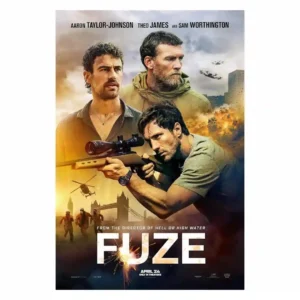
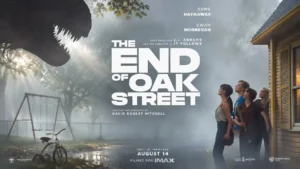
Fuze
Where It Has the Edge
- violence level is 4.5 vs 4.0. The violence is praised for landing hard without being relentless: sharp gunfights and sudden attacks punctuate the suspense...

Scorata scores summarize analyzed review evidence on a 1–5 scale; they are not laboratory measurements or a simple average of customer star ratings. Feature scores summarize the reviews covering that feature. The overall score averages feature scores within each review, then combines review averages. When both expert and customer evidence are available, those two groups receive equal weight. Products can have different review coverage, so small score gaps do not establish a winner.
Recommendations prioritize important features for the category, with a score of at least 3.5, a gap of at least 0.25 points and at least two supporting reviews per product. Features with widely varying scores or broad connectivity contexts are excluded from recommendations. These safeguards do not establish statistical significance.
Quick verdict
The review evidence points to a tradeoff: violence level versus production design. Choose according to which strengths matter more to you; the overall score alone does not settle that choice.
Choose Fuze for violence level.
Choose The End of Oak Street for production design.
Scores are out of 5. Missing scores mean missing review evidence, not a missing feature.
The London setting provides scale and a convincing evacuated city for some, but low-budget-looking locations and staging leave others unimpressed.
The film’s production design receives enthusiastic praise for giving its prehistoric, family-centered spectacle vivid impact.
Stylized city imagery and a confident opening please some viewers, while others find the daylight London look cheap or lifeless; the CGI-heavy coda is a particular weak spot.
The film’s visual style receives enthusiastic praise for giving its prehistoric, family-centered spectacle vivid impact.
The evacuated, nearly silent streets make the threat of an explosion feel more pronounced, showing effective restraint rather than continuous noise.
Distant screams, muffled gunfire, and ear-popping sound effects help establish disorientation and danger.
The flashback/coda is marred by noticeably dated, cheap-looking CGI.
Many admire the convincingly rendered dinosaurs; a minority find individual effects or creature movements artificial.
The elaborate plotting attracts curiosity more reliably than emotional investment. Several viewers finish without caring much about who survives or wins.
Opinions differ on emotional impact: some find the film’s approach lively and engaging, while others point to weak execution or inconsistencies.
Rapid cross-cutting among simultaneous events is one of the film’s clearest technical strengths, though the hyperactive style occasionally feels like a substitute for character depth.
The editing quality has effective ideas but also noticeable limitations that keep reactions qualified.
The leads occasionally spark against one another, but the robber crew rarely develops a memorable dynamic or sense of personal history.
Opinions differ on cast chemistry: some find the film’s approach lively and engaging, while others point to weak execution or inconsistencies.
The assembled stars are capable of holding attention, but individual roles often seem too slight for the talent; a few choices feel mismatched to the material.
The film’s casting quality receives enthusiastic praise for giving its prehistoric, family-centered spectacle vivid impact.
London streets, evacuation shots and sharply photographed action impress some viewers; others see drab color, lifeless compositions and lackluster staging.
Carefully composed suburban streets, split-diopter framing, and lingering backgrounds turn familiar locations into menacing spaces.
The pileup of betrayals can be a clever, surprising puzzle or a contrived tangle that feels telegraphed. Those who enjoy successive reversals tend to be much more forgiving of the logic.
The film’s plot twists receives enthusiastic praise for giving its prehistoric, family-centered spectacle vivid impact.
A smart two-pronged premise drives an often compelling B-movie yarn. Its reliance on sudden betrayals and late backstory makes the overall storytelling less coherent for some.
The film’s story quality receives enthusiastic praise for giving its prehistoric, family-centered spectacle vivid impact.
Most characters are defined by jobs, schemes and revelations rather than evolving personalities, leaving some viewers indifferent to their fates. A few welcome the lean approach because it preserves the pace.
The family has recognizable tensions and relatable vulnerabilities, yet several arcs feel shortened or resolved too conveniently.
The playful, criminal swagger earns laughs from some. A sudden burst of end-card and coda comedy feels wildly misplaced to others.
Opinions differ on humor: some find the film’s approach lively and engaging, while others point to weak execution or inconsistencies.
Cutting among police, soldiers and thieves usually keeps the scheme understandable, even as it grows. Late twists, withheld motives and backstory dumps sometimes make the narrative feel artificially complicated.
The unexplained displacement adds mystery, but unexplored mechanics and inconsistent survival decisions irritate viewers looking for clearer answers.
A handful enjoy the final reveal, but the flashback, additional explanations and sudden comic coda are frequently regarded as unnecessary, anticlimactic or tonally jarring.
The conclusion is the most polarizing element: some appreciate its nasty, strange implications, while others find its resolution abrupt, too tidy, or logically shaky.
The hidden links between the bomb, the vault and the players are intriguing and rewarding for viewers who like guessing ahead. Some find the reveals obvious or needlessly tangled.
The film’s mystery quality receives enthusiastic praise for giving its prehistoric, family-centered spectacle vivid impact.
Explosions, shoot-outs and chases supply bursts of spectacle without overwhelming the heist plot. Their staging divides opinion, with praise for crisp choreography but criticism of lackluster chases.
Dinosaur chases, near escapes, and abrupt attacks provide many of the film’s biggest thrills. Some viewers question the characters’ decisions during those set pieces.
The explosions deliver satisfying visual punch and make the occasional big action beat count.
Opinions differ on special effects quality: some find the film’s approach lively and engaging, while others point to weak execution or inconsistencies.
A persistent pulse helps sustain urgency for some, while another view is that the score is plodding and fails to lift the action.
Michael Giacchino’s playful, orchestral score channels retro adventure films and heightens the chases, although its overt homage feels repetitive to some.
The clever bomb-as-heist-cover premise gives the script a strong foundation. Thin characterization, escalating coincidences and explanations arriving at the end keep it from convincing everyone.
The simple story leaves room for visceral suspense, but clumsy dialogue, thin subplots, and plot conveniences are frequent complaints.
The roughly 96-minute length makes this a lean watch for most. Some wish it spent longer developing relationships, while others say even its compact duration feels drawn out.
The lean, roughly 99-minute length keeps the action moving for most audiences, although a few feel additional scenes could have deepened the family drama.
The violence is praised for landing hard without being relentless: sharp gunfights and sudden attacks punctuate the suspense rather than filling every scene.
Graphic dinosaur attacks deliver the darker edge many horror fans appreciate. The blood and dismemberment also make the violence a drawback for sensitive viewers.
Functional exposition keeps events moving, but lines are often bland, and the finale explains relationships at an unnecessary length.
Dialogue is occasionally stiff, cheesy, or overexplanatory, even where the performances give it life.
Beneath the caper lies a restrained vein of sociopolitical commentary, although it never overpowers the plotting.
The invasion of safe-looking suburbia gives the spectacle ideas about denial, family duty, and complacency, though their resolution can feel underdeveloped.
The film scratches the itch for an old-school, twisty crime thriller, especially if the elaborate scheme is the main attraction. It is less satisfying for viewers seeking a grittier or more fully realized caper.
Opinions differ on genre satisfaction: some find the film’s approach lively and engaging, while others point to weak execution or inconsistencies.
David Mackenzie earns praise for a controlled, urgent approach that holds several plots together, but his restraint also strikes some as bland and television-like.
Opinions differ on directing quality: some find the film’s approach lively and engaging, while others point to weak execution or inconsistencies.
The largely grounded procedural mood works until the film veers into cheeky postscript humor and a retrospective flashback. That late switch is a frequent sticking point, though its restraint also has defenders.
Family melodrama, playful humor, and unexpectedly brutal dinosaur horror can be a winning mix, but the switches strike some as jarring or sentimental.
The basic evacuation-and-bank-break-in plan has a plausible surface, but mounting coincidences, bomb-handling details and elaborate betrayals push credibility past its limits.
Opinions differ on realism: some find the film’s approach lively and engaging, while others point to weak execution or inconsistencies.
The wartime-bomb discovery doubling as cover for a contemporary heist is a clever fusion of crime-thriller ideas. Its underlying formulas still feel familiar to experienced genre watchers.
The dinosaur-in-suburbia premise gives an old genre a lively new setting, even as the reverence for older blockbusters can feel overly familiar.
The intercut bomb disposal and heist move briskly for most viewers, with minimal downtime. A few find the middle or final stretch sluggish despite the short runtime.
A slow, suspenseful opening eventually gives way to lively creature action. The compact runtime pleases most, but some find sections rushed or oddly edited.
The ticking bomb, evacuation and hidden robbery generate nerve-jangling suspense for many. Others find the bomb procedures curiously tensionless and the threats too predictable.
Opinions differ on suspense: some find the film’s approach lively and engaging, while others point to weak execution or inconsistencies.
Some South African accent work is distracting and uneven, with otherwise solid performances diminished by unconvincing delivery.
A repeated drawback is accent authenticity, which can weaken the otherwise entertaining creature-survival premise.
The supporting players are generally capable, with Elham Ehsas singled out as memorable. Many still feel the secondary thieves and police personnel are given negligible material.
Opinions differ on supporting cast performance: some find the film’s approach lively and engaging, while others point to weak execution or inconsistencies.
The recognizable cast often brings poise and charisma to thin roles, particularly the leads. Complaints focus on uneven accents, stiff delivery and actors left with too little to do.
Anne Hathaway draws the strongest praise; the supporting family performances work for many but the cast’s varying styles divide some viewers.
Aaron Taylor-Johnson and Theo James frequently impress with intensity and commanding presence. Critics who disagree find their portrayals narrow, showy or undermined by accents and sketchy roles.
Anne Hathaway’s committed, vulnerable performance is a major highlight, giving the extravagant survival story much of its emotional credibility.
The brisk ride can be enjoyable once, but the thin characterization and heavily reveal-dependent plot make repeat viewing less enticing.
Opinions differ on rewatch value: some find the film’s approach lively and engaging, while others point to weak execution or inconsistencies.
An energetic setup and steady supply of reversals make this an enjoyable disposable thriller for many, though several find it flat and forgettable once the initial hook fades.
The creature-filled adventure is an exhilarating crowd-pleaser for many, though several find the derivative premise or awkward dramatic writing less satisfying.
The schemers can be charismatic and unpredictably amusing, especially Karalis, but a number of viewers cannot find a sympathetic or memorable person to root for.
The characters earn sympathy for some through ordinary fears and family loyalty, yet others are irritated by reckless or passive behavior.
Opinions differ on age appropriateness: some find the film’s approach lively and engaging, while others point to weak execution or inconsistencies.
A repeated drawback is marketing appeal, which can weaken the otherwise entertaining creature-survival premise.
An early-1980s neighborhood, bicycles, and Spielberg-inspired suspense appeal to retro adventure fans, though critics are split on homage versus imitation.
A repeated drawback is title appeal, which can weaken the otherwise entertaining creature-survival premise.
The family dog earns affectionate attention for a memorable, crowd-pleasing moment amid the dinosaur mayhem.
The deserted London streets carry eerie quiet that intensifies anticipation of the threatened blast.
The immigrant family’s encounter with police offers a brief, recognizable depiction of how intimidating official demands can feel.
Some whispered lines and heavy accents are hard to understand without subtitles, making important dialogue frustrating to catch.
The ticking clock and bursts of violence can heighten stakes, but many struggle to care about characters whose motivations and histories remain underexplored.
The cross-cutting keeps police, military and thieves in play, and some appreciate how peripheral characters become important. Others resent a scattered focus that leaves talented players stranded.
Marriage troubles, parental anxieties, and survival pressures give the prehistoric spectacle a more personal core, though its emotional arc does not convince everyone.
Rather than dictating heroes and villains, the movie lets the characters pursue clashing agendas without overt moralizing.
The genre blending generally works, although a few details feel less polished than the film’s strongest moments.
A repeated drawback is gore-sensitive viewing, which can weaken the otherwise entertaining creature-survival premise.
Using a bomb evacuation as cover for drilling into a bank vault is an imaginative hook, and the logistics are fun to watch. Several viewers question convenient coincidences and convoluted mechanics.
The story hints at morally uncomfortable consequences, particularly in its conclusion; some welcome the unease while others want those implications addressed more fully.
The narrative structure generally works, although a few details feel less polished than the film’s strongest moments.
The brief PTSD reference gestures at a potentially interesting personal burden without meaningfully developing it.
Sudden attacks and menacing creatures make this scarier than a typical breezy dinosaur adventure, though individual viewers vary in how much they feel the tension.
The scientific credibility generally works, although a few details feel less polished than the film’s strongest moments.
The leading men’s shirtless scenes are viewed as relevant to their swagger and restrained rather than exploitative.
The pressure to improvise amid roaming predators is engaging, but implausible decisions often undermine the family’s credibility.
Feathered, animal-like dinosaurs feel fresh and visually persuasive to many, while a few viewers prefer the familiar reptilian designs.
The film’s world-building receives enthusiastic praise for giving its prehistoric, family-centered spectacle vivid impact.
The advertising does not fully capture the film’s strengths, with some viewers also objecting to an artificial-looking promotional campaign.
The exit music is singled out as a smart closing choice.

A deeply human coming-of-age drama carried by remarkable performances and an honest portrayal of grief. Its gentle optimism moves most viewers, though some find the final stretch hurried or overly...
Pros: Grief portrayal, acting performance
Cons: pacing

Billie Jean King’s magnetic first-person storytelling makes this an exhilarating portrait of athletic courage and social change. The filmmaking follows a familiar documentary structure, and her full tennis résumé gets...
Pros: entertainment value, Biographical coverage
Cons: Narrative structure

Choose this inventive, unsettling documentary for fearless questioning, dark humor, and unpredictable storytelling. Skip it if you want a short, straightforward exposé with definitive answers.
Pros: originality, humor

A singular voice, powerful piano playing and intimate film photography make this concert absorbing for receptive listeners. Its uninterrupted, often similar-sounding songs and lack of background context are an acquired...
Pros: directing quality, cinematography
Cons: pacing, Song variety