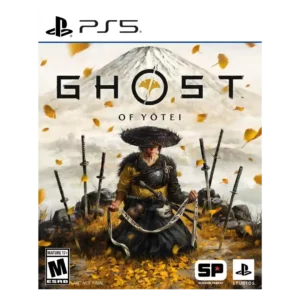
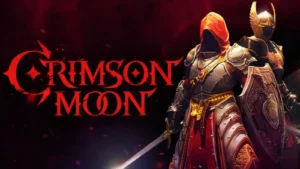
Scorata scores summarize analyzed review evidence on a 1–5 scale; they are not laboratory measurements or a simple average of customer star ratings. Feature scores summarize the reviews covering that feature. The overall score averages feature scores within each review, then combines review averages. When both expert and customer evidence are available, those two groups receive equal weight. Products can have different review coverage, so small score gaps do not establish a winner.
Recommendations prioritize important features for the category, with a score of at least 3.5, a gap of at least 0.25 points and at least two supporting reviews per product. Features with widely varying scores or broad connectivity contexts are excluded from recommendations. These safeguards do not establish statistical significance.
Quick verdict
What each product is best for
The review evidence points to a tradeoff: polish and bug frequency versus world-building. Choose according to which strengths matter more to you; the overall score alone does not settle that choice.
Choose Ghost of Yōtei for polish and bug frequency.
Choose Crimson Moon for world-building.
Why these recommendations?
Ghost of Yōtei
Where It Has the Edge
polish is 4.8 vs 1.6. Polish is a recurring strength, with reviewers calling the release premium, cinematic, and impressively crafted despite a few...
bug frequency is 4.2 vs 1.8. Most reviewers report few or no serious bugs, though some mention an odd freeze, minor technical issues, or...
enemy variety is 4.3 vs 2.2. Enemy variety is positively noted through more weapon matchups, multiple factions, and a better range of enemies than...
Crimson Moon
Where It Has the Edge
world-building is 5.0 vs 3.8. Gildenarch feels more fleshed out than the main plot suggests, with optional lore and environmental storytelling giving the...
Ghost of Yōtei4.4 overall score
Crimson Moon3.4 overall score
Compare features
Scores are out of 5. Missing scores mean missing review evidence, not a missing feature.
Scored on both products
Other features
Frame rate stability
Ghost of Yōtei
5.0
Crimson Moon
1.0
Details and evidence for frame rate stability
Ghost of Yōtei
Frame-rate evidence is very positive, including stable pacing, smooth transitions, and rock-solid 60 FPS in PS5 Pro modes.
Polish is a recurring strength, with reviewers calling the release premium, cinematic, and impressively crafted despite a few bugs or animation rough edges.
Lack of polish is the dominant weakness after the camera. Technical bugs, rough UI, inconsistent combat behavior, and launch-state jank repeatedly make the game feel less finished than its core deserves.
Weapon balance is praised for distinct tools and effective counters, but mixed overall because several reviewers find weapons too situational or favorite weapons underpowered outside matchups.
Important systems are not always communicated clearly, forcing players to discover loadout restrictions and meta-progression rules after they become relevant.
Bugs range from occasional mission interruptions to more serious technical failures, and several playthroughs encountered glitches significant enough to disrupt progress.
Endgame evidence is mixed: there are post-story tasks and challenge reasons to return, but one review notes no new game plus and another says late content can feel samey.
Higher difficulties do not always add enough new rewards or gear to justify repeating the campaign, leaving the endgame feeling grindier than meaningfully expanded.
Enemy variety is a recurring weakness. Familiar mobs and variants become predictable across repeated runs even when individual enemy types are readable.
Visual-effects evidence is positive but limited, with reviewers appreciating enhanced particles, blood, mud, wind, and cinematic environmental effects.
The narrative is generally praised as emotional, well-executed, and compelling, but some reviewers criticize predictability, structure, or linear revenge beats.
The premise and lore are stronger than the active storytelling. The plot is usually simple, sparse, or pushed into the background, which suits action-first players more than story-focused ones.
The camera is the most consistent complaint. Lock-on can swing, collide with geometry, or lose important targets, making difficult fights frustrating for the wrong reasons.
The combination of roguelike runs, action-RPG loot, Soulslike combat, and co-op feels fresh enough to stand out even though each individual ingredient is familiar.
Difficulty is mostly praised for rewarding patience and offering customization, though critics cite easy challenge, high damage, or artificial duel constraints.
Difficulty is inconsistent: multiple lives and angel form can make bosses too easy, while tight parry windows, aggressive elites, and awkward hit reactions can make other fights feel unfair.
Accessibility evidence is limited and mixed: TechRadar notes helpful subtitles, visibility, control simplification, and combat assists, but says the suite is lighter than some PS5 peers and lacks colorblind options.
Builds can change meaningfully through boons, gear effects, and elemental setups, but limited weapon classes, repeated enemies, and familiar spaces keep variety from matching the strongest roguelites.
Tutorial quality is inconsistent: one player found the basics clearly explained, while others felt important progression and stat systems were omitted or poorly communicated.
Loot is a strong motivator when new gear changes builds or creates elemental synergies, but shared drops, storage restrictions, and lost boons can make the system feel more cumbersome than it should.
Different locations and objective types add some variety, but regular encounters can still settle into a repetitive rhythm across longer play sessions.
Combat is the most broadly praised system, with fluid parries, weapon-swapping, violent impact, and strong duels; criticisms focus on rigidity or fatigue in the rock-paper-scissors weapon setup.
Combat lands well for many players thanks to responsive attacks, weighty hits, parries, dodges, finishers, and build-driven skills. Others find it shallow or inconsistent, especially when camera and hitbox problems interfere.
Dialogue rarely carries the narrative, and the climactic exposition can lean on familiar villain-monologue conventions rather than sharper character writing.
Despite its rough edges, the game is frequently described as fun, especially when experimenting with builds or playing with a friend. Enjoyment tends to decline for players more sensitive to repetition and jank.
Visual quality is frequently praised, from lighting and armor to environments that can look surprisingly high-end. A few players find the presentation dated or too visually repetitive.
Exploration is generally enjoyable, with vertical spaces, side paths, secrets, and lore pickups rewarding curiosity. Some larger areas can still feel sparse.
Learning curve evidence is positive but modest, emphasizing learn-by-doing design that mirrors Atsu’s practice and attention rather than heavy explanation.
The active story is light, but collectible lore gives the world more depth and provides extra context for players who want to dig into Gildenarch’s history.
Early progression avoids heavy XP grinding, but later difficulty tiers can shift more time toward farming gold and repeating content rather than discovering new material.
The run-loot-upgrade-repeat loop is a major strength, with several players describing it as addictive or easy to return to. Its appeal depends on tolerance for repeated spaces and missions.
Permanent gear, levels, upgrades, and run-based boons usually make attempts feel worthwhile even after failure. The system is approachable and often satisfying, though later grind and reset behavior can weaken it.
The Gothic, religious-fantasy art direction is one of the clearest strengths, with ornate cathedrals, striking armor, and a strong visual identity that often looks above its budget.
Gildenarch’s ruined castles, caverns, cathedrals, and angelic imagery create a dark, mythic atmosphere that gives the game a distinctive sense of place.
Cathedrals, ruined streets, caverns, and interior spaces are richly detailed, giving the game a stronger visual sense of scale than its budget suggests.
Quest design is a major strength in many reviews thanks to memorable tales, bounties, organic side stories, and worthwhile rewards, though Eurogamer sharply dislikes the formulaic sidequests.
The interface needs refinement, particularly on PC and high-resolution displays. UI sizing, unclear stat information, and awkward presentation are recurring complaints.
Level design is often praised for atmosphere, verticality, and readable routes, but some maps are linear or mechanically straightforward despite looking impressive.
Bosses are generally seen as fair and visually memorable, with readable attacks in the better fights. A few encounters drag or feel less engaging than the surrounding combat.
Replay value is divisive. Build experimentation and meta-progression can keep runs appealing, but static environments, limited enemy variety, and repeated objectives wear down the experience for others.
The $20 price is one of the strongest points of agreement. Even many critical players feel the compact campaign, co-op, combat, and build systems make the package easier to justify at that price.
PC performance is inconsistent across systems: some players report smooth play, while others encounter severe drops, crashes, or optimization problems.
Inventory, loadout, and storage management are recurring pain points, with confusing organization and restrictions that make build experimentation less smooth.
Basic attack and movement inputs often feel responsive, but control customization was rough at launch and some layouts or PC bindings were frustrating until patches arrived.
The only explicit age-appropriateness judgment warns against younger players because of bloody violence, mature themes, language, drug use, frightening scenes, and slight nudity.
Gear visuals and planned transmog give players appealing cosmetic freedom, letting builds look intentional even when mixed equipment would otherwise clash.
Checkpoint evidence is limited but positive for convenience, with one reviewer noting instant respawns and mid-fight boss checkpoints that reduce punishment.
Two-player co-op is widely viewed as one of the game’s best fits, adding energy, shared decision-making, and more fun to repeated runs. Technical issues can still get in the way.
The compact structure works well for short sessions, and many players liked the roughly 10–15 hour scale at the price. One player finished much faster and felt the replay requirement exposed the thin content.
Post-launch response has been quick, with the team adding requested input options and publicly targeting camera, co-op, and quality-of-life fixes. That responsiveness improves confidence in ongoing support.
Between-level saving can make long runs manageable, but crashes and progress-loss bugs create serious reliability concerns. Save-and-quit flexibility also varies by situation.
The open world is widely praised for beauty, density, organic discovery, and restraint, with dissenting notes about repetition, over-guidance, or familiar structure.