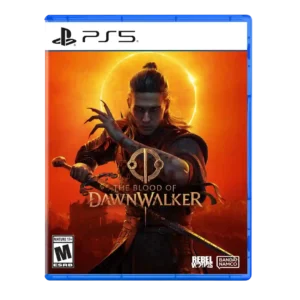
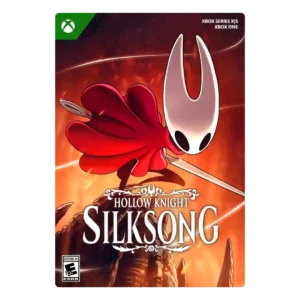
Compare Hollow Knight: Silksong vs The Blood of Dawnwalker

Hollow Knight: Silksong

Hollow Knight: Silksong

Overall score 4.3 / 5

Based on 28 scored reviews

vs
The Blood of Dawnwalker

The Blood of Dawnwalker

Overall score 4.0 / 5

Based on 78 scored reviews

How we score

Scorata scores summarize analyzed review evidence on a 1–5 scale; they are not laboratory measurements or a simple average of customer star ratings. Feature scores summarize the reviews covering that feature. The overall score averages feature scores within each review, then combines review averages. When both expert and customer evidence are available, those two groups receive equal weight. Products can have different review coverage, so small score gaps do not establish a winner.

Recommendations prioritize important features for the category, with a score of at least 3.5, a gap of at least 0.25 points and at least two supporting reviews per product. Features with widely varying scores or broad connectivity contexts are excluded from recommendations. These safeguards do not establish statistical significance.

Quick verdict

What each product is best for

The review evidence points to a tradeoff: performance optimization and content variety versus dialogue quality. Choose according to which strengths matter more to you; the overall score alone does not settle that choice.

Choose Hollow Knight: Silksong for performance optimization and content variety.

Choose The Blood of Dawnwalker for dialogue quality.

Why these recommendations?

Hollow Knight: Silksong

Where It Has the Edge

  • performance optimization is 4.8 vs 2.2. Performance is praised on lower-end hardware, Switch platforms, and 120fps contexts, with only minor visual caveats.
  • content variety is 4.6 vs 2.4. Content variety is praised through multiple game-like challenge types, many systems, and plentiful options, while remaining tied to...
  • world-building is 4.9 vs 4.6. World-building is one of the strongest areas, with reviewers praising Pharloom as immaculate, complex, sad, and worth exploring.

The Blood of Dawnwalker

Where It Has the Edge

  • dialogue quality is 4.8 vs 4.3. Dialogue is consistently praised for strong writing, moral ambiguity, and meaningful choices. Conversations often carry real consequences rather...
Hollow Knight: Silksong 4.3 overall score
The Blood of Dawnwalker 4.0 overall score

Compare features

Scores are out of 5. Missing scores mean missing review evidence, not a missing feature.

Scored on both products

Controls and connectivity

Controls responsiveness
Hollow Knight: Silksong
4.9

Control feel is strongly praised, with one review emphasizing complete control of Hornet and another calling the Switch 2 Pro Controller perfect.

The Blood of Dawnwalker
2.0

Controller input can become unreliable in menus and shops, including moments where button presses stop registering. That makes otherwise simple interactions unnecessarily frustrating.

Protagonist appeal
Hollow Knight: Silksong
4.9

Hornet is consistently praised as an excellent, charismatic, well-rounded protagonist with stronger presence than the silent Knight.

The Blood of Dawnwalker
4.7

Coen is generally seen as a strong lead whose youth, family ties, and human-vampire conflict make him easy to invest in. His moral tension gives choices more personality than a blank-slate protagonist would.

Performance

Performance optimization
Hollow Knight: Silksong
4.8

Performance is praised on lower-end hardware, Switch platforms, and 120fps contexts, with only minor visual caveats.

The Blood of Dawnwalker
2.2

Optimization is one of the largest technical concerns, especially on consoles. Patches and performance modes help, but soft visuals, frame dips, stutter, crashes, and other issues suggest the launch build needed more refinement.

Soundtrack quality
Hollow Knight: Silksong
5.0

The soundtrack is one of the clearest strengths, repeatedly described as magnificent, excellent, world-class, and emotionally fitting.

The Blood of Dawnwalker
5.0

The score earns near-universal praise for heightening tension, exploration, and dramatic scenes. Its choral and folk-inflected sound is repeatedly singled out as a major presentation strength.

Ownership and support

Platform-specific feature support
Hollow Knight: Silksong
4.6

Platform-specific support has positive evidence from ultrawide support that improves immersion.

The Blood of Dawnwalker
2.0

Console-specific presentation is limited by missing HDR support and visual quirks such as flicker and draw-distance problems. Platform features do not feel fully exploited.

Value for money
Hollow Knight: Silksong
4.9

Value for money is exceptional across reviews, especially because of the low price, large content volume, and long completion potential.

The Blood of Dawnwalker
2.8

Value is disputed. Some see a rich story and focused open world as worth the asking price, while others consider the rough console build and repetitive combat a difficult sell at full price.

Replay value
Hollow Knight: Silksong
4.5

Replay value trends high for completionists and build experimenters, though one reviewer said they were glad to play it only once.

The Blood of Dawnwalker
4.8

Branching choices, missed content, multiple endings, and the 30-day structure strongly encourage another run. New Game Plus is absent, limiting carryover even though a different second playthrough remains highly appealing.

Comfort and build

User interface design
Hollow Knight: Silksong
4.5

User interface design has limited positive evidence around attractive mission HUD illustrations and attention to detail.

The Blood of Dawnwalker
2.0

The interface has practical usability problems on console, including moments when buttons fail to register in menus or shops.

Quest design
Hollow Knight: Silksong
3.1

Quest design is split: some reviewers like wishes and missions as structure, while others criticize boring or grindy fetch quests.

The Blood of Dawnwalker
4.6

Quest design is a standout strength, especially when side stories intersect with the main conflict and choices alter later outcomes. The best quests are repeatedly placed among the game’s strongest RPG content.

Puzzle design
Hollow Knight: Silksong
4.5

Puzzle design receives limited but positive evidence, with one review saying Silksong makes puzzle-solving and hidden-path discovery feel effortless.

The Blood of Dawnwalker
5.0

Exploration-focused puzzle content earns strong praise when the game steps away from combat and lets environmental problem-solving take the lead.

Level design
Hollow Knight: Silksong
4.9

Level design is strongly praised for seamless area flow, purposeful rooms, thoughtful platform placement, and dense Metroidvania structure.

The Blood of Dawnwalker
4.5

Vampire traversal hints at strong vertical level design, with teleportation, wall-walking, and alternate routes opening spaces in ways ordinary movement cannot.

Map and navigation design
Hollow Knight: Silksong
4.1

Map and navigation design is mixed: several reviews praise map structure and direction, but others dislike incomplete map support and 100% cleanup.

The Blood of Dawnwalker
4.5

Traversal abilities make navigation more interesting by changing how structures and routes work after dark. The day/night shift gives environmental navigation a role-playing purpose beyond simple map traversal.

World-building
Hollow Knight: Silksong
4.9

World-building is one of the strongest areas, with reviewers praising Pharloom as immaculate, complex, sad, and worth exploring.

The Blood of Dawnwalker
4.6

Vale Sangora is praised for cohesive history, social tension, religion, folklore, and vampire rule. Its relatively small scale helps locations and conflicts feel connected rather than scattered.

Boss design
Hollow Knight: Silksong
4.5

Boss design is broadly praised as memorable, choreographed, varied, and exciting, though some reviews dislike spongey health pools, rewards, or runbacks.

The Blood of Dawnwalker
4.8

The bosses that stand out are praised as enjoyable, distinctive fights that demand use of Coen’s broader toolkit. The limited comments here are strongly positive.

Mission design
Hollow Knight: Silksong
4.5

Mission design earns positive evidence where missions give players reasons to revisit areas and make NPC discoveries feel more purposeful.

The Blood of Dawnwalker
4.5

The strongest missions tie personal stakes, exploration, and meaningful choices together rather than functioning as isolated errands. Even familiar objectives can gain weight from their consequences.

Sound design
Hollow Knight: Silksong
5.0

Sound design earns strong support from praise for surface-specific details and top-notch audio touches.

The Blood of Dawnwalker
5.0

Audio is a clear strength, with impactful combat sounds and haunting musical textures reinforcing the game’s dark-fantasy mood.

Other features

Polish
Hollow Knight: Silksong
4.8

Polish is praised through meticulous design and presentation, though only one scored review directly supports the attribute.

The Blood of Dawnwalker
2.3

Technical and animation jank is widespread enough to be a recurring caveat. The game can feel polished in stretches, but its ambitious systems still show rough edges.

Content variety
Hollow Knight: Silksong
4.6

Content variety is praised through multiple game-like challenge types, many systems, and plentiful options, while remaining tied to high difficulty.

The Blood of Dawnwalker
2.4

The day/night split and branching quests add meaningful variation, but repeated enemy encounters, camps, and familiar combat-heavy activities become a common complaint. Variety is strongest in narrative situations rather than routine open-world tasks.

Frame rate stability
Hollow Knight: Silksong
5.0

Frame rate stability has limited but positive evidence from a Switch 2 review calling 120fps performance perfect.

The Blood of Dawnwalker
3.1

Frame-rate impressions vary by hardware and patch level. The 60 fps modes improve the experience, but console play can still show dips, stutter, or inconsistency, particularly in combat and busy areas.

Animation quality
Hollow Knight: Silksong
5.0

Animation quality has limited but strong evidence, with reviewers noting gorgeous animation within the hand-drawn presentation.

The Blood of Dawnwalker
3.1

Animation quality is uneven, pairing major improvements and sharp moments with lingering stiffness, awkward transitions, and rough character motion.

Onboarding experience
Hollow Knight: Silksong
2.8

Onboarding is a weak spot for some, especially in the opening hours where resources, checkpoints, and tutorial clarity are less generous.

The Blood of Dawnwalker
4.6

The prologue is widely praised for establishing Coen, the world, and the stakes, though a few previews found its earliest errands conventional. Its consequences quickly turn familiar tutorial tasks into something more distinctive.

Enemy variety
Hollow Knight: Silksong
4.1

Enemy variety is strong in scope, but evidence is mixed because flying enemies, monster rooms, and certain mobs can feel annoying.

The Blood of Dawnwalker
2.3

Enemy variety is one of the most repeated weaknesses. Familiar humans, beasts, and supernatural foes recur so often that patterns become easy to read and late-game fighting can feel stale.

Core gameplay loop
Hollow Knight: Silksong
5.0

The core loop is praised as pure Metroidvania satisfaction: tough encounters, discovery, and rewarding progression through new areas.

The Blood of Dawnwalker
3.4

The choice-driven day/night loop is compelling in concept and sometimes excellent in practice, but several finished-game impressions say repetition keeps its systems from fully cohering. Its appeal depends heavily on how much the player enjoys time management and quest prioritization.

Grind level
Hollow Knight: Silksong
2.2

Grind level is criticized where resource depletion and boss attempts can push players toward needless grinding.

The Blood of Dawnwalker
3.8

Progression generally avoids forcing long grinding sessions, though players can choose to spend time farming experience or abilities. The time system discourages excessive grinding by making many improvements compete with story priorities.

Learning curve
Hollow Knight: Silksong
3.3

The learning curve is steep, with reviewers noting hours of mastery and occasional git-gud walls, but also rewarding skill growth.

The Blood of Dawnwalker
2.0

Directional combat and its overlapping systems can look complicated to learn, particularly without assistive indicators. Players willing to master timing and attack directions may find the payoff worthwhile.

Movement feel
Hollow Knight: Silksong
4.9

Hornet’s movement is one of the clearest consensus wins, with reviewers praising her speed, agility, sprinting, and dance-like traversal.

The Blood of Dawnwalker
3.6

Movement is exciting when vampire powers enable fast, supernatural traversal, but climbing transitions, combat movement, and tight spaces can feel awkward or janky. The result is expressive mobility with noticeable rough edges.

Graphics quality
Hollow Knight: Silksong
5.0

Graphics quality is praised for a stunning hand-drawn world and a visual style that feels playful, dark, and richly realized.

The Blood of Dawnwalker
4.0

Vale Sangora can look striking, particularly at night, with strong lighting and detailed environments. Soft image quality, pop-in, flicker, and other console artifacts prevent the visuals from being uniformly impressive.

Difficulty balance
Hollow Knight: Silksong
3.8

Difficulty is the most divisive attribute: many reviewers call it rewarding and intentional, while others find it cruel, too punishing, or unfairly frictional.

The Blood of Dawnwalker
2.9

Difficulty is mixed: some praise a well-shaped curve and adjustable options, while others criticize spongey enemies and difficulty increases that mainly lengthen fights. Lower settings can make combat flow more enjoyably for players focused on story.

Fast travel convenience
Hollow Knight: Silksong
4.2

Fast travel is praised in one review for reducing backtracking tedium through well-marked routes.

The Blood of Dawnwalker
5.0

Fast travel is praised as an effective way to move between key locations and avoid unnecessary traversal. It helps the compact world stay manageable when time and objectives matter.

Tutorial quality
Hollow Knight: Silksong
2.8

Tutorial quality is criticized through comparison with Hollow Knight’s clearer early tutorial structure and more generous opening support.

The Blood of Dawnwalker
2.0

The game can fail to explain basic mechanics clearly, including important weapon-switching controls. That makes early learning more frustrating than necessary.

Combat system
Hollow Knight: Silksong
4.7

Combat is a major strength, described as fast, precise, tense, dance-like, and rewarding, though some reviews tie its highs to demanding difficulty.

The Blood of Dawnwalker
3.9

Directional blocking and parrying can feel satisfying, deliberate, and powerful once learned, especially at night. Opinions split sharply because repetition, camera trouble, enemy sponginess, and limited variety can make later combat feel laborious.

Fun factor
Hollow Knight: Silksong
4.6

Fun factor is high overall, with reviewers repeatedly saying they had great fun, wanted to return, or found the game compelling despite pain.

The Blood of Dawnwalker
4.0

The game is broadly enjoyable when its story choices, vampire powers, exploration, and combat systems click. Repetition and technical friction can turn stretches of the experience into a chore for less patient players.

Dialogue quality
Hollow Knight: Silksong
4.3

Dialogue is mixed-to-positive: one review calls it shockingly good, while another says it can feel dry at times.

The Blood of Dawnwalker
4.8

Dialogue is consistently praised for strong writing, moral ambiguity, and meaningful choices. Conversations often carry real consequences rather than functioning as filler between combat encounters.

World interactivity
Hollow Knight: Silksong
5.0

World interactivity has limited but strong support from one review that praises evolving locations, reactive hubs, and organic backtracking.

The Blood of Dawnwalker
4.5

The world reacts meaningfully through systems such as infamy, escalating patrols, prices, and other consequences. That responsiveness helps actions feel visible beyond individual quests.

Camera behavior
Hollow Knight: Silksong
2.3

Camera and hitbox-adjacent behavior draws criticism where bosses or damage windows appear from off-screen or feel overly generous.

The Blood of Dawnwalker
2.7

Camera and lock-on behavior are a recurring frustration in combat, especially when switching targets or fighting groups. One preview noted substantial improvement, but finished-game impressions still report erratic targeting.

Upgrade system
Hollow Knight: Silksong
4.3

Crests, tools, and upgrades are widely seen as flexible and creative, though a few reviews found early limitations or resource-linked tool use frustrating.

The Blood of Dawnwalker
3.8

Upgrades can feel rewarding when they meaningfully strengthen abilities or legendary gear, but requiring specific manuals alongside skill points adds friction for some players.

Environmental detail
Hollow Knight: Silksong
5.0

Environmental detail is repeatedly praised, from dense small touches to rooms and backgrounds that make Pharloom feel lived-in.

The Blood of Dawnwalker
4.7

Gothic architecture, foliage, villages, ruins, and regional detail receive strong praise. Even within a relatively compact valley, the environments communicate a convincing medieval Carpathian identity.

Writing quality
Hollow Knight: Silksong
5.0

Writing quality receives strong praise where reviewers call it top-notch and tied to Hornet’s conversations and character insight.

The Blood of Dawnwalker
4.7

Writing is one of the strongest areas, combining moral ambiguity, layered characters, serious themes, and memorable questlines. It frequently carries the experience through weaker combat or technical stretches.

Lore depth
Hollow Knight: Silksong
4.9

Lore depth is praised for hidden mysteries, optional heritage threads, and deeper history that rewards curiosity.

The Blood of Dawnwalker
4.6

Vale Sangora has rich folklore, character histories, hidden storylines, and regional vampire mythology. Optional exploration and side quests often reveal the most interesting background material.

Art direction
Hollow Knight: Silksong
5.0

Art direction receives near-universal praise for hand-drawn beauty, color variety, style, and a distinctive visual identity.

The Blood of Dawnwalker
4.8

The visual style earns strong praise for its gothic, dark-fantasy identity. The art direction helps Vale Sangora feel distinctive even when technical presentation is inconsistent.

Progression system
Hollow Knight: Silksong
4.2

Progression is generally praised for fresh upgrades and satisfying forward motion, but one review criticizes opaque true-ending requirements.

The Blood of Dawnwalker
4.4

Progression is rewarding when new perks and powers materially expand combat or traversal, and the day/night split encourages specialization. Some players dislike how skill learning also consumes scarce in-game time.

Side character depth
Hollow Knight: Silksong
4.7

Side character depth receives positive evidence from a review praising Pharloom’s supporting characters as charming and motivated.

The Blood of Dawnwalker
4.9

Side characters are consistently multi-faceted and memorable, with personal histories and questlines that enrich the central story. Several supporting characters become major reasons to explore beyond the main objective.

Atmosphere
Hollow Knight: Silksong
5.0

Atmosphere is a major strength, described as surreal, haunting, dreadful, beautiful, and full of wonder and horror.

The Blood of Dawnwalker
4.8

The game’s gothic medieval atmosphere is one of its clearest strengths, combining oppressive villages, vampire imagery, lighting, folklore, and music into a memorable sense of place.

Crafting system
Hollow Knight: Silksong
2.2

Crafting has negative evidence where shard requirements pull the player away from action into repetitive resource hunting.

The Blood of Dawnwalker
2.0

Crafting sits among several resource systems that do not always feel purposeful enough to justify their presence. It can come across as open-world scaffolding rather than a core draw.

Pacing
Hollow Knight: Silksong
3.2

Pacing has a notable concern around long checkpoint placement that interrupts practice and repetition in challenging sequences.

The Blood of Dawnwalker
3.4

Pacing is uneven: the time system can keep decisions moving and maintain momentum, while slow-blooming progression and combat-heavy late sections can drag.

Horror tension
Hollow Knight: Silksong
4.6

Horror tension receives limited positive support from the dream/nightmare tone described in one review.

The Blood of Dawnwalker
4.8

The vampire imagery and threat can be genuinely frightening, while the tragic side of vampirism gives the horror more than simple gore. The strongest moments use restraint and consequence to sustain tension.

Emotional impact
Hollow Knight: Silksong
4.7

Emotional impact is strong, ranging from adrenaline and triumph to reviewers saying they shed tears or were moved by events.

The Blood of Dawnwalker
4.6

Family stakes, difficult choices, and character-driven side stories give the game substantial emotional weight. Key quests can be genuinely moving while forcing painful decisions about who can be saved.

Exploration quality
Hollow Knight: Silksong
4.5

Exploration is a standout, with most reviewers praising dense secrets, rewarding routes, and curiosity-driven discovery, though a few disliked sparse rewards or risk pressure.

The Blood of Dawnwalker
4.5

Exploration is rewarding when it reveals hidden quests, lore, ruins, gear, or routes opened by vampire powers. The compact world and supernatural traversal encourage curiosity without requiring constant time expenditure.

Narrative quality
Hollow Knight: Silksong
4.7

Narrative quality is praised as more focused and engaging than the original, helped by Hornet’s voice and guided exploration.

The Blood of Dawnwalker
4.7

The story is the game’s most dependable strength, with a strong vampire premise, family stakes, branching outcomes, and morally complicated situations. The narrative often remains compelling even when combat or performance falters.

Originality
Hollow Knight: Silksong
4.7

Originality is praised where Silksong is seen as firmly on its own path rather than a simple copy.

The Blood of Dawnwalker
4.7

The narrative sandbox, time-as-resource structure, and human-by-day/vampire-by-night identity give the game a fresh hook. Familiar Witcher-like DNA remains visible, but the combined systems create a distinct role-playing structure.

Accessibility options
Hollow Knight: Silksong
2.0

Accessibility is criticized as limited, with reviews noting the game is not trying to be accessible to everyone and lacks broader options.

The Blood of Dawnwalker
2.0

Accessibility support is described as limited. Players who depend on a broad suite of assistive settings may find the available options insufficient.

Immersion
Hollow Knight: Silksong
5.0

Immersion is strongly supported by one review’s comment about Pharloom lingering after play.

The Blood of Dawnwalker
5.0

The game can be highly immersive when choices, difficulty, and role-playing pressures make the player think from Coen’s perspective. Reactive situations make moral decisions feel tied to the world rather than abstract menu choices.

Loot system
Hollow Knight: Silksong
2.0

Loot and rewards are a weaker point, with reviewers complaining about bosses or difficult paths that provide little or disappointing material payoff.

The Blood of Dawnwalker
2.0

Some open-world rewards are criticized as forgettable equipment and crafting clutter. That weakens the incentive to spend limited in-game time clearing lower-value activities.

Evidence available for one product

Other features

AI behavior
Hollow Knight: SilksongNo score yet
The Blood of Dawnwalker
4.5

Enemy behavior is generally capable and improved over earlier showings, with foes reacting intelligently enough to punish predictable play. It is one of the areas that appears to have benefited from late development polish.

Bug frequency
Hollow Knight: SilksongNo score yet
The Blood of Dawnwalker
2.3

Minor bugs are common enough to be noticeable, including clipping, disappearing bodies, visual glitches, and other rough edges. They rarely erase the game’s strengths, but they repeatedly weaken polish.

Character development
Hollow Knight: Silksong
4.7

Character development is praised for Hornet softening through Pharloom and for character arcs that counterbalance the harsh world.

The Blood of DawnwalkerNo score yet
Character roster
Hollow Knight: SilksongNo score yet
The Blood of Dawnwalker
4.8

The cast is a major strength, with memorable allies and villains giving the wider story emotional and narrative weight. Side characters are repeatedly described as charming, layered, or worth following.

Checkpoint system
Hollow Knight: Silksong
2.2

Checkpointing is a common concern, with long runbacks, sparse benches, paid benches, and poor placement repeatedly criticized.

The Blood of DawnwalkerNo score yet
Choice impact
Hollow Knight: SilksongNo score yet
The Blood of Dawnwalker
4.6

Choices meaningfully reshape quests, relationships, available characters, outcomes, and sometimes entire storylines. The game is unusually willing to let inaction, failure, or vampiric hunger produce lasting consequences.

Crash stability
Hollow Knight: SilksongNo score yet
The Blood of Dawnwalker
2.8

Crash experiences vary significantly by platform and build. Some players report none or only one, while others encountered repeated hard crashes, including late-game incidents that forced replaying fights or scenes.

Economy and resource balance
Hollow Knight: Silksong
2.5

The rosary and shard economy is the most repeated systems complaint, often described as stingy, grindy, or slightly misbalanced.

The Blood of DawnwalkerNo score yet
Endgame content
Hollow Knight: Silksong
5.0

Endgame content receives strong support from optional endings, zones, bosses, and post-credits discoveries.

The Blood of DawnwalkerNo score yet
Facial animations
Hollow Knight: SilksongNo score yet
The Blood of Dawnwalker
2.8

Facial animation quality is inconsistent. Some characters are expressive, while others show uncanny or rough expressions that stand out against otherwise strong presentation.

Faithfulness to franchise
Hollow Knight: Silksong
4.7

Faithfulness to franchise is strongly supported by reviews saying it captures, continues, and improves on Hollow Knight while standing apart.

The Blood of DawnwalkerNo score yet
Gameplay mechanics
Hollow Knight: Silksong
4.3

Review evidence frames the broader mechanics as more complex than the original, especially through Hornet’s expanded combat and movement options.

The Blood of DawnwalkerNo score yet
Handheld play suitability
Hollow Knight: Silksong
4.8

Handheld suitability has positive evidence from Steam Deck performance and battery life comments.

The Blood of DawnwalkerNo score yet
Haptic feedback integration
Hollow Knight: SilksongNo score yet
The Blood of Dawnwalker
1.0

DualSense implementation is notably barebones, with standard rumble and light-bar feedback but little use of the controller’s more distinctive features.

Innovation
Hollow Knight: Silksong
4.3

Innovation is positive but measured: reviewers praise new directions and system changes, while one calls it evolutionary rather than revolutionary.

The Blood of DawnwalkerNo score yet
Load times
Hollow Knight: SilksongNo score yet
The Blood of Dawnwalker
2.0

Loading can run longer than expected on console, interrupting an otherwise fairly focused flow between exploration and combat.

Mission variety
Hollow Knight: SilksongNo score yet
The Blood of Dawnwalker
2.0

Some recurring activities and open-world tasks become repetitive enough that players may prefer to skip them and focus on richer questlines.

Platforming precision
Hollow Knight: Silksong
3.4

Platforming precision is mixed: reviewers admire Hornet’s acrobatics, but several criticize the diagonal pogo or inconsistent bounce feel.

The Blood of DawnwalkerNo score yet
Romance quality
Hollow Knight: SilksongNo score yet
The Blood of Dawnwalker
3.3

Romance lands unevenly. Some relationships feel shallow and underdeveloped, while others grow naturally from shared stakes rather than feeling bolted onto the main quest.

Sandbox freedom
Hollow Knight: SilksongNo score yet
The Blood of Dawnwalker
4.3

Players have substantial freedom to choose priorities, approach quests in different forms, ignore major objectives, or even challenge endgame threats early. That openness is central to the game’s role-playing identity.

Skill tree depth
Hollow Knight: SilksongNo score yet
The Blood of Dawnwalker
2.7

The three skill paths offer useful powers but mixed buildcraft depth. Specializing between swordplay, magic, and vampirism can be rewarding, yet the trees can also feel shallow or constrained.

Stealth mechanics
Hollow Knight: SilksongNo score yet
The Blood of Dawnwalker
2.8

Stealth is inconsistent: vampire movement can enable sneaking and infiltration, but conventional stealth systems can feel thin or effectively absent.

Weapon balance
Hollow Knight: SilksongNo score yet
The Blood of Dawnwalker
2.0

Weapon choice is narrow, with the sword dominating because alternatives such as clubs offer negligible damage or effects. Players looking for broad weapon-build variety may be disappointed.

Controls and connectivity

Menu usability
Hollow Knight: SilksongNo score yet
The Blood of Dawnwalker
4.0

Inventory sorting is a welcome quality-of-life improvement and makes item management easier, even though other interface interactions can still be unreliable.

Voice acting
Hollow Knight: SilksongNo score yet
The Blood of Dawnwalker
4.9

Voice performances are one of the most consistently praised presentation elements, giving the cast personality and strengthening emotionally charged scenes.

Comfort and build

Open-world design
Hollow Knight: SilksongNo score yet
The Blood of Dawnwalker
4.3

The smaller, focused Vale Sangora is often preferred to a bloated map, with quests and locations tied closely to the central conflict. Repetitive camps and icon-driven activities occasionally pull it back toward conventional open-world design.

Ownership and support

Save system reliability
Hollow Knight: SilksongNo score yet
The Blood of Dawnwalker
3.5

Frequent autosaves and manual saving usually limit the damage from technical problems, though at least one crash caused significant lost progress after a difficult boss.

Other Top Video Games to Consider

#1 Well Dweller
4.7

Best for fluid traversal, rewarding exploration, striking art, and forgiving quality-of-life features. Skip it if you want deep combat, radical genre innovation, or consistently demanding bosses.

Pros: difficulty balance, boss design

Cons: innovation, sandbox freedom

#2 Hades II
4.5

Best for superb combat, inventive builds, and richly voiced characters. Skip it if repeated runs, resource gathering, or visually busy battles outweigh the appeal of steady progress.

Pros: overall quality, combat system

Cons: pacing, grind level

#3 Valheim
4.5

Good if you want a beautiful, demanding survival sandbox built around exploration, building, progression, and memorable co-op. Skip it if long resource runs, harsh death recovery, and deliberate pacing sound...

Pros: town-building system, exploration quality

Cons: grind level, fast travel convenience

#4 Grand Theft Auto VI
4.5

Leonida is a breathtakingly alive crime sandbox with memorable protagonists, spectacular heists, and extraordinary detail. The tradeoff is a 30 fps ceiling, occasional control awkwardness, and some progression friction.

Pros: immersion, graphics quality

Cons: grind level, controls responsiveness