Compare Split Fiction vs Beyond the Dark: Nightwatch

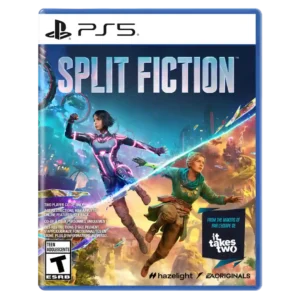
Split Fiction

Split Fiction

Overall score 4.2 / 5

Based on 27 scored reviews

vs
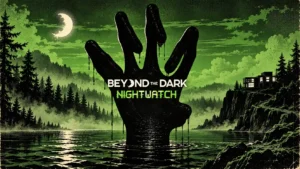
Beyond the Dark: Nightwatch

Beyond the Dark: Nightwatch

Overall score 3.5 / 5

Based on 6 scored reviews

How we score

Scorata scores summarize analyzed review evidence on a 1–5 scale; they are not laboratory measurements or a simple average of customer star ratings. Feature scores summarize the reviews covering that feature. The overall score averages feature scores within each review, then combines review averages. When both expert and customer evidence are available, those two groups receive equal weight. Products can have different review coverage, so small score gaps do not establish a winner.

Recommendations prioritize important features for the category, with a score of at least 3.5, a gap of at least 0.25 points and at least two supporting reviews per product. Features with widely varying scores or broad connectivity contexts are excluded from recommendations. These safeguards do not establish statistical significance.

Quick verdict

What each product is best for

The review evidence points to a tradeoff: pacing and difficulty balance versus originality and value for money. Choose according to which strengths matter more to you; the overall score alone does not settle that choice.

Choose Split Fiction for pacing and difficulty balance.

Choose Beyond the Dark: Nightwatch for originality and value for money.

Why these recommendations?

Split Fiction

Where It Has the Edge

  • pacing is 4.2 vs 1.7. Pacing was one of the most praised areas, though a minority felt certain ideas lingered too long or...
  • difficulty balance is 4.1 vs 1.7. Difficulty was seen as forgiving but more demanding than earlier Hazelight games, especially for casual or unseasoned partners.
  • couch co-op quality is 4.5 vs 2.3. Couch co-op quality was praised for local convenience and the way Hazelight supports shared-play experiences.

Beyond the Dark: Nightwatch

Where It Has the Edge

  • originality is 4.7 vs 4.4. The separate Explorer and Overseer perspectives give familiar haunted-house horror a fresh identity. Even critics who dislike the...
  • value for money is 4.3 vs 4.0. The roughly $20 or €20 price and one-purchase access for two players are attractive. The saving matters most...
  • emotional impact is 4.8 vs 4.5. The shared ordeal leaves a strong impression that lingers after play stops. One account finds it memorable enough...
Split Fiction 4.2 overall score
Beyond the Dark: Nightwatch 3.5 overall score

Compare features

Scores are out of 5. Missing scores mean missing review evidence, not a missing feature.

Scored on both products

Other features

Checkpoint system
Split Fiction
4.5

The checkpoint system was consistently praised for generosity, fast respawns, and reducing frustration.

Beyond the Dark: Nightwatch
1.5

The lack of more forgiving checkpoints makes setbacks harder to absorb. Repeating familiar sections after reaching somewhere new is particularly discouraging.

Pacing
Split Fiction
4.2

Pacing was one of the most praised areas, though a minority felt certain ideas lingered too long or were not flawless.

Beyond the Dark: Nightwatch
1.7

Long creature patrols and hiding periods interrupt investigation. Repeated attempts magnify those waits, and the final section can feel abrupt.

Difficulty balance
Split Fiction
4.1

Difficulty was seen as forgiving but more demanding than earlier Hazelight games, especially for casual or unseasoned partners.

Beyond the Dark: Nightwatch
1.7

The threat meter and aggressive creature can punish small mistakes before players understand the rules. Apparent randomness compounds the sense of unfairness.

Online stability
Split Fiction
4.3

Online stability was generally positive, with rare lag or strong latency reports.

Beyond the Dark: Nightwatch
2.0

A test-build crash affecting the remote partner ended the whole attempt and lost progress. The reviewer reports promised launch fixes rather than a verified retest.

Couch co-op quality
Split Fiction
4.5

Couch co-op quality was praised for local convenience and the way Hazelight supports shared-play experiences.

Beyond the Dark: Nightwatch
2.3

Separate systems add friction to local play, and watching the same TV can weaken the intended information gap. Keeping the viewpoints apart helps preserve the Overseer’s uncertainty.

Learning curve
Split Fiction
4.0

The learning curve was approachable for experienced players but could require adjustment for casual players.

Beyond the Dark: Nightwatch
2.0

The opening demands patience with unfamiliar rules and limited breathing room. Understanding eventually brings rewards for some, while others find the initial confusion too discouraging.

Onboarding experience
Split Fiction
3.4

Onboarding was praised for intuitive design but criticized on Switch 2 crossplay setup for poor in-game explanation.

Beyond the Dark: Nightwatch
1.7

Little guidance and early lethal pressure make the opening hard to settle into. One completed playthrough describes the first two hours as particularly painful.

Core gameplay loop
Split Fiction
4.5

The core loop was praised as gameplay-first, using its premise mainly to enable new co-op situations.

Beyond the Dark: Nightwatch
2.9

Repeated runs can become satisfying as the house and its systems start to make sense. Before that point, long hiding periods and familiar tasks may feel like a slog.

Frame rate stability
Split Fiction
4.0

Frame rate stability was platform-dependent: strong on most versions, but Switch 2 had noticeable dips in demanding moments.

Beyond the Dark: Nightwatch
2.5

The Overseer mode shows occasional frame-rate hiccups in one account. They affect a display central to the partnership.

Polish
Split Fiction
4.4

Polish was generally strong, though some reviewers mentioned rough gameplay stretches or platform-specific compromises.

Beyond the Dark: Nightwatch
3.3

A hands-on demo account reports no issues, while a completed test-build playthrough identifies rough edges that need adjustment. The impressions apply to different stages of the game’s development.

Co-op experience
Split Fiction
4.8

Co-op experience was the strongest consensus point, repeatedly described as excellent, accessible, communicative, and central to the fun.

Beyond the Dark: Nightwatch
3.7

At its best, the partnership produces memorable discoveries and frantic collaboration. Constant pursuit and repeated restarts can instead turn that teamwork into frustration.

Content variety
Split Fiction
4.8

Content variety was a major strength, especially side stories, genre shifts, and constantly changing mechanics.

Beyond the Dark: Nightwatch
4.0

Offices and kitchens sit alongside less ordinary spaces such as an aquarium and cinema. That variety helps sustain curiosity about the house.

Exploration quality
Split Fiction
2.2

Exploration was criticized where invisible walls and glitches undercut curiosity.

Beyond the Dark: Nightwatch
3.0

Learning rooms, routes, and secrets can be deeply rewarding. Unclear objectives and frequent pursuit can also leave exploration aimless or repeatedly interrupted.

Gameplay mechanics
Split Fiction
4.4

Reviewers broadly praised the constantly changing mechanics and strong moment-to-moment play, though a few found some actions forgettable or simple.

Beyond the Dark: Nightwatch
3.7

Asymmetric information is an appealing foundation for shared investigation. The promise is clearer than the consistency of the finished mechanics.

Fun factor
Split Fiction
4.7

Fun factor was consistently high, even among more critical reviewers.

Beyond the Dark: Nightwatch
4.0

Some accounts report an excellent time once the roles and rules click. Another finds the constant chasing too dominant to make the experience enjoyable.

Writing quality
Split Fiction
2.4

Writing quality was the most common weakness, with repeated complaints about dull characters, cliches, and amateurish story beats.

Beyond the Dark: Nightwatch
3.0

The restrained storytelling approach fits the investigation, though unclear direction and an abrupt payoff limit its satisfaction.

Bug frequency
Split Fiction
2.5

Bug frequency was low for some but notable in reviews citing glitches, snags, and a specific failed checkpoint interaction.

Beyond the Dark: Nightwatch
2.0

A test build produced two disruptive bugs, including a trapped creature. Launch fixes were promised to that reviewer, but that account does not establish their later effectiveness.

Environmental detail
Split Fiction
4.5

Environmental detail was praised for keeping varied worlds visually interesting.

Beyond the Dark: Nightwatch
4.0

Details in the rooms help create vulnerability and encourage cautious movement through the house.

Art direction
Split Fiction
4.6

Art direction was widely praised for striking worlds, scale, and strong creative environments, even on compromised hardware.

Beyond the Dark: Nightwatch
4.2

The retro aesthetic and contrasting viewpoints give the presentation a distinctive character. One account finds the style increasingly appealing over successive runs.

Graphics quality
Split Fiction
4.6

Graphics were usually praised as gorgeous or stunning, with Switch 2 visual compromises noted by one reviewer.

Beyond the Dark: Nightwatch
4.3

The visuals are clean and satisfactory rather than technically spectacular. Darkness and the narrow flashlight keep attention on the immediate experience.

Originality
Split Fiction
4.4

Originality was mixed: some called it audacious or original, while another argued it was polished more than new.

Beyond the Dark: Nightwatch
4.7

The separate Explorer and Overseer perspectives give familiar haunted-house horror a fresh identity. Even critics who dislike the execution praise the premise.

Emotional impact
Split Fiction
4.5

Emotional impact landed for several reviewers, especially through friendship themes and later character moments.

Beyond the Dark: Nightwatch
4.8

The shared ordeal leaves a strong impression that lingers after play stops. One account finds it memorable enough to recommend despite clear flaws.

Progression system
Split Fiction
3.0

Progression was intentionally minimal, with no score tracking or skill leveling, which some players may find limiting.

Beyond the Dark: Nightwatch
3.1

Progress relies heavily on what the pair learns rather than simply what they keep. That can make mastery rewarding, but retaining clues does not always compensate for replaying completed tasks.

Innovation
Split Fiction
4.8

Innovation was strongly praised through creative levels, final sequences, and inventive co-op design.

Beyond the Dark: Nightwatch
4.8

Communication becomes a tool for building shared knowledge, while GameShare delivers two different viewpoints. The combination feels inventive even when the underlying adventure falls short.

Narrative quality
Split Fiction
3.3

Narrative quality divided reviewers: some liked the human story and concept, while others found the plot predictable or forgettable.

Beyond the Dark: Nightwatch
3.3

Restrained environmental storytelling invites curiosity about the house. An abrupt conclusion and unresolved questions can leave the payoff feeling incomplete, even when they encourage another look.

Comfort and build

Puzzle design
Split Fiction
4.8

Puzzle design was consistently praised for co-op dependence, teamwork, and creativity, with only occasional simplicity noted.

Beyond the Dark: Nightwatch
3.3

Combining two perspectives makes investigation appealing in principle. Sparse direction, changing arrangements, and pressure from the creature can obstruct the satisfaction of solving things together.

Level design
Split Fiction
4.8

Level design stood out for memorable finales, strong set pieces, and mechanics that could sustain larger ideas.

Beyond the Dark: Nightwatch
4.5

The house rewards learning its rooms, secrets, and routes, with particularly warm praise for the substantial early areas. The last section does not sustain that satisfaction as convincingly.

World-building
Split Fiction
4.5

World-building was praised for immersive, explorable worlds built from the protagonists’ imaginations.

Beyond the Dark: Nightwatch
4.3

The house suggests a deeper history through its environment and scattered material. One enthusiastic account is particularly drawn to the sense of a larger universe beyond the escape.

Multiplayer design
Split Fiction
4.5

Multiplayer design was praised for fitting the exclusively co-op approach and supporting differing skill levels.

Beyond the Dark: Nightwatch
4.4

Distinct information gives both players a reason to participate, and flexible connection methods help bring a partner aboard. The design still depends heavily on finding someone willing to communicate.

Controls and connectivity

Voice acting
Split Fiction
3.4

Voice acting was mixed, with some praise for performances but criticism that delivery did not elevate weaker writing.

Beyond the Dark: Nightwatch
4.0

The introductory narration adds character to the presentation.

Performance

Soundtrack quality
Split Fiction
3.7

Soundtrack quality was mixed: some heard an upgrade or strong genre styling, while another found it forgettable.

Beyond the Dark: Nightwatch
4.3

The ambient score contributes to the dread and supports more dramatic moments without needing constant musical accompaniment.

Performance optimization
Split Fiction
4.8

Performance optimization was praised across several reviews, with smooth operation on consoles and strong overall polish.

Beyond the Dark: Nightwatch
4.5

The technical presentation earns praise for optimization, especially given the use of Unreal Engine and distinct viewpoints.

Ownership and support

Replay value
Split Fiction
3.8

Replay value was mixed: alternate characters and modes help, but some reviewers still saw it as a one-and-done game.

Beyond the Dark: Nightwatch
3.3

Replay appeal is divided between revisiting mysteries or switching roles and having little new to discover once solutions are known. Expectations depend on whether a second viewpoint is enough reason to return.

Value for money
Split Fiction
4.0

Value for money was helped by Friend’s Pass and sharing features, though one review noted it was shorter and more expensive than its predecessor.

Beyond the Dark: Nightwatch
4.3

The roughly $20 or €20 price and one-purchase access for two players are attractive. The saving matters most when both partners are willing to work through the game’s demanding structure.

Platform-specific feature support
Split Fiction
4.5

Platform-specific support stood out on Switch 2 through kickstand/tabletop play and Game Share functionality.

Beyond the Dark: Nightwatch
4.5

GameShare’s separate feeds are a standout use of the hardware. The two perspectives serve the central partnership rather than simply duplicating the host’s screen.

Evidence available for one product

Other features

Accessibility options
Split Fiction
3.7

Accessibility support was praised for options like damage reduction and checkpoint skipping, though one review encountered a failed QuickTime accessibility workaround.

Beyond the Dark: NightwatchNo score yet
AI behavior
Split FictionNo score yet
Beyond the Dark: Nightwatch
1.8

The creature’s pursuit and ability to pull players from hiding can feel arbitrary. Learning its behavior helps, but several accounts still find encounters unfair.

Animation quality
Split Fiction
4.5

Animation quality was praised in the technical review, especially for effective character animation.

Beyond the Dark: NightwatchNo score yet
Atmosphere
Split FictionNo score yet
Beyond the Dark: Nightwatch
4.2

An eerie house, darkness, and incomplete information consistently support the mood. The strongest praise goes to oppressive dread rather than elaborate spectacle.

Camera behavior
Split Fiction
3.8

Camera behavior was split between praise for clear tracking and complaints about awkward perspective shifts.

Beyond the Dark: NightwatchNo score yet
Character development
Split Fiction
4.5

Character development earned praise from reviewers who felt Mio and Zoe’s relationship and emotional growth paid off.

Beyond the Dark: NightwatchNo score yet
Co-op communication
Split FictionNo score yet
Beyond the Dark: Nightwatch
4.8

Talking is central to solving problems and staying alive. Describing rooms, comparing clues, and warning a partner create the strongest shared moments.

Co-op role balance
Split FictionNo score yet
Beyond the Dark: Nightwatch
3.8

Both roles hold essential information, but their workloads and agency differ. The Overseer can be busy managing feeds and inventory while still feeling short of direct ways to affect the house.

Collectibles
Split FictionNo score yet
Beyond the Dark: Nightwatch
4.5

Documents and small secrets make thorough searching worthwhile. They add interest to the house’s backstory and invite close inspection.

Combat system
Split Fiction
4.0

Combat was described positively when the game shifts into shooter and action-platforming sequences.

Beyond the Dark: NightwatchNo score yet
Content completeness
Split FictionNo score yet
Beyond the Dark: Nightwatch
2.5

The final section arrives too quickly for one completed playthrough. The reviewer wanted more in the vein of the first two areas.

Crash stability
Split FictionNo score yet
Beyond the Dark: Nightwatch
1.5

In one test build, viewing cameras in the second level crashed the second player’s game. Workarounds changed how the pair experienced a substantial part of the adventure.

Death mechanics
Split FictionNo score yet
Beyond the Dark: Nightwatch
2.3

Death preserves useful knowledge but forces substantial repetition. One account finds the next attempt motivating, while others find the loss of progress disruptive and discouraging.

Dialogue quality
Split Fiction
2.8

Dialogue drew mixed responses, ranging from thoughtful and believable to painfully uninspired or full of cliches.

Beyond the Dark: NightwatchNo score yet
Economy and resource balance
Split FictionNo score yet
Beyond the Dark: Nightwatch
4.0

Diverting danger can cost a surveillance camera for the rest of the attempt. That tradeoff gives immediate safety a meaningful information cost.

Facial animations
Split Fiction
4.5

Facial animation/lip sync received specific praise from one reviewer.

Beyond the Dark: NightwatchNo score yet
Family friendliness
Split Fiction
4.0

Family friendliness was supported by forgiving co-op design that can work across different skill levels.

Beyond the Dark: NightwatchNo score yet
Flying mechanics
Split Fiction
2.8

Flying was more divisive, with reviewers citing some early flying sections and dragon flight as weaker or imprecise.

Beyond the Dark: NightwatchNo score yet
Game length
Split FictionNo score yet
Beyond the Dark: Nightwatch
4.0

One completed playthrough finds the length well suited to several evenings. The ending still feels shorter than desired.

Handheld play suitability
Split Fiction
4.5

Handheld play suitability was praised for portable convenience despite technical tradeoffs.

Beyond the Dark: NightwatchNo score yet
Horror tension
Split FictionNo score yet
Beyond the Dark: Nightwatch
3.4

Separated viewpoints can turn incomplete information into powerful dread. Reactions range from genuine terror to mild scares or irritation at relentless chasing.

Immersion
Split FictionNo score yet
Beyond the Dark: Nightwatch
5.0

Sound draws players into the house quickly, while repeated exploration can make its rooms feel deeply familiar. Growing command of the space becomes a reward of its own.

Inventory management
Split FictionNo score yet
Beyond the Dark: Nightwatch
4.0

Assigning inventory management to the Overseer is praised as a clever way to make the roles depend on each other. Its unfamiliar logic can initially catch players out.

Lore depth
Split FictionNo score yet
Beyond the Dark: Nightwatch
4.5

The house’s backstory is praised as deep and carefully developed. Collecting documents adds substance to the mystery.

Matchmaking quality
Split Fiction
3.0

Matchmaking quality was limited because finding a partner could still be a challenge.

Beyond the Dark: NightwatchNo score yet
Mission variety
Split Fiction
3.9

Mission variety was strong overall, but a few sci-fi sections were called less memorable.

Beyond the Dark: NightwatchNo score yet
Movement feel
Split Fiction
4.5

Movement received strong praise for added weight, consistency, and approachability.

Beyond the Dark: NightwatchNo score yet
Overall quality
Split FictionNo score yet
Beyond the Dark: Nightwatch
3.7

A memorable cooperative idea divides opinion on execution. Enthusiastic accounts value discovery and shared mastery, while critical ones find the punishment and repetition overpower the concept.

Platforming precision
Split Fiction
4.5

Platforming was repeatedly called precise and immediately satisfying.

Beyond the Dark: NightwatchNo score yet
Side character depth
Split Fiction
2.3

Side character depth was weak, especially around the one-dimensional CEO/villain.

Beyond the Dark: NightwatchNo score yet
Split-screen quality
Split Fiction
4.2

Split-screen quality was useful for coordination, though small handheld details could still be harder to read.

Beyond the Dark: NightwatchNo score yet
Stealth mechanics
Split FictionNo score yet
Beyond the Dark: Nightwatch
2.5

Noise management and hiding can take time to understand. Several accounts find the rules or threat escalation too punishing, especially when a hiding place does not feel reliably safe.

Survival mechanics
Split FictionNo score yet
Beyond the Dark: Nightwatch
2.3

Decoys offer a useful way to redirect the creature. More critical accounts find the escalating threat difficult to recover from and too harsh on small mistakes.

Tutorial quality
Split FictionNo score yet
Beyond the Dark: Nightwatch
1.5

The available handbook offers little practical help when pursuit can begin before there is time to read it. Learning under immediate threat is a major obstacle.

Visual effects quality
Split FictionNo score yet
Beyond the Dark: Nightwatch
2.0

Strong color effects on surveillance feeds can become uncomfortable to watch. That drawback matters because the Overseer relies on that display throughout play.

World interactivity
Split Fiction
2.5

World interactivity was limited because some props amused briefly but did not reward or advance players.

Beyond the Dark: NightwatchNo score yet

Controls and connectivity

Age appropriateness
Split Fiction
4.0

Age appropriateness was considered fitting for a Teen rating, with some language and blood but nothing gratuitous.

Beyond the Dark: NightwatchNo score yet
Controls responsiveness
Split Fiction
4.5

Controls were generally seen as responsive and intuitive, with one Switch 2 local controller setup working without issue.

Beyond the Dark: NightwatchNo score yet
Protagonist appeal
Split Fiction
2.8

Protagonist appeal was mixed because several reviewers needed time to warm up to Mio and Zoe, or never found them interesting.

Beyond the Dark: NightwatchNo score yet

Comfort and build

Boss design
Split Fiction
4.2

Boss design was often praised for imagination and spectacle, with some caveats around daunting or repeated patterns.

Beyond the Dark: NightwatchNo score yet
Enemy design
Split FictionNo score yet
Beyond the Dark: Nightwatch
4.0

The partly understood creature is praised as a compelling horror concept, letting uncertainty do some of the work.

Map and navigation design
Split FictionNo score yet
Beyond the Dark: Nightwatch
2.0

Very dark passages can make navigation feel like following walls by touch. Mood sometimes comes at the expense of reading the space clearly.

Quest design
Split Fiction
4.5

Side-story quests were considered worthwhile and rewarding to find.

Beyond the Dark: NightwatchNo score yet
Sound design
Split FictionNo score yet
Beyond the Dark: Nightwatch
4.8

Ambient noises, footsteps, silence, and the creature’s vocalisations create unease and help communicate danger. Sound becomes especially effective while partners exchange uncertain information.

Ownership and support

Cross-play support
Split Fiction
4.5

Cross-play support was praised as player-friendly and helpful for Friend’s Pass co-op.

Beyond the Dark: NightwatchNo score yet
Cross-save support
Split Fiction
4.5

Cross-save/progression support was praised where non-host progression carried over.

Beyond the Dark: NightwatchNo score yet

Other Top Video Games to Consider

#1 Well Dweller
4.7

Best for fluid traversal, rewarding exploration, striking art, and forgiving quality-of-life features. Skip it if you want deep combat, radical genre innovation, or consistently demanding bosses.

Pros: difficulty balance, boss design

Cons: innovation, sandbox freedom

#2 Hades II
4.5

Best for superb combat, inventive builds, and richly voiced characters. Skip it if repeated runs, resource gathering, or visually busy battles outweigh the appeal of steady progress.

Pros: overall quality, combat system

Cons: pacing, grind level

#3 Valheim
4.5

Good if you want a beautiful, demanding survival sandbox built around exploration, building, progression, and memorable co-op. Skip it if long resource runs, harsh death recovery, and deliberate pacing sound...

Pros: town-building system, exploration quality

Cons: grind level, fast travel convenience

#4 Clair Obscur: Expedition 33
4.5

Choose Clair Obscur if you want a story-rich RPG with thrilling timed combat, gorgeous art, and standout music. Skip it if poor maps, tight parry timing, or occasional bugs and...

Pros: narrative quality, combat system

Cons: map and navigation design, menu usability