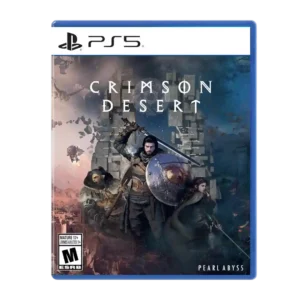
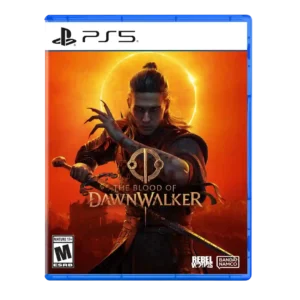
Compare Crimson Desert vs The Blood of Dawnwalker

Crimson Desert

Crimson Desert

Overall score 3.5 / 5

Based on 20 scored reviews

vs
The Blood of Dawnwalker

The Blood of Dawnwalker

Overall score 4.0 / 5

Based on 78 scored reviews

How we score

Scorata scores summarize analyzed review evidence on a 1–5 scale; they are not laboratory measurements or a simple average of customer star ratings. Feature scores summarize the reviews covering that feature. The overall score averages feature scores within each review, then combines review averages. When both expert and customer evidence are available, those two groups receive equal weight. Products can have different review coverage, so small score gaps do not establish a winner.

Recommendations prioritize important features for the category, with a score of at least 3.5, a gap of at least 0.25 points and at least two supporting reviews per product. Features with widely varying scores or broad connectivity contexts are excluded from recommendations. These safeguards do not establish statistical significance.

Quick verdict

What each product is best for

The review evidence points to a tradeoff: content variety and world interactivity versus narrative quality and protagonist appeal. Choose according to which strengths matter more to you; the overall score alone does not settle that choice.

Choose Crimson Desert for content variety and world interactivity.

Choose The Blood of Dawnwalker for narrative quality and protagonist appeal.

Why these recommendations?

Crimson Desert

Where It Has the Edge

  • content variety is 4.6 vs 2.4. Reviewer evidence is strongly positive: content variety was repeatedly praised as a standout strength across 9 review(s).
  • world interactivity is 4.8 vs 4.5. Reviewer evidence is strongly positive: world interactivity was repeatedly praised as a standout strength across 5 review(s).
  • sandbox freedom is 4.6 vs 4.3. Reviewer evidence is strongly positive: sandbox freedom was repeatedly praised as a standout strength across 4 review(s).

The Blood of Dawnwalker

Where It Has the Edge

  • narrative quality is 4.7 vs 2.0. The story is the game’s most dependable strength, with a strong vampire premise, family stakes, branching outcomes, and...
  • protagonist appeal is 4.7 vs 2.0. Coen is generally seen as a strong lead whose youth, family ties, and human-vampire conflict make him easy...
  • grind level is 3.8 vs 1.7. Progression generally avoids forcing long grinding sessions, though players can choose to spend time farming experience or abilities....
Crimson Desert 3.5 overall score
The Blood of Dawnwalker 4.0 overall score

Compare features

Scores are out of 5. Missing scores mean missing review evidence, not a missing feature.

Scored on both products

Other features

Dialogue quality
Crimson Desert
1.5

Reviewer evidence is strongly negative: dialogue quality was consistently framed as a major weakness across 1 review(s).

The Blood of Dawnwalker
4.8

Dialogue is consistently praised for strong writing, moral ambiguity, and meaningful choices. Conversations often carry real consequences rather than functioning as filler between combat encounters.

Narrative quality
Crimson Desert
2.0

Reviewer evidence is strongly negative: narrative quality was consistently framed as a major weakness across 11 review(s).

The Blood of Dawnwalker
4.7

The story is the game’s most dependable strength, with a strong vampire premise, family stakes, branching outcomes, and morally complicated situations. The narrative often remains compelling even when combat or performance falters.

Fast travel convenience
Crimson Desert
2.3

Reviewer evidence is negative or mixed: fast travel convenience was often criticized, even where some reviewers found redeeming moments across 3 review(s).

The Blood of Dawnwalker
5.0

Fast travel is praised as an effective way to move between key locations and avoid unnecessary traversal. It helps the compact world stay manageable when time and objectives matter.

Lore depth
Crimson Desert
2.0

Reviewer evidence is negative or mixed: lore depth was often criticized, even where some reviewers found redeeming moments across 1 review(s).

The Blood of Dawnwalker
4.6

Vale Sangora has rich folklore, character histories, hidden storylines, and regional vampire mythology. Optional exploration and side quests often reveal the most interesting background material.

Loot system
Crimson Desert
4.3

Reviewer evidence is positive: loot system was generally praised, though some notes were more qualified across 3 review(s).

The Blood of Dawnwalker
2.0

Some open-world rewards are criticized as forgettable equipment and crafting clutter. That weakens the incentive to spend limited in-game time clearing lower-value activities.

Content variety
Crimson Desert
4.6

Reviewer evidence is strongly positive: content variety was repeatedly praised as a standout strength across 9 review(s).

The Blood of Dawnwalker
2.4

The day/night split and branching quests add meaningful variation, but repeated enemy encounters, camps, and familiar combat-heavy activities become a common complaint. Variety is strongest in narrative situations rather than routine open-world tasks.

Grind level
Crimson Desert
1.7

Reviewer evidence is strongly negative: grind level was consistently framed as a major weakness across 3 review(s).

The Blood of Dawnwalker
3.8

Progression generally avoids forcing long grinding sessions, though players can choose to spend time farming experience or abilities. The time system discourages excessive grinding by making many improvements compete with story priorities.

Onboarding experience
Crimson Desert
2.5

Reviewer evidence is negative or mixed: onboarding experience was often criticized, even where some reviewers found redeeming moments across 3 review(s).

The Blood of Dawnwalker
4.6

The prologue is widely praised for establishing Coen, the world, and the stakes, though a few previews found its earliest errands conventional. Its consequences quickly turn familiar tutorial tasks into something more distinctive.

Animation quality
Crimson Desert
5.0

Reviewer evidence is strongly positive: animation quality was repeatedly praised as a standout strength across 2 review(s).

The Blood of Dawnwalker
3.1

Animation quality is uneven, pairing major improvements and sharp moments with lingering stiffness, awkward transitions, and rough character motion.

Stealth mechanics
Crimson Desert
1.0

Reviewer evidence is strongly negative: stealth mechanics was consistently framed as a major weakness across 1 review(s).

The Blood of Dawnwalker
2.8

Stealth is inconsistent: vampire movement can enable sneaking and infiltration, but conventional stealth systems can feel thin or effectively absent.

Skill tree depth
Crimson Desert
4.5

Reviewer evidence is strongly positive: skill tree depth was repeatedly praised as a standout strength across 7 review(s).

The Blood of Dawnwalker
2.7

The three skill paths offer useful powers but mixed buildcraft depth. Specializing between swordplay, magic, and vampirism can be rewarding, yet the trees can also feel shallow or constrained.

Art direction
Crimson Desert
3.0

Reviewer evidence is mixed: art direction drew both praise and caveats across 1 review(s).

The Blood of Dawnwalker
4.8

The visual style earns strong praise for its gothic, dark-fantasy identity. The art direction helps Vale Sangora feel distinctive even when technical presentation is inconsistent.

Mission variety
Crimson Desert
3.8

Reviewer evidence is positive: mission variety was generally praised, though some notes were more qualified across 4 review(s).

The Blood of Dawnwalker
2.0

Some recurring activities and open-world tasks become repetitive enough that players may prefer to skip them and focus on richer questlines.

Character roster
Crimson Desert
3.2

Reviewer evidence is mixed: character roster drew both praise and caveats across 3 review(s).

The Blood of Dawnwalker
4.8

The cast is a major strength, with memorable allies and villains giving the wider story emotional and narrative weight. Side characters are repeatedly described as charming, layered, or worth following.

Writing quality
Crimson Desert
3.3

Reviewer evidence is mixed: writing quality drew both praise and caveats across 2 review(s).

The Blood of Dawnwalker
4.7

Writing is one of the strongest areas, combining moral ambiguity, layered characters, serious themes, and memorable questlines. It frequently carries the experience through weaker combat or technical stretches.

Upgrade system
Crimson Desert
2.5

Reviewer evidence is negative or mixed: upgrade system was often criticized, even where some reviewers found redeeming moments across 1 review(s).

The Blood of Dawnwalker
3.8

Upgrades can feel rewarding when they meaningfully strengthen abilities or legendary gear, but requiring specific manuals alongside skill points adds friction for some players.

Emotional impact
Crimson Desert
3.3

Reviewer evidence is mixed: emotional impact drew both praise and caveats across 3 review(s).

The Blood of Dawnwalker
4.6

Family stakes, difficult choices, and character-driven side stories give the game substantial emotional weight. Key quests can be genuinely moving while forcing painful decisions about who can be saved.

Tutorial quality
Crimson Desert
3.2

Reviewer evidence is mixed: tutorial quality drew both praise and caveats across 5 review(s).

The Blood of Dawnwalker
2.0

The game can fail to explain basic mechanics clearly, including important weapon-switching controls. That makes early learning more frustrating than necessary.

Immersion
Crimson Desert
3.8

Reviewer evidence is positive: immersion was generally praised, though some notes were more qualified across 3 review(s).

The Blood of Dawnwalker
5.0

The game can be highly immersive when choices, difficulty, and role-playing pressures make the player think from Coen’s perspective. Reactive situations make moral decisions feel tied to the world rather than abstract menu choices.

Pacing
Crimson Desert
2.3

Reviewer evidence is negative or mixed: pacing was often criticized, even where some reviewers found redeeming moments across 2 review(s).

The Blood of Dawnwalker
3.4

Pacing is uneven: the time system can keep decisions moving and maintain momentum, while slow-blooming progression and combat-heavy late sections can drag.

Frame rate stability
Crimson Desert
4.1

Reviewer evidence is positive: frame rate stability was generally praised, though some notes were more qualified across 7 review(s).

The Blood of Dawnwalker
3.1

Frame-rate impressions vary by hardware and patch level. The 60 fps modes improve the experience, but console play can still show dips, stutter, or inconsistency, particularly in combat and busy areas.

Load times
Crimson Desert
3.0

Reviewer evidence is mixed: load times drew both praise and caveats across 1 review(s).

The Blood of Dawnwalker
2.0

Loading can run longer than expected on console, interrupting an otherwise fairly focused flow between exploration and combat.

Weapon balance
Crimson Desert
3.0

Reviewer evidence is mixed: weapon balance drew both praise and caveats across 3 review(s).

The Blood of Dawnwalker
2.0

Weapon choice is narrow, with the sword dominating because alternatives such as clubs offer negligible damage or effects. Players looking for broad weapon-build variety may be disappointed.

Enemy variety
Crimson Desert
3.3

Reviewer evidence is mixed: enemy variety drew both praise and caveats across 2 review(s).

The Blood of Dawnwalker
2.3

Enemy variety is one of the most repeated weaknesses. Familiar humans, beasts, and supernatural foes recur so often that patterns become easy to read and late-game fighting can feel stale.

Side character depth
Crimson Desert
4.0

Reviewer evidence is positive: side character depth was generally praised, though some notes were more qualified across 2 review(s).

The Blood of Dawnwalker
4.9

Side characters are consistently multi-faceted and memorable, with personal histories and questlines that enrich the central story. Several supporting characters become major reasons to explore beyond the main objective.

Core gameplay loop
Crimson Desert
2.5

Reviewer evidence is negative or mixed: core gameplay loop was often criticized, even where some reviewers found redeeming moments across 1 review(s).

The Blood of Dawnwalker
3.4

The choice-driven day/night loop is compelling in concept and sometimes excellent in practice, but several finished-game impressions say repetition keeps its systems from fully cohering. Its appeal depends heavily on how much the player enjoys time management and quest prioritization.

Facial animations
Crimson Desert
2.0

Reviewer evidence is negative or mixed: facial animations was often criticized, even where some reviewers found redeeming moments across 1 review(s).

The Blood of Dawnwalker
2.8

Facial animation quality is inconsistent. Some characters are expressive, while others show uncanny or rough expressions that stand out against otherwise strong presentation.

Crafting system
Crimson Desert
2.8

Reviewer evidence is negative or mixed: crafting system was often criticized, even where some reviewers found redeeming moments across 4 review(s).

The Blood of Dawnwalker
2.0

Crafting sits among several resource systems that do not always feel purposeful enough to justify their presence. It can come across as open-world scaffolding rather than a core draw.

Graphics quality
Crimson Desert
4.6

Reviewer evidence is strongly positive: graphics quality was repeatedly praised as a standout strength across 15 review(s).

The Blood of Dawnwalker
4.0

Vale Sangora can look striking, particularly at night, with strong lighting and detailed environments. Soft image quality, pop-in, flicker, and other console artifacts prevent the visuals from being uniformly impressive.

Environmental detail
Crimson Desert
4.2

Reviewer evidence is positive: environmental detail was generally praised, though some notes were more qualified across 3 review(s).

The Blood of Dawnwalker
4.7

Gothic architecture, foliage, villages, ruins, and regional detail receive strong praise. Even within a relatively compact valley, the environments communicate a convincing medieval Carpathian identity.

Learning curve
Crimson Desert
2.5

Reviewer evidence is negative or mixed: learning curve was often criticized, even where some reviewers found redeeming moments across 2 review(s).

The Blood of Dawnwalker
2.0

Directional combat and its overlapping systems can look complicated to learn, particularly without assistive indicators. Players willing to master timing and attack directions may find the payoff worthwhile.

Polish
Crimson Desert
2.8

Reviewer evidence is negative or mixed: polish was often criticized, even where some reviewers found redeeming moments across 9 review(s).

The Blood of Dawnwalker
2.3

Technical and animation jank is widespread enough to be a recurring caveat. The game can feel polished in stretches, but its ambitious systems still show rough edges.

Originality
Crimson Desert
4.3

Reviewer evidence is positive: originality was generally praised, though some notes were more qualified across 2 review(s).

The Blood of Dawnwalker
4.7

The narrative sandbox, time-as-resource structure, and human-by-day/vampire-by-night identity give the game a fresh hook. Familiar Witcher-like DNA remains visible, but the combined systems create a distinct role-playing structure.

Combat system
Crimson Desert
4.2

Reviewer evidence is positive: combat system was generally praised, though some notes were more qualified across 17 review(s).

The Blood of Dawnwalker
3.9

Directional blocking and parrying can feel satisfying, deliberate, and powerful once learned, especially at night. Opinions split sharply because repetition, camera trouble, enemy sponginess, and limited variety can make later combat feel laborious.

Crash stability
Crimson Desert
2.5

Reviewer evidence is negative or mixed: crash stability was often criticized, even where some reviewers found redeeming moments across 2 review(s).

The Blood of Dawnwalker
2.8

Crash experiences vary significantly by platform and build. Some players report none or only one, while others encountered repeated hard crashes, including late-game incidents that forced replaying fights or scenes.

World interactivity
Crimson Desert
4.8

Reviewer evidence is strongly positive: world interactivity was repeatedly praised as a standout strength across 5 review(s).

The Blood of Dawnwalker
4.5

The world reacts meaningfully through systems such as infamy, escalating patrols, prices, and other consequences. That responsiveness helps actions feel visible beyond individual quests.

Atmosphere
Crimson Desert
4.5

Reviewer evidence is strongly positive: atmosphere was repeatedly praised as a standout strength across 1 review(s).

The Blood of Dawnwalker
4.8

The game’s gothic medieval atmosphere is one of its clearest strengths, combining oppressive villages, vampire imagery, lighting, folklore, and music into a memorable sense of place.

Exploration quality
Crimson Desert
4.3

Reviewer evidence is positive: exploration quality was generally praised, though some notes were more qualified across 8 review(s).

The Blood of Dawnwalker
4.5

Exploration is rewarding when it reveals hidden quests, lore, ruins, gear, or routes opened by vampire powers. The compact world and supernatural traversal encourage curiosity without requiring constant time expenditure.

Sandbox freedom
Crimson Desert
4.6

Reviewer evidence is strongly positive: sandbox freedom was repeatedly praised as a standout strength across 4 review(s).

The Blood of Dawnwalker
4.3

Players have substantial freedom to choose priorities, approach quests in different forms, ignore major objectives, or even challenge endgame threats early. That openness is central to the game’s role-playing identity.

Movement feel
Crimson Desert
3.3

Reviewer evidence is mixed: movement feel drew both praise and caveats across 3 review(s).

The Blood of Dawnwalker
3.6

Movement is exciting when vampire powers enable fast, supernatural traversal, but climbing transitions, combat movement, and tight spaces can feel awkward or janky. The result is expressive mobility with noticeable rough edges.

Camera behavior
Crimson Desert
2.5

Reviewer evidence is negative or mixed: camera behavior was often criticized, even where some reviewers found redeeming moments across 2 review(s).

The Blood of Dawnwalker
2.7

Camera and lock-on behavior are a recurring frustration in combat, especially when switching targets or fighting groups. One preview noted substantial improvement, but finished-game impressions still report erratic targeting.

Difficulty balance
Crimson Desert
3.1

Reviewer evidence is mixed: difficulty balance drew both praise and caveats across 5 review(s).

The Blood of Dawnwalker
2.9

Difficulty is mixed: some praise a well-shaped curve and adjustable options, while others criticize spongey enemies and difficulty increases that mainly lengthen fights. Lower settings can make combat flow more enjoyably for players focused on story.

Bug frequency
Crimson Desert
2.4

Reviewer evidence is negative or mixed: bug frequency was often criticized, even where some reviewers found redeeming moments across 6 review(s).

The Blood of Dawnwalker
2.3

Minor bugs are common enough to be noticeable, including clipping, disappearing bodies, visual glitches, and other rough edges. They rarely erase the game’s strengths, but they repeatedly weaken polish.

Fun factor
Crimson Desert
4.1

Reviewer evidence is positive: fun factor was generally praised, though some notes were more qualified across 6 review(s).

The Blood of Dawnwalker
4.0

The game is broadly enjoyable when its story choices, vampire powers, exploration, and combat systems click. Repetition and technical friction can turn stretches of the experience into a chore for less patient players.

Progression system
Crimson Desert
4.3

Reviewer evidence is positive: progression system was generally praised, though some notes were more qualified across 5 review(s).

The Blood of Dawnwalker
4.4

Progression is rewarding when new perks and powers materially expand combat or traversal, and the day/night split encourages specialization. Some players dislike how skill learning also consumes scarce in-game time.

Controls and connectivity

Protagonist appeal
Crimson Desert
2.0

Reviewer evidence is negative or mixed: protagonist appeal was often criticized, even where some reviewers found redeeming moments across 5 review(s).

The Blood of Dawnwalker
4.7

Coen is generally seen as a strong lead whose youth, family ties, and human-vampire conflict make him easy to invest in. His moral tension gives choices more personality than a blank-slate protagonist would.

Menu usability
Crimson Desert
2.1

Reviewer evidence is negative or mixed: menu usability was often criticized, even where some reviewers found redeeming moments across 6 review(s).

The Blood of Dawnwalker
4.0

Inventory sorting is a welcome quality-of-life improvement and makes item management easier, even though other interface interactions can still be unreliable.

Voice acting
Crimson Desert
4.7

Reviewer evidence is strongly positive: voice acting was repeatedly praised as a standout strength across 5 review(s).

The Blood of Dawnwalker
4.9

Voice performances are one of the most consistently praised presentation elements, giving the cast personality and strengthening emotionally charged scenes.

Controls responsiveness
Crimson Desert
2.0

Reviewer evidence is negative or mixed: controls responsiveness was often criticized, even where some reviewers found redeeming moments across 11 review(s).

The Blood of Dawnwalker
2.0

Controller input can become unreliable in menus and shops, including moments where button presses stop registering. That makes otherwise simple interactions unnecessarily frustrating.

Comfort and build

Mission design
Crimson Desert
2.3

Reviewer evidence is negative or mixed: mission design was often criticized, even where some reviewers found redeeming moments across 6 review(s).

The Blood of Dawnwalker
4.5

The strongest missions tie personal stakes, exploration, and meaningful choices together rather than functioning as isolated errands. Even familiar objectives can gain weight from their consequences.

Puzzle design
Crimson Desert
2.9

Reviewer evidence is negative or mixed: puzzle design was often criticized, even where some reviewers found redeeming moments across 9 review(s).

The Blood of Dawnwalker
5.0

Exploration-focused puzzle content earns strong praise when the game steps away from combat and lets environmental problem-solving take the lead.

Boss design
Crimson Desert
2.7

Reviewer evidence is negative or mixed: boss design was often criticized, even where some reviewers found redeeming moments across 8 review(s).

The Blood of Dawnwalker
4.8

The bosses that stand out are praised as enjoyable, distinctive fights that demand use of Coen’s broader toolkit. The limited comments here are strongly positive.

World-building
Crimson Desert
3.5

Reviewer evidence is mixed: world-building drew both praise and caveats across 4 review(s).

The Blood of Dawnwalker
4.6

Vale Sangora is praised for cohesive history, social tension, religion, folklore, and vampire rule. Its relatively small scale helps locations and conflicts feel connected rather than scattered.

Sound design
Crimson Desert
4.0

Reviewer evidence is positive: sound design was generally praised, though some notes were more qualified across 1 review(s).

The Blood of Dawnwalker
5.0

Audio is a clear strength, with impactful combat sounds and haunting musical textures reinforcing the game’s dark-fantasy mood.

Quest design
Crimson Desert
3.9

Reviewer evidence is positive: quest design was generally praised, though some notes were more qualified across 4 review(s).

The Blood of Dawnwalker
4.6

Quest design is a standout strength, especially when side stories intersect with the main conflict and choices alter later outcomes. The best quests are repeatedly placed among the game’s strongest RPG content.

Level design
Crimson Desert
5.0

Reviewer evidence is strongly positive: level design was repeatedly praised as a standout strength across 1 review(s).

The Blood of Dawnwalker
4.5

Vampire traversal hints at strong vertical level design, with teleportation, wall-walking, and alternate routes opening spaces in ways ordinary movement cannot.

Open-world design
Crimson Desert
4.7

Reviewer evidence is strongly positive: open-world design was repeatedly praised as a standout strength across 9 review(s).

The Blood of Dawnwalker
4.3

The smaller, focused Vale Sangora is often preferred to a bloated map, with quests and locations tied closely to the central conflict. Repetitive camps and icon-driven activities occasionally pull it back toward conventional open-world design.

Map and navigation design
Crimson Desert
4.5

Reviewer evidence is strongly positive: map and navigation design was repeatedly praised as a standout strength across 1 review(s).

The Blood of Dawnwalker
4.5

Traversal abilities make navigation more interesting by changing how structures and routes work after dark. The day/night shift gives environmental navigation a role-playing purpose beyond simple map traversal.

User interface design
Crimson Desert
2.0

Reviewer evidence is negative or mixed: user interface design was often criticized, even where some reviewers found redeeming moments across 1 review(s).

The Blood of Dawnwalker
2.0

The interface has practical usability problems on console, including moments when buttons fail to register in menus or shops.

Ownership and support

Save system reliability
Crimson Desert
1.3

Reviewer evidence is strongly negative: save system reliability was consistently framed as a major weakness across 2 review(s).

The Blood of Dawnwalker
3.5

Frequent autosaves and manual saving usually limit the damage from technical problems, though at least one crash caused significant lost progress after a difficult boss.

Platform-specific feature support
Crimson Desert
3.7

Reviewer evidence is mixed: platform-specific feature support drew both praise and caveats across 3 review(s).

The Blood of Dawnwalker
2.0

Console-specific presentation is limited by missing HDR support and visual quirks such as flicker and draw-distance problems. Platform features do not feel fully exploited.

Value for money
Crimson Desert
3.6

Reviewer evidence is mixed: value for money drew both praise and caveats across 4 review(s).

The Blood of Dawnwalker
2.8

Value is disputed. Some see a rich story and focused open world as worth the asking price, while others consider the rough console build and repetitive combat a difficult sell at full price.

Replay value
Crimson Desert
5.0

Reviewer evidence is strongly positive: replay value was repeatedly praised as a standout strength across 2 review(s).

The Blood of Dawnwalker
4.8

Branching choices, missed content, multiple endings, and the 30-day structure strongly encourage another run. New Game Plus is absent, limiting carryover even though a different second playthrough remains highly appealing.

Performance

Performance optimization
Crimson Desert
4.3

Reviewer evidence is positive: performance optimization was generally praised, though some notes were more qualified across 9 review(s).

The Blood of Dawnwalker
2.2

Optimization is one of the largest technical concerns, especially on consoles. Patches and performance modes help, but soft visuals, frame dips, stutter, crashes, and other issues suggest the launch build needed more refinement.

Soundtrack quality
Crimson Desert
5.0

Reviewer evidence is strongly positive: soundtrack quality was repeatedly praised as a standout strength across 2 review(s).

The Blood of Dawnwalker
5.0

The score earns near-universal praise for heightening tension, exploration, and dramatic scenes. Its choral and folk-inflected sound is repeatedly singled out as a major presentation strength.

Evidence available for one product

Other features

Accessibility options
Crimson DesertNo score yet
The Blood of Dawnwalker
2.0

Accessibility support is described as limited. Players who depend on a broad suite of assistive settings may find the available options insufficient.

AI behavior
Crimson DesertNo score yet
The Blood of Dawnwalker
4.5

Enemy behavior is generally capable and improved over earlier showings, with foes reacting intelligently enough to punish predictable play. It is one of the areas that appears to have benefited from late development polish.

Aiming precision
Crimson Desert
2.0

Reviewer evidence is negative or mixed: aiming precision was often criticized, even where some reviewers found redeeming moments across 1 review(s).

The Blood of DawnwalkerNo score yet
Character development
Crimson Desert
1.7

Reviewer evidence is strongly negative: character development was consistently framed as a major weakness across 3 review(s).

The Blood of DawnwalkerNo score yet
Checkpoint system
Crimson Desert
2.0

Reviewer evidence is negative or mixed: checkpoint system was often criticized, even where some reviewers found redeeming moments across 1 review(s).

The Blood of DawnwalkerNo score yet
Choice impact
Crimson DesertNo score yet
The Blood of Dawnwalker
4.6

Choices meaningfully reshape quests, relationships, available characters, outcomes, and sometimes entire storylines. The game is unusually willing to let inaction, failure, or vampiric hunger produce lasting consequences.

Companion AI
Crimson Desert
4.0

Reviewer evidence is positive: companion AI was generally praised, though some notes were more qualified across 1 review(s).

The Blood of DawnwalkerNo score yet
Economy and resource balance
Crimson Desert
3.3

Reviewer evidence is mixed: economy and resource balance drew both praise and caveats across 3 review(s).

The Blood of DawnwalkerNo score yet
Endgame content
Crimson Desert
1.5

Reviewer evidence is strongly negative: endgame content was consistently framed as a major weakness across 1 review(s).

The Blood of DawnwalkerNo score yet
Flying mechanics
Crimson Desert
4.8

Reviewer evidence is strongly positive: flying mechanics was repeatedly praised as a standout strength across 2 review(s).

The Blood of DawnwalkerNo score yet
Gameplay mechanics
Crimson Desert
3.5

Reviewer evidence is mixed: gameplay mechanics drew both praise and caveats across 2 review(s).

The Blood of DawnwalkerNo score yet
Handheld play suitability
Crimson Desert
4.0

Reviewer evidence is positive: handheld play suitability was generally praised, though some notes were more qualified across 1 review(s).

The Blood of DawnwalkerNo score yet
Haptic feedback integration
Crimson DesertNo score yet
The Blood of Dawnwalker
1.0

DualSense implementation is notably barebones, with standard rumble and light-bar feedback but little use of the controller’s more distinctive features.

Horror tension
Crimson DesertNo score yet
The Blood of Dawnwalker
4.8

The vampire imagery and threat can be genuinely frightening, while the tragic side of vampirism gives the horror more than simple gore. The strongest moments use restraint and consequence to sustain tension.

Innovation
Crimson Desert
5.0

Reviewer evidence is strongly positive: innovation was repeatedly praised as a standout strength across 1 review(s).

The Blood of DawnwalkerNo score yet
Platforming precision
Crimson Desert
2.5

Reviewer evidence is negative or mixed: platforming precision was often criticized, even where some reviewers found redeeming moments across 1 review(s).

The Blood of DawnwalkerNo score yet
Romance quality
Crimson DesertNo score yet
The Blood of Dawnwalker
3.3

Romance lands unevenly. Some relationships feel shallow and underdeveloped, while others grow naturally from shared stakes rather than feeling bolted onto the main quest.

Visual effects quality
Crimson Desert
3.0

Reviewer evidence is mixed: visual effects quality drew both praise and caveats across 1 review(s).

The Blood of DawnwalkerNo score yet

Other Top Video Games to Consider

#1 Well Dweller
4.7

Best for fluid traversal, rewarding exploration, striking art, and forgiving quality-of-life features. Skip it if you want deep combat, radical genre innovation, or consistently demanding bosses.

Pros: difficulty balance, boss design

Cons: innovation, sandbox freedom

#2 Hades II
4.5

Best for superb combat, inventive builds, and richly voiced characters. Skip it if repeated runs, resource gathering, or visually busy battles outweigh the appeal of steady progress.

Pros: overall quality, combat system

Cons: pacing, grind level

#3 Valheim
4.5

Good if you want a beautiful, demanding survival sandbox built around exploration, building, progression, and memorable co-op. Skip it if long resource runs, harsh death recovery, and deliberate pacing sound...

Pros: town-building system, exploration quality

Cons: grind level, fast travel convenience

#4 Grand Theft Auto VI
4.5

Leonida is a breathtakingly alive crime sandbox with memorable protagonists, spectacular heists, and extraordinary detail. The tradeoff is a 30 fps ceiling, occasional control awkwardness, and some progression friction.

Pros: immersion, graphics quality

Cons: grind level, controls responsiveness