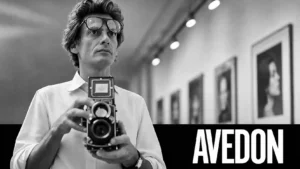
Avedon
Where It Has the Edge
- Documentary scope is 4.6 vs 2.4. The film spans more than half a century of work, linking fashion, portraiture, and social commentary rather than...

Scorata scores summarize analyzed review evidence on a 1–5 scale; they are not laboratory measurements or a simple average of customer star ratings. Feature scores summarize the reviews covering that feature. The overall score averages feature scores within each review, then combines review averages. When both expert and customer evidence are available, those two groups receive equal weight. Products can have different review coverage, so small score gaps do not establish a winner.
Recommendations prioritize important features for the category, with a score of at least 3.5, a gap of at least 0.25 points and at least two supporting reviews per product. Features with widely varying scores or broad connectivity contexts are excluded from recommendations. These safeguards do not establish statistical significance.
Quick verdict
The available evidence supports the recommendation below, but does not establish an overall winner. Check the remaining features against your priorities.
Choose Avedon for Documentary scope.
There is not enough comparable review evidence to recommend 14th over the other product.
No clear scored advantage over the other product.
Scores are out of 5. Missing scores mean missing review evidence, not a missing feature.
The 104-minute portrait is described as engrossing rather than overlong, with enough material to sustain interest throughout.
The feature-length format is brisk for some critics but others wanted more room, possibly an episodic format.
The film spans more than half a century of work, linking fashion, portraiture, and social commentary rather than staying with celebrity shoots. Some still want fuller treatment of his influence or private life.
Its broad scope is ambitious and informative, yet sometimes leaves individual issues and contributors underexplored.
Models, critics, colleagues, and relatives provide revealing anecdotes, and archived recordings let the photographer speak for himself. The breadth of testimony is a core strength, even when the praise feels unchallenged.
Interviews and testimony illuminate the subject, though short sound bites and an abundance of commentators can undermine the depth.
One criticism is that the newly shot digital interviews look ordinary beside the older photographic material. The images by Avedon remain the real visual attraction.
Camera movement and interview compositions can be striking, although some critics find the setup inconsistent.
Inventive sequencing makes hundreds of stationary photographs feel rhythmic and cinematic. Its strongest admirers regard the editing as an achievement in documentary storytelling.
The assembly of disparate material is praised for momentum and criticized for crowded interviews, repetition and insufficient focus.
Family recollections and the vulnerability inside Avedon’s portraits give the documentary affecting moments. Its examination of his sister and father is particularly moving.
The historical and contemporary material can be deeply upsetting, galvanizing and inspiring, although several critics found it less affecting than its predecessor.
Even across 104 minutes and a long artistic career, many find the film lively, kinetic, and concise. Its briskness helps prevent a collection of still photographs from becoming static.
Some find the film brisk and lively; others feel it rushes through too much information or becomes exhausting.
The film moves smoothly between striking pictures, artistic method, and biography, sometimes organizing a life around creative ideas rather than chronology. Some find the familiar documentary format and later talking heads a little formulaic.
The amendment’s sections provide a framework, but critics disagree about whether the many historical strands cohere.
A stylishly handled subject does not always translate into adventurous nonfiction form. Fans value its craftsmanship, while critics see a familiar, authorized biographical package.
Some find the historical connections revelatory, while others see familiar arguments and material.
Howard is widely praised for making an accessible, humane and often thrilling portrait, with enough movement to animate still photographs. More skeptical voices find his handling reverential or formally conventional.
DuVernay’s ability to connect past and present is widely admired, but her visual and structural decisions divide critics.
An energetic montage of portraits sets a lively tone and immediately establishes the subject’s reach. Music and image selection work particularly well together.
The opening links presidential oaths and contemporary events to the constitutional argument.
The authorized access yields rare material but also raises questions about whether the film challenges its subject enough. Critics of its more affectionate approach point to missing controversies and selective scrutiny.
Its explicitly argumentative approach is valued by sympathetic critics but questioned for selective analysis and insufficient treatment of opposing arguments.
The film goes beyond fashion to Avedon’s civil-rights portraits, Vietnam imagery, and concern for people outside elite circles. Reactions differ on whether it confronts the ethics and controversies behind that work.
The film connects historical backlash to current constitutional disputes; its treatment of institutional responsibility and counterarguments is disputed.
The wealth of portraits, contact sheets, outtakes, and personal photographs is a major draw. Carefully chosen images keep the film visually engrossing.
Rare historical photographs and footage give Reconstruction a tangible human dimension.
Photographs from fashion magazines, civil-rights struggles, and wartime Vietnam place Avedon’s methods in the changing world of the 20th century.
Reconstruction and the erosion of constitutional protections receive substantial attention, although some critics want more detail on the framers and legal institutions.
A wide set of models, editors, family members, and art-world figures offer often illuminating observations. Some feel the praise grows excessive and occasionally becomes celebrity worship.
The legal and historical experts, particularly Sherrilyn Ifill, are a major strength; the large roster sometimes dilutes their authority.
Hundreds of extraordinary portraits and contact sheets make this a visually rewarding documentary, with static images brought to life through thoughtful presentation.
Stately interviews and lively graphics win praise, while some critics find the overall presentation chaotic or artificial.
The brisk, offbeat music helps give the opening portrait montage its punch and personality.
Jazz, hip-hop and other music lend the documentary energy and help bridge historical eras.
Despite relying on still images and interviews, the film often feels animated, involving, and fun. A smaller group finds it interesting but conventional rather than truly exceptional.
The material is often engaging despite its complexity, but its crowded presentation can become tiring.
Photography-rich presentation brings motion and cinematic energy to still images rather than treating them as a basic slideshow.
The integration of history, testimony, imagery and music is admired, although the digital techniques divide opinion.
AI animation of historic photographs is the most divisive visual choice: some appreciate the liveliness, while many find it artificial, unnecessary or ethically troubling.
Animations bring historical photographs and graphic motifs to life for some viewers but look uncanny or distracting to others.
Archival material connects historical injustice to modern events, with mixed reactions to animated photographs.
Vintage interviews and behind-the-camera film give Avedon a lively voice decades after his death. The material makes the photographer feel surprisingly present.
The exploration of Confederate mythology, monuments and popular imagery is a particularly revealing account of how propaganda shapes collective memory.
Rare studio recordings, contact sheets, and personal archives reveal how celebrated photographs came together. Access to the family foundation is both a strength and a source of skepticism about independence.
The documentary follows a long career across fashion, portraiture, advertising, and political photography while connecting major accomplishments to a troubled family life. Its breadth is frequently praised, though some private history goes unexplored.
Many find an emotionally revealing portrait of a driven, complicated artist. Others feel his marriages, sexuality, professional conflicts, and darker behavior receive overly gentle treatment.
Some find Howard admirably attentive to the photographer’s flaws and emotional contradictions. Others see a sanctioned tribute that sidesteps disputes and minimizes less flattering parts of his life.
Critics praise its examination of collective historical denial and Confederate mythmaking.
The film is especially rewarding when it shows how patience, rapport, and careful selection made Avedon’s portraits distinctive. The memorable stories go beyond camera settings to the relationships behind each image.
The portrait convincingly conveys how Avedon changed fashion and celebrity photography, with echoes in modern visual culture. Some question whether it demonstrates his influence on living photographers strongly enough.
The documentary gives room to Avedon’s portraits of ordinary workers, civil-rights figures, and people otherwise excluded from glamour photography. This broader focus deepens its account of his artistic ideals.
The constitutional subject is widely regarded as important and urgent even when critics disagree about the execution.
The conclusion inspires some viewers but frustrates others who want practical steps beyond education and awareness.
Critics disagree whether the many experts and commentators broaden the perspective or drown out the most compelling voices.
Several critics wanted more testimony from ordinary people affected by constitutional disputes rather than a concentration of elite voices.
Legal concepts are often explained clearly and accessibly, though the volume of material can overwhelm the argument.
Accounts of his demanding father, troubled sister, marriages, and relationship with his son add emotional texture. The treatment is poignant but not equally revealing about every relationship.
The framing of interview subjects is admired for its stately quality by some critics and criticized as inconsistent by others.
The manipulation of historical photographs raises concerns about consent, transparency and documentary integrity.
As a documentary it offers substantial educational value, although some critics find its cinematic approach less successful.
The recurring five-point star helps organize the amendment for some viewers and feels repetitive or heavy-handed to others.
Extensive footage and photographs preserve a vivid account of the people and period that shaped the photographer’s work.
Stand-up excerpts bring wit and relief to difficult material, although their placement is distracting for some critics.
The documentary examines the enforcement and erosion of constitutional safeguards; some critics want deeper scrutiny of institutional accountability.
Interview lighting is admired by some critics but considered inconsistent by others.
The defense of equal rights and constitutional protections is forceful, but some viewers wanted a more actionable conclusion.
Repeated quotes, graphics and interview observations can either reinforce the argument or make the film feel redundant.
The original closing song is praised for reinforcing the film’s demand for change.
The film’s defense of constitutional ideals is moving for some, but its sentimental view of American identity troubles others.
Conservative voices appear alongside progressives, but some critics find the treatment too partisan or insufficiently rigorous to persuade skeptics.
Popular culture examples illuminate the persistence of Confederate symbolism and mythology.
The documentary illuminates how commercial assignments funded bolder art and how Avedon managed collaborators and influential subjects, though difficult workplace relationships get limited scrutiny.
Several critics felt the release after the midterm elections diminished the documentary’s immediate civic impact.
The research is regarded as substantial by some critics, while others find the analysis insufficiently grounded or rigorous.
The score is frequently praised for energy and intensity, though one critic finds it formulaic and heavy-handed.
The film’s grave subject is balanced with humor for some viewers, while others find the tone foreboding or too lecture-like.
The photographer’s bisexuality and its place in his personal life are left largely undiscussed, an omission that frustrates critics seeking a fuller biography.
The film connects slavery, Reconstruction, racial terror and later discrimination with contemporary struggles over equal rights.
Music cues add momentum, although a standout cue is cut short before it can fully register.
The star losing its points symbolizes the erosion of rights, a device that some find effective and others find blunt.
The film also prompts reflection on how magazines and the culture of carefully chosen images gave way to today’s flood of digital content.
Ideas about image versus reality, artistic control, and a photographer’s hidden vulnerabilities give the film substance beyond celebrity portraits. Some see contradictions honestly explored; others find the hard questions softened.
The connection between Reconstruction and present-day disputes gives the film striking urgency.
Real footage and historical photographs of racial violence and deaths are powerful but can be difficult and potentially triggering.
The argument is lucid and carefully built for some critics, but others find it scattered, underdeveloped or insufficiently persuasive.
The film’s call to defend constitutional rights is stirring for some critics, but others find its practical guidance inadequate.
Sherrilyn Ifill provides a clear recurring guide; some critics wish the film relied more consistently on her.
Avedon’s own recorded words are woven smoothly through interviews and photographs, often making him the documentary’s most engaging guide.

A deeply human coming-of-age drama carried by remarkable performances and an honest portrayal of grief. Its gentle optimism moves most viewers, though some find the final stretch hurried or overly...
Pros: Grief portrayal, acting performance
Cons: pacing

Billie Jean King’s magnetic first-person storytelling makes this an exhilarating portrait of athletic courage and social change. The filmmaking follows a familiar documentary structure, and her full tennis résumé gets...
Pros: entertainment value, Biographical coverage
Cons: Narrative structure

Choose this inventive, unsettling documentary for fearless questioning, dark humor, and unpredictable storytelling. Skip it if you want a short, straightforward exposé with definitive answers.
Pros: originality, humor

A singular voice, powerful piano playing and intimate film photography make this concert absorbing for receptive listeners. Its uninterrupted, often similar-sounding songs and lack of background context are an acquired...
Pros: directing quality, cinematography
Cons: pacing, Song variety