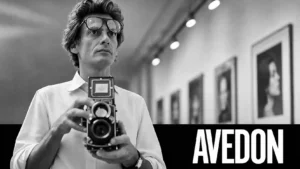
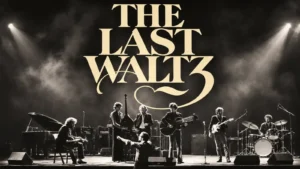
Avedon
Where It Has the Edge
No clear scored advantage over the other product.

Scorata scores summarize analyzed review evidence on a 1–5 scale; they are not laboratory measurements or a simple average of customer star ratings. Feature scores summarize the reviews covering that feature. The overall score averages feature scores within each review, then combines review averages. When both expert and customer evidence are available, those two groups receive equal weight. Products can have different review coverage, so small score gaps do not establish a winner.
Recommendations prioritize important features for the category, with a score of at least 3.5, a gap of at least 0.25 points and at least two supporting reviews per product. Features with widely varying scores or broad connectivity contexts are excluded from recommendations. These safeguards do not establish statistical significance.
Quick verdict
The available evidence supports the recommendation below, but does not establish an overall winner. Check the remaining features against your priorities.
There is not enough comparable review evidence to recommend Avedon over the other product.
Choose The Last Waltz for originality and Historical preservation.
No clear scored advantage over the other product.
Scores are out of 5. Missing scores mean missing review evidence, not a missing feature.
Even across 104 minutes and a long artistic career, many find the film lively, kinetic, and concise. Its briskness helps prevent a collection of still photographs from becoming static.
The alternation of music and interviews works for some viewers but feels sporadic to others.
One criticism is that the newly shot digital interviews look ordinary beside the older photographic material. The images by Avedon remain the real visual attraction.
Carefully planned close-ups, sweeping camera moves and intimate framing turn the concert into cinema.
Photographs from fashion magazines, civil-rights struggles, and wartime Vietnam place Avedon’s methods in the changing world of the 20th century.
The interviews and performances place the band in a broader musical tradition, although some viewers want more depth.
A stylishly handled subject does not always translate into adventurous nonfiction form. Fans value its craftsmanship, while critics see a familiar, authorized biographical package.
The film’s ambitious approach to concert filmmaking stands apart from conventional recordings.
Extensive footage and photographs preserve a vivid account of the people and period that shaped the photographer’s work.
A valuable cinematic record of a pivotal rock era and a remarkable gathering of musicians.
Ideas about image versus reality, artistic control, and a photographer’s hidden vulnerabilities give the film substance beyond celebrity portraits. Some see contradictions honestly explored; others find the hard questions softened.
The tension between musical joy and the cost of touring gives the film depth, although some find the broader statement forced.
Models, critics, colleagues, and relatives provide revealing anecdotes, and archived recordings let the photographer speak for himself. The breadth of testimony is a core strength, even when the praise feels unchallenged.
The interviews illuminate life on the road and band history for many, while others find them superficial, awkward or overly centered on Robertson.
Family recollections and the vulnerability inside Avedon’s portraits give the documentary affecting moments. Its examination of his sister and father is particularly moving.
The music can be exhilarating and moving, while the knowledge of the group’s exhaustion and later history adds melancholy.
The authorized access yields rare material but also raises questions about whether the film challenges its subject enough. Critics of its more affectionate approach point to missing controversies and selective scrutiny.
The documentary’s perspective is shaped by its close association with Robertson and can feel unfair to the other members.
A wide set of models, editors, family members, and art-world figures offer often illuminating observations. Some feel the praise grows excessive and occasionally becomes celebrity worship.
Disc commentaries offer detailed production and musical context.
The portrait convincingly conveys how Avedon changed fashion and celebrity photography, with echoes in modern visual culture. Some question whether it demonstrates his influence on living photographers strongly enough.
The film helped establish the language of later concert documentaries and remains a cultural touchstone.
The film moves smoothly between striking pictures, artistic method, and biography, sometimes organizing a life around creative ideas rather than chronology. Some find the familiar documentary format and later talking heads a little formulaic.
The concert is shaped into a film through its encore-first structure, staged numbers and interviews.
Inventive sequencing makes hundreds of stationary photographs feel rhythmic and cinematic. Its strongest admirers regard the editing as an achievement in documentary storytelling.
The editing follows musical interplay and integrates interviews; some find the interruptions less effective.
The film is especially rewarding when it shows how patience, rapport, and careful selection made Avedon’s portraits distinctive. The memorable stories go beyond camera settings to the relationships behind each image.
The film and disc supplements reveal the filmmaking and musical collaboration behind the concert.
Howard is widely praised for making an accessible, humane and often thrilling portrait, with enough movement to animate still photographs. More skeptical voices find his handling reverential or formally conventional.
Scorsese’s carefully choreographed approach earns broad admiration, though his selective attention and interview framing draw criticism.
An energetic montage of portraits sets a lively tone and immediately establishes the subject’s reach. Music and image selection work particularly well together.
Opening with the encore is an effective, unusual way to frame the farewell.
The brisk, offbeat music helps give the opening portrait montage its punch and personality.
Roots rock, blues, folk and soul come together in a rich musical showcase; not every song is equally successful.
Despite relying on still images and interviews, the film often feels animated, involving, and fun. A smaller group finds it interesting but conventional rather than truly exceptional.
A landmark concert movie for most viewers, although a few find the actual show underwhelming.
Photography-rich presentation brings motion and cinematic energy to still images rather than treating them as a basic slideshow.
The ambitious production turns a live concert into a polished cinematic event.
Hundreds of extraordinary portraits and contact sheets make this a visually rewarding documentary, with static images brought to life through thoughtful presentation.
The concert has a striking, theatrical visual identity rather than the look of a routine live recording.
Criterion’s 4K restoration is praised for its clean, detailed, organic film image rather than modern digital sharpness.
Vintage interviews and behind-the-camera film give Avedon a lively voice decades after his death. The material makes the photographer feel surprisingly present.
The wealth of portraits, contact sheets, outtakes, and personal photographs is a major draw. Carefully chosen images keep the film visually engrossing.
Celebration and weariness coexist; viewers disagree on whether the performers radiate joy or exhaustion.
The film showcases the musicians but Robertson’s prominence and limited attention to Hudson and Manuel raise concerns.
Rare studio recordings, contact sheets, and personal archives reveal how celebrated photographs came together. Access to the family foundation is both a strength and a source of skepticism about independence.
The documentary follows a long career across fashion, portraiture, advertising, and political photography while connecting major accomplishments to a troubled family life. Its breadth is frequently praised, though some private history goes unexplored.
Many find an emotionally revealing portrait of a driven, complicated artist. Others feel his marriages, sexuality, professional conflicts, and darker behavior receive overly gentle treatment.
Some find Howard admirably attentive to the photographer’s flaws and emotional contradictions. Others see a sanctioned tribute that sidesteps disputes and minimizes less flattering parts of his life.
The Blu-ray editions offer a clean, detailed, film-like picture with minor low-light limitations.
Disc extras include informative commentaries, interviews and a surviving jam, though some materials are recycled.
The remarkable guest lineup is a major attraction, even when individual appearances are uneven.
The focus on performers creates a strong sense of intimacy, although omitting the crowd can diminish the communal concert atmosphere for some.
The musicians’ interplay and backing of one another make the concert feel like a genuine collaboration.
The documentary gives room to Avedon’s portraits of ordinary workers, civil-rights figures, and people otherwise excluded from glamour photography. This broader focus deepens its account of his artistic ideals.
The film spans more than half a century of work, linking fashion, portraiture, and social commentary rather than staying with celebrity shoots. Some still want fuller treatment of his influence or private life.
The film’s depiction of worn-out musicians and the culture of substance use adds an unsettling counterpoint to the music.
The closing performances and final image can be powerful, though the attempt to make a broader statement is not universally successful.
Accounts of his demanding father, troubled sister, marriages, and relationship with his son add emotional texture. The treatment is poignant but not equally revealing about every relationship.
Close framing emphasizes the players and their interactions, though some miss the audience perspective.
The predominately male rock culture is visible, and the women performers provide some welcome contrast.
Often regarded as a benchmark concert documentary, although not every viewer agrees it is the best of its kind.
Lighting creates rich color and mood, often tailored to individual performances.
Standout performances and the farewell’s striking visual moments remain memorable long after viewing.
The film can be understood as a warning about the costs of fame and a celebration of community.
The musicians’ interview demeanor reveals weariness, tension and moments of insight even when they hold back.
Collector editions receive praise for attractive packaging and informative illustrated booklets.
The poetry interludes divide viewers, with some finding them fitting and others strongly disliking the readings.
The film goes beyond fashion to Avedon’s civil-rights portraits, Vietnam imagery, and concern for people outside elite circles. Reactions differ on whether it confronts the ethics and controversies behind that work.
The documentary illuminates how commercial assignments funded bolder art and how Avedon managed collaborators and influential subjects, though difficult workplace relationships get limited scrutiny.
The 104-minute portrait is described as engrossing rather than overlong, with enough material to sustain interest throughout.
The evocative instrumental theme helps give the film a cinematic shape.
The photographer’s bisexuality and its place in his personal life are left largely undiscussed, an omission that frustrates critics seeking a fuller biography.
The set spans many musical styles and guest artists, although some selections feel out of place or leave favorites out.
The narrative songs and intricate lyrics contribute to the music’s lasting appeal, although some historical implications are uncomfortable.
The film also prompts reflection on how magazines and the culture of carefully chosen images gave way to today’s flood of digital content.
The film exposes exhaustion, tension and the costs of years on the road beneath the celebratory music.
The Blu-ray audio is warm, dynamic and well balanced in both stereo and surround.
Guest stars deliver many of the film’s highlights, particularly the blues, gospel and soul numbers; a few appearances are less convincing.
The historical framing of the music can be troubling when it omits slavery and racial context.
The live numbers often crackle with virtuosity, especially the standout guest performances, though some find the musicians tired or uneven.
Distinctive lead voices and rich harmonies are major draws, with occasional guest vocals proving divisive.
The separately staged numbers, especially The Weight, often stand among the film’s best moments, though they are not a literal record of the live show.
The outfits range from memorable stage flair to distracting or ill-fitting choices.
Chandeliers, theatrical sets and soundstage sequences give the farewell a grand visual setting.
The music recording and mixes deliver clear, rich sound with an enveloping sense of space.
The band’s playing and ability to shift styles are widely admired, though occasional solos and horn arrangements divide opinion.
The farewell evokes a vanished musical era, with its nostalgia tempered by the musicians’ exhaustion and troubled history.
Avedon’s own recorded words are woven smoothly through interviews and photographs, often making him the documentary’s most engaging guide.
Fans return to favorite performances and sometimes revisit the film annually, though less enthusiastic viewers find little reason to repeat it.
The film is considered worth seeing, though a repackaged edition may offer little extra value to existing owners.

A deeply human coming-of-age drama carried by remarkable performances and an honest portrayal of grief. Its gentle optimism moves most viewers, though some find the final stretch hurried or overly...
Pros: Grief portrayal, acting performance
Cons: pacing

Billie Jean King’s magnetic first-person storytelling makes this an exhilarating portrait of athletic courage and social change. The filmmaking follows a familiar documentary structure, and her full tennis résumé gets...
Pros: entertainment value, Biographical coverage
Cons: Narrative structure

Choose this inventive, unsettling documentary for fearless questioning, dark humor, and unpredictable storytelling. Skip it if you want a short, straightforward exposé with definitive answers.
Pros: originality, humor

A singular voice, powerful piano playing and intimate film photography make this concert absorbing for receptive listeners. Its uninterrupted, often similar-sounding songs and lack of background context are an acquired...
Pros: directing quality, cinematography
Cons: pacing, Song variety