The End of Oak Street
Where It Has the Edge
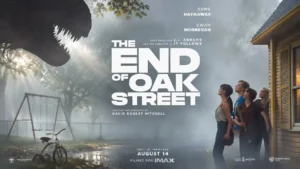
- cinematography is 4.8 vs 4.4. Carefully composed suburban streets, split-diopter framing, and lingering backgrounds turn familiar locations into menacing spaces.

Scorata scores summarize analyzed review evidence on a 1–5 scale; they are not laboratory measurements or a simple average of customer star ratings. Feature scores summarize the reviews covering that feature. The overall score averages feature scores within each review, then combines review averages. When both expert and customer evidence are available, those two groups receive equal weight. Products can have different review coverage, so small score gaps do not establish a winner.
Recommendations prioritize important features for the category, with a score of at least 3.5, a gap of at least 0.25 points and at least two supporting reviews per product. Features with widely varying scores or broad connectivity contexts are excluded from recommendations. These safeguards do not establish statistical significance.
Quick verdict
The available evidence supports the recommendation below, but does not establish an overall winner. Check the remaining features against your priorities.
Choose The End of Oak Street for cinematography.
There is not enough comparable review evidence to recommend Heartland over the other product.
No clear scored advantage over the other product.
Scores are out of 5. Missing scores mean missing review evidence, not a missing feature.
The film’s plot twists receives enthusiastic praise for giving its prehistoric, family-centered spectacle vivid impact.
Some turns are entertaining, but too many are either telegraphed early or sprung without enough groundwork to feel rewarding.
The film’s story quality receives enthusiastic praise for giving its prehistoric, family-centered spectacle vivid impact.
A strong missing-person premise and a bruised heroine are undermined by contrivances, underwritten motives and a weaker final stretch.
The lean, roughly 99-minute length keeps the action moving for most audiences, although a few feel additional scenes could have deepened the family drama.
A near-two-hour story feels longer than necessary when its mystery resolves emotionally before the final songs and repeated conclusions.
The film’s mystery quality receives enthusiastic praise for giving its prehistoric, family-centered spectacle vivid impact.
The missing-singer setup is immediately intriguing, but obvious suspects, awkward clues and a revealing midpoint twist make the puzzle far less satisfying than its premise.
Graphic dinosaur attacks deliver the darker edge many horror fans appreciate. The blood and dismemberment also make the violence a drawback for sensitive viewers.
Gunfire, fights, crashes and injury make the film fairly rough-edged, with the threats and violent retaliation objectionable to viewers seeking restrained crime drama.
Opinions differ on humor: some find the film’s approach lively and engaging, while others point to weak execution or inconsistencies.
Misty's sharp-tongued defiance makes some scenes gleefully funny, while a few exaggerated characters and situations provoke laughter the film may not intend.
Marriage troubles, parental anxieties, and survival pressures give the prehistoric spectacle a more personal core, though its emotional arc does not convince everyone.
Estranged relatives and hidden parenthood give the investigation personal stakes, but some late revelations and old feuds feel more engineered than emotionally convincing.
Opinions differ on suspense: some find the film’s approach lively and engaging, while others point to weak execution or inconsistencies.
There are isolated taut moments and threatening confrontations, yet early giveaways and slack stretches keep tension from building consistently.
Dinosaur chases, near escapes, and abrupt attacks provide many of the film’s biggest thrills. Some viewers question the characters’ decisions during those set pieces.
Car stunts and bursts of gunplay provide occasional excitement. There are too few convincing fights for a full action movie, and some shootouts strain credibility.
Opinions differ on realism: some find the film’s approach lively and engaging, while others point to weak execution or inconsistencies.
Unlikely police behavior, implausible detective skills and convenient confrontations repeatedly challenge suspension of disbelief.
The conclusion is the most polarizing element: some appreciate its nasty, strange implications, while others find its resolution abrupt, too tidy, or logically shaky.
The mystery loses much of its momentum before the finale, which is alternately described as predictable, contrived and unnecessarily prolonged.
The genre blending generally works, although a few details feel less polished than the film’s strongest moments.
Combining a hard-boiled disappearance mystery with country-music performances produces entertaining flashes, but the shifts from dangerous crime to stage melodrama are often awkward.
The unexplained displacement adds mystery, but unexplored mechanics and inconsistent survival decisions irritate viewers looking for clearer answers.
Reveals and backstory arrive in an awkward order, with several threads either overexplained or left inadequately connected.
A slow, suspenseful opening eventually gives way to lively creature action. The compact runtime pleases most, but some find sections rushed or oddly edited.
The investigation often starts briskly, then loses speed to repeated explanations and a sagging second half. Some still enjoy its quick, airport-thriller rhythm.
The dinosaur-in-suburbia premise gives an old genre a lively new setting, even as the reverence for older blockbusters can feel overly familiar.
A Nashville star wielding detective instincts is a fun variation on the crime-thriller formula, yet many of the clues, villains and revelations feel familiar.
The simple story leaves room for visceral suspense, but clumsy dialogue, thin subplots, and plot conveniences are frequent complaints.
Repetitive exposition, strained logic and convenient late revelations are recurring weaknesses; the sharp Nashville premise cannot fully compensate.
Opinions differ on emotional impact: some find the film’s approach lively and engaging, while others point to weak execution or inconsistencies.
Chastain can make Misty's grief genuinely moving; other emotional revelations feel imposed by the script and fail to earn the same response.
A repeated drawback is accent authenticity, which can weaken the otherwise entertaining creature-survival premise.
Chastain's especially pronounced Southern accent can sound affected and distract from an otherwise forceful central turn.
Dialogue is occasionally stiff, cheesy, or overexplanatory, even where the performances give it life.
Over-explanatory speeches and blunt country clichés often interrupt the investigation. A few lively exchanges still capture the story's scrappy attitude.
Carefully composed suburban streets, split-diopter framing, and lingering backgrounds turn familiar locations into menacing spaces.
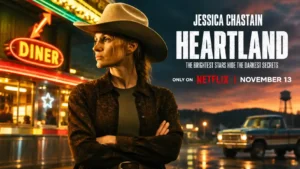
Nashville's clubs, night roads and real performance spaces look striking, with neon-tinged framing that emphasizes Misty's isolation and gives the city texture.
The family has recognizable tensions and relatable vulnerabilities, yet several arcs feel shortened or resolved too conveniently.
Misty has glimpses of genuine pain and regret, but the script too often announces her reputation or drops late backstory instead of letting her complexity emerge naturally.
Family melodrama, playful humor, and unexpectedly brutal dinosaur horror can be a winning mix, but the switches strike some as jarring or sentimental.
Gritty noir, campy swagger, heavy family drama and sincere country tunes do not always sit comfortably together, although some enjoy that very excess.
Opinions differ on cast chemistry: some find the film’s approach lively and engaging, while others point to weak execution or inconsistencies.
The strongest shared performances help sell the personal bonds around the missing-person case, although the ensemble rarely gets enough room to develop them.
The film’s casting quality receives enthusiastic praise for giving its prehistoric, family-centered spectacle vivid impact.
Jessica Chastain is a distinctive fit for a defiant country star turned amateur investigator, bringing an imposing presence to an unusual lead role.
Distant screams, muffled gunfire, and ear-popping sound effects help establish disorientation and danger.
Noticeable changes in echo around added dialogue can break the otherwise immersive sense of place.
Opinions differ on supporting cast performance: some find the film’s approach lively and engaging, while others point to weak execution or inconsistencies.
Hedlund and a few country-music performers make an impression, but many supporting actors are given thin roles or too little time to leave a mark.
Anne Hathaway’s committed, vulnerable performance is a major highlight, giving the extravagant survival story much of its emotional credibility.
Jessica Chastain is the movie's main attraction: fierce, volatile and capable of revealing hurt beneath Misty's swagger. A few find the performance overplayed, but the commitment is undeniable.
The creature-filled adventure is an exhilarating crowd-pleaser for many, though several find the derivative premise or awkward dramatic writing less satisfying.
Chastain's outrageous confrontations and the country atmosphere can make for a lively stream. Whether that fun outweighs the muddled plotting varies sharply.
Opinions differ on rewatch value: some find the film’s approach lively and engaging, while others point to weak execution or inconsistencies.
The blend of music and mystery can make an enjoyable one-time stream, but the predictable solution provides little incentive for another viewing.
The characters earn sympathy for some through ordinary fears and family loyalty, yet others are irritated by reckless or passive behavior.
Misty's combative streak and hidden hurt can be compelling, but the thinly drawn suspects and her sometimes cartoonish behavior make it difficult to care about everyone involved.
A repeated drawback is title appeal, which can weaken the otherwise entertaining creature-survival premise.
The title's bland, familiar ring may suggest a softer Hallmark-style drama rather than the tough-talking mystery the film actually delivers.
Anne Hathaway draws the strongest praise; the supporting family performances work for many but the cast’s varying styles divide some viewers.
Songs performed in clubs and onstage give Nashville life and occasionally reveal character, even though some musical breaks interrupt the detective story.
The advertising does not fully capture the film’s strengths, with some viewers also objecting to an artificial-looking promotional campaign.
Chastain puts real feeling into Misty's country numbers, though her vocals divide opinion and can sound thin beside experienced country singers. Other cast performances bring welcome authenticity.
Country songs and live musicians are a central attraction, but the original material splits opinion between memorable and largely forgettable.
Opinions differ on age appropriateness: some find the film’s approach lively and engaging, while others point to weak execution or inconsistencies.
A repeated drawback is marketing appeal, which can weaken the otherwise entertaining creature-survival premise.
The predatory side of country music management and the double standards facing female artists give Heartland its strongest social angle. The investigation does not always dig far enough into that world.
An early-1980s neighborhood, bicycles, and Spielberg-inspired suspense appeal to retro adventure fans, though critics are split on homage versus imitation.
The family dog earns affectionate attention for a memorable, crowd-pleasing moment amid the dinosaur mayhem.
Neon-lit bars, shadowy back rooms and Nashville's uneasy after-hours energy give the mystery a seductive noir mood, even when its suspense flags.
Many admire the convincingly rendered dinosaurs; a minority find individual effects or creature movements artificial.
Misty somehow navigates threats and police resistance with implausible ease, while many people around the missing singer behave in ways designed mainly to keep the plot moving.
Some off-camera exposition has conspicuous changes in room echo and recording quality, making the audio patchwork easier to notice than it should be.
Opinions differ on directing quality: some find the film’s approach lively and engaging, while others point to weak execution or inconsistencies.
Frequent drinking and smoking are treated as part of Misty's hard-living world, but their persistent presence makes the film an uncomfortable choice for viewers avoiding substance use.
The editing quality has effective ideas but also noticeable limitations that keep reactions qualified.
Misty's battle with powerful men and the exploitation of young women add purpose to the crime plot. The critique is compelling at times but can become blunt or superficial.
Opinions differ on genre satisfaction: some find the film’s approach lively and engaging, while others point to weak execution or inconsistencies.
A repeated drawback is gore-sensitive viewing, which can weaken the otherwise entertaining creature-survival premise.
A retired country singer's sudden mastery of detecting, shooting and confronting dangerous criminals rarely feels earned, which weakens the missing-person investigation.
Misty's refusal to let abuse remain hidden gives the story a meaningful moral thread, especially as Charlie finds the courage to challenge her abuser.
Persistent strong profanity is a major barrier for profanity-sensitive viewers and contributes to the film's distinctly adult tone.
Real Nashville venues and musicians, including the Bluebird Cafe, make the city feel lived-in rather than interchangeable with another streaming-thriller location.
The striking setting and Chastain's personality stand out more than the disposable mystery and its weak payoff.
The film has worthwhile ideas about women, abuse and accountability, but it often settles for emphatic declarations instead of developing its themes with much nuance.
The story hints at morally uncomfortable consequences, particularly in its conclusion; some welcome the unease while others want those implications addressed more fully.
The narrative structure generally works, although a few details feel less polished than the film’s strongest moments.
The police's extreme indifference helps justify Misty's lone-wolf role, but the implausible response to a missing celebrity strains the credibility of the corruption subplot.
Misty remains unapologetically difficult and active, and the film confronts the mistreatment of women in entertainment rather than making its heroine conventionally agreeable.
Sudden attacks and menacing creatures make this scarier than a typical breezy dinosaur adventure, though individual viewers vary in how much they feel the tension.
The scientific credibility generally works, although a few details feel less polished than the film’s strongest moments.
Michael Giacchino’s playful, orchestral score channels retro adventure films and heightens the chases, although its overt homage feels repetitive to some.
Sexual coercion, references to abuse and sexual imagery are troubling enough to limit its appeal for viewers seeking gentler material.
At its best, a song uncovers clues or reveals Misty's past; at its worst, another stage performance interrupts the urgency of a missing-person search.
Opinions differ on special effects quality: some find the film’s approach lively and engaging, while others point to weak execution or inconsistencies.
The vehicular action adds brief, credible bursts of tension to a film that otherwise depends more heavily on dialogue and music.
The pressure to improvise amid roaming predators is engaging, but implausible decisions often undermine the family’s credibility.
The invasion of safe-looking suburbia gives the spectacle ideas about denial, family duty, and complacency, though their resolution can feel underdeveloped.
One suspect has a convincing mix of charm and menace, but the script frequently announces its antagonists so openly that the eventual reveal lacks bite.
Feathered, animal-like dinosaurs feel fresh and visually persuasive to many, while a few viewers prefer the familiar reptilian designs.
The film’s production design receives enthusiastic praise for giving its prehistoric, family-centered spectacle vivid impact.
The film’s visual style receives enthusiastic praise for giving its prehistoric, family-centered spectacle vivid impact.
The film’s world-building receives enthusiastic praise for giving its prehistoric, family-centered spectacle vivid impact.

Choose this inventive, unsettling documentary for fearless questioning, dark humor, and unpredictable storytelling. Skip it if you want a short, straightforward exposé with definitive answers.
Pros: originality, humor

Extraordinary performances and richly observed relationships make this a rewarding, emotionally forceful drama. Its nearly three-hour length and slow opening demand patience and undivided attention.
Pros: class commentary, character development

Best for a hypnotic, bookish mystery with tactile visuals and cerebral chills. Skip it if reading-heavy, attention-demanding storytelling sounds more exhausting than exciting.
Pros: Atmosphere, cinematography
Cons: audience appeal

Best for an intimate, searching documentary that rewards focused attention and invites discussion. Skip it when devastating grief, addiction footage, and unresolved family tensions would be too much.
Pros: emotional impact, theme depth