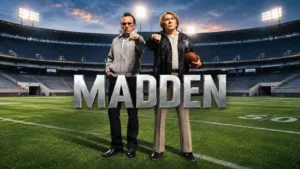
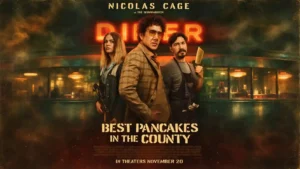
Madden
Where It Has the Edge
No clear scored advantage over the other product.

Scorata scores summarize analyzed review evidence on a 1–5 scale; they are not laboratory measurements or a simple average of customer star ratings. Feature scores summarize the reviews covering that feature. The overall score averages feature scores within each review, then combines review averages. When both expert and customer evidence are available, those two groups receive equal weight. Products can have different review coverage, so small score gaps do not establish a winner.
Recommendations prioritize important features for the category, with a score of at least 3.5, a gap of at least 0.25 points and at least two supporting reviews per product. Features with widely varying scores or broad connectivity contexts are excluded from recommendations. These safeguards do not establish statistical significance.
Quick verdict
There is not enough consistent, comparable evidence for a clear recommendation. Use the feature details and supporting reviews to weigh the tradeoffs.
There is not enough comparable review evidence to recommend Madden over the other product.
There is not enough comparable review evidence to recommend Best Pancakes in the County over the other product.
No clear scored advantage over the other product.
No clear scored advantage over the other product.
Scores are out of 5. Missing scores mean missing review evidence, not a missing feature.
Rewatch value is criticized for how little it contributes to a convincing or emotionally satisfying portrait of Madden.
One particularly enthusiastic assessment finds the diner and its larger-than-life villain entertaining enough to revisit.
Production value is criticized for how little it contributes to a convincing or emotionally satisfying portrait of Madden.
The small scale can work for casual pulp entertainment, but the limited budget shows especially in the fake blood, lighting and messy staging.
A small number of viewers find the strange football spectacle irresistibly fun; most consider it noisy, underdeveloped, or simply disappointing.
Fans of pulp crime chaos and flamboyant Cage performances can still find a diverting watch. Many others find the thin story and clumsy shootouts more frustrating than fun.
Cage’s exaggerated speech is often described as muffled, inconsistent, or unlike Madden’s recognizable broadcasting style.
Cage’s high-pitched, cartoonish delivery is one of the movie’s defining flourishes. Some find it brilliantly unhinged, while others find it a distracting affectation.
The film jumps among coaching, broadcasting, marriage, and video-game development without making their transitions feel cohesive.
The layered standoff and the order in which secrets emerge can be entertaining. Elsewhere, the long absence of the most eccentric character weakens the structure.
Atmosphere is criticized for how little it contributes to a convincing or emotionally satisfying portrait of Madden.
The isolated diner creates a promising pressure-cooker atmosphere, with armed factions sizing each other up over breakfast. Its effectiveness fades for some once the standoff becomes repetitive.
Theme depth draws positive reactions for adding energy or personality to the biographical material, though the movie’s approach remains divisive.
The film prioritizes noisy pulp entertainment over deeper ideas or emotional meaning.
Abrupt jumps, uneven music fades, and montage-heavy construction make the picture feel cobbled together, despite occasional energetic flourishes.
Parallel kitchen fights earn genuine admiration, and one viewer likes the frenetic cutting. More often, chaotic editing makes major action sequences difficult to understand.
Period visuals and occasional graphic flourishes draw praise, but some find the camerawork hyperactive or surprisingly flat given Robert Richardson’s involvement.
There are occasional striking compositions and inventive ways to work within the diner. The visual approach is uneven rather than consistently polished.
A handful of eccentric moments and actor exchanges land well, but broad, sketch-like comedy is more frequently criticized as forced and repetitive.
Absurd menu disputes and deadpan reactions yield genuine laughs for some. Others find the riffs overextended, obvious or simply not funny.
The jump from heartfelt family conflict to exaggerated sports farce is a recurring frustration, even for viewers who enjoy the movie’s oddness.
The blend of menace and silliness works intermittently but frequently veers between cartoonish comedy and poorly integrated violence.
Heavy prosthetics, fat suits, and flamboyant wigs create unmistakable transformations, yet several viewers find them artificial or distracting rather than persuasive.
The prominent piglike prosthetic nose and disheveled wig make Cage nearly unrecognizable. Reactions divide between admiring the bold transformation and dismissing its artificial look.
Its frantic montages exhaust some viewers while other stretches drag; the pace rarely gives personal or historical moments much breathing room.
The standoff builds slowly for critics who tire of the repeated banter, although others enjoy the brisk runtime and early escalation.
Dialogue quality is criticized for how little it contributes to a convincing or emotionally satisfying portrait of Madden.
The meandering food debates sometimes land as absurd humor, but repetitive tough-guy banter and strained attempts at Tarantino-style wit are major complaints.
Writing quality is criticized for how little it contributes to a convincing or emotionally satisfying portrait of Madden.
The screenplay has some clever diner jokes and a workable standoff premise, but its imitational banter, thin character writing and convoluted twists draw repeated criticism.
Story quality is criticized for how little it contributes to a convincing or emotionally satisfying portrait of Madden.
There is a workable crime thriller in the botched heist and diner standoff, but weak motivations, muddled factions and insufficient payoff prevent it from fulfilling its premise.
The tribute-like finale works for some nostalgic viewers, but others fault its abruptness and its emphasis on Al Davis’s Hall of Fame recognition.
The final stretch rarely provides the payoff that the crowded standoff promises. Complaints range from an abrupt finish to a conventional or overly tidy resolution.
The Cage–Bale partnership produces some of the liveliest scenes, although disagreement remains over whether their exaggerated personalities form a believable friendship.
The contrasting personalities of Cookie and Dolly give the diner scenes some spark, and a few viewers enjoy the ensemble energy. Others find the exchanges forced or the surrounding cast underused.
David O. Russell’s restless approach produces visual eccentricity but often undermines clarity, character depth, and a stable tone.
The film gets mileage from its diner premise, but weak gunfight staging, inconsistent tone and an uneven climax leave the direction looking less assured than the ideas.
Character development is criticized for how little it contributes to a convincing or emotionally satisfying portrait of Madden.
Secret identities offer fleeting intrigue, but the film devotes too little time to making its large ensemble distinctive or emotionally engaging.
Wild camera movement, period costumes, and animated football graphics give the picture an unmistakable look, but its busyness often overwhelms the story.
Rapid cutting and kinetic framing give parts of the movie a lively pulp-cinema sheen.
The maximalist 1970s and 1980s looks provide period flavor, though exaggerated wigs and styling can make scenes resemble a comedy sketch.
Cage’s gaudy retro outfit, curly wig and tinted glasses are impossible to miss. Whether they look inspired or ridiculous depends on the viewer’s tolerance for his eccentric style.
Production design draws positive reactions for adding energy or personality to the biographical material, though the movie’s approach remains divisive.
A convincing roadside diner helps the single-location story feel lived in; the setting is more persuasive than many of the people inhabiting it.
Nicolas Cage brings boundless physical commitment, but many find his John Madden too cartoonish, especially his voice. A smaller camp enjoys the bizarre, energetic interpretation.
Nicolas Cage’s high-energy turn is the most common bright spot, with his wild voice and physical transformation commanding attention. His excesses alienate some, and he spends too much of the movie offscreen for many fans.
The classic-rock needle drops can make the period atmosphere fun, though their constant use and awkward fades sometimes become tiresome.
The end-credit song receives a particularly harsh reaction for spoiling the closing mood.
The cast is a major point of contention: some enjoy the bold transformations, while many find the exaggerated acting closer to sketch comedy than believable biography.
Cage’s co-stars often work hard to anchor the mayhem, particularly the diner staff. The ensemble earns mixed notices because the roles and writing rarely match the actors’ efforts.
Marketing accuracy is criticized for how little it contributes to a convincing or emotionally satisfying portrait of Madden.
Prominent Cage-focused promotion raises expectations of a star vehicle that the film’s long stretches without him do not meet.
Christian Bale and Kathryn Hahn emerge as frequent bright spots, with Bale’s Al Davis often singled out. Several critics argue the thin material sidelines Hahn, Sienna Miller, and John Mulaney.
Justin Long, Shelley Hennig, Brandon Mychal Smith and another standout supporting player help enliven the diner. Many smaller roles remain thin or forgettable.
Character appeal is criticized for how little it contributes to a convincing or emotionally satisfying portrait of Madden.
Cookie and Dolly have occasional charm, but many gunmen and agents come across as interchangeable, obnoxious or difficult to root for.
Marketing appeal is criticized for how little it contributes to a convincing or emotionally satisfying portrait of Madden.
The trailer’s oddball Cage appearance grabs attention, but prospective viewers split sharply between curiosity and outright disinterest.
Cage’s imitation of Madden’s distinctive voice draws especially sharp criticism, whereas Bale’s Al Davis accent is more often praised.
A few kitchen brawls and a drone attack generate excitement, but many shootouts are hard to follow, poorly staged or visually murky.
Play diagrams appearing across the screen are an inventive visual nod to Madden’s football mind and the telestrator.
Archival footage quality is criticized for how little it contributes to a convincing or emotionally satisfying portrait of Madden.
John Madden’s coaching, television, and gaming careers all appear, but compressing so much life into one movie frequently makes the treatment feel rushed or surface-level.
Rather than penetrating the man behind the football icon, the movie often moves through recognizable milestones with limited insight into his contradictions.
The affectionate, outsized portrait risks turning an admired football figure into a lovable caricature rather than a fully realized person.
The transition into announcing and telestrator sequences can be lively and affectionate, but the film skips past important developments in Madden’s on-air partnership.
Casting Cage divides opinion, with some admiring the audacity and others calling it a fundamental mismatch; Bale is much more consistently accepted as Al Davis.
Reactions to celebrity cameos are divided between appreciation for the eccentric treatment and frustration with how it fits the larger film.
Blood effects are a frequent sore point: shots look powdery or obviously computer-generated rather than convincing. The crude visuals cheapen otherwise ambitious confrontations.
Cage’s lengthy absence between the opening and final stretch disappoints many who expected him to carry the movie. A minority think rationing his appearances makes his return more effective.
An extended argument about diner orders wears out its welcome and illustrates how some jokes run too long.
Creative process insight is criticized for how little it contributes to a convincing or emotionally satisfying portrait of Madden.
Emotional impact is criticized for how little it contributes to a convincing or emotionally satisfying portrait of Madden.
The closing song leaves a sour impression rather than providing a satisfying send-off.
The marriage and work-life conflict occasionally add heart, especially through Kathryn Hahn, but the domestic stakes are often resolved too quickly to make a lasting impression.
The trailer’s dark, bloody violence makes it much less like an innocent diner comedy than the title might suggest.
The missed family time puts a human cost on Madden’s devotion to football, giving the warmer parts of the movie some substance.
The telestrator and broadcasting material have flashes of football insight, but critics question the games, simplified coaching explanations, and historical continuity.
Franchise commercialization is criticized for how little it contributes to a convincing or emotionally satisfying portrait of Madden.
John Madden and Al Davis’s complicated bond is widely seen as the film’s strongest dramatic possibility, but many feel it receives too little sustained attention.
Genre blending is criticized for how little it contributes to a convincing or emotionally satisfying portrait of Madden.
The film gets parts of the cheeky, violent crime-comedy tone right but struggles to deliver the polished payoff the genre promises.
The trailer’s freeze-frame character introductions and flashy lettering have a deliberately stylized crime-movie look.
Historical depth is criticized for how little it contributes to a convincing or emotionally satisfying portrait of Madden.
Several accounts fault a climactic shootout that is so dark the action becomes difficult to make out.
The diner feels like a believable, out-of-the-way roadside business, even when the plot around it gets less convincing.
Masculinity portrayal draws positive reactions for adding energy or personality to the biographical material, though the movie’s approach remains divisive.
Even when it offers a few lively bursts, the film often fades quickly because the action and story feel derivative. The extravagant lead character remains more memorable than the plot.
Direct-to-camera interviews and other mock-documentary touches are introduced with promise, then used so irregularly that many find them distracting.
Narrative repetition is criticized for how little it contributes to a convincing or emotionally satisfying portrait of Madden.
Major turning points often arrive and disappear without genuine consequences, leaving the triumphant career milestones short on tension.
The early scenes promise a highly eccentric Cage-driven crime adventure, creating expectations the rest of the film struggles to match.
The diner hostage setup, sprawling double-crosses and fast-talking crooks evoke earlier crime films. Some appreciate the colorful central villain, but most see the overall formula as secondhand.
Competing criminal groups and reversals often make the story unnecessarily difficult to follow, with some motivations and confrontations lacking clear stakes.
Most hidden identities and double-crosses are spotted well in advance. A few enjoy the escalation, but many find the revelations delayed or unconvincing.
Portrayal of women is criticized for how little it contributes to a convincing or emotionally satisfying portrait of Madden.
Blood squibs and fake-looking spray make the violent action seem cheap rather than visceral.
Professional life portrayal draws positive reactions for adding energy or personality to the biographical material, though the movie’s approach remains divisive.
The law-enforcement behavior and escalating criminal maneuvers often strike critics as implausible rather than convincingly dangerous.
Romance quality is criticized for how little it contributes to a convincing or emotionally satisfying portrait of Madden.
The roughly 90-minute length keeps the film reasonably compact for some, even though others find individual stretches sluggish.
The repetitive music rarely adds energy, except in a few of the movie’s oddest moments.
The diner and its eccentric criminal mastermind have enough personality that at least one enthusiastic viewer would welcome another outing.
Several accounts criticize cheap, dusty-looking blood spray during firefights, though an occasional inventive action idea still stands out.
The creation of the Madden NFL game is a divisive third act, described as charming by some and shallow, inaccurate, or too promotional by others.
The two simultaneous brawls are a highlight, yet much of the gunplay lacks clear geography and coordinated movement.
The armed standoff initially creates a sense that violence could erupt at any moment. Repeated delays, fuzzy stakes and confusing action drain the tension for many viewers.
The video-game storyline is one of the most disputed sections, attracting praise for its eccentric comedy but repeated complaints about accuracy and weak dramatic stakes.
The heightened, showy violence is a turnoff for viewers who find the excess unpleasant rather than exciting.
Cage’s scarred, pig-nosed criminal makes an immediate visual impression. The outsized persona is more memorable than the depth of the character.
The movie unexpectedly includes practical pancake-making tips, a small pleasure amid the criminal chaos.
Nostalgia appeal draws positive reactions for adding energy or personality to the biographical material, though the movie’s approach remains divisive.
The cheerful promise of exceptional pancakes makes an amusing contrast with the movie’s brutal crime setup.
Football-history enthusiasts point to incorrect timelines, game footage, and invented incidents. Some enjoy the loose biographical style, but authenticity is a repeated concern.

A deeply human coming-of-age drama carried by remarkable performances and an honest portrayal of grief. Its gentle optimism moves most viewers, though some find the final stretch hurried or overly...
Pros: Grief portrayal, acting performance
Cons: pacing

Choose this inventive, unsettling documentary for fearless questioning, dark humor, and unpredictable storytelling. Skip it if you want a short, straightforward exposé with definitive answers.
Pros: originality, humor

A singular voice, powerful piano playing and intimate film photography make this concert absorbing for receptive listeners. Its uninterrupted, often similar-sounding songs and lack of background context are an acquired...
Pros: directing quality, cinematography
Cons: pacing, Song variety

Extraordinary performances and richly observed relationships make this a rewarding, emotionally forceful drama. Its nearly three-hour length and slow opening demand patience and undivided attention.
Pros: class commentary, character development