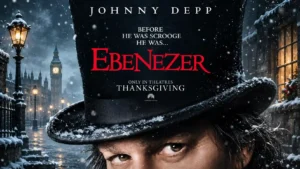
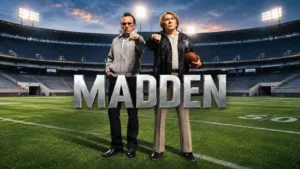
Ebenezer
Where It Has the Edge
- character appeal is 4.5 vs 1.0. Scrooge’s familiar eccentricity is lively enough to entertain some, but others struggle to sympathize with his abrasive behavior.

Scorata scores summarize analyzed review evidence on a 1–5 scale; they are not laboratory measurements or a simple average of customer star ratings. Feature scores summarize the reviews covering that feature. The overall score averages feature scores within each review, then combines review averages. When both expert and customer evidence are available, those two groups receive equal weight. Products can have different review coverage, so small score gaps do not establish a winner.
Recommendations prioritize important features for the category, with a score of at least 3.5, a gap of at least 0.25 points and at least two supporting reviews per product. Features with widely varying scores or broad connectivity contexts are excluded from recommendations. These safeguards do not establish statistical significance.
Quick verdict
The available evidence supports the recommendation below, but does not establish an overall winner. Check the remaining features against your priorities.
Choose Ebenezer for character appeal.
There is not enough comparable review evidence to recommend Madden over the other product.
No clear scored advantage over the other product.
Scores are out of 5. Missing scores mean missing review evidence, not a missing feature.
The genre blending is praised, with a particular emphasis on ‘ebenezer’ much of its distinctive personality. meanwhile, the costume.
Genre blending is criticized for how little it contributes to a convincing or emotionally satisfying portrait of Madden.
Corpse-like ghost makeup and Depp’s aging prosthetics create tactile transformations, with practical work singled out for praise.
Heavy prosthetics, fat suits, and flamboyant wigs create unmistakable transformations, yet several viewers find them artificial or distracting rather than persuasive.
Fog, blackened interiors, decaying ghosts and frosty streets create a heavily Gothic Christmas world. It is memorable to many, oppressive to others.
Atmosphere is criticized for how little it contributes to a convincing or emotionally satisfying portrait of Madden.
The accent authenticity is praised, with a particular emphasis on timing and sonorous british accent might have been.
Cage’s imitation of Madden’s distinctive voice draws especially sharp criticism, whereas Bale’s Al Davis accent is more often praised.
The tonal consistency is treated as a tradeoff, with a particular emphasis on compounding this is the tonal confusion, as the film.
The jump from heartfelt family conflict to exaggerated sports farce is a recurring frustration, even for viewers who enjoy the movie’s oddness.
Extra attention to Scrooge’s sister, Belle and his earlier regrets can make him more human; others consider the transformation too abrupt or overly explained.
Character development is criticized for how little it contributes to a convincing or emotionally satisfying portrait of Madden.
Some viewers are moved to tears by Scrooge’s remorse, reunions and carols. Others find Depp’s eccentricity or the bleak presentation leaves the ending cold.
Emotional impact is criticized for how little it contributes to a convincing or emotionally satisfying portrait of Madden.
Ti West’s control of Gothic imagery impresses some, while others fault the direction for excessive caution, slow stretches or lack of personality.
David O. Russell’s restless approach produces visual eccentricity but often undermines clarity, character depth, and a stable tone.
The smoky, coal-dark photography and retro visual flourishes draw praise, although some find the muted palette and close-ups unpleasantly monotonous.
Period visuals and occasional graphic flourishes draw praise, but some find the camerawork hyperactive or surprisingly flat given Robert Richardson’s involvement.
Nathaniel Halpern maintains Dickens’ recognizable structure and adds moments of backstory, but the dialogue and limited reinvention frustrate several critics.
Writing quality is criticized for how little it contributes to a convincing or emotionally satisfying portrait of Madden.
Quick cutting in conversation is said to work against an otherwise carefully recreated period atmosphere.
Abrupt jumps, uneven music fades, and montage-heavy construction make the picture feel cobbled together, despite occasional energetic flourishes.
The classic moral journey is readable and occasionally stirring, but the familiar plot gives some viewers little reason to prefer this telling.
Story quality is criticized for how little it contributes to a convincing or emotionally satisfying portrait of Madden.
Some appreciate the steady unfolding of the familiar tale, whereas others complain that the chapters drag and the runtime feels longer than it is.
Its frantic montages exhaust some viewers while other stretches drag; the pace rarely gives personal or historical moments much breathing room.
The extended Christmas-morning redemption charms several viewers, but others find its sweetness, speed or altered Cratchit resolution unconvincing.
The tribute-like finale works for some nostalgic viewers, but others fault its abruptness and its emphasis on Al Davis’s Hall of Fame recognition.
The narrative stakes is criticized, with a particular emphasis on lack of faith in its audience make a would-be.
Major turning points often arrive and disappear without genuine consequences, leaving the triumphant career milestones short on tension.
There are flashes of comic energy and a few good lines, but numerous critics find the humor too sparse, too broad or poorly timed.
A handful of eccentric moments and actor exchanges land well, but broad, sketch-like comedy is more frequently criticized as forced and repetitive.
The theme depth is treated as a tradeoff, with a particular emphasis on on solid footing, psychologically and theologically. between the dreamy.
Theme depth draws positive reactions for adding energy or personality to the biographical material, though the movie’s approach remains divisive.
The supporting players fit the ghosts and Marley well; objections focus chiefly on whether Depp is right for this Scrooge.
Casting Cage divides opinion, with some admiring the audacity and others calling it a fundamental mismatch; Bale is much more consistently accepted as Al Davis.
Expanded material about Belle attracts mixed-to-negative reactions, especially when the reconciliation feels modernized or sentimental.
Romance quality is criticized for how little it contributes to a convincing or emotionally satisfying portrait of Madden.
The dialogue quality is criticized, with a particular emphasis on second-screen dialogue that has zero faith that its audience.
Dialogue quality is criticized for how little it contributes to a convincing or emotionally satisfying portrait of Madden.
The extended setup and repeated miserly behavior feel redundant when the story is already familiar.
Narrative repetition is criticized for how little it contributes to a convincing or emotionally satisfying portrait of Madden.
Scrooge’s familiar eccentricity is lively enough to entertain some, but others struggle to sympathize with his abrasive behavior.
Character appeal is criticized for how little it contributes to a convincing or emotionally satisfying portrait of Madden.
The focus on Depp’s comeback can distract from the filmmaking strengths that some critics value more.
Marketing appeal is criticized for how little it contributes to a convincing or emotionally satisfying portrait of Madden.
Costumes, sets, makeup and retro photography give the studio production a tangible richness, even when critics dislike the storytelling.
Production value is criticized for how little it contributes to a convincing or emotionally satisfying portrait of Madden.
A solid spooky holiday outing for some, a repetitive and even punishing experience for others; enjoyment tracks strongly with the appetite for another Scrooge adaptation.
A small number of viewers find the strange football spectacle irresistibly fun; most consider it noisy, underdeveloped, or simply disappointing.
Even those who find parts enjoyable often hesitate to make it an annual Christmas tradition, preferring older adaptations.
Rewatch value is criticized for how little it contributes to a convincing or emotionally satisfying portrait of Madden.
The icy Gothic presentation and analog filmmaking touches are a major draw, even though some viewers tire of the gloom.
Wild camera movement, period costumes, and animated football graphics give the picture an unmistakable look, but its busyness often overwhelms the story.
Period clothing strengthens the shadowy Victorian look and helps distinguish the haunted characters; the craftsmanship receives favorable notices.
The maximalist 1970s and 1980s looks provide period flavor, though exaggerated wigs and styling can make scenes resemble a comedy sketch.
Detailed Victorian interiors, filthy streets and Gothic architecture are consistently among the most admired elements, even in otherwise unfavorable assessments.
Production design draws positive reactions for adding energy or personality to the biographical material, though the movie’s approach remains divisive.
The ghosts and Marley are frequent highlights, with Tillman and McKellen especially praised; several critics wish the smaller roles had more room to breathe.
Christian Bale and Kathryn Hahn emerge as frequent bright spots, with Bale’s Al Davis often singled out. Several critics argue the thin material sidelines Hahn, Sienna Miller, and John Mulaney.
Johnny Depp divides opinion as Scrooge: some find real vulnerability and a convincing change of heart, while others see broad mugging and familiar mannerisms that blunt the redemption.
Nicolas Cage brings boundless physical commitment, but many find his John Madden too cartoonish, especially his voice. A smaller camp enjoys the bizarre, energetic interpretation.
Advertising suggests a radical origin story or new twist, while the movie mostly follows Dickens. This gap between promise and delivery draws repeated criticism.
Marketing accuracy is criticized for how little it contributes to a convincing or emotionally satisfying portrait of Madden.
The ensemble is often judged more persuasive than the lead, with particularly divided reactions to the theatrical style of Scrooge himself.
The cast is a major point of contention: some enjoy the bold transformations, while many find the exaggerated acting closer to sketch comedy than believable biography.
Play diagrams appearing across the screen are an inventive visual nod to Madden’s football mind and the telestrator.
Archival footage quality is criticized for how little it contributes to a convincing or emotionally satisfying portrait of Madden.
John Madden’s coaching, television, and gaming careers all appear, but compressing so much life into one movie frequently makes the treatment feel rushed or surface-level.
Rather than penetrating the man behind the football icon, the movie often moves through recognizable milestones with limited insight into his contradictions.
The affectionate, outsized portrait risks turning an admired football figure into a lovable caricature rather than a fully realized person.
The transition into announcing and telestrator sequences can be lively and affectionate, but the film skips past important developments in Madden’s on-air partnership.
The Cage–Bale partnership produces some of the liveliest scenes, although disagreement remains over whether their exaggerated personalities form a believable friendship.
Reactions to celebrity cameos are divided between appreciation for the eccentric treatment and frustration with how it fits the larger film.
Wealth inequality and Scrooge’s disdain for the poor still feel timely, although some find the new excuses for his cynicism muddy Dickens’ social critique.
Depp’s gruff mannerisms and Ridley’s sharp reactions produce some laughs, though the comedy rarely satisfies everyone.
Creative process insight is criticized for how little it contributes to a convincing or emotionally satisfying portrait of Madden.
The five-stave structure and central moral survive largely intact, with a new Marley prologue and expanded personal history. Some welcome the fidelity while others find it overly cautious.
The marriage and work-life conflict occasionally add heart, especially through Kathryn Hahn, but the domestic stakes are often resolved too quickly to make a lasting impression.
Its familiar holiday message does not make it gentle viewing: unusually unsettling apparitions and frightening moments trouble the family-film balance.
The missed family time puts a human cost on Madden’s devotion to football, giving the warmer parts of the movie some substance.
The apparent parallel between Scrooge’s redemption and Depp’s return is distracting or cynical to some, while others set it aside to enjoy the film.
The telestrator and broadcasting material have flashes of football insight, but critics question the games, simplified coaching explanations, and historical continuity.
Franchise commercialization is criticized for how little it contributes to a convincing or emotionally satisfying portrait of Madden.
John Madden and Al Davis’s complicated bond is widely seen as the film’s strongest dramatic possibility, but many feel it receives too little sustained attention.
The Hammer-inspired ghost story is enjoyable for those seeking Gothic touches, but its relatively restrained PG-13 approach may disappoint hard-horror devotees.
The gore-sensitive viewing is criticized, with a particular emphasis on the ghost of christmas present’s ribcage—will make them want.
Historical depth is criticized for how little it contributes to a convincing or emotionally satisfying portrait of Madden.
Masculinity portrayal draws positive reactions for adding energy or personality to the biographical material, though the movie’s approach remains divisive.
Compassion, generosity and second chances remain central. Viewers most receptive to these themes often find the film heartfelt despite its macabre surface.
Direct-to-camera interviews and other mock-documentary touches are introduced with promise, then used so irregularly that many find them distracting.
The film jumps among coaching, broadcasting, marriage, and video-game development without making their transitions feel cohesive.
The Marley prologue gives their friendship context, while the credits immediately establish the analog-horror aesthetic.
The horror dressing and a handful of new scenes provide variation, but the story remains very familiar and often falls short of its reinvented-Scrooge marketing.
Portrayal of women is criticized for how little it contributes to a convincing or emotionally satisfying portrait of Madden.
The movie’s combination of makeup and physical ghost details makes the supernatural elements convincing and tactile.
Professional life portrayal draws positive reactions for adding energy or personality to the biographical material, though the movie’s approach remains divisive.
The Christian themes of grace, forgiveness and kindness resonate strongly for some, while another critic finds certain religious additions overly solemn.
Rotting spirits, zombie-like crowds, body-horror imagery and jump scares distinguish the ghost sequences. Opinions split on whether the frightening material is effective or too restrained.
Gothic strings and Christmas-carol motifs fit the mood for some, but others find the music forgettable or too insistent during emotional scenes.
The blend of physical and digital ghost effects is treated as a polished strength of the production.
The creation of the Madden NFL game is a divisive third act, described as charming by some and shallow, inaccurate, or too promotional by others.
The inevitable turns of the well-known plot leave little uncertainty, and one especially critical account finds almost no suspense.
The video-game storyline is one of the most disputed sections, attracting praise for its eccentric comedy but repeated complaints about accuracy and weak dramatic stakes.
Cage’s exaggerated speech is often described as muffled, inconsistent, or unlike Madden’s recognizable broadcasting style.
Audience reactions vary widely: some screenings respond warmly to the humor and redemption, while critics split over the lead performance.
Nostalgia appeal draws positive reactions for adding energy or personality to the biographical material, though the movie’s approach remains divisive.
The title appeal is criticized, with a particular emphasis on a bit of a desperate lie. the character of.
Ghostly transformations, especially the corpse-bride Past and decaying Present, are visually memorable; not everyone likes how the characterizations depart from warmer versions.
Christmas Past’s blank eyes, Present’s cracking skin and his hidden ghastly creatures are striking, though some designs strike critics as familiar.
Football-history enthusiasts point to incorrect timelines, game footage, and invented incidents. Some enjoy the loose biographical style, but authenticity is a repeated concern.
The classic-rock needle drops can make the period atmosphere fun, though their constant use and awkward fades sometimes become tiresome.

Choose this inventive, unsettling documentary for fearless questioning, dark humor, and unpredictable storytelling. Skip it if you want a short, straightforward exposé with definitive answers.
Pros: originality, humor

Extraordinary performances and richly observed relationships make this a rewarding, emotionally forceful drama. Its nearly three-hour length and slow opening demand patience and undivided attention.
Pros: class commentary, character development

Best for a hypnotic, bookish mystery with tactile visuals and cerebral chills. Skip it if reading-heavy, attention-demanding storytelling sounds more exhausting than exciting.
Pros: Atmosphere, cinematography
Cons: audience appeal

Best for an intimate, searching documentary that rewards focused attention and invites discussion. Skip it when devastating grief, addiction footage, and unresolved family tensions would be too much.
Pros: emotional impact, theme depth