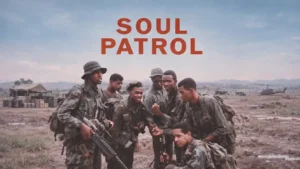

Soul Patrol
Where It Has the Edge
No clear scored advantage over the other product.

Scorata scores summarize analyzed review evidence on a 1–5 scale; they are not laboratory measurements or a simple average of customer star ratings. Feature scores summarize the reviews covering that feature. The overall score averages feature scores within each review, then combines review averages. When both expert and customer evidence are available, those two groups receive equal weight. Products can have different review coverage, so small score gaps do not establish a winner.
Recommendations prioritize important features for the category, with a score of at least 3.5, a gap of at least 0.25 points and at least two supporting reviews per product. Features with widely varying scores or broad connectivity contexts are excluded from recommendations. These safeguards do not establish statistical significance.
Quick verdict
There is not enough consistent, comparable evidence for a clear recommendation. Use the feature details and supporting reviews to weigh the tradeoffs.
There is not enough comparable review evidence to recommend Soul Patrol over the other product.
There is not enough comparable review evidence to recommend 14th over the other product.
No clear scored advantage over the other product.
No clear scored advantage over the other product.
Scores are out of 5. Missing scores mean missing review evidence, not a missing feature.
A critic finds the loud, string-heavy score generic and emotionally overbearing compared with the power of the testimony.
The score is frequently praised for energy and intensity, though one critic finds it formulaic and heavy-handed.
The film ends on moving images and music that lend its acts of witness and remembrance a sense of completion.
The conclusion inspires some viewers but frustrates others who want practical steps beyond education and awareness.
The veterans’ candid, often painful recollections are the documentary’s emotional center. Their reunion and the conversations with partners add rare warmth and firsthand detail.
Interviews and testimony illuminate the subject, though short sound bites and an abundance of commentators can undermine the depth.
Rather than turning neglected history into documentary homework, the film is praised for bringing lived personalities and emotional urgency to the genre.
As a documentary it offers substantial educational value, although some critics find its cinematic approach less successful.
Close-up portraits and elegant black-and-white reunion scenes highlight the veterans’ expressive faces. The photography often conveys as much emotion as the dialogue.
Camera movement and interview compositions can be striking, although some critics find the setup inconsistent.
A dissenting critic believes the familiar lessons about the horror and futility of war are rehearsed at exhausting length.
Repeated quotes, graphics and interview observations can either reinforce the argument or make the film feel redundant.
Archival footage, newsreels and present-day interviews are woven together effectively, though a few choices feel overdetermined or crowded.
The assembly of disparate material is praised for momentum and criticized for crowded interviews, repetition and insufficient focus.
Although the film respects its subjects’ contradictory beliefs, one critic argues that it prioritizes their therapeutic needs over broader public inquiry.
Its explicitly argumentative approach is valued by sympathetic critics but questioned for selective analysis and insufficient treatment of opposing arguments.
The final reunion lends the film an intimate emotional structure. Many critics find the conversations at the table more affecting than the reconstructed wartime scenes.
The framing of interview subjects is admired for its stately quality by some critics and criticized as inconsistent by others.
The case for honoring overlooked service and facing the lasting costs of war is delivered with compassion rather than easy triumphalism.
The defense of equal rights and constitutional protections is forceful, but some viewers wanted a more actionable conclusion.
The veterans’ vulnerability, reunion and losses make the film deeply moving for most critics. Even some reviewers who resist its stylistic devices find the human stories affecting.
The historical and contemporary material can be deeply upsetting, galvanizing and inspiring, although several critics found it less affecting than its predecessor.
The tight focus on one Black reconnaissance unit gives the documentary its personal power. Critics who wanted deeper historical context, more spouse testimony or Vietnamese voices find the scope restrictive.
Its broad scope is ambitious and informative, yet sometimes leaves individual issues and contributors underexplored.
The 100-minute structure keeps the account engaged, but some critics feel a longer examination could have explored political and family perspectives more fully.
The feature-length format is brisk for some critics but others wanted more room, possibly an episodic format.
The film travels between living memories, period footage and staged images rather than following a purely chronological account. This hybrid structure impresses some and seems basic or uneven to others.
The amendment’s sections provide a framework, but critics disagree about whether the many historical strands cohere.
The film examines the soldiers’ conflicting loyalties and the injustice they faced at home, but one critic finds the lack of Vietnamese perspectives a major omission.
Conservative voices appear alongside progressives, but some critics find the treatment too partisan or insufficiently rigorous to persuade skeptics.
Period speeches and footage situate the soldiers amid the civil-rights movement and antiwar protests. Some critics would welcome a fuller examination of larger political and Vietnamese perspectives.
The film connects historical backlash to current constitutional disputes; its treatment of institutional responsibility and counterarguments is disputed.
J.M. Harper earns praise for giving forgotten veterans a moving platform and blending documentary methods. A recurring reservation is that his more emphatic scripted imagery can overshadow the subjects.
DuVernay’s ability to connect past and present is widely admired, but her visual and structural decisions divide critics.
The urgency of recording threatened or neglected histories makes the documentary’s subject feel relevant beyond its Vietnam-era setting.
The connection between Reconstruction and present-day disputes gives the film striking urgency.
The unit’s particular experiences illuminate the overlapping pressures of combat, racism, and the civil-rights era. While many admire the layered approach, a few wish the wider war and Vietnamese perspectives had received deeper treatment.
Reconstruction and the erosion of constitutional protections receive substantial attention, although some critics want more detail on the framers and legal institutions.
Super 8 films, still photographs and era-specific broadcasts deepen the film’s intimacy and historical texture. Critics particularly value the material recorded by the soldiers themselves.
Rare historical photographs and footage give Reconstruction a tangible human dimension.
The hybrid style and concentration on this rarely documented group distinguish the film for admirers; a dissenting reviewer argues some familiar war themes are repeated.
Some find the historical connections revelatory, while others see familiar arguments and material.
A reviewer finds that production limitations sometimes make the period recreations less convincing than the original footage and interviews.
The integration of history, testimony, imagery and music is admired, although the digital techniques divide opinion.
The movie mixes intimate reunion footage with stylized recreations and spectral glimpses of past soldiers. Its imagery can be poetic, though some find the more literal metaphors showy.
Stately interviews and lively graphics win praise, while some critics find the overall presentation chaotic or artificial.
The closing songs land with a poignant sense of loss and endurance, complementing the soldiers’ late-life reflections.
Jazz, hip-hop and other music lend the documentary energy and help bridge historical eras.
Emanuel’s narration gives helpful context to a focused portion of the war and his changing understanding of it.
Sherrilyn Ifill provides a clear recurring guide; some critics wish the film relied more consistently on her.
AI animation of historic photographs is the most divisive visual choice: some appreciate the liveliness, while many find it artificial, unnecessary or ethically troubling.
Animations bring historical photographs and graphic motifs to life for some viewers but look uncanny or distracting to others.
The veterans’ fears, regrets, and damaged postwar lives lend the documentary a forceful critique of the cost and futility of war. One less enthusiastic critic finds some of this moral territory familiar.
Archival material connects historical injustice to modern events, with mixed reactions to animated photographs.
Rare Super 8 footage shot by the soldiers brings unusual intimacy and authenticity to their youth and time in Vietnam. Some critics note that not enough footage of the specific unit survives.
The exploration of Confederate mythology, monuments and popular imagery is a particularly revealing account of how propaganda shapes collective memory.
The film gives the veterans distinct backgrounds and perspectives, though one critic finds their individual biographies limited beyond wartime experiences.
The movie sketches the individual life stories that led these men to war, but some critics think the broader biographies remain underdeveloped.
The present-day interviews gain intimacy from stark, beautifully composed monochrome close-ups. Several critics single out the veterans’ faces as especially memorable.
Critics praise its examination of collective historical denial and Confederate mythmaking.
The soldiers’ histories correct the marginalization of Black combatants and make the racism they encountered inseparable from the military story.
The constitutional subject is widely regarded as important and urgent even when critics disagree about the execution.
Notes about the veterans’ passing and the closing music leave an especially moving final impression.
Critics disagree whether the many experts and commentators broaden the perspective or drown out the most compelling voices.
Closing tributes to participants who died give the documentary a moving sense of urgency and respect.
Several critics wanted more testimony from ordinary people affected by constitutional disputes rather than a concentration of elite voices.
The legal and historical experts, particularly Sherrilyn Ifill, are a major strength; the large roster sometimes dilutes their authority.
Legal concepts are often explained clearly and accessibly, though the volume of material can overwhelm the argument.
Partners’ testimony illustrates how combat trauma shaped family life long after the soldiers returned. Several critics wish these valuable perspectives had more screen time.
Brief conversations with spouses reveal the effects of wartime trauma on domestic life, though the limited time given to family perspectives is a missed opportunity.
The manipulation of historical photographs raises concerns about consent, transparency and documentary integrity.
The companionship of men who once depended on one another in combat becomes the film’s strongest note of hope amid grief and trauma.
The recurring five-point star helps organize the amendment for some viewers and feels repetitive or heavy-handed to others.
The surviving veterans’ losses and the deaths of some participants are handled movingly, particularly in the final moments and credits.
The film restores a neglected chapter of Vietnam War history by recording the soldiers’ own experiences while they can still tell them. This act of remembrance is among its most consistently praised qualities.
Reactions divide sharply: some find the wartime reconstructions and supermarket apparitions haunting and inventive, while others call them theatrical, heavy-handed or distracting from the interviews.
Stand-up excerpts bring wit and relief to difficult material, although their placement is distracting for some critics.
The documentary examines the enforcement and erosion of constitutional safeguards; some critics want deeper scrutiny of institutional accountability.
Interview lighting is admired by some critics but considered inconsistent by others.
Its close-ups of weathered faces and quietly haunting imagery are presented as the kind of moments that outlast the end credits.
The opening links presidential oaths and contemporary events to the constitutional argument.
The original closing song is praised for reinforcing the film’s demand for change.
Some find the film brisk and lively; others feel it rushes through too much information or becomes exhausting.
The film’s defense of constitutional ideals is moving for some, but its sentimental view of American identity troubles others.
Popular culture examples illuminate the persistence of Confederate symbolism and mythology.
The film vividly conveys how war continues in veterans’ memories and relationships decades after combat. Some dramatized images are criticized as unnecessarily literal, but the testimony is often devastating.
Several critics felt the release after the midterm elections diminished the documentary’s immediate civic impact.
The research is regarded as substantial by some critics, while others find the analysis insufficiently grounded or rigorous.
The film’s grave subject is balanced with humor for some viewers, while others find the tone foreboding or too lecture-like.
The film connects slavery, Reconstruction, racial terror and later discrimination with contemporary struggles over equal rights.
Music cues add momentum, although a standout cue is cut short before it can fully register.
What begins as a unit history becomes a compelling account of lives bound by war and its long aftermath. The veterans’ own voices give the story its authority.
The star losing its points symbolizes the erosion of rights, a device that some find effective and others find blunt.
War, racial injustice, divided loyalty, shame and remembrance intersect in the soldiers’ testimony. Some critics see profound complexity, while others want the film to pursue those questions further.
The veterans’ painful stories and occasional humor provide relief without undermining the gravity of their experiences.
The soldiers’ enduring bond becomes an emotional anchor, showing how reunion and mutual understanding offer comfort after decades of silence.
Real footage and historical photographs of racial violence and deaths are powerful but can be difficult and potentially triggering.
The argument is lucid and carefully built for some critics, but others find it scattered, underdeveloped or insufficiently persuasive.
The film’s call to defend constitutional rights is stirring for some critics, but others find its practical guidance inadequate.
Emanuel’s narration helps anchor the film in his experiences and supplies useful background, making some reenacted passages feel redundant.
The material is often engaging despite its complexity, but its crowded presentation can become tiring.
Atmospheric wartime sounds and solemn music help establish an uneasy bridge between past and present.

A deeply human coming-of-age drama carried by remarkable performances and an honest portrayal of grief. Its gentle optimism moves most viewers, though some find the final stretch hurried or overly...
Pros: Grief portrayal, acting performance
Cons: pacing

Billie Jean King’s magnetic first-person storytelling makes this an exhilarating portrait of athletic courage and social change. The filmmaking follows a familiar documentary structure, and her full tennis résumé gets...
Pros: entertainment value, Biographical coverage
Cons: Narrative structure

Choose this inventive, unsettling documentary for fearless questioning, dark humor, and unpredictable storytelling. Skip it if you want a short, straightforward exposé with definitive answers.
Pros: originality, humor

A singular voice, powerful piano playing and intimate film photography make this concert absorbing for receptive listeners. Its uninterrupted, often similar-sounding songs and lack of background context are an acquired...
Pros: directing quality, cinematography
Cons: pacing, Song variety