Compare Everytime vs All Night Wrong

Everytime

Everytime

Overall score 4.3 / 5

Based on 31 scored reviews

vs
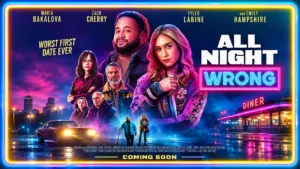
All Night Wrong

All Night Wrong

Overall score 3.3 / 5

Based on 14 scored reviews

How we score

Scorata scores summarize analyzed review evidence on a 1–5 scale; they are not laboratory measurements or a simple average of customer star ratings. Feature scores summarize the reviews covering that feature. The overall score averages feature scores within each review, then combines review averages. When both expert and customer evidence are available, those two groups receive equal weight. Products can have different review coverage, so small score gaps do not establish a winner.

Recommendations prioritize important features for the category, with a score of at least 3.5, a gap of at least 0.25 points and at least two supporting reviews per product. Features with widely varying scores or broad connectivity contexts are excluded from recommendations. These safeguards do not establish statistical significance.

Quick verdict

What each product is best for

The review evidence points to a tradeoff: dialogue quality and memorability versus Genre blending and visual style. Choose according to which strengths matter more to you; the overall score alone does not settle that choice.

Choose Everytime for dialogue quality and memorability.

Choose All Night Wrong for Genre blending and visual style.

Why these recommendations?

Everytime

Where It Has the Edge

  • dialogue quality is 4.5 vs 1.5. Naturalistic exchanges make the world feel inhabited, while Ella’s terse barbs land with cutting precision.
  • memorability is 5.0 vs 2.0. The images and unresolved feelings are difficult to shake. Some responses grow stronger over days or weeks rather...
  • originality is 4.8 vs 3.2. The strongest admirers find a distinctive cinematic language rather than another familiar grief drama. Its unusual use of...

All Night Wrong

Where It Has the Edge

  • Genre blending is 5.0 vs 4.3. Romantic comedy, neo-noir, suspense and violent farce mingle in an unusually lively mix. The balance of danger and...
  • visual style is 5.0 vs 4.7. The neon-lit interiors, nocturnal imagery and retro mood leave a strong impression, especially when paired with the synth...
Everytime 4.3 overall score
All Night Wrong 3.3 overall score

Compare features

Scores are out of 5. Missing scores mean missing review evidence, not a missing feature.

Scored on both products

Ownership and support

Rewatch value
Everytime
4.8

A second viewing can reveal visual clues and deepen the digital-memory theme. It may sharpen an interpretation without resolving every ambiguity.

All Night Wrong
1.0

Despite being tolerable as a one-off, the movie leaves one viewer with no real desire to revisit its mystery.

Other features

Realism
Everytime
4.5

Lived-in dialogue, recognizable sibling behavior and grounded performances make the early family world convincing. That authenticity gives the later ruptures an emotional foundation.

All Night Wrong
1.0

The implausible decisions and convoluted attempts to avoid police make the story difficult to believe, even as deliberate farce.

Dialogue quality
Everytime
4.5

Naturalistic exchanges make the world feel inhabited, while Ella’s terse barbs land with cutting precision.

All Night Wrong
1.5

The leads’ awkward banter suits their unusual meeting, but one-liners and repeated villain speeches can wear thin rather than build laughs.

Memorability
Everytime
5.0

The images and unresolved feelings are difficult to shake. Some responses grow stronger over days or weeks rather than resolving as the film ends.

All Night Wrong
2.0

The modest mystery and familiar plot mechanics leave some viewers doubting they will remember much of the movie once it ends.

Narrative structure
Everytime
3.9

The movement from domestic observation into fractured time is central to the film’s appeal and its risk. Many find the layers expressive, while others see overly insistent construction or a setup that fails to cohere.

All Night Wrong
2.0

The investigation can feel like a loose sequence of questions and discoveries rather than a tightly shaped mystery.

Originality
Everytime
4.8

The strongest admirers find a distinctive cinematic language rather than another familiar grief drama. Its unusual use of digital space and willingness to abandon ordinary reality make it feel genuinely inventive.

All Night Wrong
3.2

The dating-app crime setup and energetic odd-couple antics offer some freshness. Other elements follow familiar genre formulas or rely on hackneyed behavior.

Writing quality
Everytime
3.9

The writing avoids familiar grief speeches and establishes convincing sibling behavior. Criticism centers on underdeveloped digital themes and symbolic choices that can feel arbitrary.

All Night Wrong
2.4

Character-centered moments and well-placed jokes work best, but the script’s constant contrivances are the dominant weakness. Plenty of viewers question why the leads repeatedly reject obvious solutions.

Humor
Everytime
4.8

Melli’s delivery and an unexpected comic interruption create welcome humor within the sadness. The balance can hold laughter and devastation in the same moment.

All Night Wrong
3.3

Its funniest moments come from awful decisions, awkward confessions and escalating dark absurdity. Several viewers laugh enthusiastically, while others say the jokes are too scattered to carry the whole movie.

Plot clarity
Everytime
3.1

Answers remain elusive as memory and reality overlap. That uncertainty can feel purposeful and liberating, but even repeat viewers sometimes find the finale incoherent.

All Night Wrong
1.7

The characters increasingly cover for each other through implausible complications, and the plot eventually asks for more suspension of disbelief than some can give.

Tonal consistency
Everytime
3.9

Comedy, domestic restraint and emotional devastation can coexist with impressive control. The balance is less secure for those who find the conceptual shift emotionally distancing.

All Night Wrong
2.6

A dead-serious noir presentation makes the absurd comedy funnier for some. Others feel the movie cannot smoothly reconcile intimate drama, farce and threats of violence.

Plot twists
Everytime
3.7

Early tragedy and later perceptual shifts make the journey genuinely surprising. The final surprise divides opinion because its payoff can feel weaker than its setup.

All Night Wrong
2.4

The many turns keep the caper lively for some, yet others find them glaringly obvious, overly coincidental or simply insufficiently clever.

Story quality
Everytime
3.5

The ordinary family routines develop into an absorbing study of loss for many, but the loose narrative and late detour leave others without enough story to hold onto.

All Night Wrong
2.3

The central setup is appealing, but execution splits opinion: warmth and escalating surprises work for some, while contrivances and thin mystery writing disappoint others.

Cinematography
Everytime
4.8

Gregory Oke’s photography is the clearest consensus strength: sunlit landscapes, distant bodies and startling camera movements make loss visible. The rooftop sequence and glowing water recur as standout images.

All Night Wrong
3.7

Neon interiors and inky night scenes look stylish to many viewers, especially given the modest scale. Another perspective finds the darkness so heavy that following the action becomes difficult.

Lighting quality
Everytime
4.8

Golden sunsets and luminous water create beauty without erasing sorrow. The warm light can feel both reassuring and uncannily suspended in time.

All Night Wrong
3.7

Some praise the unusual feat of keeping nighttime action visible amid deep shadows and neon. Others complain that the darkness actively obscures what is happening.

Mystery quality
Everytime
4.0

The unexplained circumstances and strange signs invite meaningful interpretation beyond what the characters themselves can articulate.

All Night Wrong
3.0

The corpse, cash and unknown pursuer initially provide an intriguing puzzle. Its solutions strike others as predictable, overly mechanical or unexciting.

Genre blending
Everytime
4.3

The move from domestic grief into magical realism is often admired as inventive and emotionally expansive. It can also feel convenient or jarring after the grounded first stretch.

All Night Wrong
5.0

Romantic comedy, neo-noir, suspense and violent farce mingle in an unusually lively mix. The balance of danger and tenderness is among the movie’s most frequently praised qualities.

Directing quality
Everytime
4.6

Sandra Wollner’s observational control and bold visual ideas earn strong praise. The main reservation is whether her increasingly elaborate final movement sustains the emotional clarity of the opening.

All Night Wrong
4.0

Jason James often lets the absurd events play with a straight face, creating an appealing rural-noir effect. Less favorable responses think that restraint muffles the comedy or leaves the shifts in tone awkward.

Comic timing
Everytime
5.0

Melli’s pitch-perfect delivery makes her comic moments a particular delight.

All Night Wrong
4.5

The leads’ contrasting rhythms can make serious situations unexpectedly funny, with nervy pauses set against sudden impulsiveness. Some find the gags merely competent or uneven.

Suspense
Everytime
4.5

An ordinary morning, a phone’s typing indicator and small disturbances become sources of intense suspense. The film makes uncertainty feel threatening without relying on constant incident.

All Night Wrong
4.0

The creepy motel and relentless killer give the film flashes of genuine tension, but predictable turns and the leads’ baffling decisions repeatedly undercut the thrills.

Pacing
Everytime
3.4

Patient observation lets everyday gestures carry grief without speeches. The middle section also attracts complaints of meandering, indulgence and developments that arrive too late.

All Night Wrong
3.0

The single-night story often moves quickly through mishaps and threats. But unnecessary detours, repeated questions and uneven transitions can slow its momentum.

Emotional impact
Everytime
4.4

The early tragedy and quiet aftermath can be devastating, with an effect that lingers long after viewing. Emotional distance and the final conceptual leap keep that impact from reaching everyone equally.

All Night Wrong
4.0

Behind the corpse and stolen car is a surprisingly tender story about being seen and valued. The heartfelt confessions are a standout for several viewers, although the emotional stakes remain muted for others.

Runtime
Everytime
1.8

The running time is a weakness for the more critical assessments: sparse plotting and an extended final movement make the film feel stretched.

All Night Wrong
2.0

The 91-minute movie feels stretched to viewers who think its premise is too thin, while others still find it an acceptable one-time watch.

Cast chemistry
Everytime
4.8

The sibling rapport and the central trio’s complex bond feel authentic. Grounded interactions make affection, resentment and mutual dependence coexist.

All Night Wrong
4.9

The seemingly mismatched central pair grow increasingly engaging as they work together. Their comic contrast and unexpected tenderness frequently outweigh the plotting flaws.

Score quality
Everytime
4.6

Lilting piano and ethereal electronic textures reinforce the uneasy, game-inflected atmosphere. The evolving music also helps the reality shifts connect emotionally.

All Night Wrong
4.7

The synthwave-tinged score strengthens the nocturnal mood and stands out as one of the film’s most reliably enjoyable touches.

Atmosphere
Everytime
4.6

Sunlit beauty coexists with eerie emptiness, producing a seductive waking-dream atmosphere. The ghostly mood often survives reservations about the story’s logic.

All Night Wrong
4.5

The snowy small town, dingy motel, retro details and synth-heavy music create a distinctive after-dark mood. The music helps the atmosphere shine even when the story falters.

Character development
Everytime
3.9

Small gestures and unspoken feelings make the family recognizable, with Melli’s transformation a particular strength. Reservations focus on emotional abstraction and the limited insight into Jessie before her death.

All Night Wrong
4.0

Their shared ordeal draws out insecurity, grief and questions of self-worth, adding feeling to the caper. Others find that at least one protagonist never becomes more than a basic comic type.

Opening sequence quality
Everytime
4.9

The opening builds an ordinary family world before a startling rooftop sequence changes everything. Its controlled observation and shocking visual turn are repeatedly singled out as exceptional.

All Night Wrong
5.0

Groovy animated credits make a striking first impression, even though their playful look does not quite resemble the feature that follows.

Theme depth
Everytime
4.7

The film finds substantial questions in grief, memory and the possibility of continued presence. Its refusal to prescribe clear answers is often seen as compassionate and thought-provoking.

All Night Wrong
4.7

Self-worth, loss and the fear of letting love go give the absurd adventure a meaningful undercurrent. Even viewers lukewarm on the mystery often appreciate that emotional idea.

Narrative repetition
Everytime
2.0

The repeated foreshadowing and recurring visual motifs can become oppressive, leaving individual images burdened with too much intended meaning.

All Night Wrong
2.0

The ongoing attempt to connect every clue grows repetitive, making the mystery feel longer than it should.

Performance

Lead performance
Everytime
4.9

Birgit Minichmayr gives the grieving mother layered, tightly contained anguish. Tiny changes in her face convey resentment, tenderness and the effort of carrying on.

All Night Wrong
4.0

The duo can carry the movie through sheer comic contrast and moments of emotional openness, though Cherry’s understated delivery does not fully convince everyone.

Acting performance
Everytime
4.5

The acting is widely praised for conveying pain through restraint. Natural rapport and small expressions keep difficult material moving without pushing it into melodrama.

All Night Wrong
4.0

Zach Cherry and Maria Bakalova are the main draw, pairing anxious restraint with impulsive charisma. Not everyone finds their acting equally effective, but even critical responses often credit their charm.

Supporting cast performance
Everytime
4.7

The younger performers bring naturalness and tenderness to the family’s pain. Lotte Shirin Keiling receives particular praise for her unaffected presence and precise delivery.

All Night Wrong
4.3

Tyler Labine and Emily Hampshire often make strong impressions with limited time, and Preston Vanderslice adds a likable complication. Some find the broader support merely serviceable.

Comfort and build

Visual style
Everytime
4.7

The film moves between textured celluloid, home-video fragments and digital landscapes with striking visual assurance. Its painterly sunsets and dreamlike distortions remain compelling even for some who reject the ending.

All Night Wrong
5.0

The neon-lit interiors, nocturnal imagery and retro mood leave a strong impression, especially when paired with the synth score.

Evidence available for one product

Other features

Action sequence quality
EverytimeNo score yet
All Night Wrong
4.7

The escalating confrontations and unexpected physical danger add urgency to the comedy. Enthusiastic responses enjoy the action, though the excitement is not consistent for everyone.

Animation quality
EverytimeNo score yet
All Night Wrong
5.0

The animated opening titles are a particularly enjoyable visual flourish, with groovy, blocky movement and a memorable retro feel.

Character decision plausibility
EverytimeNo score yet
All Night Wrong
1.2

The biggest stumbling block is how often Gary and Ell ignore obvious ways to escape trouble. Their increasingly reckless choices generate comedy for some, but repeatedly strain credibility for others.

Creative collaboration
Everytime
5.0

The complementary approaches of Wollner and Oke create especially expressive images. Their collaboration is praised for its control, inventiveness and visual force.

All Night WrongNo score yet
Editing quality
Everytime
4.6

The editing layers memory, present experience and digital media into a persuasive picture of fragmented grief. Its coldness and abrupt changes are treated as deliberate expressive choices.

All Night WrongNo score yet
Ending satisfaction
Everytime
3.8

The final act makes an audacious break with reality that many find sublime, moving or unforgettable. Others see an overcomplicated or overextended idea that undercuts the earlier drama.

All Night WrongNo score yet
Ensemble balance
EverytimeNo score yet
All Night Wrong
2.0

Bakalova’s greater emotional range can leave Cherry feeling underpowered beside her, making the central duo uneven despite their contrasting personalities.

Ethical handling of deaths
Everytime
4.8

Restraint keeps the death and its aftermath from feeling exploitative. The drama trusts ordinary behavior and pathos over sensational grief or forced emotional speeches.

All Night WrongNo score yet
Family dynamics
Everytime
4.4

Sibling friction and the uneasy bond between a grieving mother, child and former boyfriend give the family dynamics authenticity. The generational distinctions occasionally feel overly neat.

All Night WrongNo score yet
Film framing
Everytime
4.8

Distant figures, expressive long takes and carefully framed reflections turn composition into emotional storytelling. The final act often has the stillness and beauty of a painting.

All Night WrongNo score yet
Flashback storytelling
Everytime
5.0

Memories of Jessie’s liveliness flow naturally into the family’s present paralysis, making her simultaneous closeness and absence tangible.

All Night WrongNo score yet
Grief portrayal
Everytime
4.6

Grief is shown through routines, conflicting impulses and a world that suddenly feels unfamiliar. Most praise its empathy and precision, although abstraction and the final turn can weaken that connection.

All Night WrongNo score yet
Guilt and regret
Everytime
4.6

Blame, guilt and regret emerge through withheld reactions rather than accusations alone. The mother’s mixture of resentment and compassion gives these feelings particular complexity.

All Night WrongNo score yet
Loneliness portrayal
Everytime
4.3

Distant figures, confined rooms and impersonal technology convey how grief can isolate people even when they remain physically together.

All Night WrongNo score yet
Romance quality
EverytimeNo score yet
All Night Wrong
3.7

The leads are easy to root for as unexpected confidants, and their gradual connection supplies warmth. Their sexual or romantic chemistry is less convincing to some than their friendship.

Scares
Everytime
4.0

An unexplained drone encounter turns an everyday space into a dread-filled scene.

All Night WrongNo score yet
Special effects quality
Everytime
4.0

The effects are modest rather than elaborate, but they effectively support the altered world and dreamlike light.

All Night WrongNo score yet
Symbolism
Everytime
3.6

Recurring images can yield rich visual payoffs and connect small moments across the film. Their accumulation also risks becoming oppressive or overwhelming to unpack.

All Night WrongNo score yet
Technology and humanity
Everytime
4.4

Digital traces make lost loved ones seem persistently present through messages, home videos and game worlds. Most find this insightful and distinctive, though one criticism sees the technological inquiry as too vague and neglectful of social media.

All Night WrongNo score yet
Villain quality
EverytimeNo score yet
All Night Wrong
3.8

Tyler Labine’s imposing, grimly theatrical killer is an entertaining threat for many viewers. His repeated lines and tactics become tiresome to some.

Winter setting distinctiveness
EverytimeNo score yet
All Night Wrong
5.0

The isolated, snowy small-town setting gives this date-night disaster its own character, separating it from more familiar urban crime comedies.

Controls and connectivity

Audience appeal
Everytime
2.0

The deliberately elusive approach can become alienating, especially when emotional connections fail to cohere.

All Night WrongNo score yet
Character appeal
EverytimeNo score yet
All Night Wrong
2.7

The bungling leads can be surprisingly endearing, but Gary’s passivity and Ell’s thinly sketched traits also frustrate viewers who want smarter, fuller characters.

Smartphone storytelling
Everytime
4.6

Texts, phone reflections and apparent replies from the dead turn small digital gestures into emotional events. The devices become both archives of intimacy and unsettling suggestions of continued presence.

All Night WrongNo score yet
Voiceover effectiveness
Everytime
3.5

The late voiceover is sharply divisive: one assessment finds it particularly haunting, while another thinks the film would lose nothing by removing it.

All Night WrongNo score yet

Ownership and support

Entertainment value
EverytimeNo score yet
All Night Wrong
3.4

The odd couple and escalating disasters make for a fun, strange night when the humor clicks. Other viewers find it only adequate or downright tedious, so enthusiasm varies substantially.

Production value
EverytimeNo score yet
All Night Wrong
1.0

The small budget is sometimes painfully apparent, with a cheap-looking presentation that takes away from the experience.

Performance

Marketing accuracy
EverytimeNo score yet
All Night Wrong
2.0

The trailer successfully suggests a funny, promising comedy, but one group felt it had already shown the movie’s best jokes.

Soundtrack quality
EverytimeNo score yet
All Night Wrong
4.7

The 1980s-flavored rock and electronic music suits the throwback atmosphere and remains a highlight even for viewers disappointed by the rest of the movie.

Comfort and build

Production design
EverytimeNo score yet
All Night Wrong
5.0

The motel and gas station evoke a grimy 1970s–1980s small town, anchoring the outlandish story in distinctive surroundings.

Sound design
Everytime
5.0

Vivid sound and small off-screen disturbances give familiar places an uneasy presence. The soundscape helps everyday routines feel alive while suggesting something beyond the frame.

All Night WrongNo score yet
World-building
Everytime
4.0

The altered resort and digital echoes invite immersion in an unfamiliar world. One reservation is that its physical and cosmic boundaries could be more clearly defined.

All Night WrongNo score yet

Other Top Movies to Consider

#1 You Can See Everything
4.7

Choose this inventive, unsettling documentary for fearless questioning, dark humor, and unpredictable storytelling. Skip it if you want a short, straightforward exposé with definitive answers.

Pros: originality, humor

#2 Possible Love
4.7

Extraordinary performances and richly observed relationships make this a rewarding, emotionally forceful drama. Its nearly three-hour length and slow opening demand patience and undivided attention.

Pros: class commentary, character development

#3 Chronovisor
4.7

Best for a hypnotic, bookish mystery with tactile visuals and cerebral chills. Skip it if reading-heavy, attention-demanding storytelling sounds more exhausting than exciting.

Pros: Atmosphere, cinematography

Cons: audience appeal

#4 Remake
4.6

Best for an intimate, searching documentary that rewards focused attention and invites discussion. Skip it when devastating grief, addiction footage, and unresolved family tensions would be too much.

Pros: emotional impact, theme depth