
SCTV: The Greatest Show You’ve Never Heard Of
Where It Has the Edge
- Historical preservation is 5.0 vs 4.0. By gathering surviving participants and presenting classic footage, the documentary becomes a particularly affecting record of a comedic...

Scorata scores summarize analyzed review evidence on a 1–5 scale; they are not laboratory measurements or a simple average of customer star ratings. Feature scores summarize the reviews covering that feature. The overall score averages feature scores within each review, then combines review averages. When both expert and customer evidence are available, those two groups receive equal weight. Products can have different review coverage, so small score gaps do not establish a winner.
Recommendations prioritize important features for the category, with a score of at least 3.5, a gap of at least 0.25 points and at least two supporting reviews per product. Features with widely varying scores or broad connectivity contexts are excluded from recommendations. These safeguards do not establish statistical significance.
Quick verdict
The review evidence points to a tradeoff: Historical preservation versus editing quality and Documentary scope. Choose according to which strengths matter more to you; the overall score alone does not settle that choice.
Choose SCTV: The Greatest Show You’ve Never Heard Of for Historical preservation.
Choose Avedon for editing quality and Documentary scope.
Scores are out of 5. Missing scores mean missing review evidence, not a missing feature.
Critics praise the film’s Canadian comedy history but object to its strong dependence on Americans to establish the show’s significance.
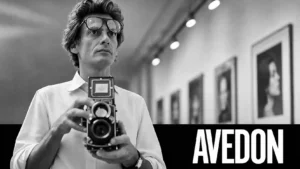
The documentary gives room to Avedon’s portraits of ordinary workers, civil-rights figures, and people otherwise excluded from glamour photography. This broader focus deepens its account of his artistic ideals.
Explanatory commentary sometimes interrupts sketches just as their comic timing is developing, although the emotional reunion scenes are more carefully handled.
Inventive sequencing makes hundreds of stationary photographs feel rhythmic and cinematic. Its strongest admirers regard the editing as an achievement in documentary storytelling.
The biggest recurring objection is incomplete coverage: the film skips important participants, gives some conflicts little time, and even omits the final season.
The film spans more than half a century of work, linking fashion, portraiture, and social commentary rather than staying with celebrity shoots. Some still want fuller treatment of his influence or private life.
The chronological framing is straightforward, but ending the history around NBC’s cancellation without covering the final season weakens its accuracy.
The film moves smoothly between striking pictures, artistic method, and biography, sometimes organizing a life around creative ideas rather than chronology. Some find the familiar documentary format and later talking heads a little formulaic.
A brisk 88-minute tour keeps the show accessible, but several critics say important creative and historical developments move by too quickly.
Even across 104 minutes and a long artistic career, many find the film lively, kinetic, and concise. Its briskness helps prevent a collection of still photographs from becoming static.
The concise length gives the documentary energy and makes it easy to sample, but there is disagreement about whether 88 minutes can do justice to the subject.
The 104-minute portrait is described as engrossing rather than overlong, with enough material to sustain interest throughout.
By gathering surviving participants and presenting classic footage, the documentary becomes a particularly affecting record of a comedic generation.
Extensive footage and photographs preserve a vivid account of the people and period that shaped the photographer’s work.
The affectionate tribute can feel one-sided, especially when celebrity praise crowds out harder questions and Canadian perspectives.
The authorized access yields rare material but also raises questions about whether the film challenges its subject enough. Critics of its more affectionate approach point to missing controversies and selective scrutiny.
Cast interviews supply wit and firsthand history; celebrity fans bring enthusiasm but can crowd out the comedy or Canadian perspectives.
Models, critics, colleagues, and relatives provide revealing anecdotes, and archived recordings let the photographer speak for himself. The breadth of testimony is a core strength, even when the praise feels unchallenged.
The famous fans bring genuine enthusiasm and occasional sharp observations about why SCTV mattered.
A wide set of models, editors, family members, and art-world figures offer often illuminating observations. Some feel the praise grows excessive and occasionally becomes celebrity worship.
The film outlines the show’s origins, budget limitations, network struggles, and breakthrough, though later years and departures are more hurried.
Photographs from fashion magazines, civil-rights struggles, and wartime Vietnam place Avedon’s methods in the changing world of the 20th century.
Stories of turning budget constraints into jokes, designing character impersonations, and working as an ensemble are fascinating; some critics want more detail.
The film is especially rewarding when it shows how patience, rapport, and careful selection made Avedon’s portraits distinctive. The memorable stories go beyond camera settings to the relationships behind each image.
The film highlights how this cult Canadian sketch show inspired generations of better-known American comic performers.
The portrait convincingly conveys how Avedon changed fashion and celebrity photography, with echoes in modern visual culture. Some question whether it demonstrates his influence on living photographers strongly enough.
Candid memories about budgets, networks, pay, and cast friction reveal the improvisational pressure behind the show’s inventive comedy.
Rare studio recordings, contact sheets, and personal archives reveal how celebrated photographs came together. Access to the family foundation is both a strength and a source of skepticism about independence.
Jason Hehir gives the performers room to tell their story and captures a poignant reunion, although the historical coverage can feel overcompressed.
Howard is widely praised for making an accessible, humane and often thrilling portrait, with enough movement to animate still photographs. More skeptical voices find his handling reverential or formally conventional.
Great SCTV sketches and older footage showcase the show’s oddball originality. Some wish the jokes were allowed to play for longer without interruptions.
Vintage interviews and behind-the-camera film give Avedon a lively voice decades after his death. The material makes the photographer feel surprisingly present.
The aging cast watches its younger selves with tenderness, humor, and grief; Catherine O’Hara’s presence makes those scenes especially poignant.
Family recollections and the vulnerability inside Avedon’s portraits give the documentary affecting moments. Its examination of his sister and father is particularly moving.
A lively, affectionate tour of the comedy troupe combines big laughs with memorable personal reflections. Even critics who want a fuller documentary find much to enjoy.
Despite relying on still images and interviews, the film often feels animated, involving, and fun. A smaller group finds it interesting but conventional rather than truly exceptional.
The wealth of portraits, contact sheets, outtakes, and personal photographs is a major draw. Carefully chosen images keep the film visually engrossing.
The documentary follows a long career across fashion, portraiture, advertising, and political photography while connecting major accomplishments to a troubled family life. Its breadth is frequently praised, though some private history goes unexplored.
Many find an emotionally revealing portrait of a driven, complicated artist. Others feel his marriages, sexuality, professional conflicts, and darker behavior receive overly gentle treatment.
Some find Howard admirably attentive to the photographer’s flaws and emotional contradictions. Others see a sanctioned tribute that sidesteps disputes and minimizes less flattering parts of his life.
The comedians’ old connection remains visible in how naturally they watch, tease, and laugh with one another.
The warm, funny reunion is widely considered the best part, capturing real affection and shared comic instincts across decades.
One criticism is that the newly shot digital interviews look ordinary beside the older photographic material. The images by Avedon remain the real visual attraction.
The interviews carry their own quick humor, but commentary cutting into sketches can interrupt the jokes.
The documentary lovingly explores decades of friendship while also raising tensions over the McKenzie brothers’ success and uneven recognition.
Some fans are disappointed that important contributors from the original troupe are left out of the historical account.
Accounts of his demanding father, troubled sister, marriages, and relationship with his son add emotional texture. The treatment is poignant but not equally revealing about every relationship.
The historical emphasis on recognition in the United States can leave the Canadian series’ later history feeling incomplete.
The documentary sees the troupe’s friendships as its heart, and reunions decades later make those bonds unexpectedly moving.
The documentary delivers a cheerful, funny celebration of a formative sketch-comedy series, with a little backstage conflict.
Old sketches still deliver strong laughs, and the performers’ recollections often have comic timing of their own.
Some sketches and anecdotes have also appeared in recent documentaries about the same comedy circle, creating a sense of familiarity.
An energetic montage of portraits sets a lively tone and immediately establishes the subject’s reach. Music and image selection work particularly well together.
A stylishly handled subject does not always translate into adventurous nonfiction form. Fans value its craftsmanship, while critics see a familiar, authorized biographical package.
The film goes beyond fashion to Avedon’s civil-rights portraits, Vietnam imagery, and concern for people outside elite circles. Reactions differ on whether it confronts the ethics and controversies behind that work.
The documentary illuminates how commercial assignments funded bolder art and how Avedon managed collaborators and influential subjects, though difficult workplace relationships get limited scrutiny.
The photographer’s bisexuality and its place in his personal life are left largely undiscussed, an omission that frustrates critics seeking a fuller biography.
The classic bits are funny, but some reviewers complain that snippets are too short or overrun by celebrity reactions.
The film also prompts reflection on how magazines and the culture of carefully chosen images gave way to today’s flood of digital content.
Ideas about image versus reality, artistic control, and a photographer’s hidden vulnerabilities give the film substance beyond celebrity portraits. Some see contradictions honestly explored; others find the hard questions softened.
Omitting the final season and stopping the story at NBC’s cancellation distorts the account of SCTV’s full run.
The brisk, offbeat music helps give the opening portrait montage its punch and personality.
For anyone who grew up with SCTV, the old clips and affectionate reunion offer an unusually rewarding return to a formative comedy institution.
Multiple viewers dislike the implication that SCTV was unknown, calling the subtitle misleading or patronizing.
Avedon’s own recorded words are woven smoothly through interviews and photographs, often making him the documentary’s most engaging guide.
Photography-rich presentation brings motion and cinematic energy to still images rather than treating them as a basic slideshow.
Hundreds of extraordinary portraits and contact sheets make this a visually rewarding documentary, with static images brought to life through thoughtful presentation.

Choose this inventive, unsettling documentary for fearless questioning, dark humor, and unpredictable storytelling. Skip it if you want a short, straightforward exposé with definitive answers.
Pros: originality, humor
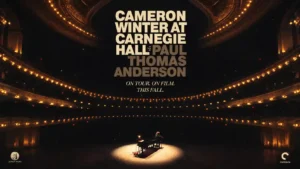
A singular voice, powerful piano playing and intimate film photography make this concert absorbing for receptive listeners. Its uninterrupted, often similar-sounding songs and lack of background context are an acquired...
Pros: directing quality, cinematography
Cons: pacing, Song variety

Extraordinary performances and richly observed relationships make this a rewarding, emotionally forceful drama. Its nearly three-hour length and slow opening demand patience and undivided attention.
Pros: class commentary, character development

Best for a hypnotic, bookish mystery with tactile visuals and cerebral chills. Skip it if reading-heavy, attention-demanding storytelling sounds more exhausting than exciting.
Pros: Atmosphere, cinematography
Cons: audience appeal