
SCTV: The Greatest Show You’ve Never Heard Of
Where It Has the Edge
- emotional impact is 5.0 vs 4.7. The aging cast watches its younger selves with tenderness, humor, and grief; Catherine O’Hara’s presence makes those scenes...

Scorata scores summarize analyzed review evidence on a 1–5 scale; they are not laboratory measurements or a simple average of customer star ratings. Feature scores summarize the reviews covering that feature. The overall score averages feature scores within each review, then combines review averages. When both expert and customer evidence are available, those two groups receive equal weight. Products can have different review coverage, so small score gaps do not establish a winner.
Recommendations prioritize important features for the category, with a score of at least 3.5, a gap of at least 0.25 points and at least two supporting reviews per product. Features with widely varying scores or broad connectivity contexts are excluded from recommendations. These safeguards do not establish statistical significance.
Quick verdict
The review evidence points to a tradeoff: emotional impact versus cultural representation and editing quality. Choose according to which strengths matter more to you; the overall score alone does not settle that choice.
Choose SCTV: The Greatest Show You’ve Never Heard Of for emotional impact.
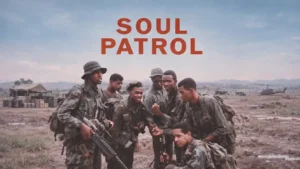
Choose Soul Patrol for cultural representation and editing quality.
Scores are out of 5. Missing scores mean missing review evidence, not a missing feature.
The historical emphasis on recognition in the United States can leave the Canadian series’ later history feeling incomplete.
The final reunion lends the film an intimate emotional structure. Many critics find the conversations at the table more affecting than the reconstructed wartime scenes.
Critics praise the film’s Canadian comedy history but object to its strong dependence on Americans to establish the show’s significance.
The soldiers’ histories correct the marginalization of Black combatants and make the racism they encountered inseparable from the military story.
Explanatory commentary sometimes interrupts sketches just as their comic timing is developing, although the emotional reunion scenes are more carefully handled.
Archival footage, newsreels and present-day interviews are woven together effectively, though a few choices feel overdetermined or crowded.
The chronological framing is straightforward, but ending the history around NBC’s cancellation without covering the final season weakens its accuracy.
The film travels between living memories, period footage and staged images rather than following a purely chronological account. This hybrid structure impresses some and seems basic or uneven to others.
Some sketches and anecdotes have also appeared in recent documentaries about the same comedy circle, creating a sense of familiarity.
A dissenting critic believes the familiar lessons about the horror and futility of war are rehearsed at exhausting length.
The biggest recurring objection is incomplete coverage: the film skips important participants, gives some conflicts little time, and even omits the final season.
The tight focus on one Black reconnaissance unit gives the documentary its personal power. Critics who wanted deeper historical context, more spouse testimony or Vietnamese voices find the scope restrictive.
Cast interviews supply wit and firsthand history; celebrity fans bring enthusiasm but can crowd out the comedy or Canadian perspectives.
The veterans’ candid, often painful recollections are the documentary’s emotional center. Their reunion and the conversations with partners add rare warmth and firsthand detail.
The film outlines the show’s origins, budget limitations, network struggles, and breakthrough, though later years and departures are more hurried.
The unit’s particular experiences illuminate the overlapping pressures of combat, racism, and the civil-rights era. While many admire the layered approach, a few wish the wider war and Vietnamese perspectives had received deeper treatment.
The affectionate tribute can feel one-sided, especially when celebrity praise crowds out harder questions and Canadian perspectives.
Although the film respects its subjects’ contradictory beliefs, one critic argues that it prioritizes their therapeutic needs over broader public inquiry.
Great SCTV sketches and older footage showcase the show’s oddball originality. Some wish the jokes were allowed to play for longer without interruptions.
Rare Super 8 footage shot by the soldiers brings unusual intimacy and authenticity to their youth and time in Vietnam. Some critics note that not enough footage of the specific unit survives.
The aging cast watches its younger selves with tenderness, humor, and grief; Catherine O’Hara’s presence makes those scenes especially poignant.
The veterans’ vulnerability, reunion and losses make the film deeply moving for most critics. Even some reviewers who resist its stylistic devices find the human stories affecting.
Jason Hehir gives the performers room to tell their story and captures a poignant reunion, although the historical coverage can feel overcompressed.
J.M. Harper earns praise for giving forgotten veterans a moving platform and blending documentary methods. A recurring reservation is that his more emphatic scripted imagery can overshadow the subjects.
The concise length gives the documentary energy and makes it easy to sample, but there is disagreement about whether 88 minutes can do justice to the subject.
The 100-minute structure keeps the account engaged, but some critics feel a longer examination could have explored political and family perspectives more fully.
By gathering surviving participants and presenting classic footage, the documentary becomes a particularly affecting record of a comedic generation.
The film restores a neglected chapter of Vietnam War history by recording the soldiers’ own experiences while they can still tell them. This act of remembrance is among its most consistently praised qualities.
The documentary sees the troupe’s friendships as its heart, and reunions decades later make those bonds unexpectedly moving.
The companionship of men who once depended on one another in combat becomes the film’s strongest note of hope amid grief and trauma.
The documentary delivers a cheerful, funny celebration of a formative sketch-comedy series, with a little backstage conflict.
Rather than turning neglected history into documentary homework, the film is praised for bringing lived personalities and emotional urgency to the genre.
The veterans’ fears, regrets, and damaged postwar lives lend the documentary a forceful critique of the cost and futility of war. One less enthusiastic critic finds some of this moral territory familiar.
Super 8 films, still photographs and era-specific broadcasts deepen the film’s intimacy and historical texture. Critics particularly value the material recorded by the soldiers themselves.
Candid memories about budgets, networks, pay, and cast friction reveal the improvisational pressure behind the show’s inventive comedy.
The film gives the veterans distinct backgrounds and perspectives, though one critic finds their individual biographies limited beyond wartime experiences.
The movie sketches the individual life stories that led these men to war, but some critics think the broader biographies remain underdeveloped.
The present-day interviews gain intimacy from stark, beautifully composed monochrome close-ups. Several critics single out the veterans’ faces as especially memorable.
The comedians’ old connection remains visible in how naturally they watch, tease, and laugh with one another.
The warm, funny reunion is widely considered the best part, capturing real affection and shared comic instincts across decades.
Close-up portraits and elegant black-and-white reunion scenes highlight the veterans’ expressive faces. The photography often conveys as much emotion as the dialogue.
The interviews carry their own quick humor, but commentary cutting into sketches can interrupt the jokes.
The documentary lovingly explores decades of friendship while also raising tensions over the McKenzie brothers’ success and uneven recognition.
Stories of turning budget constraints into jokes, designing character impersonations, and working as an ensemble are fascinating; some critics want more detail.
The film highlights how this cult Canadian sketch show inspired generations of better-known American comic performers.
Notes about the veterans’ passing and the closing music leave an especially moving final impression.
The film ends on moving images and music that lend its acts of witness and remembrance a sense of completion.
Some fans are disappointed that important contributors from the original troupe are left out of the historical account.
Closing tributes to participants who died give the documentary a moving sense of urgency and respect.
The famous fans bring genuine enthusiasm and occasional sharp observations about why SCTV mattered.
Partners’ testimony illustrates how combat trauma shaped family life long after the soldiers returned. Several critics wish these valuable perspectives had more screen time.
Brief conversations with spouses reveal the effects of wartime trauma on domestic life, though the limited time given to family perspectives is a missed opportunity.
The surviving veterans’ losses and the deaths of some participants are handled movingly, particularly in the final moments and credits.
Reactions divide sharply: some find the wartime reconstructions and supermarket apparitions haunting and inventive, while others call them theatrical, heavy-handed or distracting from the interviews.
Old sketches still deliver strong laughs, and the performers’ recollections often have comic timing of their own.
Its close-ups of weathered faces and quietly haunting imagery are presented as the kind of moments that outlast the end credits.
The case for honoring overlooked service and facing the lasting costs of war is delivered with compassion rather than easy triumphalism.
The hybrid style and concentration on this rarely documented group distinguish the film for admirers; a dissenting reviewer argues some familiar war themes are repeated.
A brisk 88-minute tour keeps the show accessible, but several critics say important creative and historical developments move by too quickly.
Period speeches and footage situate the soldiers amid the civil-rights movement and antiwar protests. Some critics would welcome a fuller examination of larger political and Vietnamese perspectives.
The film examines the soldiers’ conflicting loyalties and the injustice they faced at home, but one critic finds the lack of Vietnamese perspectives a major omission.
The film vividly conveys how war continues in veterans’ memories and relationships decades after combat. Some dramatized images are criticized as unnecessarily literal, but the testimony is often devastating.
A critic finds the loud, string-heavy score generic and emotionally overbearing compared with the power of the testimony.
The classic bits are funny, but some reviewers complain that snippets are too short or overrun by celebrity reactions.
What begins as a unit history becomes a compelling account of lives bound by war and its long aftermath. The veterans’ own voices give the story its authority.
War, racial injustice, divided loyalty, shame and remembrance intersect in the soldiers’ testimony. Some critics see profound complexity, while others want the film to pursue those questions further.
The veterans’ painful stories and occasional humor provide relief without undermining the gravity of their experiences.
The urgency of recording threatened or neglected histories makes the documentary’s subject feel relevant beyond its Vietnam-era setting.
The soldiers’ enduring bond becomes an emotional anchor, showing how reunion and mutual understanding offer comfort after decades of silence.
A lively, affectionate tour of the comedy troupe combines big laughs with memorable personal reflections. Even critics who want a fuller documentary find much to enjoy.
A reviewer finds that production limitations sometimes make the period recreations less convincing than the original footage and interviews.
Omitting the final season and stopping the story at NBC’s cancellation distorts the account of SCTV’s full run.
The closing songs land with a poignant sense of loss and endurance, complementing the soldiers’ late-life reflections.
For anyone who grew up with SCTV, the old clips and affectionate reunion offer an unusually rewarding return to a formative comedy institution.
Multiple viewers dislike the implication that SCTV was unknown, calling the subtitle misleading or patronizing.
Emanuel’s narration gives helpful context to a focused portion of the war and his changing understanding of it.
Emanuel’s narration helps anchor the film in his experiences and supplies useful background, making some reenacted passages feel redundant.
Atmospheric wartime sounds and solemn music help establish an uneasy bridge between past and present.
The movie mixes intimate reunion footage with stylized recreations and spectral glimpses of past soldiers. Its imagery can be poetic, though some find the more literal metaphors showy.
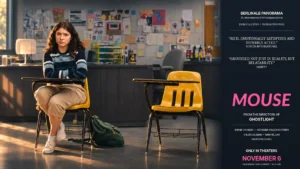
A deeply human coming-of-age drama carried by remarkable performances and an honest portrayal of grief. Its gentle optimism moves most viewers, though some find the final stretch hurried or overly...
Pros: Grief portrayal, acting performance
Cons: pacing

Choose this inventive, unsettling documentary for fearless questioning, dark humor, and unpredictable storytelling. Skip it if you want a short, straightforward exposé with definitive answers.
Pros: originality, humor
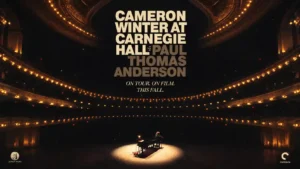
A singular voice, powerful piano playing and intimate film photography make this concert absorbing for receptive listeners. Its uninterrupted, often similar-sounding songs and lack of background context are an acquired...
Pros: directing quality, cinematography
Cons: pacing, Song variety

Extraordinary performances and richly observed relationships make this a rewarding, emotionally forceful drama. Its nearly three-hour length and slow opening demand patience and undivided attention.
Pros: class commentary, character development