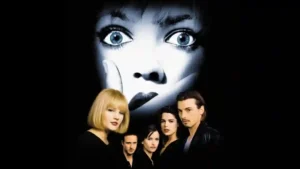
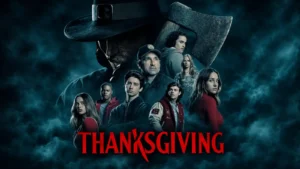
Scream
Where It Has the Edge
- theme depth is 4.5 vs 3.3. Genre commentary is joined by meaningful ideas about trauma, misogyny and a culture saturated with movies. These layers...

Scorata scores summarize analyzed review evidence on a 1–5 scale; they are not laboratory measurements or a simple average of customer star ratings. Feature scores summarize the reviews covering that feature. The overall score averages feature scores within each review, then combines review averages. When both expert and customer evidence are available, those two groups receive equal weight. Products can have different review coverage, so small score gaps do not establish a winner.
Recommendations prioritize important features for the category, with a score of at least 3.5, a gap of at least 0.25 points and at least two supporting reviews per product. Features with widely varying scores or broad connectivity contexts are excluded from recommendations. These safeguards do not establish statistical significance.
Quick verdict
The review evidence points to a tradeoff: theme depth versus Atmosphere. Choose according to which strengths matter more to you; the overall score alone does not settle that choice.
Choose Scream for theme depth.
Choose Thanksgiving for Atmosphere.
Scores are out of 5. Missing scores mean missing review evidence, not a missing feature.
The opening’s economy and the abrupt transition to Sidney draw especially strong praise. More broadly, the cutting helps keep the film brisk and controlled.
A late sequence feels choppy, with characters arriving at locations implausibly quickly.
The garage-door death draws criticism for an obviously artificial-looking effect, weakening the impact of that sequence.
The effects support the gruesome set pieces and give the exaggerated violence convincing visual impact.
One assessment finds that the nearly two-hour film feels much shorter because its energy and momentum hold throughout.
Some appreciate the brisk-feeling 106-minute runtime, while others would have preferred a tighter cut.
One assessment finds that the sexual subplot works within the story and effectively parodies the genre’s rules, despite initial discomfort with Sidney’s choice.
Some object to the sexualized framing of teenage characters, while another critic misses the original trailer’s raunchier exploitation style.
The practical makeup earns enthusiastic approval, while the garage-door death effect is criticized for looking fake. The reception depends heavily on the individual sequence.
The physical gore effects and prosthetics are frequently praised for their inventiveness, detail and impact.
Most praise the explosive house climax, clever reversal and definitive defeat of the killers. Reservations focus on disturbing self-stabbing, weak plan logic or an unsatisfying final shot.
The reveal and climax satisfy some viewers with a plausible motive and theatrical payoff, but others find them obvious, clunky or disappointing.
The opening deaths and garage-door sequence are memorable for many viewers. Others find the kills basic, insufficiently inventive or implausible, with the garage effect drawing especially divided reactions.
Inventive, holiday-themed slasher set pieces are the film’s most consistently praised strength. Some viewers found the later cruelty repetitive or the elaborate trailer callbacks less effective.
Sidney’s grief and personal relationships give the story emotional substance, while the Dewey-Gale pairing adds dimension for some viewers. Other assessments find the supporting cast one-note or overly stereotyped.
Characters are established quickly, and Jessica earns some rooting interest, but the teen ensemble often feels thin or disposable. Several viewers wanted more motivation and emotional development.
Genre commentary is joined by meaningful ideas about trauma, misogyny and a culture saturated with movies. These layers give several viewers more to consider beyond the killer’s identity.
The moral contrast between shoppers and the killer adds an interesting layer for some, but the film mostly favors genre fun over deep themes.
The whodunit is often praised for sustained suspicion, intriguing clues and an effective reveal. Critics find obvious suspects, mishandled red herrings or motives that do not withstand scrutiny.
The masked-killer mystery is fun to follow for many, particularly when suspects are established early. Other viewers find its red herrings flimsy or the solution easy to deduce.
The human killer and recognizable movie culture make the danger feel plausible to many viewers. Implausible injuries, the garage door and conspicuous daytime stalking undermine that effect for others.
The retail frenzy and human vulnerability of the masked killer make the exaggerated story feel grounded enough for its genre.
Dewey and Gale’s flirtation adds charm and dimension for several viewers. Others find the romance dopey, unconvincing or disconnected from the immediate story.
The central love triangle is frequently described as bland, unnecessary or distracting, even when it creates plausible suspects.
Cox and Arquette’s flirtation is repeatedly praised for energizing their subplot. Their pairing adds warmth and brings out more personality in both characters.
The lead and sheriff have an effective dynamic, and some enjoy the teen ensemble’s rapport; others find the cast chemistry uneven.
The ironic jokes do not erase the disemboweling and bloody killings. Viewers who strongly dislike gore receive clear warnings to pass.
The graphic injuries, mutilation and prolonged cruelty make this a poor choice for viewers who are sensitive to gore.
Subtle visual clues can communicate backstory with little exposition. Some late killings and motivations are less clearly explained, leaving gaps in the narrative logic.
The concise setup and storytelling make the film easy to follow without needing extensive exposition.
Most find an intelligent, engaging horror story with more going on than a standard body-count plot. Reservations concern familiar structure, disconnected commentary and late logic that feels contrived.
The revenge premise is accessible, but the story can feel conventional, fragmented or insufficiently developed beyond the horror set pieces.
The screenplay is widely admired for wit, subversion and effective misdirection. Its critics see lazy self-reference, dated exchanges and contrived logic behind the clever surface.
The script combines a clear seasonal hook, witty touches and economical setups. Predictable clues, thin characters and uneven connective scenes weaken it for some.
Brisk momentum and a tightly controlled opening keep most viewers engaged. A few find the commentary slows proceedings, but the overall rhythm is more often praised.
The opening moves with impressive urgency and many found the film brisk. Slower connective scenes and an overextended or rushed final stretch are recurring complaints.
Many credit the self-aware approach with making familiar slasher material feel fresh. Dissenters see a standard formula that talks about its clichés without truly escaping them.
The movie refreshes familiar slasher conventions with holiday-specific kills and modern touches, but rarely departs far from the established formula.
The horror set pieces and frantic climax work through tense staging and escalating danger. Their effectiveness often comes from suspense rather than elaborate action spectacle.
The extended chases and confrontations provide exciting physical action.
Ordinary homes and a small town become uneasy spaces where nobody seems completely trustworthy. The opening uses darkness, windows and burning popcorn to turn domestic detail into mounting dread.
The small-town setting and exaggerated pulp atmosphere create a distinctive blend of community familiarity and menace.
Using recognizable actors gives the opening a powerful surprise and fills the ensemble with charisma. Some viewers find the adults playing high-school students visibly unconvincing.
Some appreciate the cohesive casting and comparatively authentic young ensemble, while others find the teen roles poorly matched or lacking chemistry.
The climactic use of light and color is praised for creating images that feel both striking and haunting.
Natural lighting and reflections are used effectively to extend tension even in ordinary-looking spaces.
The gruesome practical makeup is appreciated as a strong finishing element of the film’s bloody presentation.
The gruesome prosthetic makeup is a highlight for its detailed and convincing physical execution.
Ghostface’s voice, appearance and human vulnerability create an iconic threat for many viewers. Others find the repeated falls and questionable motives make the killer hapless rather than menacing.
John Carver is an effective new slasher villain, with an eye-catching seasonal identity and personality. His menace and originality do not quite match the genre’s most iconic killers for everyone.
Most find the movement between jokes, suspense and brutality exceptionally controlled, with laughter often making the next scare stronger. A minority experience an uneasy mix that undercuts the danger or makes the violence feel exploitative.
Most appreciate the deliberate balance of playful cruelty and comedy, but some found that the film grew too serious or unpleasant later.
The score usually earns praise for building suspense through strings, voices and varied textures. One assessment finds it functional rather than memorable.
Some praise the score’s contribution to tension, while another finds it lacking a distinctive holiday sound.
The self-awareness usually earns praise for letting audiences share the joke while the film still delivers genuine horror. Critics argue that naming clichés does not excuse repeating them or make the commentary integral to the story.
The movie is knowing about its genre without depending heavily on overt self-referential jokes, a refreshing approach for many.
Dark jokes, self-aware exchanges and chaotic performances keep the film lively for most viewers. Critics find the comedy thin, overconfident or increasingly repetitive.
The visual gags, cheesy holiday puns and irreverent jokes are frequent highlights, though some feel the comedy fades in the later acts.
Some approve of the violence’s impact, seriousness or restraint relative to the story. Others find its treatment exploitative or the self-stabbing finale distasteful and deeply upsetting.
The extreme violence is often welcomed as playful, inventive and relatively restrained for the director. Several viewers found the later sadism unpleasant or wanted a different level of intensity.
Careful angles, fluid takes and suggestive framing turn ordinary spaces into sources of danger. The camera work also plays intelligently with familiar slasher imagery.
The playful camerawork, visual misdirection and carefully composed suspense sequences are strong filmmaking assets.
The dominant assessment places Scream among the strongest slashers, with enduring scares, wit and personality. A few regard it as average or as a formulaic experiment that fails its ambitions.
Fans of traditional masked-killer slashers generally found it a satisfying return to the genre’s basics, even without major reinvention.
The direction receives broad approval for precise suspense, escalating threat and confident tonal shifts. Skeptics still find strong individual scenes while questioning the film’s larger choices.
The director’s skill at staging suspense, comic timing and inventive horror is widely praised. Less favorable responses cite juvenile excess or a rushed, uneven script.
The sharp, quirky exchanges can be a major source of wit. Some romantic movie metaphors and teenage lines feel forced, cringeworthy or distinctly dated.
Cheesy one-liners and holiday puns can be entertaining, but some dialogue is weak or forced.
The opening and many of the sudden jolts remain genuinely frightening for most reviewers. Some find the humor, predictable plotting or clumsy killer reduces the fear.
Carefully timed jolts and moments of surprise work well, though this is more a playful slasher than a sustained fright machine.
The opening is the clearest point of agreement, repeatedly praised for its patient escalation, shocking casting choice and brutal payoff. Even several skeptical assessments call it the film’s best scene.
The chaotic Black Friday prologue is widely singled out for its mounting tension, dark comedy and recognizable shopping frenzy. One dissenting view found the large-scale staging less exciting than the individual kills.
The film repeatedly earns praise for turning familiar situations into escalating danger, with the opening and house climax especially effective. Even some detractors recognize strong pockets of tension.
The opening and cat-and-mouse scenes build considerable tension, with clever visual setups and a playful approach to suspects.
Most assessments find that comedy, mystery and horror strengthen one another. A minority wish the film pushed its comic and frightening sides further.
Dark comedy and bloody horror generally reinforce each other, with knowing humor taking the edge off graphic violence. The balance becomes less reliable for some viewers near the end.
The small-town look and community atmosphere help give the setting a distinct, appealing sense of place.
The seasonal sets and regional details create colorful, imaginative environments for the horror sequences.
The film’s polished, heightened look is a strength, while the evaluated HDR grade adds natural detail and highlights without overwhelming the original appearance.
The modern, polished look works for some, but viewers hoping for the distressed film-print aesthetic of the original trailer may be disappointed.
Telephone rings, offscreen ambience and sharp musical or environmental jolts help sustain uncertainty. The evaluated multichannel mix expands the space convincingly, with restrained dynamics overall.
Silence, escalating cues and carefully timed noises enhance several suspense scenes. One critic found the audio cues too conventional.
The ensemble usually receives enthusiastic praise for charisma and commitment. A few assessments find minor performances cartoonish or supporting roles too thin to make much impression.
The cast generally understands the heightened tone, with stronger adult performances and a capable lead. Some of the younger actors receive less favorable assessments.
Licensed songs are generally praised for fitting their scenes and reinforcing the mood. Red Right Hand is an especially distinctive, menacing highlight.
Music is memorable for some, particularly the punk-flavored credits, but another viewer found it disappointingly generic.
The lead is usually praised for strength, emotional credibility and charisma. Sidney’s portrayal is a major reason viewers invest in the story, though one strongly negative assessment finds her irritating.
Nell Verlaque is usually seen as a strong final girl who provides a sympathetic center, though a minority finds her performance or character too bland.
Many enjoy the supporting ensemble’s charisma and memorable turns, including the comic energy around Gale, Dewey and Stu. Less favorable views find the roles or performances thin and exaggerated.
Several adult and supporting performances add personality and comic energy, although the young ensemble has more uneven material.
Sidney and the colorful supporting group give many viewers people to root for rather than disposable victims. Dissenters find the personalities irritating, stereotyped or difficult to care about.
Jessica and several adult or comic supporting characters inspire attachment, but opinions divide over whether the teenagers are enjoyable or disposable.
The cast, clothes, music and older technology create a vivid 1990s time capsule. That period flavor adds warmth without being the sole source of enjoyment.
The vintage teen-slasher rhythms and old-fashioned horror references evoke fond memories of the genre’s earlier eras.
The film is repeatedly recognized as polished and carefully crafted, even in assessments that question its tone or treatment of violence.
The film uses relatively economical old-school methods effectively to deliver a polished horror experience.
The energy, jokes and hidden clues often keep the film rewarding after the mystery is solved. One lukewarm assessment finds little reason to revisit it personally.
The seasonal hook and playful kills encourage annual revisits, though a viewer felt the mystery would lose its impact after the first watch.
The film is widely enjoyed for its energy, humor and suspense, even by some viewers who see substantial flaws. A small minority find irritation outweighs the fun.
A gleefully macabre holiday slasher that most viewers found highly entertaining. A minority felt the joke grew stale or the story failed to hold everything together.
The 4K transfer reveals fine facial texture, clothing detail and deep shadows while retaining an organic film appearance. Some softness remains, and HDR adds natural highlights rather than a spectacular color overhaul.
The strong New England accents add local flavor and comedy, though their consistency and subtlety vary across the cast.
The cat is treated with unexpected kindness, a welcome touch amid the cruelty elsewhere.
The shopping riot makes a pointed and often funny jab at greed and consumer culture. Some see the critique as little more than a setup for revenge.
The small horror-linked appearances add enjoyable recognition, including the janitor homage and a memorable Linda Blair cameo.
Some teen choices and familiar bully behavior feel contrived or lazily written.
Some supporting characters receive too little development or disappear for long stretches, weakening the ensemble and mystery.
The homages and horror trivia can reward knowledgeable viewers and encourage exploration of older films. Some references feel forced or superficial, and their accessibility depends on familiarity with the genre.
Williamson’s knowing screenplay and Craven’s assured direction are praised as a particularly effective match. Their strengths combine into more than a collection of clever references.
Scream is widely credited with bringing slashers back to prominence and introducing a new generation to older horror films. Its self-aware approach and Ghostface imagery became lasting reference points for the genre.
Speech remains consistently clear in the center channel of the evaluated multichannel presentation.
The opening’s helpless parents and Sidney’s private grief create real empathy. Caring about the people gives the later violence more weight.
The retro grindhouse-inspired credits and music are enjoyed for their playful stylistic finish.
One assessment values the film’s recognition of tragedy and refusal to treat murder as a celebration, giving its deaths more human consequence.
The feature preserves many recognizable moments from the original mock trailer while updating the look and story. Some miss the original grainy style, raunchier material or more concentrated impact.
Jessica is given enough agency and moral complexity to function as more than one side of the love triangle.
One enthusiastic assessment still finds the film’s association with Dimension deeply troubling. That production connection complicates enjoyment of the finished work.
The recurring core and ongoing story are appreciated as coherent foundations for sequels. Some setup also leaves the original’s supporting romance feeling unfinished.
The voice changer draws a positive reaction for the striking consistency of the voice it produces.
The film earns praise for challenging sexist slasher rules and taking women’s experiences seriously. Sidney’s agency and the hostility surrounding her trauma give the commentary substance.
Sidney’s grief helps her feel like a messy, skeptical person rather than a hollow survivor archetype. Her resilience is convincing because the loss remains part of her.
The film makes darkly comic use of the contrast between a holiday about gratitude and frantic bargain hunting.
The pilgrim costume, seasonal puns and Thanksgiving traditions are woven into the horror with playful, inventive specificity.
One discussion finds a compelling queer-coded layer in Billy and Stu’s closeness. That reading adds a hidden dimension to their relationship and the climax.
The small Massachusetts town feels lived-in for several viewers, with affectionate local references and recognizable community dynamics. Others find the regional detail superficial.
The predatory news coverage adds a pointed layer to the violence and Sidney’s trauma. Gale’s pursuit of a story helps connect the killings with a broader appetite for spectacle.
The opening, characters and villain leave strong impressions, helping the film remain recognizable long after viewing.
The treatment of Sidney’s trauma gives the film more staying power than its jokes alone. Her struggle exposes the harm of dismissive, unsympathetic responses to psychological distress.
The defense of fictional horror is understandable to one reviewer but feels heavy-handed. The argument about whether movies cause violence seems more forceful than necessary.
The repeated gore and shock jokes begin to lose their comic effect for some viewers.
Sidney’s humanity makes the danger personal, and the film keeps consequences serious even when it jokes about horror conventions.
The connective scenes and resolution sometimes struggle to join the elaborate kills into a coherent narrative.
Ghostface’s trips, falls and ability to be knocked around add enjoyable slapstick. For these viewers, the awkwardness is part of the film’s appeal.
The killer’s identity is often easy to guess, especially for experienced slasher viewers. Familiarity does not necessarily spoil the fun.
The two-killer reveal and early star death surprise many first-time viewers. Others find the culprits too obvious or the final explanation too implausible to satisfy.
Sidney’s depth and ability to defy restrictive survival rules earn praise. One dissenting view finds the camera’s attention to terrified young women exploitative.
Sidney’s trauma is treated as something worth understanding rather than a weakness to dismiss. That perspective strengthens the film’s critique of the community around her.
Several viewers want another installment with the same killer; others fear a sequel could exhaust the clever seasonal premise.
The film cleverly satirizes the pursuit of online fame and likes through the behavior of its characters and the killer’s use of livestreams.
Sidney wins strong approval for quick thinking, resistance and the ability to turn the tables. Her active response to danger helps distinguish her from passive slasher victims.
The film retains relevance through its treatment of trauma, media saturation and danger within familiar relationships. Its teen behavior and social commentary still connect beyond the original release period.
Ghostface’s voice shifts persuasively from casual charm to overt menace. That vocal threat is often considered more impressive than the killer’s physical presence.
The film’s recognizable cast and accessible approach help bring slasher horror to a mainstream audience.
The intentionally cheesy style is part of the appeal for many, although some wanted a stronger commitment to camp.
One horror enthusiast felt the film’s marketing failed to reach even its intended audience.
Phones, Instagram and livestreaming are generally integrated cleverly into the mystery rather than simply disabled for convenience. A few viewers worry the references may date the film.
The pilgrim mask and costume give the killer a distinctive seasonal look, even if some find the design less intimidating than classic slasher villains.
The simple black robe and warped white mask give Ghostface an instantly recognizable silhouette. The look remains an effective, memorable part of the film even for viewers who question the villain’s competence.
One critical assessment argues that the marketing oversold the film’s clever, self-aware qualities and shaped expectations the finished story could not meet.
The ending leaves room for a follow-up, though enthusiasm for extending the premise varies.
The communal audience reaction makes the theatrical ticket feel worthwhile.

A deeply human coming-of-age drama carried by remarkable performances and an honest portrayal of grief. Its gentle optimism moves most viewers, though some find the final stretch hurried or overly...
Pros: Grief portrayal, acting performance
Cons: pacing

Billie Jean King’s magnetic first-person storytelling makes this an exhilarating portrait of athletic courage and social change. The filmmaking follows a familiar documentary structure, and her full tennis résumé gets...
Pros: entertainment value, Biographical coverage
Cons: Narrative structure

Choose this inventive, unsettling documentary for fearless questioning, dark humor, and unpredictable storytelling. Skip it if you want a short, straightforward exposé with definitive answers.
Pros: originality, humor

A singular voice, powerful piano playing and intimate film photography make this concert absorbing for receptive listeners. Its uninterrupted, often similar-sounding songs and lack of background context are an acquired...
Pros: directing quality, cinematography
Cons: pacing, Song variety