Scorata scores summarize analyzed review evidence on a 1–5 scale; they are not laboratory measurements or a simple average of customer star ratings. Feature scores summarize the reviews covering that feature. The overall score averages feature scores within each review, then combines review averages. When both expert and customer evidence are available, those two groups receive equal weight. Products can have different review coverage, so small score gaps do not establish a winner.
Recommendations prioritize important features for the category, with a score of at least 3.5, a gap of at least 0.25 points and at least two supporting reviews per product. Features with widely varying scores or broad connectivity contexts are excluded from recommendations. These safeguards do not establish statistical significance.
Quick verdict
What each product is best for
The review evidence points to a tradeoff: cinematography and action sequence quality versus costume design and rewatch value. Choose according to which strengths matter more to you; the overall score alone does not settle that choice.
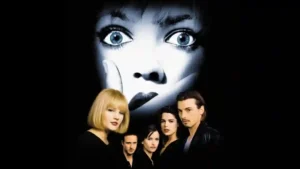
Choose Scream for cinematography and action sequence quality.
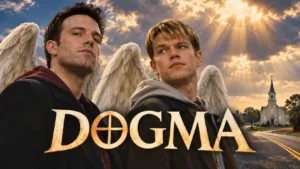
Choose Dogma for costume design and rewatch value.
Why these recommendations?
Scream
Where It Has the Edge
cinematography is 4.6 vs 2.2. Careful angles, fluid takes and suggestive framing turn ordinary spaces into sources of danger. The camera work also...
action sequence quality is 4.7 vs 2.5. The horror set pieces and frantic climax work through tense staging and escalating danger. Their effectiveness often comes...
visual style is 4.2 vs 2.3. The film’s polished, heightened look is a strength, while the evaluated HDR grade adds natural detail and highlights...
Dogma
Where It Has the Edge
costume design is 5.0 vs 4.6. Stylish ordinary streetwear, distinctive angel wings and the deity’s colorful outfit help sell the unusual blend of mundane...
rewatch value is 4.9 vs 4.5. Many find the film rewarding to revisit for its enduring ideas, quotable dialogue and nostalgic charm.
Scream4.3 overall score
Dogma3.9 overall score
Compare features
Scores are out of 5. Missing scores mean missing review evidence, not a missing feature.
Scored on both products
Other features
Runtime
Scream
5.0
One assessment finds that the nearly two-hour film feels much shorter because its energy and momentum hold throughout.
Dogma
1.9
At over two hours, the comedy frequently feels overlong, with several calls for substantial trimming.
Cinematography
Scream
4.6
Careful angles, fluid takes and suggestive framing turn ordinary spaces into sources of danger. The camera work also plays intelligently with familiar slasher imagery.
Dogma
2.2
Flat shot choices, awkward blocking and rudimentary framing limit the film’s visual storytelling.
Action sequence quality
Scream
4.7
The horror set pieces and frantic climax work through tense staging and escalating danger. Their effectiveness often comes from suspense rather than elaborate action spectacle.
Dogma
2.5
The action sequences are less assured than the verbal comedy, especially when the story escalates into a large-scale showdown.
Sexual content level
Scream
4.0
One assessment finds that the sexual subplot works within the story and effectively parodies the genre’s rules, despite initial discomfort with Sidney’s choice.
Dogma
2.0
Sex jokes are frequent and can push beyond some viewers’ comfort level.
Directing quality
Scream
4.6
The direction receives broad approval for precise suspense, escalating threat and confident tonal shifts. Skeptics still find strong individual scenes while questioning the film’s larger choices.
Dogma
2.6
Smith’s personal vision and ambition are evident, but his staging, camerawork and action direction often lack polish.
Editing quality
Scream
4.7
The opening’s economy and the abrupt transition to Sidney draw especially strong praise. More broadly, the cutting helps keep the film brisk and controlled.
Dogma
2.8
Cluttered scenes and awkward transitions detract from the film; the deleted material also reveals character motivations that some wish had been retained.
Pacing
Scream
4.3
Brisk momentum and a tightly controlled opening keep most viewers engaged. A few find the commentary slows proceedings, but the overall rhythm is more often praised.
Dogma
2.4
Extended speeches, detours and a drawn-out climax can stall the adventure, despite lively stretches and memorable comic set pieces.
Message quality
Scream
3.0
The defense of fictional horror is understandable to one reviewer but feels heavy-handed. The argument about whether movies cause violence seems more forceful than necessary.
Dogma
4.8
The film advocates hope, acceptance and faith over rigid rules or zeal, giving its irreverent comedy a genuinely positive message.
Dialogue clarity
Scream
4.5
Speech remains consistently clear in the center channel of the evaluated multichannel presentation.
Dogma
3.0
Dialogue can swing abruptly from quiet to loud, requiring volume adjustments despite generally clear mixing.
LGBTQ+ representation
Scream
4.0
One discussion finds a compelling queer-coded layer in Billy and Stu’s closeness. That reading adds a hidden dimension to their relationship and the climax.
Dogma
2.5
The inclusive spiritual message sits uneasily alongside gay-panic jokes that have aged poorly.
Opening sequence quality
Scream
4.8
The opening is the clearest point of agreement, repeatedly praised for its patient escalation, shocking casting choice and brutal payoff. Even several skeptical assessments call it the film’s best scene.
Dogma
3.4
The opening disclaimers and early comic setups are memorable, although some find the disclaimer overly defensive or the early jokes cheap.
Special effects quality
Scream
2.0
The garage-door death draws criticism for an obviously artificial-looking effect, weakening the impact of that sequence.
Dogma
3.3
The angel wings and comic-book imagery have charm, but the visibly inexpensive effects and dated execution limit their impact.
Plot clarity
Scream
4.0
Subtle visual clues can communicate backstory with little exposition. Some late killings and motivations are less clearly explained, leaving gaps in the narrative logic.
Dogma
2.9
The central paradox is understandable, but the crowded ensemble, intricate theology and overlapping story threads can be confusing.
Ending satisfaction
Scream
4.4
Most praise the explosive house climax, clever reversal and definitive defeat of the killers. Reservations focus on disturbing self-stabbing, weak plan logic or an unsatisfying final shot.
Dogma
3.4
The final spiritual affirmation and appearance of God move some viewers, while others find the resolution confused or too convenient.
Originality
Scream
3.7
Many credit the self-aware approach with making familiar slasher material feel fresh. Dissenters see a standard formula that talks about its clichés without truly escaping them.
Dogma
4.6
An unusual blend of Catholic theology, slacker humor and supernatural adventure makes the film stand out, even if some of its ideas feel less novel today.
Violence level
Scream
3.5
Some approve of the violence’s impact, seriousness or restraint relative to the story. Others find its treatment exploitative or the self-stabbing finale distasteful and deeply upsetting.
Dogma
2.6
Violent scenes are sometimes jarring, excessive or unpleasant, though the stylized gore and thematic purpose make them more tolerable for some.
Portrayal of women
Scream
3.9
Sidney’s depth and ability to defy restrictive survival rules earn praise. One dissenting view finds the camera’s attention to terrified young women exploitative.
Dogma
4.8
Bethany and the female incarnation of God have decisive roles in saving humanity, rather than being relegated to supporting the male characters.
Story quality
Scream
3.8
Most find an intelligent, engaging horror story with more going on than a standard body-count plot. Reservations concern familiar structure, disconnected commentary and late logic that feels contrived.
Dogma
4.6
A loophole in divine law creates an inventive world-ending adventure, although the complex journey and philosophical detours are not always compelling.
Character development
Scream
3.9
Sidney’s grief and personal relationships give the story emotional substance, while the Dewey-Gale pairing adds dimension for some viewers. Other assessments find the supporting cast one-note or overly stereotyped.
Dogma
3.3
The angels and Bethany embody interesting conflicts about faith and free will, but some viewers find the characters thinly drawn or poorly served by exposition.
Casting quality
Scream
4.0
Using recognizable actors gives the opening a powerful surprise and fills the ensemble with charisma. Some viewers find the adults playing high-school students visibly unconvincing.
Dogma
4.6
An unusually strong ensemble gives the film energy and comic authority, even though not every casting decision works equally well.
Celebrity cameos
Scream
4.0
The small horror-linked appearances add enjoyable recognition, including the janitor homage and a memorable Linda Blair cameo.
Dogma
4.5
Alanis Morissette’s unexpected appearance as God is a memorable comic flourish.
Genre satisfaction
Scream
4.5
The dominant assessment places Scream among the strongest slashers, with enduring scares, wit and personality. A few regard it as average or as a formulaic experiment that fails its ambitions.
Dogma
5.0
The unusual comic fantasy adventure delivers a distinctive and ambitious experience.
Tonal consistency
Scream
4.4
Most find the movement between jokes, suspense and brutality exceptionally controlled, with laughter often making the next scare stronger. A minority experience an uneasy mix that undercuts the danger or makes the violence feel exploitative.
Dogma
4.0
The combination of spiritual earnestness, absurdity and profanity is distinctive; transitions into violence or lengthy debates sometimes disrupt the balance.
Dialogue quality
Scream
3.4
The sharp, quirky exchanges can be a major source of wit. Some romantic movie metaphors and teenage lines feel forced, cringeworthy or distinctly dated.
Dogma
3.8
The sharp, quotable banter is a major strength, especially when the cast delivers it naturally. Lengthy theological speeches and in-jokes can become tiring.
Memorability
Scream
4.7
The opening, characters and villain leave strong impressions, helping the film remain recognizable long after viewing.
Dogma
5.0
The dialogue remains highly quotable long after the movie ends.
Theme depth
Scream
4.5
Genre commentary is joined by meaningful ideas about trauma, misogyny and a culture saturated with movies. These layers give several viewers more to consider beyond the killer’s identity.
Dogma
4.2
Questions about belief, doubt, divine infallibility and the misuse of religious authority give the comedy unusual depth, although some of the arguments feel underdeveloped or heavy-handed.
Emotional impact
Scream
4.5
The opening’s helpless parents and Sidney’s private grief create real empathy. Caring about the people gives the later violence more weight.
Dogma
4.3
Bethany’s struggle with faith and the film’s hopeful ending lend the comedy unexpected emotional resonance.
Cast chemistry
Scream
4.7
Cox and Arquette’s flirtation is repeatedly praised for energizing their subplot. Their pairing adds warmth and brings out more personality in both characters.
Dogma
4.9
Damon and Affleck’s effortless rapport is a recurring highlight, lending the fallen angels both humor and menace.
Villain quality
Scream
4.1
Ghostface’s voice, appearance and human vulnerability create an iconic threat for many viewers. Others find the repeated falls and questionable motives make the killer hapless rather than menacing.
Dogma
4.3
The fallen angels can be charismatic and formidable, though the demon Azrael is less clearly developed for some viewers.
Humor
Scream
4.2
Dark jokes, self-aware exchanges and chaotic performances keep the film lively for most viewers. Critics find the comedy thin, overconfident or increasingly repetitive.
Dogma
4.3
Witty one-liners, absurd theological situations and irreverent asides are frequently hilarious. The juvenile gags and stretches of dry conversation do not land for everyone.
4K video quality
Scream
4.5
The 4K transfer reveals fine facial texture, clothing detail and deep shadows while retaining an organic film appearance. Some softness remains, and HDR adds natural highlights rather than a spectacular color overhaul.
Dogma
4.6
The 4K editions bring improved color, contrast and detail to a modest-looking original, though the gains in sharpness are not always dramatic and editions differ.
Writing quality
Scream
4.2
The screenplay is widely admired for wit, subversion and effective misdirection. Its critics see lazy self-reference, dated exchanges and contrived logic behind the clever surface.
Dogma
4.3
The screenplay combines imaginative theological paradoxes with clever verbal comedy, but some passages are overwritten or insufficiently disciplined.
Genre blending
Scream
4.7
Most assessments find that comedy, mystery and horror strengthen one another. A minority wish the film pushed its comic and frightening sides further.
Dogma
4.7
A supernatural quest, profane comedy and sincere theological debate form an unusual combination that many viewers find compelling.
Topical relevance
Scream
4.5
The film retains relevance through its treatment of trauma, media saturation and danger within familiar relationships. Its teen behavior and social commentary still connect beyond the original release period.
Dogma
4.5
Its criticisms of religious hypocrisy and exclusion remain pertinent, although the controversy itself feels less shocking today.
Controls and connectivity
Audience appeal
Scream
4.5
The film’s recognizable cast and accessible approach help bring slasher horror to a mainstream audience.
Dogma
2.5
The distinctive pop-culture-heavy, profane style is unlikely to appeal equally to all mainstream audiences.
Character appeal
Scream
4.3
Sidney and the colorful supporting group give many viewers people to root for rather than disposable victims. Dissenters find the personalities irritating, stereotyped or difficult to care about.
Dogma
4.5
The oddball companions and the slacker prophets inject much-needed energy and comic unpredictability into the quest.
Nostalgia appeal
Scream
4.6
The cast, clothes, music and older technology create a vivid 1990s time capsule. That period flavor adds warmth without being the sole source of enjoyment.
Dogma
4.5
Seeing the late-1990s cast and revisiting familiar jokes creates a warm nostalgic appeal that helps offset some dated elements.
Comfort and build
Visual style
Scream
4.2
The film’s polished, heightened look is a strength, while the evaluated HDR grade adds natural detail and highlights without overwhelming the original appearance.
Dogma
2.3
The scrappy, inexpensive-looking visuals and flat staging rarely impress, although some appreciate their sincerity and comic-book charm.
Costume design
Scream
4.6
The simple black robe and warped white mask give Ghostface an instantly recognizable silhouette. The look remains an effective, memorable part of the film even for viewers who question the villain’s competence.
Dogma
5.0
Stylish ordinary streetwear, distinctive angel wings and the deity’s colorful outfit help sell the unusual blend of mundane and celestial characters.
Sound design
Scream
4.2
Telephone rings, offscreen ambience and sharp musical or environmental jolts help sustain uncertainty. The evaluated multichannel mix expands the space convincingly, with restrained dynamics overall.
Dogma
3.8
The sound mixes feature active ambience and effects, but the buzzing motif and aggressive dynamics are not universally appreciated.
Performance
Supporting cast performance
Scream
4.1
Many enjoy the supporting ensemble’s charisma and memorable turns, including the comic energy around Gale, Dewey and Stu. Less favorable views find the roles or performances thin and exaggerated.
Dogma
4.8
The eccentric supporting players give the theological adventure much of its comic energy and appeal.
Lead performance
Scream
4.6
The lead is usually praised for strength, emotional credibility and charisma. Sidney’s portrayal is a major reason viewers invest in the story, though one strongly negative assessment finds her irritating.
Dogma
3.9
Linda Fiorentino’s weary, sardonic heroine grounds the story for many viewers, while others find her delivery flat or lacking charm.
Acting performance
Scream
4.6
The ensemble usually receives enthusiastic praise for charisma and commitment. A few assessments find minor performances cartoonish or supporting roles too thin to make much impression.
Dogma
4.1
The ensemble commits enthusiastically to the absurd premise, though earnest speeches and certain performances can be uneven.
Soundtrack quality
Scream
4.4
Licensed songs are generally praised for fitting their scenes and reinforcing the mood. Red Right Hand is an especially distinctive, menacing highlight.
Dogma
4.5
Howard Shore’s music has a dynamic, agile presence in the surround presentation.
Ownership and support
Production value
Scream
4.5
The film is repeatedly recognized as polished and carefully crafted, even in assessments that question its tone or treatment of violence.
Dogma
4.0
The expanded budget and Hollywood cast give the film a much larger scope than Smith’s early independent work.
Rewatch value
Scream
4.5
The energy, jokes and hidden clues often keep the film rewarding after the mystery is solved. One lukewarm assessment finds little reason to revisit it personally.
Dogma
4.9
Many find the film rewarding to revisit for its enduring ideas, quotable dialogue and nostalgic charm.
Entertainment value
Scream
4.3
The film is widely enjoyed for its energy, humor and suspense, even by some viewers who see substantial flaws. A small minority find irritation outweighs the fun.
Dogma
4.4
The movie has distinctive comic energy and an unusually thoughtful premise. Its uneven pacing and juvenile humor keep it from being universally entertaining.
Evidence available for one product
Performance
Atmos audio quality
ScreamNo score yet
Dogma
4.7
The Atmos remixes add energy, directional activity and impact, especially during the more active sequences; improvements can be subtle in dialogue-heavy passages.
Blu-ray audio quality
ScreamNo score yet
Dogma
4.0
The surround presentations offer lively activity, although the improvement or dynamic balance varies with the edition.
Marketing accuracy
Scream
2.0
One critical assessment argues that the marketing oversold the film’s clever, self-aware qualities and shaped expectations the finished story could not meet.
DogmaNo score yet
Other features
Atmosphere
Scream
4.4
Ordinary homes and a small town become uneasy spaces where nobody seems completely trustworthy. The opening uses darkness, windows and burning popcorn to turn domestic detail into mounting dread.
DogmaNo score yet
Behind-the-scenes access
ScreamNo score yet
Dogma
5.0
The retrospective making-of material provides a rewarding look at the production, especially for fans.
Blu-ray video quality
ScreamNo score yet
Dogma
3.5
Earlier Blu-ray versions remain a useful baseline, but the 4K presentation makes color notably richer.
Bonus features
ScreamNo score yet
Dogma
4.6
The physical releases offer extensive documentaries, commentaries, deleted material and other archival supplements, with different collections across regions.
CGI quality
ScreamNo score yet
Dogma
2.0
Some computer-generated imagery has aged poorly.
Classic cinema references
Scream
4.0
The homages and horror trivia can reward knowledgeable viewers and encourage exploration of older films. Some references feel forced or superficial, and their accessibility depends on familiarity with the genre.
DogmaNo score yet
Creative collaboration
Scream
5.0
Williamson’s knowing screenplay and Craven’s assured direction are praised as a particularly effective match. Their strengths combine into more than a collection of clever references.
DogmaNo score yet
Cultural impact
Scream
4.8
Scream is widely credited with bringing slashers back to prominence and introducing a new generation to older horror films. Its self-aware approach and Ghostface imagery became lasting reference points for the genre.
DogmaNo score yet
Ethical handling of deaths
Scream
4.5
One assessment values the film’s recognition of tragedy and refusal to treat murder as a celebration, giving its deaths more human consequence.
DogmaNo score yet
Expert commentary
ScreamNo score yet
Dogma
4.7
Commentaries and retrospective interviews provide entertaining, sometimes insightful accounts of the film’s development and controversy.
Exposition quality
ScreamNo score yet
Dogma
3.2
The film explains its unusual theological rules, but some of its dense, speech-heavy explanations can overwhelm first-time viewers.
Filming ethics
Scream
1.5
One enthusiastic assessment still finds the film’s association with Dimension deeply troubling. That production connection complicates enjoyment of the finished work.
DogmaNo score yet
Final confrontation
ScreamNo score yet
Dogma
2.2
The showdown has exciting ideas and emotional moments but often feels busy, bloody, stretched out or muddled.
Franchise continuity
Scream
4.0
The recurring core and ongoing story are appreciated as coherent foundations for sequels. Some setup also leaves the original’s supporting romance feeling unfinished.
DogmaNo score yet
Gadgetry
Scream
4.0
The voice changer draws a positive reaction for the striking consistency of the voice it produces.
DogmaNo score yet
Gender and sexism portrayal
Scream
4.8
The film earns praise for challenging sexist slasher rules and taking women’s experiences seriously. Sidney’s agency and the hostility surrounding her trauma give the commentary substance.
DogmaNo score yet
Gore-sensitive viewing
Scream
2.0
The ironic jokes do not erase the disemboweling and bloody killings. Viewers who strongly dislike gore receive clear warnings to pass.
DogmaNo score yet
Grief portrayal
Scream
4.5
Sidney’s grief helps her feel like a messy, skeptical person rather than a hollow survivor archetype. Her resilience is convincing because the loss remains part of her.
DogmaNo score yet
Language level
ScreamNo score yet
Dogma
2.0
The relentless vulgarity can push beyond some viewers’ comfort with religious comedy.
Lighting quality
Scream
4.5
The climactic use of light and color is praised for creating images that feel both striking and haunting.
DogmaNo score yet
Makeup quality
Scream
4.5
The gruesome practical makeup is appreciated as a strong finishing element of the film’s bloody presentation.
DogmaNo score yet
Media sensationalism
Scream
4.2
The predatory news coverage adds a pointed layer to the violence and Sidney’s trauma. Gale’s pursuit of a story helps connect the killings with a broader appetite for spectacle.
DogmaNo score yet
Mental health portrayal
Scream
4.5
The treatment of Sidney’s trauma gives the film more staying power than its jokes alone. Her struggle exposes the harm of dismissive, unsympathetic responses to psychological distress.
DogmaNo score yet
Meta-horror satire
Scream
4.2
The self-awareness usually earns praise for letting audiences share the joke while the film still delivers genuine horror. Critics argue that naming clichés does not excuse repeating them or make the commentary integral to the story.
DogmaNo score yet
Mystery quality
Scream
4.3
The whodunit is often praised for sustained suspicion, intriguing clues and an effective reveal. Critics find obvious suspects, mishandled red herrings or motives that do not withstand scrutiny.
DogmaNo score yet
Narrative stakes
Scream
4.5
Sidney’s humanity makes the danger personal, and the film keeps consequences serious even when it jokes about horror conventions.
DogmaNo score yet
Packaging quality
ScreamNo score yet
Dogma
5.0
The collector’s packaging earns praise for its stained-glass slipcase and attractive presentation.
Physical comedy
Scream
4.3
Ghostface’s trips, falls and ability to be knocked around add enjoyable slapstick. For these viewers, the awkwardness is part of the film’s appeal.
DogmaNo score yet
Plot twists
Scream
4.1
The two-killer reveal and early star death surprise many first-time viewers. Others find the culprits too obvious or the final explanation too implausible to satisfy.
DogmaNo score yet
Pop-culture references
ScreamNo score yet
Dogma
2.9
Popular-culture asides produce some of the funniest lines, but their frequency and period-specific in-jokes can distract or alienate newer viewers.
Practical effects quality
Scream
3.3
The practical makeup earns enthusiastic approval, while the garage-door death effect is criticized for looking fake. The reception depends heavily on the individual sequence.
DogmaNo score yet
PTSD portrayal
Scream
4.5
Sidney’s trauma is treated as something worth understanding rather than a weakness to dismiss. That perspective strengthens the film’s critique of the community around her.
DogmaNo score yet
Realism
Scream
3.7
The human killer and recognizable movie culture make the danger feel plausible to many viewers. Implausible injuries, the garage door and conspicuous daytime stalking undermine that effect for others.
DogmaNo score yet
Religious messaging
ScreamNo score yet
Dogma
4.2
The film treats faith as sincere while questioning institutional rules and hypocrisy. Some find that balance refreshing; others find the argument self-righteous or preachy.
Religious satire
ScreamNo score yet
Dogma
4.4
The sharpest satire challenges church bureaucracy and hypocrisy without rejecting faith itself. Some viewers find its provocations too broad or self-satisfied.
Romance quality
Scream
3.2
Dewey and Gale’s flirtation adds charm and dimension for several viewers. Others find the romance dopey, unconvincing or disconnected from the immediate story.
DogmaNo score yet
Scares
Scream
4.3
The opening and many of the sudden jolts remain genuinely frightening for most reviewers. Some find the humor, predictable plotting or clumsy killer reduces the fear.
DogmaNo score yet
Score quality
Scream
4.3
The score usually earns praise for building suspense through strings, voices and varied textures. One assessment finds it functional rather than memorable.
DogmaNo score yet
Sense of scale
ScreamNo score yet
Dogma
4.5
The story opens up into a broader world than Smith’s earlier small-scale comedies, giving the religious quest greater scope.
Shock comedy execution
ScreamNo score yet
Dogma
3.0
Irreverent humor often serves a thoughtful purpose, but some crude visual gags seem gratuitous and the satire is less daring than its reputation suggests.
Slasher kill execution
Scream
3.4
The opening deaths and garage-door sequence are memorable for many viewers. Others find the kills basic, insufficiently inventive or implausible, with the garage effect drawing especially divided reactions.
DogmaNo score yet
Survival problem-solving
Scream
4.6
Sidney wins strong approval for quick thinking, resistance and the ability to turn the tables. Her active response to danger helps distinguish her from passive slasher victims.
DogmaNo score yet
Suspense
Scream
4.8
The film repeatedly earns praise for turning familiar situations into escalating danger, with the opening and house climax especially effective. Even some detractors recognize strong pockets of tension.
DogmaNo score yet
Vocal characterization
Scream
4.8
Ghostface’s voice shifts persuasively from casual charm to overt menace. That vocal threat is often considered more impressive than the killer’s physical presence.
DogmaNo score yet
Comfort and build
Creature design
ScreamNo score yet
Dogma
1.8
The excrement monster strikes several viewers as a gratuitous, juvenile gag rather than a worthwhile addition.
Production design
Scream
4.0
The small-town look and community atmosphere help give the setting a distinct, appealing sense of place.
DogmaNo score yet
Ownership and support
Value for money
ScreamNo score yet
Dogma
3.5
Physical editions offer appealing restorations and supplements, but differences between releases make the expense of imports or multiple purchases a consideration.
A deeply human coming-of-age drama carried by remarkable performances and an honest portrayal of grief. Its gentle optimism moves most viewers, though some find the final stretch hurried or overly...
Billie Jean King’s magnetic first-person storytelling makes this an exhilarating portrait of athletic courage and social change. The filmmaking follows a familiar documentary structure, and her full tennis résumé gets...
Choose this inventive, unsettling documentary for fearless questioning, dark humor, and unpredictable storytelling. Skip it if you want a short, straightforward exposé with definitive answers.
A singular voice, powerful piano playing and intimate film photography make this concert absorbing for receptive listeners. Its uninterrupted, often similar-sounding songs and lack of background context are an acquired...