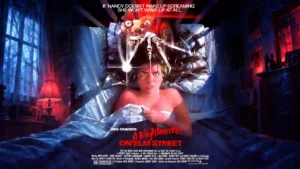
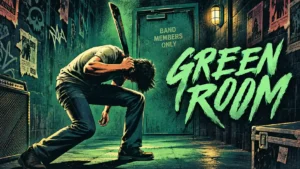
Compare A Nightmare on Elm Street vs Green Room

A Nightmare on Elm Street

A Nightmare on Elm Street

Overall score 4.1 / 5

Based on 47 scored reviews

vs
Green Room

Green Room

Overall score 4.1 / 5

Based on 52 scored reviews

How we score

Scorata scores summarize analyzed review evidence on a 1–5 scale; they are not laboratory measurements or a simple average of customer star ratings. Feature scores summarize the reviews covering that feature. The overall score averages feature scores within each review, then combines review averages. When both expert and customer evidence are available, those two groups receive equal weight. Products can have different review coverage, so small score gaps do not establish a winner.

Recommendations prioritize important features for the category, with a score of at least 3.5, a gap of at least 0.25 points and at least two supporting reviews per product. Features with widely varying scores or broad connectivity contexts are excluded from recommendations. These safeguards do not establish statistical significance.

Quick verdict

What each product is best for

The review evidence points to a tradeoff: Behind-the-scenes access and action sequence quality versus Blu-ray audio quality and sound design. Choose according to which strengths matter more to you; the overall score alone does not settle that choice.

Choose A Nightmare on Elm Street for Behind-the-scenes access and action sequence quality.

Choose Green Room for Blu-ray audio quality and sound design.

Why these recommendations?

A Nightmare on Elm Street

Where It Has the Edge

  • Behind-the-scenes access is 5.0 vs 4.0. The making-of documentary is praised for unusually comprehensive access to the production. Interviews, outtakes, and effects breakdowns give...
  • action sequence quality is 5.0 vs 4.1. Nancy's final confrontation and the trap-filled house receive strong praise. Her proactive preparation gives the last stretch a...
  • Genre blending is 5.0 vs 4.5. The film combines a recognizable slasher structure with supernatural dream attacks. That combination gives its murders and suspense...

Green Room

Where It Has the Edge

  • Blu-ray audio quality is 4.3 vs 3.5. The Blu-ray sound is praised as satisfying, punchy, and active around the listening space. Strong low-frequency and surround...
  • sound design is 4.1 vs 3.5. Muffled interiors, carefully placed effects, and strategic sonic restraint strengthen the confinement. One critic finds the abrasive music...
  • classic cinema references is 4.5 vs 4.0. The film draws effective energy from classic siege thrillers and blunt horror traditions. Those influences help give its...
A Nightmare on Elm Street 4.1 overall score
Green Room 4.1 overall score

Compare features

Scores are out of 5. Missing scores mean missing review evidence, not a missing feature.

Scored on both products

Other features

Message quality
A Nightmare on Elm Street
1.0

A strongly negative response finds the film unsure of what point it wants to make. Its shifting rules and resolution weaken the intended message for that viewer.

Green Room
3.5

The villain's exposure can read as an effective argument against petty tyranny. Another view finds punk defiance too slight an answer to the film's hate-based politics.

Narrative structure
A Nightmare on Elm Street
5.0

The narrative structure supports a consistently enjoyable experience. Its organization is praised even alongside a separate concern about an early confrontation disrupting the slow build.

Green Room
2.5

Late-arriving side stories can feel irrelevant to the urgent escape plot. Earlier setup or resolution might have given them more weight.

Dialogue clarity
A Nightmare on Elm Street
3.5

Dialogue is well prioritized and easy to hear in one Blu-ray assessment. Another finds the voices hollow and noticeably inferior to the music's clarity.

Green Room
1.5

One assessment finds the villain's delivery difficult to understand. Combined with unclear actions and motives, that can make subtitles feel necessary.

Symbolism
A Nightmare on Elm Street
4.0

The dream imagery gives the slasher premise a psychological dimension. Freudian readings connect bodily threats and adolescent anxiety to the film's recurring nightmares.

Green Room
2.0

The color symbolism in the title is criticized as heavy-handed. It contributes to one assessment's sense that the film strains for artistic significance.

Realism
A Nightmare on Elm Street
2.0

One response finds the impossible physical effects of Freddy's attacks distracting. Viewers who need coherent real-world physics may struggle with the dream-driven action.

Green Room
3.9

Persistent injuries and fallible, panicked reactions give the danger unusual credibility. The biggest split concerns whether the characters' mistakes feel human or simply foolish.

Character screen time
A Nightmare on Elm Street
4.0

Freddy's brief appearances usually make his threat feel more potent. One response wants more of him and finds the limited dialogue and screen time disappointing.

Green Room
2.3

Several assessments wish the main villain had more screen time or a defining showcase. His reduced presence in the final stretch can make the film feel weaker.

Serious tone
A Nightmare on Elm Street
5.0

The original's largely serious, sadistic Freddy is frequently preferred to his later comic persona. Limited jokes help preserve the sense of a dangerous antagonist.

Green Room
3.3

The cold, unsentimental tone is exhilarating to one enthusiastic viewer. Another finds its dour seriousness kills the pleasure and leaves the brutality grinding away without release.

Ending satisfaction
A Nightmare on Elm Street
2.5

The final dream twist is the most persistent complaint: many find it abrupt, confusing, or damaging to Nancy's victory. Others love its bizarre last shock or find the ambiguity satisfying.

Green Room
4.1

The final reversals and closing exchange can deliver catharsis, bleak humor, or a small note of hope. Others find the payoff slight or weakened by implausible tactics.

Editing quality
A Nightmare on Elm Street
5.0

Editing works with blocking and camerawork to produce scares through basic film craft. Its execution is praised as consistently exemplary.

Green Room
3.4

Clever compression and sharp cutting receive praise, especially in the early setup. Other assessments call for trimming misplaced conversations and apparently pointless scenes.

Genre satisfaction
A Nightmare on Elm Street
3.3

Most regard the film as an outstanding example of horror's range, combining scares, atmosphere, humor, and ideas. Strong dissenters find its dated execution or inconsistent rules too damaging to overlook.

Green Room
4.8

The film is widely admired as a potent siege thriller and survival-horror experience. Its strongest genre appeal comes from relentless human danger rather than an elaborate high concept.

Special effects quality
A Nightmare on Elm Street
3.5

Many effects remain ingenious and startling, especially the major deaths and wall illusion. Others show their age, with the final mother-through-the-window effect attracting especially sharp criticism.

Green Room
4.9

Convincing injury effects make each attack feel consequential rather than disposable spectacle. Their physical realism is a major source of the film's impact.

Survival problem-solving
A Nightmare on Elm Street
4.8

Nancy's survival skills, backup plans, and improvised traps give her an active role in fighting Freddy. Her willingness to solve the problem is repeatedly admired as a strength of the final act.

Green Room
3.6

Supporters appreciate resourceful improvisation and believable mistakes under pressure. Critics see inexplicable decisions, ill-conceived escapes, and an attacking force that should be harder to hold off.

Plot clarity
A Nightmare on Elm Street
2.2

The shifting boundary between dreams and reality can be thrillingly disorienting or frustratingly unclear. Freddy's inconsistent effects on the waking world and the final twist generate the most questions.

Green Room
3.2

The basic standoff is easy to grasp; the secondary conspiracies and character allegiances are more divisive. Some appreciate the lack of exposition, while others struggle to follow motives and late revelations.

Dialogue quality
A Nightmare on Elm Street
2.2

Dialogue can sound dated, grating, or hokey. One enthusiastic reading finds its slightly unnatural phrasing useful to the film's uncanny dream feeling.

Green Room
3.2

Natural shorthand and polished conversations help establish relationships without long explanations. Some speeches and late exchanges strike dissenters as artificial, poorly placed, or too Hollywood.

Behind-the-scenes access
A Nightmare on Elm Street
5.0

The making-of documentary is praised for unusually comprehensive access to the production. Interviews, outtakes, and effects breakdowns give it particular value.

Green Room
4.0

The making-of material provides worthwhile access to the shoot and its practical challenges. The short featurette is considered informative and enjoyable despite the original package's modest size.

Originality
A Nightmare on Elm Street
4.8

Making sleep itself dangerous gives the slasher formula an unusually inventive foundation. Later imitations and Freddy's familiarity can blunt the novelty, but the original idea remains a major attraction.

Green Room
3.8

Human antagonists and an unusual punk-band setup give familiar siege mechanics freshness. Some still see a conventional slasher framework and predictable horror decisions beneath the style.

Action sequence quality
A Nightmare on Elm Street
5.0

Nancy's final confrontation and the trap-filled house receive strong praise. Her proactive preparation gives the last stretch a satisfying burst of physical action.

Green Room
4.1

Messy confrontations and urgent escape attempts usually feel forceful and well staged. Repetition and doubts about the tactical setup temper some of the enthusiasm.

Violence level
A Nightmare on Elm Street
4.7

Several responses approve of the bloodshed as imaginative, purposeful, or well balanced with quieter suspense. One finds occasional over-the-top attacks less menacing, so the strongest approval is for how the gore works rather than simply how much appears.

Green Room
3.8

The violence earns praise when its realism makes consequences matter, but strong criticism when it feels prolonged, voyeuristic, or simply too much. Approval of the brutality is far from universal.

Gore-sensitive viewing
A Nightmare on Elm Street
2.0

Viewers sensitive to gore or bodily decay may find parts of the film unpleasant. The blood, maggots, and slime prompt discomfort even among people who otherwise enjoy its effects and entertainment.

Green Room
1.3

This is a poor fit for squeamish viewers. Realistic mutilation and graphic attacks make it difficult even when the violence is brief or narratively purposeful.

Narrative stakes
A Nightmare on Elm Street
4.0

A lighthearted moment among the friends helps establish why their danger matters. Their believable warmth gives the later horror greater stakes.

Green Room
4.8

The danger matters because wounds persist and no character feels safely expendable. That physical and emotional vulnerability gives the survival plans real weight.

Story quality
A Nightmare on Elm Street
4.5

A sleep-stalking killer turns a familiar teen slasher into a striking psychological nightmare. Most find the story imaginative and involving, though dissenters see contrivances and underused ideas beneath the premise.

Green Room
3.9

A lean punk-band siege premise usually grips, but several dissenters find its execution muddled or underdeveloped. The strongest praise goes to how much suspense it extracts from a simple predicament.

Character development
A Nightmare on Elm Street
3.3

Nancy and Freddy earn praise for having more personality than standard slasher figures. Opinions split over the supporting teenagers and parents, whose thin writing or implausible behavior can limit emotional investment.

Green Room
3.9

Supporters see distinct, vulnerable people beneath the punk and skinhead personas. Critics want more background, clearer motives, and stronger reasons to care about the band.

Emotional impact
A Nightmare on Elm Street
3.3

The film can leave viewers shaken, exhilarated, or closely connected to the teenagers' panic. Flat acting and insufficient reactions to friends' deaths can also weaken that emotional connection.

Green Room
3.8

Believable fear and vulnerable characters make the violence land hard for many viewers. Others feel the film reduces deaths to a puzzle or discards people before their losses can matter.

Portrayal of women
A Nightmare on Elm Street
4.4

Nancy's intelligence and proactive resistance are repeatedly praised as a strong alternative to a helpless horror heroine. One satirical criticism singles out sexist sexual dialogue involving Tina.

Green Room
5.0

Amber stands out for having meaningful agency over who she chooses to become. Her decisions make her more than a passive survivor in someone else's story.

Directing quality
A Nightmare on Elm Street
4.9

Craven earns strong praise for building suspense, blurring dreams with reality, and making a modest budget feel inventive. His control of mood and visual storytelling is a central reason the film still works.

Green Room
4.3

Precise control of space, escalation, and audience expectations earns substantial praise. Dissenters see fussy visual display, confused storytelling, or an excessive fixation on wounds.

Classic cinema references
A Nightmare on Elm Street
4.0

The Evil Dead appearance is appreciated as a playful exchange between horror filmmakers. It adds a small, affectionate reference for attentive genre viewers.

Green Room
4.5

The film draws effective energy from classic siege thrillers and blunt horror traditions. Those influences help give its modern presentation a vintage backbone.

Genre blending
A Nightmare on Elm Street
5.0

The film combines a recognizable slasher structure with supernatural dream attacks. That combination gives its murders and suspense more freedom than an ordinary pursuit by a human killer.

Green Room
4.5

Horror, siege suspense, action, and bleak comedy generally fit together effectively. The result can deliver B-movie force with an art-house sensibility.

Makeup quality
A Nightmare on Elm Street
4.0

Freddy's expressive prosthetics are usually considered iconic or especially impressive, with the restoration revealing more detail. A dissenting critic finds the original makeup cheap enough to need concealment in shadow.

Green Room
4.5

Realistic prosthetics and injury makeup make the physical damage hard to dismiss. Even critics of the film's cruelty acknowledge the technical skill behind the wounds.

Mystery quality
A Nightmare on Elm Street
5.0

Freddy's unknown identity and motives give the original a compelling mystery. That uncertainty is a major reason this incarnation remains effective.

Green Room
4.5

Unfamiliar terminology and slowly explained club rituals create an intriguing chain of small mysteries. Discovering what the hierarchy means is part of the appeal.

Opening sequence quality
A Nightmare on Elm Street
4.0

Freddy assembling his glove is widely admired as an economical, sinister introduction. A smaller number find the opening presentation creaky or visually awkward.

Green Room
4.5

The opening efficiently establishes the band's circumstances and personalities. Small visual shortcuts communicate more than lengthy setup would need to.

Stunt choreography
A Nightmare on Elm Street
5.0

The ceiling-death choreography and burning-Freddy sequences draw particular admiration. Their physical staging gives the film memorable spectacle alongside its psychological threat.

Green Room
4.5

Unflashy takedowns make the combat feel like frightened people using practical skills. That grounded physical staging is judged more exciting than a polished martial-arts display.

Atmosphere
A Nightmare on Elm Street
4.9

Ordinary bedrooms, classrooms, shadows, and boiler rooms acquire a persistent sense of unease. The atmosphere often unsettles even viewers who find Freddy himself less frightening.

Green Room
4.5

The club's constricted spaces and constant uncertainty create dense, stifling dread. Most find that atmosphere highly effective, while one strongly negative assessment finds little genuine unease.

Cinematography
A Nightmare on Elm Street
4.9

Thoughtful framing, expressive shadows, blue night lighting, and striking camera illusions are major strengths. The camerawork helps ordinary settings feel like unstable dream spaces.

Green Room
4.5

The green palette, clear compositions, and confident camera movement draw frequent praise. Some find the same visual precision mannered or more interested in beautiful frames than dramatic purpose.

Lighting quality
A Nightmare on Elm Street
5.0

Strong shadows and dreamy blue light give the night scenes an unsettling texture. The lighting is especially effective at preserving Freddy's mystery.

Green Room
4.6

Sickly green tones and shifting color create an effective contrast between deceptive calm and danger. The lighting helps give the club a visually rich, oppressive identity.

Theme depth
A Nightmare on Elm Street
4.1

Dreams, vulnerability, adolescent agency, and troubled parents give the horror more to discuss than its body count. Some find those ideas intelligent and substantial; others see familiar morality or heavy-handed treatment.

Green Room
3.7

The film can offer a pointed look at authenticity, survival, and ordinary human evil. Others see little thematic depth beneath the ordeal or think its racial politics deserve more responsibility.

Casting quality
A Nightmare on Elm Street
4.0

Lin Shaye's brief appearance is a welcome surprise for a viewer who recognizes her. The pleasure comes from the casting recognition rather than a detailed assessment of the small performance.

Green Room
4.4

The against-type villain and believable young ensemble make the casting a major strength. One dissent argues that the lead lacks the credibility of a committed punk musician.

Memorability
A Nightmare on Elm Street
5.0

Tina's ceiling death and Glen's blood fountain repeatedly stand out as images that linger long after watching. Freddy's appearance and the broader nightmare imagery are similarly difficult to shake.

Green Room
4.7

The injuries, visual identity, and sustained tension tend to linger after the film ends. Several assessments describe a lasting physical or mental impression.

Blu-ray video quality
A Nightmare on Elm Street
4.5

The evaluated Blu-ray transfers offer strong detail, deep blacks, and a clear improvement over earlier presentations. Some oversaturated colors, minor noise, and occasional artifacts keep the picture from being flawless.

Green Room
4.8

The assessed Blu-ray transfers look sharp, clean, and appropriately colored. One assessment finds no visible encoding artifacts at all.

Friendship portrayal
A Nightmare on Elm Street
4.0

The friends' shared laughter during Glen's awkward phone-call prank adds a sweet moment of connection. It helps them feel like young people with a real bond.

Green Room
4.3

Mutual loyalty gives the band a touching human center. Their genuine bonds also sharpen the contrast with the villain's transactional control over his followers.

Scares
A Nightmare on Elm Street
4.2

The ceiling murder, school nightmare, and bathtub attack remain powerful scare scenes for many. Others feel that familiarity, dated effects, or the playful climax soften the fear considerably.

Green Room
4.4

Quiet threats, sudden attacks, and plausible human danger generate strong fear without relying on supernatural creatures. A handful of dissenters find the increasingly graphic violence less frightening than the setup.

Score quality
A Nightmare on Elm Street
4.4

The eerie piano, synth themes, and nursery rhyme give Freddy a distinctive musical identity. Most admire the chilling atmosphere, with occasional reservations about intrusive scoring or silly synth tones.

Green Room
4.2

Quiet electronic textures and deliberate gaps in the music help preserve tension. The accompaniment is effective for several viewers, though not everyone finds it memorable.

Pacing
A Nightmare on Elm Street
4.6

The focused progression and escalating nightmares usually keep the film moving with little wasted time. One criticism is that an early confrontation with Freddy interrupts the otherwise methodical build-up.

Green Room
4.4

Most find the film tightly paced, with a measured introduction giving way to escalating pressure. A few find the final stretch repetitive or the unanswered questions too leisurely.

Villain quality
A Nightmare on Elm Street
4.6

Freddy's personality, cruelty, and access to sleep make him stand apart from silent masked killers. His shadowy original incarnation draws especially strong praise, although a few viewers find him underdeveloped or surprisingly unscary.

Green Room
4.4

Darcy's polite, businesslike menace is widely considered more frightening than a ranting monster. Dissenters find the same restraint underwhelming or the character too thin to command his followers convincingly.

Humor
A Nightmare on Elm Street
3.9

Dark jokes and exaggerated dream imagery add considerable fun for receptive viewers. The booby-trap climax can also provoke unintended laughter that weakens the menace.

Green Room
4.1

Dry exchanges and recurring desert-island-band jokes give the ordeal brief flashes of black humor. A few find the callbacks corny or the overall experience too humorless.

Plot twists
A Nightmare on Elm Street
4.7

Starting with Tina makes her early death a powerful misdirection. It unsettles assumptions about who is safe and helps keep the rest of the story unpredictable.

Green Room
4.5

Abrupt deaths and failed plans keep survival uncertain, even when the overall setup looks familiar. The unpredictable escalation is a frequent source of praise.

Practical effects quality
A Nightmare on Elm Street
4.8

The rotating bedroom, stretching wall, and blood fountain are frequent highlights of the handmade effects. A few rubbery or visibly dated moments remain, but ingenuity is the dominant impression.

Green Room
4.6

Practical gore work is repeatedly admired for convincing, abruptly shocking injuries. The effects make damage feel lasting, with little Hollywood gloss to soften it.

Bonus features
A Nightmare on Elm Street
4.3

The disc supplements offer substantial documentaries, commentaries, and outtakes. Their depth is a strength, although recycled material gives previous owners fewer new discoveries.

Green Room
4.2

Commentaries and making-of material are worthwhile, though the original discs can feel modestly stocked. The later Second Sight edition earns strong praise for expanding the supplementary package.

Suspense
A Nightmare on Elm Street
4.8

Uncertain waking states and the inevitability of sleep create sustained suspense. Escalation and the shift away from the apparent initial heroine keep many viewers tense even when jump scares do not land.

Green Room
4.7

Sustained, claustrophobic tension is the dominant strength, often holding viewers on edge through the entire siege. A minority finds the brutality oppressive enough to overwhelm the suspense.

Runtime
A Nightmare on Elm Street
4.7

The roughly ninety-minute length is generally treated as an advantage. Its focused runtime delivers the premise without much unnecessary material.

Green Room
4.8

The brisk running time supports unusually concentrated suspense. The compact length is praised for giving the ordeal little room to lose pressure.

Writing quality
A Nightmare on Elm Street
3.7

Craven's screenplay gains much of its strength from the premise, visual storytelling, and psychological ideas. Contrived exposition, familiar moral rules, and parents who refuse obvious warnings are the recurring writing complaints.

Green Room
3.8

Economical setups, character shorthand, and delayed payoffs make the screenplay feel smart to many. Its thin background detail, confusing subplots, and occasional contrived speeches are the main complaints.

Cast chemistry
A Nightmare on Elm Street
4.5

Nancy and Glen's chemistry provides welcome warmth. The original Nancy-Freddy dynamic is also praised for giving the central conflict energy and helping the story work.

Green Room
4.5

The band often feels like people with an established shared history. Brief performance moments and conversational shorthand make their group dynamic convincing.

Creative process insight
A Nightmare on Elm Street
4.5

The supplements explain how ambitious effects and other creative choices were achieved on limited resources. They provide engaging production insight rather than merely repeating the film's story.

Green Room
4.5

The director's commentary offers candid, detailed accounts of practical decisions and production problems. It combines useful explanations with engaging stories and evident commitment to the film.

Comfort and build

World-building
A Nightmare on Elm Street
3.0

The dream world's rules are clear and convincing to some, fluid or contradictory to others. Questions about what crosses into reality and how Freddy can be defeated are the main sticking points.

Green Room
4.5

Gradually revealing the band, the club, and their shared background makes the setting feel established. The world gains texture without requiring a separate explanatory detour.

Visual style
A Nightmare on Elm Street
5.0

The dark, delirious look captures a particularly evocative strain of eighties horror. Dreamlike imagery and a strong overall feel remain appealing despite individual dated elements.

Green Room
4.1

Lush exteriors give way to grimy, choking interiors with a distinctive green cast. The look is memorable and often admired, though the heavy color treatment can feel distracting or showy.

Sound design
A Nightmare on Elm Street
3.5

Freddy's echoing voice adds an uncanny dream texture, while scraping blades produce an effective sensory jolt. The abrasive screeching can also be unpleasant enough to test a viewer's tolerance.

Green Room
4.1

Muffled interiors, carefully placed effects, and strategic sonic restraint strengthen the confinement. One critic finds the abrasive music and noise too close to the dialogue level.

Production design
A Nightmare on Elm Street
5.0

Mundane homes and classrooms help dreams feel uncannily close to reality. The hot, rusted boiler-room labyrinth is a particularly effective and distinctive setting.

Green Room
4.7

The battered club and cramped backstage room become an effective maze of blind corners and uncertain exits. Grime, graffiti, and limited space make the environment feel tangible and oppressive.

Performance

Acting performance
A Nightmare on Elm Street
3.3

Some find the teenagers unusually believable for an eighties slasher; others hear flat delivery and see conspicuously awkward reactions. The acting is one of the film's clearest points of disagreement.

Green Room
4.6

Grounded, believable performances are among the film's most consistent strengths. A small minority finds the acting too subdued to bring the characters fully alive.

Soundtrack quality
A Nightmare on Elm Street
4.8

The recognizable theme and jump-rope song are repeatedly praised as defining parts of the film's identity. Their sound helps tie the eighties atmosphere directly to Freddy's threat.

Green Room
3.8

The punk songs and brooding electronic accompaniment can create a striking contrast. Musical taste matters: some love the selections, while others find the band's songs annoying and the later music forgettable.

Supporting cast performance
A Nightmare on Elm Street
3.7

Supporting performances range from dependable and believable to merely serviceable. Nancy's mother is particularly divisive, with both strong admiration and sharp criticism of her exposition scenes.

Green Room
4.5

The ensemble gives even brief appearances weight, with the controlled main villain and conflicted underlings drawing particular praise. Some wish supporting actors had more room to register.

Blu-ray audio quality
A Nightmare on Elm Street
3.5

The Blu-ray mix can offer clear music, wide imaging, and useful surround ambience. Responses diverge over dialogue and effects fidelity, with one hearing strained voices and scratchy loud sounds.

Green Room
4.3

The Blu-ray sound is praised as satisfying, punchy, and active around the listening space. Strong low-frequency and surround activity suit the film's physical impact.

Lead performance
A Nightmare on Elm Street
3.8

Nancy's lead performance can feel vulnerable, tough, and authentically young. Less convinced viewers find her reactions stiff or uneven, especially before the exhaustion takes hold.

Green Room
4.3

The lead portrayal is widely praised for vulnerable, nervous humanity rather than action-hero swagger. One prominent dissent finds the central punk persona unconvincing.

Controls and connectivity

Bonus feature navigation
A Nightmare on Elm Street
2.0

The Focus Points contain worthwhile outtakes, but repeatedly operating the remote interrupts pacing and tension. The lack of an easier way to access that material makes the extras less comfortable to explore.

Green Room
3.3

Disc menus range from stylish animated presentation to a distinctly basic interface. Navigation and presentation are serviceable, but polish varies by edition.

Character appeal
A Nightmare on Elm Street
4.6

Nancy's intelligence, courage, and refusal to remain a helpless victim make her a standout heroine for many. A minority admire her tactics without finding her personality especially engaging.

Green Room
3.5

The band's vulnerability and resourcefulness create a strong rooting interest for many. Others struggle to like characters whose decisions seem foolish or whose personalities remain sketchy.

Nostalgia appeal
A Nightmare on Elm Street
4.3

Early encounters with Freddy carry strong affectionate memories and capture the appeal of eighties horror. One skeptical response argues that those childhood associations explain much of the film's lasting affection.

Green Room
4.5

The early-eighties genre sensibility is an explicit pleasure for one assessment. Its unapologetic throwback energy feels refreshing rather than insecure.

Ownership and support

Rewatch value
A Nightmare on Elm Street
4.6

Repeat viewings reveal details and preserve the appeal of the major deaths and effects. For some fans it is an annual return that grows more rewarding with familiarity.

Green Room
3.5

Some want another viewing to catch details or share the experience with friends. Others admire it once but find the graphic, exhausting ordeal a barrier to returning.

Entertainment value
A Nightmare on Elm Street
4.5

The film remains a lively, inventive horror ride even for viewers who are not especially frightened. Elaborate deaths, dark playfulness, and memorable imagery sustain its entertainment appeal.

Green Room
3.8

Many find the film compulsively watchable or among their year's favorites. Its harshness produces a sharp split between exhilarating genre entertainment and a punishing experience to endure.

Production value
A Nightmare on Elm Street
4.5

The production often looks remarkably ambitious for its small budget. A few responses still see the financial limits in dated effects, but resourceful filmmaking generally wins admiration.

Green Room
5.0

The modest production achieves unusually high technical quality and intensity. Its impact is repeatedly judged to exceed what its limited resources might suggest.

Evidence available for one product

Other features

4K video quality
A Nightmare on Elm Street
5.0

The evaluated 4K restoration is described as the best the film has looked. Improved daylight detail and more vivid dark boiler-room textures are particular benefits.

Green RoomNo score yet
Accent authenticity
A Nightmare on Elm StreetNo score yet
Green Room
2.5

The villain's American accent attracts some criticism for being merely adequate or slipping out of character. Those lapses can briefly interrupt an otherwise restrained portrayal.

Animal presence
A Nightmare on Elm StreetNo score yet
Green Room
2.7

The dogs divide opinion sharply: a quiet character moment is admired, while their use as attack threats attracts strong objections. One viewer finds their menace exaggerated and unearned.

Body-horror execution
A Nightmare on Elm Street
2.0

The grotesque body imagery is striking but unwelcome to some viewers. Maggots, green slime, and bloody bodily distortions can make the experience unpleasant even when the practical craft is admired.

Green RoomNo score yet
Celebrity cameos
A Nightmare on Elm Street
4.0

Recognizing Lin Shaye in a brief classroom appearance is an enjoyable surprise. The appreciation centers on seeing her in the film rather than on an extended role.

Green RoomNo score yet
CGI quality
A Nightmare on Elm StreetNo score yet
Green Room
4.5

The combination of digital and practical work is praised for injuries that feel painfully real. The finished illusion matters more here than a conspicuous effects showcase.

Child abuse portrayal
A Nightmare on Elm Street
4.0

Evocations of abuse contribute to the film's disturbing force. They give the nightmare imagery an emotional foundation beyond its supernatural mechanics.

Green RoomNo score yet
Comic timing
A Nightmare on Elm StreetNo score yet
Green Room
5.0

Well-timed black humor gives the central performances brief, welcome release. The comic beats help the characters' scrappy resourcefulness register without softening the threat.

Consent and relationship ethics
A Nightmare on Elm Street
4.0

The film invites a troubling reading about men dismissing women's warnings and violating familiar boundaries. That everyday vulnerability adds a social dimension to Freddy's supernatural threat.

Green RoomNo score yet
Cultural impact
A Nightmare on Elm Street
5.0

Freddy's debut is repeatedly celebrated as a landmark that reshaped slashers and became a major pop-culture presence. Its influence extends beyond the sequels to the imagery and conventions of later horror.

Green RoomNo score yet
Cultural representation
A Nightmare on Elm StreetNo score yet
Green Room
3.9

The grimy venues and touring-band details ring especially true to many people familiar with punk culture. Others find the band superficial or the treatment of racial politics insufficiently nuanced.

Drama quality
A Nightmare on Elm StreetNo score yet
Green Room
3.3

The survival ordeal can retain a strong sense of human tragedy beneath its extremes. Dissenters find the casual disposal of characters strips away the dramatic weight.

Dream-sequence execution
A Nightmare on Elm Street
4.7

Dreams often begin without clear warning, allowing ordinary spaces to turn subtly threatening. The seamless shifts and nightmare logic are among the film's most consistently praised achievements.

Green RoomNo score yet
Drug and alcohol portrayal
A Nightmare on Elm Street
5.0

Marge's alcoholism is treated as an unresolved human problem rather than something a supernatural victory can instantly cure. That refusal of an easy resolution earns particular praise.

Green RoomNo score yet
Ensemble balance
A Nightmare on Elm StreetNo score yet
Green Room
4.5

The ensemble is praised for maintaining a consistent level rather than relying on one star showcase. Even the familiar veteran presence fits into the group's shared pressure.

Ethical handling of deaths
A Nightmare on Elm StreetNo score yet
Green Room
4.0

Many appreciate that death feels ugly, consequential, and stripped of easy glory. Others condemn the lingering suffering as cruel or voyeuristic rather than humane.

Family dynamics
A Nightmare on Elm Street
4.0

Dysfunctional parent-child relationships add substance to the horror. The teenagers' need to cope without dependable adult support makes their struggle more meaningful.

Green RoomNo score yet
Film framing
A Nightmare on Elm StreetNo score yet
Green Room
3.3

Close compositions can make the confinement almost palpable. The counterview is that carefully arranged frames sometimes become pictorial grandstanding at the expense of emotion.

Generational trauma
A Nightmare on Elm Street
5.0

The horror gains force from the idea that children inherit the consequences of adult wrongdoing. Evocations of abuse and generational trauma make the dream attacks feel more substantial than routine slasher danger.

Green RoomNo score yet
Grief portrayal
A Nightmare on Elm StreetNo score yet
Green Room
2.5

The film is criticized for giving too little space to feelings after deaths. Its forward drive can leave grief barely explored.

Hairstyling
A Nightmare on Elm StreetNo score yet
Green Room
2.0

The conspicuous blonde punk haircut is singled out as unflattering. It is a small but repeated aesthetic complaint.

Location authenticity
A Nightmare on Elm StreetNo score yet
Green Room
4.8

The shabby backstage room and underground club feel recognizably lived in. People familiar with similar venues find the grime and layout especially convincing.

Packaging quality
A Nightmare on Elm StreetNo score yet
Green Room
4.5

The limited edition's slipcase and new artwork are attractive additions. Art cards and a substantial essay book further strengthen its collector presentation.

Physical comedy
A Nightmare on Elm Street
3.0

The trap-house climax has enjoyable slapstick energy. That same silliness can make Freddy feel less threatening and weaken the fear.

Green RoomNo score yet
Political context depth
A Nightmare on Elm StreetNo score yet
Green Room
2.9

Its treatment of extremism is sharply divisive: some find a useful critique of manipulative authority, while others see easy villains and missed racial nuance. The political material often remains secondary to the siege mechanics.

Product placement
A Nightmare on Elm Street
2.0

One satirical response finds the conspicuous Nike placement awkward in a violent death scene. The visible branding distracts rather than adding to the moment.

Green RoomNo score yet
Professional life portrayal
A Nightmare on Elm StreetNo score yet
Green Room
4.8

The touring-band details capture the practical grind of bad gigs, money shortages, promoters, and life in a van. Familiarity with that work makes the opening especially convincing.

Romance quality
A Nightmare on Elm Street
4.0

Nancy and Glen have appealing chemistry. Their relationship provides a welcome warmer element within the surrounding nightmare threat.

Green RoomNo score yet
Sexual assault portrayal
A Nightmare on Elm Street
4.0

Implied sexual menace is judged more unsettling than spelling everything out. Keeping that threat in subtext adds an extra disturbing layer to Freddy.

Green RoomNo score yet
Sexual content level
A Nightmare on Elm Street
2.0

One response finds the loud, prolonged sex scene implausible for its teenage setting. The criticism concerns how that presentation works in the scene rather than treating greater explicitness as a virtue.

Green RoomNo score yet
Slasher kill execution
A Nightmare on Elm StreetNo score yet
Green Room
4.5

Deaths arrive abruptly, without heroic ceremony or familiar slasher fanfare. That bluntness is praised for keeping survival uncertain and the consequences final.

Tonal consistency
A Nightmare on Elm Street
4.4

Many enjoy the combination of serious horror, psychological ideas, and twisted humor. Others find the trap-house climax so slapstick that it reduces the film's power to frighten.

Green RoomNo score yet
Topical relevance
A Nightmare on Elm StreetNo score yet
Green Room
4.0

The neo-Nazi threat gives the film an unsettling contemporary resonance. Some find it even more urgent and frightening on later viewings.

Vocal characterization
A Nightmare on Elm StreetNo score yet
Green Room
4.5

Small vocal choices give the villain a deceptively soothing authority. A lower pitch, measured rhythm, and restrained delivery help turn reassurance into menace.

Controls and connectivity

Age appropriateness
A Nightmare on Elm Street
2.0

One retrospective explicitly recognizes that childhood exposure came too early. Enjoyment of the film does not erase its potential to be inappropriate for young viewers.

Green RoomNo score yet
Audience appeal
A Nightmare on Elm StreetNo score yet
Green Room
3.7

The appeal is strongest within horror and intense-thriller audiences. Its offbeat structure and graphic, draining violence make a broader recommendation conditional.

Marketing appeal
A Nightmare on Elm StreetNo score yet
Green Room
4.5

The marketing is praised as effective alongside the film's strong word of mouth. It successfully reinforces the appeal of the bloody survival-thriller premise.

Smartphone storytelling
A Nightmare on Elm StreetNo score yet
Green Room
4.0

Sharing a single phone gives the story a practical way to isolate the band. The device setup helps sustain the siege without immediate outside intervention.

Title appeal
A Nightmare on Elm StreetNo score yet
Green Room
2.0

The color-based title attracts a pointed complaint about heavy-handed naming. That reaction is part of a broader objection to the film's self-conscious artiness.

Performance

Atmos audio quality
A Nightmare on Elm Street
4.0

The evaluated Atmos remix gives familiar knife sounds, sudden appearances, and the score added presence. It is considered an enjoyable improvement even though an upgrade was not essential.

Green RoomNo score yet
Live performance sequences
A Nightmare on Elm StreetNo score yet
Green Room
4.3

The band's set can feel raw, convincing, and briefly transcendent. One viewer instead finds the performance messy and the songs personally unappealing.

Monster visibility
A Nightmare on Elm Street
4.0

Keeping Freddy fragmented, distant, and in shadow usually strengthens his mystery. Some would prefer greater exposure, while another criticism argues that even the original reveals him too early.

Green RoomNo score yet

Comfort and build

Character design
A Nightmare on Elm Street
4.5

The burned face, striped sweater, fedora, and homemade glove create an immediately recognizable killer. Most find the combination sinister and expressive, though one critic sees an oddly makeshift outfit.

Green RoomNo score yet
Costume design
A Nightmare on Elm Street
5.0

The dirty red-and-green sweater, hat, and glove form a strongly expressive costume. The unsettling color combination and immediately recognizable silhouette are particular strengths.

Green RoomNo score yet

Other Top Movies to Consider

#1 You Can See Everything
4.7

Choose this inventive, unsettling documentary for fearless questioning, dark humor, and unpredictable storytelling. Skip it if you want a short, straightforward exposé with definitive answers.

Pros: originality, humor

#2 Possible Love
4.7

Extraordinary performances and richly observed relationships make this a rewarding, emotionally forceful drama. Its nearly three-hour length and slow opening demand patience and undivided attention.

Pros: class commentary, character development

#3 Chronovisor
4.7

Best for a hypnotic, bookish mystery with tactile visuals and cerebral chills. Skip it if reading-heavy, attention-demanding storytelling sounds more exhausting than exciting.

Pros: Atmosphere, cinematography

Cons: audience appeal

#4 Remake
4.6

Best for an intimate, searching documentary that rewards focused attention and invites discussion. Skip it when devastating grief, addiction footage, and unresolved family tensions would be too much.

Pros: emotional impact, theme depth