
One in a Million
Where It Has the Edge
- originality is 4.0 vs 3.5. The emphasis on years after arrival gives the refugee story a broader and less familiar arc. One response...

Scorata scores summarize analyzed review evidence on a 1–5 scale; they are not laboratory measurements or a simple average of customer star ratings. Feature scores summarize the reviews covering that feature. The overall score averages feature scores within each review, then combines review averages. When both expert and customer evidence are available, those two groups receive equal weight. Products can have different review coverage, so small score gaps do not establish a winner.
Recommendations prioritize important features for the category, with a score of at least 3.5, a gap of at least 0.25 points and at least two supporting reviews per product. Features with widely varying scores or broad connectivity contexts are excluded from recommendations. These safeguards do not establish statistical significance.
Quick verdict
The review evidence points to a tradeoff: originality versus ending satisfaction and interview and source material quality. Choose according to which strengths matter more to you; the overall score alone does not settle that choice.
Choose One in a Million for originality.
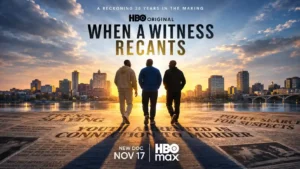
Choose When a Witness Recants for ending satisfaction and interview and source material quality.
Scores are out of 5. Missing scores mean missing review evidence, not a missing feature.
The intimate focus leaves important political forces underexplored. Missing discussion of state responsibility and Germany’s changing anti-immigrant climate is a significant reservation in one assessment.
Its most powerful contextual passages connect one Baltimore case with systemic racism, class and misplaced institutional trust. A dissenting view finds some of that larger analysis sidelined in favor of interpersonal conflict.
Consistent black backgrounds in the interviews keep attention on faces and the changes visible across the years.
The film chiefly centers the lives and perspectives of those wrongly imprisoned. Critics differ on whether certain framing choices redirect blame away from institutions.
One assessment praises how accessible the decade-spanning story is. Another finds that inconsistent time-jump markers weaken chronological clarity.
The underlying case is generally easy to follow, but one critique finds the deliberate withholding of information creates an uneven impression of the events.
The open-ended answers and redemptive moments can provide satisfying emotional release. Even an enthusiastic response still wants more updates on the family.
The refusal of an easy apology or emotional payoff gives the ending exceptional force. Its extended encounter continues the inquiry beyond the men’s legal exoneration.
Some of the most compelling passages move too quickly. Substantial leaps across years can leave emotional developments feeling less continuous than the subject deserves.
The final confrontation has room to breathe, and pauses underline the cost of lost time. The earlier chronology can feel conventional, though it establishes vital context.
Home, freedom and identity are explored as evolving tensions rather than fixed answers. The strongest responses value the film’s psychological complexity and its attention to coping, change and personal autonomy.
The film develops ideas of lost time, injustice and imperfect accountability, with its most probing moments refusing easy reconciliation.
Carefully photographed interviews and striking journey footage earn praise. The overall photography is appealing even where the visual approach is considered competent rather than exceptional.
Deliberate framing, shadow and stillness reinforce the lost years and oppressive atmosphere. Its precise compositions make absence and confinement feel palpable.
Scene selection, temporal compression and effective cuts can communicate a great deal across a decade. The same compressed approach sometimes leaves gaps, rushed passages or unevenly connected life events.
Cross-cutting past and present statements sharpens contradictions and consequences. Displayed court transcripts and other straightforward passages strike one critic as less visually imaginative.
The emphasis on years after arrival gives the refugee story a broader and less familiar arc. One response finds that the material’s radical potential is constrained by conventional documentary form.
The documentary largely follows established true-crime methods, though the post-release confrontation brings a distinctive and hard-to-predict turn.
Trust and candid interviews reveal vulnerability, changing perspectives and the mother’s especially revealing testimony. Access is also a fault line: some value the restraint, while others find that important developments remain out of reach.
The three exonerees speak with uncommon openness, alongside witness interviews and later legal depositions. This combination exposes both personal damage and institutional contradictions.
Tender early scenes and later ruptures give the family relationships considerable emotional force. Everyday affection, painful separations and renewed connections keep the larger refugee story personal.
The family testimony makes the emotional cost of imprisonment intimate and human.
The direction earns praise for patience, empathy and a close understanding of the family. Reservations focus on conventional presentation, missing political context and gaps between major life events.
Dawn Porter’s restrained attention to the exonerees earns acclaim, especially during the tense final meeting; a few find her direction conventional or overly manipulative.
The journey from flight to settlement and return creates an absorbing, unusually expansive story. Most responses are strongly positive, with some reservations about missing developments and a compressed narrative.
A compelling, deeply upsetting account of the Harlem Park Three emerges from the records and firsthand testimony. Its familiar true-crime foundations are elevated by a confrontation that avoids a neat resolution.
The cultural confrontations are handled with tact and empathy. Following the family over years reveals how adaptation and generational change unfold differently for each person.
The Baltimore community is portrayed as a place of warmth as well as fear, giving the case context beyond damaging public stereotypes.
The film leaves a strong impression through images such as young children preparing for the sea crossing. Specific scenes and the wider refugee portrait are described as memorable or unforgettable.
The extraordinary injustice and abrasive final meeting linger long after the credits.
The film’s messages about love, independence, resilience and room for imperfect people receive strong approval. Its hopeful outlook remains grounded in the emotional costs of displacement.
Its case for fairness and accountability comes through urgently without treating a financial settlement as an adequate remedy for lost years.
The decade-long portrait is repeatedly described as moving, heartbreaking and powerful. Family conflict and return-home scenes carry particular weight, while moments of playfulness keep the experience emotionally varied.
The decades stolen from three men generate anger, grief and empathy, while their interactions with the witness bring the pain into sharp focus. The relentlessly difficult subject matter can be draining.
Precise interview styling and sensory detail give the portrait a considered visual identity. Its images can be effective without consistently delivering a striking visual experience.
The contrast between graphic black-and-white illustration and grainy historical footage has a strong expressive effect. Not everyone finds the documentary formally distinctive.
Stark black-and-white illustrations help reconstruct childhood experiences and fill gaps in the visual record. Some find the comic-book style intrusive or too sentimental, while others wish there were more of it.
Vintage news footage and other historical material evoke 1980s Baltimore and contrast with later depositions. This texture helps the injustice feel grounded in a real community and time.
The intimate portrait gives a particular family’s migration story unusual dimension across a decade. Coverage is less complete than its scope suggests, with some key events missing and a desire for further updates.
The family members retain complexity and dignity instead of becoming stereotypes or idealized victims. Even Tarek’s harmful behavior is placed within a fuller emotional portrait.
Israa, Nisreen and Tarek emerge as complex people whose paths diverge over time. Their transformations are compelling, though large jumps can make some emotional arcs feel patchwork.
The treatment of the father’s admission of hitting Israa is praised for its heart-wrenching emotional effect. The approval concerns the handling of wrongdoing and remorse.
The witness’s justifications are contrasted against the exonerated men’s demand for accountability, leading to an uncomfortable examination of responsibility.
The disabled sister’s needs and their effect on relocation receive too little explanation, leaving an important part of the family’s experience unclear.
Its sympathetic approach to a pressured teen witness has moral complexity, but a critic questions whether it applies enough distance or institutional scrutiny.
The film looks beyond the original crime and conviction to community trust, the witnesses’ burdens and life after release. A minority view wishes its institutional and psychological examination went further.
The broad flight-to-return arc is praised as gripping and tragic, giving the documentary considerable dramatic power.
Israa remains the clear center, but her parents contribute distinct perspectives. The unequal weighting is treated as a successfully managed balance rather than an attempt to give everyone identical space.
The strongest praise concerns the complicated life after reaching safety: assimilation, homesickness and an uncertain return to Aleppo. Belonging emerges as a changing, deeply personal question rather than a simple destination.
Ta-Nehisi Coates offers personal recollections and larger historical context, though one account finds his contributions predictable and distracting.
Migration reshapes the household as Israa and her mother pursue independence and her father struggles with change. The shifting bonds are often richly observed, although missing marital developments leave one account feeling incomplete.
Tarek’s portrait combines early tenderness, later harm and eventual remorse. The emotional force comes from acknowledging both his contradictions and the suffering behind them.
Patience, respectful distance and preservation of the subjects’ dignity are widely admired. One response questions how little the film explains the filmmakers’ presence and possible intervention during abuse.
The face-to-face encounter with Ron Bishop is the film’s most discussed sequence: raw, tense and unpredictable. Instead of easy forgiveness, it reveals how deep the injuries remain.
The closing meeting refuses the comforting reconciliation viewers may expect. That difficult honesty brings both moral nuance and an unsettling lack of closure.
The film is valued as an informative, sensitive and distinctive addition to documentaries about Syrian displacement.
The documentary regards the recanting witness’s guilt as ethically complicated, acknowledging the pressure placed on a child while testing the limits of adult responsibility.
Archive footage and personal recollection recreate a Baltimore community and a pivotal school shooting in the early 1980s.
Unforced family joking and playfulness bring genuine lightness to an otherwise painful story.
Accounts of missed relationships, lost decisions and ongoing adjustment vividly convey how imprisonment continues to affect everyday life.
Case records, conflicting testimony and filmed depositions make misconduct increasingly difficult to dismiss. A careful reconstruction helps viewers understand how the false convictions survived for decades.
The film makes the cost of the wrongful convictions unmistakable, insisting that exoneration and settlement money cannot restore the stolen decades. Some find the climactic personal confrontation pulls emphasis away from wider institutional responsibility.
The interview lighting is carefully controlled to bring changing faces and outlooks into focus over the years.
Historical news footage exposes how the original public narrative intensified fear and failed to question the accusations.
The film shows lasting psychological wounds and the difficulty of readjustment. Some critics nevertheless want more attention to the witness’s own mental health.
The film allows fear, responsibility and anger to coexist rather than assigning everyone a simple role. The witness’s response is uncomfortable and provokes conflicting judgments.
The film moves between present interviews, historical material and a long closing confrontation. Some find the assembly skillful, while others regard its early stages as formulaic or too inclined to withhold known facts.
The film makes the police pressure, suppressed leads and evasive officials deeply infuriating, showing how institutional failures stole decades from three young men. Its familiar subject gains urgency through the people who lived with the consequences.
Nisreen’s emergence from the background into an articulate, independent presence is a major strength. Her interviews and transformation provide some of the documentary’s most revealing moments.
The documentary looks beyond legal release to show how lost decades persist in personal habits, relationships and emotional wounds.
The grounded approach avoids romanticizing the past or turning the family’s experience into pure sentiment. That restraint helps the personal story feel candid and touching.
The relationship with Mohammed supplies a touching love story within the wider account of displacement and family upheaval.
Compressing ten years into roughly 100 minutes gives the story sweep, but can shortchange nuance and important developments. The main reservation is insufficient room for the breadth of the family portrait.
The score divides opinion: its lush emotional sweep enhances the experience for one account, while another finds it overdirective and flattening.
A few viewers find the animation too sentimental for material better served by unadorned interviews and documents.
The unscripted climactic meeting creates intense anticipation because neither apology nor forgiveness is assured.
Candid playfulness and genuine joy coexist with trauma without trivializing it. That balance gives the family portrait warmth and emotional range.
The portrait of welcome in Germany resonates with present-day anti-immigrant hostility. Its contemporary perspective also draws criticism for leaving the far right’s later rise insufficiently examined.
The documentary forcefully reconstructs how three teenagers were falsely convicted and imprisoned for decades. It makes the systemic failure concrete through testimony and later case records.
The polished, emotionally accessible presentation is expected to connect with a substantial television audience.
Israa’s openness, energy and ease with the camera make her an unusually engaging center for the documentary. Her resilience gives the long journey a vivid personal anchor.
Israa’s opening narration has emotional resonance beyond its immediate scene, framing the decade-long account of what follows war.
The film is absorbing and rewarding to watch despite its painful subject matter. Israa’s engaging presence and the complex assimilation story sustain involvement across the decade.
The production is praised as highly polished and emotionally accessible, helping its difficult subject matter reach a broad audience.

Choose this inventive, unsettling documentary for fearless questioning, dark humor, and unpredictable storytelling. Skip it if you want a short, straightforward exposé with definitive answers.
Pros: originality, humor

Extraordinary performances and richly observed relationships make this a rewarding, emotionally forceful drama. Its nearly three-hour length and slow opening demand patience and undivided attention.
Pros: class commentary, character development

Best for a hypnotic, bookish mystery with tactile visuals and cerebral chills. Skip it if reading-heavy, attention-demanding storytelling sounds more exhausting than exciting.
Pros: Atmosphere, cinematography
Cons: audience appeal

Best for an intimate, searching documentary that rewards focused attention and invites discussion. Skip it when devastating grief, addiction footage, and unresolved family tensions would be too much.
Pros: emotional impact, theme depth