Scorata scores summarize analyzed review evidence on a 1–5 scale; they are not laboratory measurements or a simple average of customer star ratings. Feature scores summarize the reviews covering that feature. The overall score averages feature scores within each review, then combines review averages. When both expert and customer evidence are available, those two groups receive equal weight. Products can have different review coverage, so small score gaps do not establish a winner.
Recommendations prioritize important features for the category, with a score of at least 3.5, a gap of at least 0.25 points and at least two supporting reviews per product. Features with widely varying scores or broad connectivity contexts are excluded from recommendations. These safeguards do not establish statistical significance.
Quick verdict
What each product is best for
The review evidence points to a tradeoff: creature design and cinematography versus nostalgia appeal. Choose according to which strengths matter more to you; the overall score alone does not settle that choice.
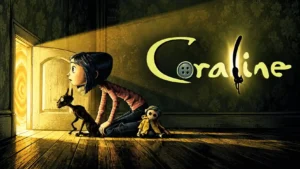
Choose Coraline for creature design and cinematography.
Choose Dogma for nostalgia appeal.
Why these recommendations?
Coraline
Where It Has the Edge
creature design is 5.0 vs 1.8. The supernatural designs combine inviting whimsy with menace. The Other Mother’s final monster form is especially admired for...
cinematography is 4.9 vs 2.2. Playful angles, mobile framing, and the urgent tunnel shots give the film an unusually cinematic feel for stop-motion....
visual style is 4.8 vs 2.3. The contrast between gray reality and the seductive, colorful Other World is a major attraction. Gothic detail and...
Dogma
Where It Has the Edge
nostalgia appeal is 4.5 vs 4.3. Seeing the late-1990s cast and revisiting familiar jokes creates a warm nostalgic appeal that helps offset some dated...
Coraline4.2 overall score
Dogma3.9 overall score
Compare features
Scores are out of 5. Missing scores mean missing review evidence, not a missing feature.
Scored on both products
Other features
Portrayal of women
Coraline
1.0
A strongly dissenting critique finds the women’s behavior and exaggerated stage imagery misogynistic. Its objection is to the portrayal’s implications and effect.
Dogma
4.8
Bethany and the female incarnation of God have decisive roles in saving humanity, rather than being relegated to supporting the male characters.
Religious messaging
Coraline
1.3
Two religious critiques object to casual witchcraft and what they perceive as an empty or rebellious moral universe. Their disapproval centers on the framing of the story’s values.
Dogma
4.2
The film treats faith as sincere while questioning institutional rules and hypocrisy. Some find that balance refreshing; others find the argument self-righteous or preachy.
Cinematography
Coraline
4.9
Playful angles, mobile framing, and the urgent tunnel shots give the film an unusually cinematic feel for stop-motion. The camera work is praised for exploring the sets rather than merely recording them.
Dogma
2.2
Flat shot choices, awkward blocking and rudimentary framing limit the film’s visual storytelling.
Directing quality
Coraline
4.7
Selick’s control of stop-motion, framing, and the relationship between spectacle and story earns strong praise. His creative choices are generally admired even in reviews with narrative reservations.
Dogma
2.6
Smith’s personal vision and ambition are evident, but his staging, camerawork and action direction often lack polish.
Action sequence quality
Coraline
4.4
The final encounters and web escape provide much of the excitement. The quest-like structure is often enjoyed, although one audience response finds the action insufficiently involving.
Dogma
2.5
The action sequences are less assured than the verbal comedy, especially when the story escalates into a large-scale showdown.
Special effects quality
Coraline
5.0
The practical effects and ghost imagery are praised for achieving striking results. Their tactile or deceptively simple execution helps make the strange world persuasive.
Dogma
3.3
The angel wings and comic-book imagery have charm, but the visibly inexpensive effects and dated execution limit their impact.
Runtime
Coraline
3.5
The leisurely length is either part of the film’s charm or a test of engagement. One devoted admirer enjoys every frame, while another loses interest before the end.
Dogma
1.9
At over two hours, the comedy frequently feels overlong, with several calls for substantial trimming.
Violence level
Coraline
1.5
One strongly negative critique objects to the haunted-house violence as inappropriate children’s entertainment. The concern is its effect within a film aimed at a young audience.
Dogma
2.6
Violent scenes are sometimes jarring, excessive or unpleasant, though the stylized gore and thematic purpose make them more tolerable for some.
Pacing
Coraline
3.5
The unhurried buildup lets the fantasy become seductive and the suspense accumulate. Others find the opening slow, the detours indulgent, or the final search slightly drawn out.
Dogma
2.4
Extended speeches, detours and a drawn-out climax can stall the adventure, despite lively stretches and memorable comic set pieces.
Dialogue quality
Coraline
2.8
The dialogue ranges from reasonably good to frustratingly obvious. Wybie’s exposition attracts criticism for stopping the story to announce information.
Dogma
3.8
The sharp, quotable banter is a major strength, especially when the cast delivers it naturally. Lengthy theological speeches and in-jokes can become tiring.
Opening sequence quality
Coraline
4.5
The doll-making credits establish beauty and unease immediately. Their sinister hands and sewing imagery prepare viewers for the later button-eye threat.
Dogma
3.4
The opening disclaimers and early comic setups are memorable, although some find the disclaimer overly defensive or the early jokes cheap.
Blu-ray video quality
Coraline
4.5
The refreshed Blu-ray video is praised for making the detailed visuals pop. The positive assessment specifically credits the improved bitrate.
Dogma
3.5
Earlier Blu-ray versions remain a useful baseline, but the 4K presentation makes color notably richer.
Humor
Coraline
3.4
Dark jokes and the cat’s dry presence have clear fans. The supporting characters’ comedy is less dependable, ranging from entertaining to completely ineffective for different viewers.
Dogma
4.3
Witty one-liners, absurd theological situations and irreverent asides are frequently hilarious. The juvenile gags and stretches of dry conversation do not land for everyone.
Villain quality
Coraline
4.9
The Other Mother stands out through manipulative warmth that hardens into possessive menace. Her evolving design and coercive affection make her a favorite villain for several writers.
Dogma
4.3
The fallen angels can be charismatic and formidable, though the demon Azrael is less clearly developed for some viewers.
Emotional impact
Coraline
3.7
Loneliness, childhood powerlessness, and Coraline’s missing parents can be deeply affecting. Some viewers remain emotionally distant and find the visual world more engaging than its inhabitants.
Dogma
4.3
Bethany’s struggle with faith and the film’s hopeful ending lend the comedy unexpected emotional resonance.
Behind-the-scenes access
Coraline
4.5
The Blu-ray’s storyboard presentation provides a welcome look at how the film came together. The surrounding extras extend that access to the animation and puppets.
Dogma
5.0
The retrospective making-of material provides a rewarding look at the production, especially for fans.
Theme depth
Coraline
4.7
Perspective, temptation, independence, and childhood vulnerability give the simple fairy-tale outline substantial interpretive depth. Several viewers find more beneath the surface on reflection.
Dogma
4.2
Questions about belief, doubt, divine infallibility and the misuse of religious authority give the comedy unusual depth, although some of the arguments feel underdeveloped or heavy-handed.
Message quality
Coraline
4.3
Gratitude, perspective, courage, and looking beyond attractive surfaces give the story much of its appeal. Two faith-oriented critiques instead find its choices selfish or spiritually empty.
Dogma
4.8
The film advocates hope, acceptance and faith over rigid rules or zeal, giving its irreverent comedy a genuinely positive message.
Tonal consistency
Coraline
4.4
Whimsy, unsettling imagery, and playful humor usually reinforce one another. Some find Wybie intrusive or the balance between children’s fantasy and horror less secure.
Dogma
4.0
The combination of spiritual earnestness, absurdity and profanity is distinctive; transitions into violence or lengthy debates sometimes disrupt the balance.
Genre satisfaction
Coraline
4.6
The blend of frightening fairy tale, portal fantasy, and child-led adventure is usually highly satisfying. Familiar story patterns and less-than-expected scariness temper a few genre responses.
Dogma
5.0
The unusual comic fantasy adventure delivers a distinctive and ambitious experience.
Plot clarity
Coraline
2.5
A few unresolved motivations and convenient story rules leave questions. Some viewers feel they must supply missing context to make Coraline’s choices convincing.
Dogma
2.9
The central paradox is understandable, but the crowded ensemble, intricate theology and overlapping story threads can be confusing.
Character development
Coraline
2.9
The heroine’s shift toward gratitude and concern for others works well for many viewers. Others find her arc thin, her parents underdeveloped, or the adaptation too willing to let others solve her problems.
Dogma
3.3
The angels and Bethany embody interesting conflicts about faith and free will, but some viewers find the characters thinly drawn or poorly served by exposition.
Editing quality
Coraline
3.0
Editing divides the two direct assessments: one finds it well done, while another sees a choppy string of loosely assembled vignettes. The criticism is tied to repeated movement between worlds.
Dogma
2.8
Cluttered scenes and awkward transitions detract from the film; the deleted material also reveals character motivations that some wish had been retained.
Story quality
Coraline
4.3
The cautionary fairy tale is widely enjoyed for its imagination and mounting danger. Reservations concern a simple underlying arc, episodic structure, and spectacle sometimes taking priority over emotional substance.
Dogma
4.6
A loophole in divine law creates an inventive world-ending adventure, although the complex journey and philosophical detours are not always compelling.
Writing quality
Coraline
4.5
Visual details, layered motifs, and largely unspoken lessons are frequent writing strengths. Criticism focuses on transparent exposition, shallow characterization, and a heroine who can remain difficult to like.
Dogma
4.3
The screenplay combines imaginative theological paradoxes with clever verbal comedy, but some passages are overwritten or insufficiently disciplined.
Casting quality
Coraline
4.8
The casting is praised for matching distinctive voices to eccentric roles. Fanning’s fit as Coraline and the ensemble’s convincing delivery are recurring strengths.
Dogma
4.6
An unusually strong ensemble gives the film energy and comic authority, even though not every casting decision works equally well.
Bonus features
Coraline
4.5
New character and puppet features join storyboards and older making-of material. The additions are welcomed as useful ways to revisit the craft behind the film.
Dogma
4.6
The physical releases offer extensive documentaries, commentaries, deleted material and other archival supplements, with different collections across regions.
Originality
Coraline
4.5
Inventive imagery, button eyes, and a handmade fantasy world make a familiar portal story feel distinctive. A minority see an old Alice-like premise beneath the visual invention.
Dogma
4.6
An unusual blend of Catholic theology, slacker humor and supernatural adventure makes the film stand out, even if some of its ideas feel less novel today.
4K video quality
Coraline
4.5
The new 4K restoration is presented as the home release’s main attraction. The assessment emphasizes the image’s depth rather than offering an extensive technical breakdown.
Dogma
4.6
The 4K editions bring improved color, contrast and detail to a modest-looking original, though the gains in sharpness are not always dramatic and editions differ.
Sexual content level
Coraline
2.1
The burlesque scene is the main point of dispute, drawing amusement from some and disgust or discomfort from others. Critics of the scene consider its revealing costumes and exaggerated bodies unnecessary.
Dogma
2.0
Sex jokes are frequent and can push beyond some viewers’ comfort level.
Ending satisfaction
Coraline
3.4
The final struggle and imperfect return to ordinary life satisfy many viewers. The extra hand attack and Wybie’s rescue also draw complaints about an unnecessary extension and reduced agency for Coraline.
Dogma
3.4
The final spiritual affirmation and appearance of God move some viewers, while others find the resolution confused or too convenient.
Packaging quality
Coraline
5.0
The Steelbook packaging is praised as a particularly attractive part of the 4K release. Its presentation adds appeal alongside the restoration.
Dogma
5.0
The collector’s packaging earns praise for its stained-glass slipcase and attractive presentation.
Comfort and build
Creature design
Coraline
5.0
The supernatural designs combine inviting whimsy with menace. The Other Mother’s final monster form is especially admired for its creativity and frightening silhouette.
Dogma
1.8
The excrement monster strikes several viewers as a gratuitous, juvenile gag rather than a worthwhile addition.
Visual style
Coraline
4.8
The contrast between gray reality and the seductive, colorful Other World is a major attraction. Gothic detail and imaginative compositions earn unusually consistent praise.
Dogma
2.3
The scrappy, inexpensive-looking visuals and flat staging rarely impress, although some appreciate their sincerity and comic-book charm.
Sound design
Coraline
4.3
Whispers, echoes, offbeat textures, and purposeful silence intensify the eerie mood. The sound design is praised for making small movements and spaces feel significant.
Dogma
3.8
The sound mixes feature active ambience and effects, but the buzzing motif and aggressive dynamics are not universally appreciated.
Controls and connectivity
Audience appeal
Coraline
4.2
Its blend of adult interest and children’s fantasy can reach a broad audience. The pronounced weirdness remains a barrier for viewers who cannot settle into its unusual world.
Dogma
2.5
The distinctive pop-culture-heavy, profane style is unlikely to appeal equally to all mainstream audiences.
Character appeal
Coraline
3.7
Coraline’s imperfect personality and the helpful cat win many admirers, but her hostility can also block sympathy. Wybie and the eccentric neighbors provoke similarly divided responses.
Dogma
4.5
The oddball companions and the slacker prophets inject much-needed energy and comic unpredictability into the quest.
Nostalgia appeal
Coraline
4.3
The handmade world can reconnect adult viewers with childhood imagination and miniature play. The nostalgia comes from that personal response rather than familiarity with the film alone.
Dogma
4.5
Seeing the late-1990s cast and revisiting familiar jokes creates a warm nostalgic appeal that helps offset some dated elements.
Ownership and support
Production value
Coraline
4.8
The intricate sets, puppets, and abundance of detail make the production feel unusually polished and substantial. The handmade realization is repeatedly admired for the care invested in it.
Dogma
4.0
The expanded budget and Hollywood cast give the film a much larger scope than Smith’s early independent work.
Rewatch value
Coraline
4.8
Repeat viewers often find the imagery durable and the details increasingly rewarding. Several express enthusiasm for returning, including one whose appreciation grew substantially in adulthood.
Dogma
4.9
Many find the film rewarding to revisit for its enduring ideas, quotable dialogue and nostalgic charm.
Entertainment value
Coraline
4.4
The imaginative spectacle and sinister final act make the film absorbing and fun for most. Slow passages and difficulty caring about the central characters limit enjoyment for a minority.
Dogma
4.4
The movie has distinctive comic energy and an unusually thoughtful premise. Its uneven pacing and juvenile humor keep it from being universally entertaining.
Performance
Blu-ray audio quality
Coraline
4.5
The returning Dolby 5.1 DTS track is praised for sounding great. The assessment is favorable without a detailed comparison of individual channels or effects.
Dogma
4.0
The surround presentations offer lively activity, although the improvement or dynamic balance varies with the edition.
Acting performance
Coraline
4.6
The voice ensemble is usually praised for fitting the stylized characters and adding personality. Fanning and Hatcher draw the clearest dissent in a few otherwise favorable assessments.
Dogma
4.1
The ensemble commits enthusiastically to the absurd premise, though earnest speeches and certain performances can be uneven.
Lead performance
Coraline
4.3
Dakota Fanning generally makes Coraline’s curiosity, stubbornness, and courage convincing. A small minority find her voice unendearing or the performance mediocre.
Dogma
3.9
Linda Fiorentino’s weary, sardonic heroine grounds the story for many viewers, while others find her delivery flat or lacking charm.
Supporting cast performance
Coraline
4.6
The supporting voices give the eccentric neighbors and cat considerable charm. Hatcher’s dual maternal performance and David’s cat receive especially enthusiastic praise.
Dogma
4.8
The eccentric supporting players give the theological adventure much of its comic energy and appeal.
Soundtrack quality
Coraline
4.5
The Other Father’s song is a standout for its catchy tune, vocal match, and hidden foreshadowing. The limited songs generally fit the story without turning it into a conventional musical.
Dogma
4.5
Howard Shore’s music has a dynamic, agile presence in the surround presentation.
Evidence available for one product
Other features
3D presentation
Coraline
4.4
The intended 3D usually deepens the sets and supports the contrast between worlds rather than relying on pop-out tricks. Dimmer images, conspicuous technique, and discomfort with glasses temper some responses.
DogmaNo score yet
Animal presence
Coraline
4.4
The helpful, dryly charismatic cat is a frequent favorite. The stuffed dogs are more divisive, supplying memorable creepiness that one writer finds pointless.
DogmaNo score yet
Animation quality
Coraline
4.9
The detailed, fluid stop-motion is the clearest point of agreement. Even viewers who dislike the characters or pacing regularly admire the animation’s ambition and execution.
DogmaNo score yet
Atmosphere
Coraline
4.7
A dreamlike mix of domestic gloom, colorful temptation, and persistent unease gives the film its identity. The atmosphere often keeps viewers engaged even when the pace feels slow.
DogmaNo score yet
Cast chemistry
CoralineNo score yet
Dogma
4.9
Damon and Affleck’s effortless rapport is a recurring highlight, lending the fallen angels both humor and menace.
Celebrity cameos
CoralineNo score yet
Dogma
4.5
Alanis Morissette’s unexpected appearance as God is a memorable comic flourish.
CGI quality
CoralineNo score yet
Dogma
2.0
Some computer-generated imagery has aged poorly.
Child abuse portrayal
Coraline
4.8
The treatment of neglect, manipulation, and childhood vulnerability is praised for empathy and honesty. The strongest positive reading values the heroine’s agency without implying that suffering was good for her.
DogmaNo score yet
Consent and relationship ethics
Coraline
1.0
One critique sees the relationships as dominated by abusive control and unequal treatment. That reading strongly rejects the behavior the film appears to validate.
DogmaNo score yet
Creative process insight
Coraline
4.5
The feature-length storyboards are valued for showing how the finished film was assembled. They make the relationship between planning, audio, and final images enjoyable to explore.
DogmaNo score yet
Cultural representation
Coraline
4.5
The Russian circus performer is praised as an endearing positive portrayal. That response values his charm rather than treating the accent or nationality alone as a strength.
DogmaNo score yet
Dialogue clarity
CoralineNo score yet
Dogma
3.0
Dialogue can swing abruptly from quiet to loud, requiring volume adjustments despite generally clear mixing.
Ensemble balance
Coraline
5.0
The supporting players can feel purposeful rather than disposable, contributing to an interconnected story. Their encounters have a clear place in the fantasy’s progression.
DogmaNo score yet
Expert commentary
CoralineNo score yet
Dogma
4.7
Commentaries and retrospective interviews provide entertaining, sometimes insightful accounts of the film’s development and controversy.
Exposition quality
CoralineNo score yet
Dogma
3.2
The film explains its unusual theological rules, but some of its dense, speech-heavy explanations can overwhelm first-time viewers.
Faithfulness to source material
Coraline
3.7
The adaptation preserves the core premise while expanding the visual world and changing Coraline’s support network. Readers differ over whether those choices enrich the film or weaken the book’s isolation and self-reliance.
DogmaNo score yet
Family dynamics
Coraline
2.9
Busy, flawed parents make the family feel recognizable to some viewers. Others find the neglect too harsh, the real mother insufficiently sympathetic, or the family’s eventual warmth unearned.
DogmaNo score yet
Family friendliness
Coraline
3.4
Several writers admire the combination of adult appeal and children’s adventure. Others reject the frightening or revealing material as inappropriate for family entertainment.
DogmaNo score yet
Family relationships
Coraline
2.3
The parent-child bond is a major dividing point. Small reconciliations feel sincere to some, while others need more affection and context to care about the family’s reunion.
DogmaNo score yet
Fatherhood portrayal
Coraline
2.5
The father’s bond with Coraline is criticized as too generic and thinly shown. That lack of connection weakens the emotional reason for wanting the family restored.
DogmaNo score yet
Final confrontation
CoralineNo score yet
Dogma
2.2
The showdown has exciting ideas and emotional moments but often feels busy, bloody, stretched out or muddled.
Friendship portrayal
Coraline
4.5
Coraline’s prickly companionship with the cat and her growing connection with Wybie add warmth without making every interaction easy. Other Wybie’s genuine concern is a particular highlight.
DogmaNo score yet
Genre blending
CoralineNo score yet
Dogma
4.7
A supernatural quest, profane comedy and sincere theological debate form an unusual combination that many viewers find compelling.
Hairstyling
Coraline
4.8
The heroine’s hair is admired for its animated execution and distinctive color. The bright blue design helps her stand out in the drab real world.
DogmaNo score yet
Language level
CoralineNo score yet
Dogma
2.0
The relentless vulgarity can push beyond some viewers’ comfort with religious comedy.
LGBTQ+ representation
CoralineNo score yet
Dogma
2.5
The inclusive spiritual message sits uneasily alongside gay-panic jokes that have aged poorly.
Memorability
CoralineNo score yet
Dogma
5.0
The dialogue remains highly quotable long after the movie ends.
Mystery quality
Coraline
4.5
The Other Mother’s unexplained origins preserve a sense of mystery. Leaving that riddle open is valued for sustaining both fascination and fear.
DogmaNo score yet
Plot twists
Coraline
4.5
The strange details and gradual revelation make developments satisfying for attentive viewers. Foreshadowing gains additional meaning when the story’s darker purpose becomes clear.
DogmaNo score yet
Pop-culture references
CoralineNo score yet
Dogma
2.9
Popular-culture asides produce some of the funniest lines, but their frequency and period-specific in-jokes can distract or alienate newer viewers.
Practical effects quality
Coraline
4.9
Tangible puppets, miniature sets, and laborious frame-by-frame movement give the fantasy unusual physical presence. One admirer misses the visible imperfections removed by digital cleanup.
DogmaNo score yet
Realism
Coraline
4.6
The tactile world and recognizably imperfect childhood behavior make the fantasy feel grounded. Viewers particularly value the credible loneliness beneath the exaggerated designs.
DogmaNo score yet
Religious satire
CoralineNo score yet
Dogma
4.4
The sharpest satire challenges church bureaucracy and hypocrisy without rejecting faith itself. Some viewers find its provocations too broad or self-satisfied.
Scares
Coraline
4.4
Creeping unease and the Other Mother’s transformation make this unusually frightening animation. Most praise the scares, while some find the material excessive for children and a few want stronger horror.
DogmaNo score yet
Score quality
Coraline
4.6
The haunting choral textures and unusual instrumentation usually strengthen both wonder and dread. One dissenting view finds the score bombastic and too prominent.
DogmaNo score yet
Sense of scale
CoralineNo score yet
Dogma
4.5
The story opens up into a broader world than Smith’s earlier small-scale comedies, giving the religious quest greater scope.
Shock comedy execution
CoralineNo score yet
Dogma
3.0
Irreverent humor often serves a thoughtful purpose, but some crude visual gags seem gratuitous and the satire is less daring than its reputation suggests.
Survival problem-solving
Coraline
4.3
Coraline’s observation, improvisation, and willingness to outsmart the threat are widely admired. A book comparison criticizes the film for handing some of her independent solutions to other characters.
DogmaNo score yet
Suspense
Coraline
4.5
The gradual loss of safety and the Other Mother’s pursuit create strong tension. A few viewers find the leisurely storytelling less urgent than the premise suggests.
DogmaNo score yet
Topical relevance
CoralineNo score yet
Dogma
4.5
Its criticisms of religious hypocrisy and exclusion remain pertinent, although the controversy itself feels less shocking today.
Controls and connectivity
Age appropriateness
Coraline
2.4
The child-friendly label needs qualification because the imagery and peril can be unusually intense. One writer recommends roughly nine and up, while others are substantially more cautious.
DogmaNo score yet
Performance
Atmos audio quality
CoralineNo score yet
Dogma
4.7
The Atmos remixes add energy, directional activity and impact, especially during the more active sequences; improvements can be subtle in dialogue-heavy passages.
Live performance sequences
Coraline
3.0
The supporting musical sequences can feel too long and unnecessary. Their spectacle does not fully justify the interruption for the viewer who directly criticizes them.
DogmaNo score yet
Marketing accuracy
Coraline
4.5
The dark tone is considered an honest delivery of what the promotion promises. The film is praised for following through without softening its identity.
DogmaNo score yet
Comfort and build
Character design
Coraline
4.5
Expressive shapes and the Other Mother’s changing form are frequent highlights. The exaggerated older neighbors divide viewers, with some finding them brilliantly distinctive and others visually out of place.
DogmaNo score yet
Costume design
CoralineNo score yet
Dogma
5.0
Stylish ordinary streetwear, distinctive angel wings and the deity’s colorful outfit help sell the unusual blend of mundane and celestial characters.
Production design
Coraline
4.7
Miniature rooms, a luminous garden, and the Other World’s decaying attractions reward close attention. One criticism is that some real-world backgrounds feel too empty beside the denser fantasy settings.
DogmaNo score yet
World-building
Coraline
4.8
The two related worlds feel simultaneously familiar and distinct, with enticing details that acquire darker meanings. The physical construction makes the fantasy especially immersive.
DogmaNo score yet
Ownership and support
Value for money
CoralineNo score yet
Dogma
3.5
Physical editions offer appealing restorations and supplements, but differences between releases make the expense of imports or multiple purchases a consideration.
A deeply human coming-of-age drama carried by remarkable performances and an honest portrayal of grief. Its gentle optimism moves most viewers, though some find the final stretch hurried or overly...
Billie Jean King’s magnetic first-person storytelling makes this an exhilarating portrait of athletic courage and social change. The filmmaking follows a familiar documentary structure, and her full tennis résumé gets...
Choose this inventive, unsettling documentary for fearless questioning, dark humor, and unpredictable storytelling. Skip it if you want a short, straightforward exposé with definitive answers.
A singular voice, powerful piano playing and intimate film photography make this concert absorbing for receptive listeners. Its uninterrupted, often similar-sounding songs and lack of background context are an acquired...