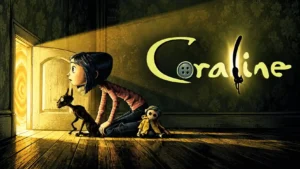
Coraline
Where It Has the Edge
- sound design is 4.3 vs 3.5. Whispers, echoes, offbeat textures, and purposeful silence intensify the eerie mood. The sound design is praised for making...

Scorata scores summarize analyzed review evidence on a 1–5 scale; they are not laboratory measurements or a simple average of customer star ratings. Feature scores summarize the reviews covering that feature. The overall score averages feature scores within each review, then combines review averages. When both expert and customer evidence are available, those two groups receive equal weight. Products can have different review coverage, so small score gaps do not establish a winner.
Recommendations prioritize important features for the category, with a score of at least 3.5, a gap of at least 0.25 points and at least two supporting reviews per product. Features with widely varying scores or broad connectivity contexts are excluded from recommendations. These safeguards do not establish statistical significance.
Quick verdict
The review evidence points to a tradeoff: sound design versus action sequence quality and Survival problem-solving. Choose according to which strengths matter more to you; the overall score alone does not settle that choice.
Choose Coraline for sound design.
Choose A Nightmare on Elm Street for action sequence quality and Survival problem-solving.
Scores are out of 5. Missing scores mean missing review evidence, not a missing feature.
A strongly dissenting critique finds the women’s behavior and exaggerated stage imagery misogynistic. Its objection is to the portrayal’s implications and effect.
Nancy's intelligence and proactive resistance are repeatedly praised as a strong alternative to a helpless horror heroine. One satirical criticism singles out sexist sexual dialogue involving Tina.
Gratitude, perspective, courage, and looking beyond attractive surfaces give the story much of its appeal. Two faith-oriented critiques instead find its choices selfish or spiritually empty.
A strongly negative response finds the film unsure of what point it wants to make. Its shifting rules and resolution weaken the intended message for that viewer.
One strongly negative critique objects to the haunted-house violence as inappropriate children’s entertainment. The concern is its effect within a film aimed at a young audience.
Several responses approve of the bloodshed as imaginative, purposeful, or well balanced with quieter suspense. One finds occasional over-the-top attacks less menacing, so the strongest approval is for how the gore works rather than simply how much appears.
One critique sees the relationships as dominated by abusive control and unequal treatment. That reading strongly rejects the behavior the film appears to validate.
The film invites a troubling reading about men dismissing women's warnings and violating familiar boundaries. That everyday vulnerability adds a social dimension to Freddy's supernatural threat.
The tactile world and recognizably imperfect childhood behavior make the fantasy feel grounded. Viewers particularly value the credible loneliness beneath the exaggerated designs.
One response finds the impossible physical effects of Freddy's attacks distracting. Viewers who need coherent real-world physics may struggle with the dream-driven action.
Editing divides the two direct assessments: one finds it well done, while another sees a choppy string of loosely assembled vignettes. The criticism is tied to repeated movement between worlds.
Editing works with blocking and camerawork to produce scares through basic film craft. Its execution is praised as consistently exemplary.
The practical effects and ghost imagery are praised for achieving striking results. Their tactile or deceptively simple execution helps make the strange world persuasive.
Many effects remain ingenious and startling, especially the major deaths and wall illusion. Others show their age, with the final mother-through-the-window effect attracting especially sharp criticism.
The blend of frightening fairy tale, portal fantasy, and child-led adventure is usually highly satisfying. Familiar story patterns and less-than-expected scariness temper a few genre responses.
Most regard the film as an outstanding example of horror's range, combining scares, atmosphere, humor, and ideas. Strong dissenters find its dated execution or inconsistent rules too damaging to overlook.
The leisurely length is either part of the film’s charm or a test of engagement. One devoted admirer enjoys every frame, while another loses interest before the end.
The roughly ninety-minute length is generally treated as an advantage. Its focused runtime delivers the premise without much unnecessary material.
Busy, flawed parents make the family feel recognizable to some viewers. Others find the neglect too harsh, the real mother insufficiently sympathetic, or the family’s eventual warmth unearned.
Dysfunctional parent-child relationships add substance to the horror. The teenagers' need to cope without dependable adult support makes their struggle more meaningful.
The unhurried buildup lets the fantasy become seductive and the suspense accumulate. Others find the opening slow, the detours indulgent, or the final search slightly drawn out.
The focused progression and escalating nightmares usually keep the film moving with little wasted time. One criticism is that an early confrontation with Freddy interrupts the otherwise methodical build-up.
The final struggle and imperfect return to ordinary life satisfy many viewers. The extra hand attack and Wybie’s rescue also draw complaints about an unnecessary extension and reduced agency for Coraline.
The final dream twist is the most persistent complaint: many find it abrupt, confusing, or damaging to Nancy's victory. Others love its bizarre last shock or find the ambiguity satisfying.
The casting is praised for matching distinctive voices to eccentric roles. Fanning’s fit as Coraline and the ensemble’s convincing delivery are recurring strengths.
Lin Shaye's brief appearance is a welcome surprise for a viewer who recognizes her. The pleasure comes from the casting recognition rather than a detailed assessment of the small performance.
Visual details, layered motifs, and largely unspoken lessons are frequent writing strengths. Criticism focuses on transparent exposition, shallow characterization, and a heroine who can remain difficult to like.
Craven's screenplay gains much of its strength from the premise, visual storytelling, and psychological ideas. Contrived exposition, familiar moral rules, and parents who refuse obvious warnings are the recurring writing complaints.
The treatment of neglect, manipulation, and childhood vulnerability is praised for empathy and honesty. The strongest positive reading values the heroine’s agency without implying that suffering was good for her.
Evocations of abuse contribute to the film's disturbing force. They give the nightmare imagery an emotional foundation beyond its supernatural mechanics.
The final encounters and web escape provide much of the excitement. The quest-like structure is often enjoyed, although one audience response finds the action insufficiently involving.
Nancy's final confrontation and the trap-filled house receive strong praise. Her proactive preparation gives the last stretch a satisfying burst of physical action.
Perspective, temptation, independence, and childhood vulnerability give the simple fairy-tale outline substantial interpretive depth. Several viewers find more beneath the surface on reflection.
Dreams, vulnerability, adolescent agency, and troubled parents give the horror more to discuss than its body count. Some find those ideas intelligent and substantial; others see familiar morality or heavy-handed treatment.
The dialogue ranges from reasonably good to frustratingly obvious. Wybie’s exposition attracts criticism for stopping the story to announce information.
Dialogue can sound dated, grating, or hokey. One enthusiastic reading finds its slightly unnatural phrasing useful to the film's uncanny dream feeling.
The new 4K restoration is presented as the home release’s main attraction. The assessment emphasizes the image’s depth rather than offering an extensive technical breakdown.
The evaluated 4K restoration is described as the best the film has looked. Improved daylight detail and more vivid dark boiler-room textures are particular benefits.
The Blu-ray’s storyboard presentation provides a welcome look at how the film came together. The surrounding extras extend that access to the animation and puppets.
The making-of documentary is praised for unusually comprehensive access to the production. Interviews, outtakes, and effects breakdowns give it particular value.
Coraline’s prickly companionship with the cat and her growing connection with Wybie add warmth without making every interaction easy. Other Wybie’s genuine concern is a particular highlight.
The friends' shared laughter during Glen's awkward phone-call prank adds a sweet moment of connection. It helps them feel like young people with a real bond.
The Other Mother’s unexplained origins preserve a sense of mystery. Leaving that riddle open is valued for sustaining both fascination and fear.
Freddy's unknown identity and motives give the original a compelling mystery. That uncertainty is a major reason this incarnation remains effective.
The doll-making credits establish beauty and unease immediately. Their sinister hands and sewing imagery prepare viewers for the later button-eye threat.
Freddy assembling his glove is widely admired as an economical, sinister introduction. A smaller number find the opening presentation creaky or visually awkward.
Loneliness, childhood powerlessness, and Coraline’s missing parents can be deeply affecting. Some viewers remain emotionally distant and find the visual world more engaging than its inhabitants.
The film can leave viewers shaken, exhilarated, or closely connected to the teenagers' panic. Flat acting and insufficient reactions to friends' deaths can also weaken that emotional connection.
Dark jokes and the cat’s dry presence have clear fans. The supporting characters’ comedy is less dependable, ranging from entertaining to completely ineffective for different viewers.
Dark jokes and exaggerated dream imagery add considerable fun for receptive viewers. The booby-trap climax can also provoke unintended laughter that weakens the menace.
Coraline’s observation, improvisation, and willingness to outsmart the threat are widely admired. A book comparison criticizes the film for handing some of her independent solutions to other characters.
Nancy's survival skills, backup plans, and improvised traps give her an active role in fighting Freddy. Her willingness to solve the problem is repeatedly admired as a strength of the final act.
The heroine’s shift toward gratitude and concern for others works well for many viewers. Others find her arc thin, her parents underdeveloped, or the adaptation too willing to let others solve her problems.
Nancy and Freddy earn praise for having more personality than standard slasher figures. Opinions split over the supporting teenagers and parents, whose thin writing or implausible behavior can limit emotional investment.
A few unresolved motivations and convenient story rules leave questions. Some viewers feel they must supply missing context to make Coraline’s choices convincing.
The shifting boundary between dreams and reality can be thrillingly disorienting or frustratingly unclear. Freddy's inconsistent effects on the waking world and the final twist generate the most questions.
The gradual loss of safety and the Other Mother’s pursuit create strong tension. A few viewers find the leisurely storytelling less urgent than the premise suggests.
Uncertain waking states and the inevitability of sleep create sustained suspense. Escalation and the shift away from the apparent initial heroine keep many viewers tense even when jump scares do not land.
Inventive imagery, button eyes, and a handmade fantasy world make a familiar portal story feel distinctive. A minority see an old Alice-like premise beneath the visual invention.
Making sleep itself dangerous gives the slasher formula an unusually inventive foundation. Later imitations and Freddy's familiarity can blunt the novelty, but the original idea remains a major attraction.
The Other Mother stands out through manipulative warmth that hardens into possessive menace. Her evolving design and coercive affection make her a favorite villain for several writers.
Freddy's personality, cruelty, and access to sleep make him stand apart from silent masked killers. His shadowy original incarnation draws especially strong praise, although a few viewers find him underdeveloped or surprisingly unscary.
The cautionary fairy tale is widely enjoyed for its imagination and mounting danger. Reservations concern a simple underlying arc, episodic structure, and spectacle sometimes taking priority over emotional substance.
A sleep-stalking killer turns a familiar teen slasher into a striking psychological nightmare. Most find the story imaginative and involving, though dissenters see contrivances and underused ideas beneath the premise.
Creeping unease and the Other Mother’s transformation make this unusually frightening animation. Most praise the scares, while some find the material excessive for children and a few want stronger horror.
The ceiling murder, school nightmare, and bathtub attack remain powerful scare scenes for many. Others feel that familiarity, dated effects, or the playful climax soften the fear considerably.
A dreamlike mix of domestic gloom, colorful temptation, and persistent unease gives the film its identity. The atmosphere often keeps viewers engaged even when the pace feels slow.
Ordinary bedrooms, classrooms, shadows, and boiler rooms acquire a persistent sense of unease. The atmosphere often unsettles even viewers who find Freddy himself less frightening.
Tangible puppets, miniature sets, and laborious frame-by-frame movement give the fantasy unusual physical presence. One admirer misses the visible imperfections removed by digital cleanup.
The rotating bedroom, stretching wall, and blood fountain are frequent highlights of the handmade effects. A few rubbery or visibly dated moments remain, but ingenuity is the dominant impression.
New character and puppet features join storyboards and older making-of material. The additions are welcomed as useful ways to revisit the craft behind the film.
The disc supplements offer substantial documentaries, commentaries, and outtakes. Their depth is a strength, although recycled material gives previous owners fewer new discoveries.
The strange details and gradual revelation make developments satisfying for attentive viewers. Foreshadowing gains additional meaning when the story’s darker purpose becomes clear.
Starting with Tina makes her early death a powerful misdirection. It unsettles assumptions about who is safe and helps keep the rest of the story unpredictable.
Selick’s control of stop-motion, framing, and the relationship between spectacle and story earns strong praise. His creative choices are generally admired even in reviews with narrative reservations.
Craven earns strong praise for building suspense, blurring dreams with reality, and making a modest budget feel inventive. His control of mood and visual storytelling is a central reason the film still works.
The haunting choral textures and unusual instrumentation usually strengthen both wonder and dread. One dissenting view finds the score bombastic and too prominent.
The eerie piano, synth themes, and nursery rhyme give Freddy a distinctive musical identity. Most admire the chilling atmosphere, with occasional reservations about intrusive scoring or silly synth tones.
The burlesque scene is the main point of dispute, drawing amusement from some and disgust or discomfort from others. Critics of the scene consider its revealing costumes and exaggerated bodies unnecessary.
One response finds the loud, prolonged sex scene implausible for its teenage setting. The criticism concerns how that presentation works in the scene rather than treating greater explicitness as a virtue.
Playful angles, mobile framing, and the urgent tunnel shots give the film an unusually cinematic feel for stop-motion. The camera work is praised for exploring the sets rather than merely recording them.
Thoughtful framing, expressive shadows, blue night lighting, and striking camera illusions are major strengths. The camerawork helps ordinary settings feel like unstable dream spaces.
Whimsy, unsettling imagery, and playful humor usually reinforce one another. Some find Wybie intrusive or the balance between children’s fantasy and horror less secure.
Many enjoy the combination of serious horror, psychological ideas, and twisted humor. Others find the trap-house climax so slapstick that it reduces the film's power to frighten.
The refreshed Blu-ray video is praised for making the detailed visuals pop. The positive assessment specifically credits the improved bitrate.
The evaluated Blu-ray transfers offer strong detail, deep blacks, and a clear improvement over earlier presentations. Some oversaturated colors, minor noise, and occasional artifacts keep the picture from being flawless.
The feature-length storyboards are valued for showing how the finished film was assembled. They make the relationship between planning, audio, and final images enjoyable to explore.
The supplements explain how ambitious effects and other creative choices were achieved on limited resources. They provide engaging production insight rather than merely repeating the film's story.
The two related worlds feel simultaneously familiar and distinct, with enticing details that acquire darker meanings. The physical construction makes the fantasy especially immersive.
The dream world's rules are clear and convincing to some, fluid or contradictory to others. Questions about what crosses into reality and how Freddy can be defeated are the main sticking points.
Whispers, echoes, offbeat textures, and purposeful silence intensify the eerie mood. The sound design is praised for making small movements and spaces feel significant.
Freddy's echoing voice adds an uncanny dream texture, while scraping blades produce an effective sensory jolt. The abrasive screeching can also be unpleasant enough to test a viewer's tolerance.
Miniature rooms, a luminous garden, and the Other World’s decaying attractions reward close attention. One criticism is that some real-world backgrounds feel too empty beside the denser fantasy settings.
Mundane homes and classrooms help dreams feel uncannily close to reality. The hot, rusted boiler-room labyrinth is a particularly effective and distinctive setting.
The contrast between gray reality and the seductive, colorful Other World is a major attraction. Gothic detail and imaginative compositions earn unusually consistent praise.
The dark, delirious look captures a particularly evocative strain of eighties horror. Dreamlike imagery and a strong overall feel remain appealing despite individual dated elements.
Expressive shapes and the Other Mother’s changing form are frequent highlights. The exaggerated older neighbors divide viewers, with some finding them brilliantly distinctive and others visually out of place.
The burned face, striped sweater, fedora, and homemade glove create an immediately recognizable killer. Most find the combination sinister and expressive, though one critic sees an oddly makeshift outfit.
The voice ensemble is usually praised for fitting the stylized characters and adding personality. Fanning and Hatcher draw the clearest dissent in a few otherwise favorable assessments.
Some find the teenagers unusually believable for an eighties slasher; others hear flat delivery and see conspicuously awkward reactions. The acting is one of the film's clearest points of disagreement.
The returning Dolby 5.1 DTS track is praised for sounding great. The assessment is favorable without a detailed comparison of individual channels or effects.
The Blu-ray mix can offer clear music, wide imaging, and useful surround ambience. Responses diverge over dialogue and effects fidelity, with one hearing strained voices and scratchy loud sounds.
The supporting voices give the eccentric neighbors and cat considerable charm. Hatcher’s dual maternal performance and David’s cat receive especially enthusiastic praise.
Supporting performances range from dependable and believable to merely serviceable. Nancy's mother is particularly divisive, with both strong admiration and sharp criticism of her exposition scenes.
Dakota Fanning generally makes Coraline’s curiosity, stubbornness, and courage convincing. A small minority find her voice unendearing or the performance mediocre.
Nancy's lead performance can feel vulnerable, tough, and authentically young. Less convinced viewers find her reactions stiff or uneven, especially before the exhaustion takes hold.
The Other Father’s song is a standout for its catchy tune, vocal match, and hidden foreshadowing. The limited songs generally fit the story without turning it into a conventional musical.
The recognizable theme and jump-rope song are repeatedly praised as defining parts of the film's identity. Their sound helps tie the eighties atmosphere directly to Freddy's threat.
Coraline’s imperfect personality and the helpful cat win many admirers, but her hostility can also block sympathy. Wybie and the eccentric neighbors provoke similarly divided responses.
Nancy's intelligence, courage, and refusal to remain a helpless victim make her a standout heroine for many. A minority admire her tactics without finding her personality especially engaging.
The child-friendly label needs qualification because the imagery and peril can be unusually intense. One writer recommends roughly nine and up, while others are substantially more cautious.
One retrospective explicitly recognizes that childhood exposure came too early. Enjoyment of the film does not erase its potential to be inappropriate for young viewers.
The handmade world can reconnect adult viewers with childhood imagination and miniature play. The nostalgia comes from that personal response rather than familiarity with the film alone.
Early encounters with Freddy carry strong affectionate memories and capture the appeal of eighties horror. One skeptical response argues that those childhood associations explain much of the film's lasting affection.
The intricate sets, puppets, and abundance of detail make the production feel unusually polished and substantial. The handmade realization is repeatedly admired for the care invested in it.
The production often looks remarkably ambitious for its small budget. A few responses still see the financial limits in dated effects, but resourceful filmmaking generally wins admiration.
Repeat viewers often find the imagery durable and the details increasingly rewarding. Several express enthusiasm for returning, including one whose appreciation grew substantially in adulthood.
Repeat viewings reveal details and preserve the appeal of the major deaths and effects. For some fans it is an annual return that grows more rewarding with familiarity.
The imaginative spectacle and sinister final act make the film absorbing and fun for most. Slow passages and difficulty caring about the central characters limit enjoyment for a minority.
The film remains a lively, inventive horror ride even for viewers who are not especially frightened. Elaborate deaths, dark playfulness, and memorable imagery sustain its entertainment appeal.
The intended 3D usually deepens the sets and supports the contrast between worlds rather than relying on pop-out tricks. Dimmer images, conspicuous technique, and discomfort with glasses temper some responses.
The helpful, dryly charismatic cat is a frequent favorite. The stuffed dogs are more divisive, supplying memorable creepiness that one writer finds pointless.
The detailed, fluid stop-motion is the clearest point of agreement. Even viewers who dislike the characters or pacing regularly admire the animation’s ambition and execution.
The grotesque body imagery is striking but unwelcome to some viewers. Maggots, green slime, and bloody bodily distortions can make the experience unpleasant even when the practical craft is admired.
Nancy and Glen's chemistry provides welcome warmth. The original Nancy-Freddy dynamic is also praised for giving the central conflict energy and helping the story work.
Recognizing Lin Shaye in a brief classroom appearance is an enjoyable surprise. The appreciation centers on seeing her in the film rather than on an extended role.
Freddy's brief appearances usually make his threat feel more potent. One response wants more of him and finds the limited dialogue and screen time disappointing.
The Evil Dead appearance is appreciated as a playful exchange between horror filmmakers. It adds a small, affectionate reference for attentive genre viewers.
Freddy's debut is repeatedly celebrated as a landmark that reshaped slashers and became a major pop-culture presence. Its influence extends beyond the sequels to the imagery and conventions of later horror.
The Russian circus performer is praised as an endearing positive portrayal. That response values his charm rather than treating the accent or nationality alone as a strength.
Dialogue is well prioritized and easy to hear in one Blu-ray assessment. Another finds the voices hollow and noticeably inferior to the music's clarity.
Dreams often begin without clear warning, allowing ordinary spaces to turn subtly threatening. The seamless shifts and nightmare logic are among the film's most consistently praised achievements.
Marge's alcoholism is treated as an unresolved human problem rather than something a supernatural victory can instantly cure. That refusal of an easy resolution earns particular praise.
The supporting players can feel purposeful rather than disposable, contributing to an interconnected story. Their encounters have a clear place in the fantasy’s progression.
The adaptation preserves the core premise while expanding the visual world and changing Coraline’s support network. Readers differ over whether those choices enrich the film or weaken the book’s isolation and self-reliance.
Several writers admire the combination of adult appeal and children’s adventure. Others reject the frightening or revealing material as inappropriate for family entertainment.
The parent-child bond is a major dividing point. Small reconciliations feel sincere to some, while others need more affection and context to care about the family’s reunion.
The father’s bond with Coraline is criticized as too generic and thinly shown. That lack of connection weakens the emotional reason for wanting the family restored.
The horror gains force from the idea that children inherit the consequences of adult wrongdoing. Evocations of abuse and generational trauma make the dream attacks feel more substantial than routine slasher danger.
The film combines a recognizable slasher structure with supernatural dream attacks. That combination gives its murders and suspense more freedom than an ordinary pursuit by a human killer.
Viewers sensitive to gore or bodily decay may find parts of the film unpleasant. The blood, maggots, and slime prompt discomfort even among people who otherwise enjoy its effects and entertainment.
The heroine’s hair is admired for its animated execution and distinctive color. The bright blue design helps her stand out in the drab real world.
Strong shadows and dreamy blue light give the night scenes an unsettling texture. The lighting is especially effective at preserving Freddy's mystery.
Freddy's expressive prosthetics are usually considered iconic or especially impressive, with the restoration revealing more detail. A dissenting critic finds the original makeup cheap enough to need concealment in shadow.
Tina's ceiling death and Glen's blood fountain repeatedly stand out as images that linger long after watching. Freddy's appearance and the broader nightmare imagery are similarly difficult to shake.
A lighthearted moment among the friends helps establish why their danger matters. Their believable warmth gives the later horror greater stakes.
The narrative structure supports a consistently enjoyable experience. Its organization is praised even alongside a separate concern about an early confrontation disrupting the slow build.
The Steelbook packaging is praised as a particularly attractive part of the 4K release. Its presentation adds appeal alongside the restoration.
The trap-house climax has enjoyable slapstick energy. That same silliness can make Freddy feel less threatening and weaken the fear.
One satirical response finds the conspicuous Nike placement awkward in a violent death scene. The visible branding distracts rather than adding to the moment.
Two religious critiques object to casual witchcraft and what they perceive as an empty or rebellious moral universe. Their disapproval centers on the framing of the story’s values.
Nancy and Glen have appealing chemistry. Their relationship provides a welcome warmer element within the surrounding nightmare threat.
The original's largely serious, sadistic Freddy is frequently preferred to his later comic persona. Limited jokes help preserve the sense of a dangerous antagonist.
Implied sexual menace is judged more unsettling than spelling everything out. Keeping that threat in subtext adds an extra disturbing layer to Freddy.
The ceiling-death choreography and burning-Freddy sequences draw particular admiration. Their physical staging gives the film memorable spectacle alongside its psychological threat.
The dream imagery gives the slasher premise a psychological dimension. Freudian readings connect bodily threats and adolescent anxiety to the film's recurring nightmares.
The evaluated Atmos remix gives familiar knife sounds, sudden appearances, and the score added presence. It is considered an enjoyable improvement even though an upgrade was not essential.
The supporting musical sequences can feel too long and unnecessary. Their spectacle does not fully justify the interruption for the viewer who directly criticizes them.
The dark tone is considered an honest delivery of what the promotion promises. The film is praised for following through without softening its identity.
Keeping Freddy fragmented, distant, and in shadow usually strengthens his mystery. Some would prefer greater exposure, while another criticism argues that even the original reveals him too early.
Its blend of adult interest and children’s fantasy can reach a broad audience. The pronounced weirdness remains a barrier for viewers who cannot settle into its unusual world.
The Focus Points contain worthwhile outtakes, but repeatedly operating the remote interrupts pacing and tension. The lack of an easier way to access that material makes the extras less comfortable to explore.
The dirty red-and-green sweater, hat, and glove form a strongly expressive costume. The unsettling color combination and immediately recognizable silhouette are particular strengths.
The supernatural designs combine inviting whimsy with menace. The Other Mother’s final monster form is especially admired for its creativity and frightening silhouette.

Choose this inventive, unsettling documentary for fearless questioning, dark humor, and unpredictable storytelling. Skip it if you want a short, straightforward exposé with definitive answers.
Pros: originality, humor

Extraordinary performances and richly observed relationships make this a rewarding, emotionally forceful drama. Its nearly three-hour length and slow opening demand patience and undivided attention.
Pros: class commentary, character development

Best for a hypnotic, bookish mystery with tactile visuals and cerebral chills. Skip it if reading-heavy, attention-demanding storytelling sounds more exhausting than exciting.
Pros: Atmosphere, cinematography
Cons: audience appeal

Best for an intimate, searching documentary that rewards focused attention and invites discussion. Skip it when devastating grief, addiction footage, and unresolved family tensions would be too much.
Pros: emotional impact, theme depth