Scorata scores summarize analyzed review evidence on a 1–5 scale; they are not laboratory measurements or a simple average of customer star ratings. Feature scores summarize the reviews covering that feature. The overall score averages feature scores within each review, then combines review averages. When both expert and customer evidence are available, those two groups receive equal weight. Products can have different review coverage, so small score gaps do not establish a winner.
Recommendations prioritize important features for the category, with a score of at least 3.5, a gap of at least 0.25 points and at least two supporting reviews per product. Features with widely varying scores or broad connectivity contexts are excluded from recommendations. These safeguards do not establish statistical significance.
Quick verdict
What each product is best for
The review evidence points to a tradeoff: dialogue quality and romance quality versus audience appeal and message quality. Choose according to which strengths matter more to you; the overall score alone does not settle that choice.
Choose Wicker for dialogue quality and romance quality.
Choose Ebenezer for audience appeal and message quality.
Why these recommendations?
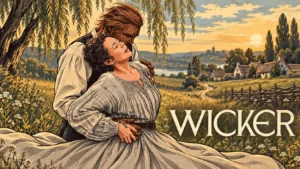
Wicker
Where It Has the Edge
dialogue quality is 4.7 vs 1.0. The ornate speech can be witty, playful, and surprisingly coherent. Its theatrical rhythms and clever lines are an...
romance quality is 4.4 vs 2.0. The central relationship is often described as tender, sincere, and unexpectedly moving. Reservations focus on limited development and...
faithfulness to source material is 4.8 vs 3.9. The adaptation earns praise for preserving the short story’s framework while expanding its characters and visual world. Its...
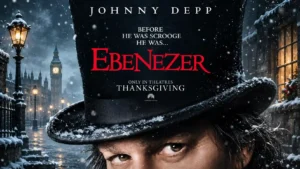
Ebenezer
Where It Has the Edge
audience appeal is 5.0 vs 3.8. Audience reactions vary widely: some screenings respond warmly to the humor and redemption, while critics split over the...
message quality is 5.0 vs 4.3. Compassion, generosity and second chances remain central. Viewers most receptive to these themes often find the film heartfelt...
Wicker4.2 overall score
Ebenezer3.5 overall score
Compare features
Scores are out of 5. Missing scores mean missing review evidence, not a missing feature.
Scored on both products
Other features
Dialogue quality
Wicker
4.7
The ornate speech can be witty, playful, and surprisingly coherent. Its theatrical rhythms and clever lines are an important part of the film’s identity.
Ebenezer
1.0
The dialogue quality is criticized, with a particular emphasis on second-screen dialogue that has zero faith that its audience.
Editing quality
Wicker
4.4
Energetic montages and concise transitions help establish daily life and move time forward. The storybook chapter divisions can also interrupt the flow.
Ebenezer
1.0
Quick cutting in conversation is said to work against an otherwise carefully recreated period atmosphere.
Casting quality
Wicker
4.3
Colman, Dinklage, and Debicki are repeatedly described as especially well chosen. One reaction to the promotional material questions Skarsgård’s suitability, while assessments of the finished performances are overwhelmingly favorable.
Ebenezer
1.8
The supporting players fit the ghosts and Marley well; objections focus chiefly on whether Depp is right for this Scrooge.
Originality
Wicker
4.5
The handmade-husband premise and offbeat world feel refreshingly different within screen romance. Even several mixed assessments regard the concept as a major attraction.
Ebenezer
2.0
The horror dressing and a handful of new scenes provide variation, but the story remains very familiar and often falls short of its reinvented-Scrooge marketing.
Romance quality
Wicker
4.4
The central relationship is often described as tender, sincere, and unexpectedly moving. Reservations focus on limited development and whether a made-to-order partner has enough independent agency.
Ebenezer
2.0
Expanded material about Belle attracts mixed-to-negative reactions, especially when the reconciliation feels modernized or sentimental.
Film framing
Wicker
4.5
Careful framing and blocking create interesting shots that hold attention. The compositions contribute to the film’s engrossing visual character.
Ebenezer
2.1
The apparent parallel between Scrooge’s redemption and Depp’s return is distracting or cynical to some, while others set it aside to enjoy the film.
Humor
Wicker
4.4
Bawdy jokes, dry delivery, and absurd village behavior produce plenty of laughter for many viewers. Others find repetitive gags, shallow material, or stretches of dead air.
Ebenezer
2.5
There are flashes of comic energy and a few good lines, but numerous critics find the humor too sparse, too broad or poorly timed.
Writing quality
Wicker
4.2
The sharp screenplay supplies theatrical speeches, inventive transitions, and biting social jokes. Its chief weakness is uneven development, with some viewers finding promising ideas underwritten.
Ebenezer
2.6
Nathaniel Halpern maintains Dickens’ recognizable structure and adds moments of backstory, but the dialogue and limited reinvention frustrate several critics.
Comic timing
Wicker
5.0
Colman’s tossed-off reactions and the film’s best punch lines land with exceptional precision. The timing helps make small jokes feel much larger.
Ebenezer
3.7
Depp’s gruff mannerisms and Ridley’s sharp reactions produce some laughs, though the comedy rarely satisfies everyone.
Pacing
Wicker
3.5
Many find the film buoyant and absorbing, but others notice repetition, rushed later turns, or a stop-start rhythm. The pacing is less consistently praised than the craft.
Ebenezer
2.2
Some appreciate the steady unfolding of the familiar tale, whereas others complain that the chapters drag and the runtime feels longer than it is.
Story quality
Wicker
3.6
The unusual premise grows into a charming, substantial fable for many viewers. Others find a short story stretched too far, with distracting detours and artificial conflict.
Ebenezer
2.3
The classic moral journey is readable and occasionally stirring, but the familiar plot gives some viewers little reason to prefer this telling.
Scares
Wicker
2.5
One quoted critical response wants more nerve-racking mischief and menace. The fable does not fully supply that desired unsettling edge.
Ebenezer
3.7
Rotting spirits, zombie-like crowds, body-horror imagery and jump scares distinguish the ghost sequences. Opinions split on whether the frightening material is effective or too restrained.
Score quality
Wicker
4.4
Anna Meredith’s distinctive score supports the comedy, romance, and darker turns. Its unusual instrumental character strengthens both the atmosphere and emotional impact.
Ebenezer
3.2
Gothic strings and Christmas-carol motifs fit the mood for some, but others find the music forgettable or too insistent during emotional scenes.
Directing quality
Wicker
4.4
Many responses admire the confident balance of sincerity, bawdy comedy, and a carefully built fantasy world. Dissent centers on loose later storytelling and insufficient exploration of the premise’s implications.
Ebenezer
3.2
Ti West’s control of Gothic imagery impresses some, while others fault the direction for excessive caution, slow stretches or lack of personality.
Ending satisfaction
Wicker
3.7
The ending ranges from a perfect, rewarding comeuppance to a clunky or emotionally unfinished resolution. Reactions depend heavily on whether the village’s reckoning feels as compelling as the couple’s romance.
Ebenezer
2.6
The extended Christmas-morning redemption charms several viewers, but others find its sweetness, speed or altered Cratchit resolution unconvincing.
Tonal consistency
Wicker
4.1
The mixture of tenderness, bawdy comedy, and darkness is delightful when it connects. For others, the shifts feel awkward and undermine either the romance or the satire.
Ebenezer
3.0
The tonal consistency is treated as a tradeoff, with a particular emphasis on compounding this is the tonal confusion, as the film.
Accent authenticity
Wicker
5.0
Dinklage’s clipped English accent makes the basketmaker convincing. The delivery also supports the character’s dry comedy.
Ebenezer
4.0
The accent authenticity is praised, with a particular emphasis on timing and sonorous british accent might have been.
Faithfulness to source material
Wicker
4.8
The adaptation earns praise for preserving the short story’s framework while expanding its characters and visual world. Its best moments make the fable feel fully realized on screen.
Ebenezer
3.9
The five-stave structure and central moral survive largely intact, with a new Marley prologue and expanded personal history. Some welcome the fidelity while others find it overly cautious.
Message quality
Wicker
4.3
The appeal lies in its argument for kindness, mutual care, and freedom from restrictive expectations. Some find the lesson humane and timely; others consider it simplistic, heavy-handed, or objectionable.
Ebenezer
5.0
Compassion, generosity and second chances remain central. Viewers most receptive to these themes often find the film heartfelt despite its macabre surface.
Atmosphere
Wicker
4.7
The rustic fantasy setting is enveloping, warm, and pleasingly strange. Its tactile surroundings help transport viewers into the fable.
Ebenezer
4.1
Fog, blackened interiors, decaying ghosts and frosty streets create a heavily Gothic Christmas world. It is memorable to many, oppressive to others.
Theme depth
Wicker
4.1
Love, jealousy, self-worth, and social conformity give the absurd premise meaningful substance. Disagreement concerns how fully the film explores those ideas rather than whether they are interesting.
Ebenezer
3.6
The theme depth is treated as a tradeoff, with a particular emphasis on on solid footing, psychologically and theologically. between the dreamy.
Genre satisfaction
Wicker
4.5
The film works best as a playful adult fable with romance and comedy at its center. Its strange blend revives some of the appeal of older fairy-tale storytelling.
Ebenezer
4.0
The Hammer-inspired ghost story is enjoyable for those seeking Gothic touches, but its relatively restrained PG-13 approach may disappoint hard-horror devotees.
Cinematography
Wicker
4.8
Earthy colors, tactile close-ups, sunlit romance, and carefully composed village scenes make the film visually rich. The photography is among its most consistently praised strengths.
Ebenezer
4.3
The smoky, coal-dark photography and retro visual flourishes draw praise, although some find the muted palette and close-ups unpleasantly monotonous.
Family friendliness
Wicker
1.0
The fairy-tale appearance is misleading for families with children. Explicit assessments describe the film as adult material rather than suitable child-inclusive entertainment.
Ebenezer
1.4
Its familiar holiday message does not make it gentle viewing: unusually unsettling apparitions and frightening moments trouble the family-film balance.
Emotional impact
Wicker
4.0
The Fisherwoman’s vulnerability and discovery of love move many viewers deeply, sometimes to tears. A substantial minority admire the craft while feeling little attachment to the characters.
Ebenezer
3.7
Some viewers are moved to tears by Scrooge’s remorse, reunions and carols. Others find Depp’s eccentricity or the bleak presentation leaves the ending cold.
Special effects quality
Wicker
4.7
Subtle enhancements and a convincing hollow body make the impossible creation feel physically present. The effects often earn acclaim even from viewers disappointed by the story.
Ebenezer
5.0
The blend of physical and digital ghost effects is treated as a polished strength of the production.
Practical effects quality
Wicker
4.9
The tangible wicker body is a major achievement, giving the actors something convincing to interact with. Its moving woven components repeatedly inspire unusually strong praise.
Ebenezer
5.0
The movie’s combination of makeup and physical ghost details makes the supernatural elements convincing and tactile.
Character development
Wicker
3.7
Some viewers find a fully realized heroine and villagers who grow beyond archetypes; others see thin personalities serving a moral lesson. The husband’s inner life and the supporting arcs are frequent points of disagreement.
Ebenezer
3.8
Extra attention to Scrooge’s sister, Belle and his earlier regrets can make him more human; others consider the transformation too abrupt or overly explained.
Makeup quality
Wicker
4.8
The wicker transformation is repeatedly considered award-worthy, allowing Skarsgård’s eyes and emotions to remain visible beneath the prosthetics. One promotional reaction dislikes the result’s appearance.
Ebenezer
4.8
Corpse-like ghost makeup and Depp’s aging prosthetics create tactile transformations, with practical work singled out for praise.
Opening sequence quality
Wicker
5.0
The opening efficiently establishes the Fisherwoman’s productive daily routine and place in the village. Its editing provides more than basic setup.
Ebenezer
5.0
The Marley prologue gives their friendship context, while the credits immediately establish the analog-horror aesthetic.
Ownership and support
Rewatch value
Wicker
5.0
One emphatically positive response describes wanting to experience the film again immediately. Its warmth and charm are the reasons for returning.
Ebenezer
1.6
Even those who find parts enjoyable often hesitate to make it an annual Christmas tradition, preferring older adaptations.
Entertainment value
Wicker
4.5
Most responses describe an unusually charming, funny, and absorbing experience. Less enthusiastic viewers still tend to admire the craft but find the story frustrating or emotionally slight.
Ebenezer
3.2
A solid spooky holiday outing for some, a repetitive and even punishing experience for others; enjoyment tracks strongly with the appetite for another Scrooge adaptation.
Production value
Wicker
5.0
The technical execution is especially impressive for an independent feature. The craft supplies plenty to admire even when the story leaves less impact.
Ebenezer
4.5
Costumes, sets, makeup and retro photography give the studio production a tangible richness, even when critics dislike the storytelling.
Controls and connectivity
Marketing appeal
Wicker
4.4
The trailers, playful posters, and provocative campaign generate considerable curiosity. Reactions range from admiration for precise audience targeting to confusion or dislike of the approach.
Ebenezer
2.0
The focus on Depp’s comeback can distract from the filmmaking strengths that some critics value more.
Audience appeal
Wicker
3.8
Some see an eccentric romance with enough warmth to reach beyond a niche audience. Others warn that its unusual concept will limit broader appeal.
Ebenezer
5.0
Audience reactions vary widely: some screenings respond warmly to the humor and redemption, while critics split over the lead performance.
Character appeal
Wicker
4.6
The isolated Fisherwoman readily earns sympathy, while the unusual husband and quirky villagers make the setting engaging. Their eccentricity is a major part of the charm.
Ebenezer
4.5
Scrooge’s familiar eccentricity is lively enough to entertain some, but others struggle to sympathize with his abrasive behavior.
Performance
Marketing accuracy
Wicker
3.4
The campaign successfully sells the strange premise, but its sexual emphasis can create expectations the film does not fulfill. Some viewers find the fuller, more emotional love story exceeds what was promised.
Ebenezer
1.3
Advertising suggests a radical origin story or new twist, while the movie mostly follows Dickens. This gap between promise and delivery draws repeated criticism.
Lead performance
Wicker
4.9
Olivia Colman and Alexander Skarsgård ground the improbable pairing with emotional openness and carefully controlled physical performances. Their work often earns stronger praise than the surrounding plot.
Ebenezer
3.3
Johnny Depp divides opinion as Scrooge: some find real vulnerability and a convincing change of heart, while others see broad mugging and familiar mannerisms that blunt the redemption.
Acting performance
Wicker
4.7
The cast makes an outlandish premise feel human through committed comedy, warmth, and vulnerability. Even several less enthusiastic responses single out the acting as a strength.
Ebenezer
3.1
The ensemble is often judged more persuasive than the lead, with particularly divided reactions to the theatrical style of Scrooge himself.
Supporting cast performance
Wicker
4.6
The villagers add sharp deadpan reactions, petty rivalries, and memorable comic turns. Their performances are widely enjoyed, although some roles receive too little material.
Ebenezer
4.7
The ghosts and Marley are frequent highlights, with Tillman and McKellen especially praised; several critics wish the smaller roles had more room to breathe.
Comfort and build
Creature design
Wicker
4.8
The woven humanoid is a standout creation, combining an intricate body with a clear emotional presence. Its unusual construction gives the fantasy a memorable focal point.
Ebenezer
4.0
Christmas Past’s blank eyes, Present’s cracking skin and his hidden ghastly creatures are striking, though some designs strike critics as familiar.
Visual style
Wicker
4.9
Painterly colors, natural textures, and striking compositions give the film a distinctive storybook identity. The tangible presentation is repeatedly regarded as a lasting strength.
Ebenezer
4.4
The icy Gothic presentation and analog filmmaking touches are a major draw, even though some viewers tire of the gloom.
Character design
Wicker
4.6
The woven husband is celebrated for intricate, expressive design that remains recognizably human. A reaction to the promotional images finds the same appearance repellent.
Ebenezer
4.4
Ghostly transformations, especially the corpse-bride Past and decaying Present, are visually memorable; not everyone likes how the characterizations depart from warmer versions.
Production design
Wicker
4.7
The compact medieval village feels richly crafted through detailed interiors, props, and rustic surroundings. Its design helps turn the fable into a convincing visual world.
Ebenezer
4.5
Detailed Victorian interiors, filthy streets and Gothic architecture are consistently among the most admired elements, even in otherwise unfavorable assessments.
Costume design
Wicker
4.8
The full-body wicker suit draws exceptional praise for its texture, detail, and ability to preserve expression. The villagers’ clothing also helps define the period-inspired world and individual roles.
Ebenezer
4.8
Period clothing strengthens the shadowy Victorian look and helps distinguish the haunted characters; the craftsmanship receives favorable notices.
Evidence available for one product
Controls and connectivity
Age appropriateness
Wicker
1.0
Despite its cute storybook presentation, the film is judged inappropriate for children. Its adult material requires a more mature audience.
EbenezerNo score yet
Title appeal
WickerNo score yet
Ebenezer
2.0
The title appeal is criticized, with a particular emphasis on a bit of a desperate lie. the character of.
Voiceover effectiveness
Wicker
4.5
The basketmaker’s curious voice and theatrical commentary give the fable a memorable storytelling presence. His narration supplies some of its most distinctive lines.
EbenezerNo score yet
Other features
Body-horror execution
Wicker
4.0
Body-horror touches add to an adventurous mixture of relationship drama and comedy. They are treated as part of the film’s daring tonal range.
EbenezerNo score yet
Cast chemistry
Wicker
4.7
Colman and Skarsgård make their unlikely pairing tender, funny, and unexpectedly convincing for most viewers. A smaller group wants more shared scenes before fully investing in the bond.
EbenezerNo score yet
Celebrity cameos
Wicker
4.5
Richard E. Grant’s brief doctor appearance is enjoyed for its comic payoff. His limited time still leaves a strong impression.
EbenezerNo score yet
CGI quality
Wicker
5.0
The digital touches that let light pass through the wicker are praised as stunning. They enhance a visibly tangible creation without overwhelming its physical texture.
EbenezerNo score yet
Character screen time
Wicker
2.4
A recurring complaint is wanting more time with the central couple, Dinklage, and the wider ensemble. Several viewers feel the later focus on the village takes attention away from the relationship.
EbenezerNo score yet
Class commentary
WickerNo score yet
Ebenezer
3.7
Wealth inequality and Scrooge’s disdain for the poor still feel timely, although some find the new excuses for his cynicism muddy Dickens’ social critique.
Consent and relationship ethics
Wicker
3.6
Attentive, equal partnership is an appealing central ideal. Several viewers question whether the story adequately resolves the husband’s freedom of choice and the consequences of creating a partner.
EbenezerNo score yet
Dance choreography
Wicker
4.5
The village dance is a highlight, contrasting silly communal ritual with the couple’s freer intimacy. It brings the social point to life through movement.
EbenezerNo score yet
Dialogue clarity
Wicker
1.5
The old-fashioned English can be difficult to follow. One assessment finds substantial stretches of dialogue nearly unintelligible.
EbenezerNo score yet
Disability representation
Wicker
4.5
The basketmaker is praised for avoiding a reductive magical-disabled-helper trope. His reflection on exclusion gives him motives beyond simply granting someone else’s wish.
EbenezerNo score yet
Drama quality
Wicker
2.0
The strongest dramatic moments reveal insecurity beneath the comedy. Artificial misunderstandings can weaken that impact.
EbenezerNo score yet
Ensemble balance
Wicker
2.7
The ensemble is balanced well for viewers who enjoy the village’s wider relationship problems. Others find too many characters competing with the central couple for attention.
EbenezerNo score yet
Gender-role satire
Wicker
4.4
Marriage rituals, household labor, and the village’s double standards supply sharp gender satire. Many find it incisive and funny, while detractors consider it blunt or insufficiently developed.
EbenezerNo score yet
Genre blending
WickerNo score yet
Ebenezer
5.0
The genre blending is praised, with a particular emphasis on ‘ebenezer’ much of its distinctive personality. meanwhile, the costume.
Gore-sensitive viewing
WickerNo score yet
Ebenezer
1.3
The gore-sensitive viewing is criticized, with a particular emphasis on the ghost of christmas present’s ribcage—will make them want.
Joke originality
Wicker
5.0
A particularly inventive foul-mouthed retort is singled out as a memorable comic flourish. The wording earns praise for cleverness rather than sheer vulgarity.
EbenezerNo score yet
Language level
Wicker
4.1
Colorful British profanity often earns praise as sharp, inventive comedy. One assessment finds it coarse enough to undermine the film’s fable-like surface.
EbenezerNo score yet
LGBTQ+ representation
Wicker
4.0
The basketmaker’s queer coding adds another dimension to his outsider status. That connection strengthens the film’s broader acceptance of unconventional relationships.
EbenezerNo score yet
Lighting quality
Wicker
4.8
Daylight and difficult night interiors are handled with exceptional control. The lighting also helps contrast the restrictive village with the Fisherwoman’s freer surroundings.
EbenezerNo score yet
Narrative repetition
WickerNo score yet
Ebenezer
2.0
The extended setup and repeated miserly behavior feel redundant when the story is already familiar.
Narrative stakes
WickerNo score yet
Ebenezer
2.0
The narrative stakes is criticized, with a particular emphasis on lack of faith in its audience make a would-be.
Physical comedy
Wicker
4.8
The bed-breaking wedding night stands out as an especially successful physical gag. Its visual absurdity makes the sexual awakening funny as well as tender.
EbenezerNo score yet
Plot clarity
Wicker
2.7
The expanding story sometimes loses cohesion or becomes convoluted. Several choices near the end make the narrative feel less focused than its opening.
EbenezerNo score yet
Plot twists
Wicker
3.9
Some viewers enjoy the bizarre new creations and surprising turns, while others find the late developments obvious or unconvincing. The final stretch is the main dividing point.
EbenezerNo score yet
Poetry presentation
Wicker
5.0
The basketmaker’s soliloquies have a poetic, theatrical beauty. Their delivery is a distinctive pleasure within the fable.
EbenezerNo score yet
Portrayal of women
Wicker
4.5
The Fisherwoman’s desires and interior life receive unusually sympathetic attention. The film also examines how marriage customs and other women can reinforce limits on female independence.
EbenezerNo score yet
Religious messaging
WickerNo score yet
Ebenezer
4.5
The Christian themes of grace, forgiveness and kindness resonate strongly for some, while another critic finds certain religious additions overly solemn.
Runtime
Wicker
3.4
The feature length feels brisk and even too short to enthusiastic viewers. Less engaged viewers feel the thin premise cannot comfortably fill roughly 105 minutes.
EbenezerNo score yet
Sexual content level
Wicker
4.0
The sexual comedy is often enjoyed for its playfulness and focus on the woman’s pleasure. Some viewers want considerably more sensuality, while another finds the coarseness at odds with the storybook presentation.
EbenezerNo score yet
Shock comedy execution
Wicker
4.0
The crass comedy works through both discomfort and amusement. Its provocative edge is part of the appeal for a receptive audience.
EbenezerNo score yet
Suspense
WickerNo score yet
Ebenezer
1.0
The inevitable turns of the well-known plot leave little uncertainty, and one especially critical account finds almost no suspense.
Topical relevance
Wicker
4.6
The village’s gossip, rigid expectations, and resistance to change feel relevant to contemporary relationships and social behavior. The period-inspired setting gives those observations useful distance.
EbenezerNo score yet
Villain quality
Wicker
4.3
Debicki’s commanding, layered antagonist works very well for many viewers. Others find the need for a single scheming villain forced and dramatically unconvincing.
EbenezerNo score yet
Violence level
Wicker
4.5
The darker violence is appreciated for making the film’s beautiful moments and pleasures feel more valuable. That approval concerns its dramatic purpose rather than the amount of violence.
EbenezerNo score yet
Comfort and build
Sound design
Wicker
4.7
Every creak and strain helps sell the wicker body, with particularly effective comic foley during intimate moments. The sound is usually a standout, though one viewer needs time to adjust to it.
EbenezerNo score yet
World-building
Wicker
4.2
The tactile village and simple customs make a charming fantasy setting for many viewers. Others find its logic too thin to suppress questions about the magical husband’s existence.
EbenezerNo score yet
Performance
Soundtrack quality
Wicker
4.5
The spritely music feels at home in the period-inspired setting. It complements the romance and the story’s darker moods.
EbenezerNo score yet
Ownership and support
Value for money
Wicker
3.0
A discounted screening is the conditional recommendation from one disappointed viewer. Interest in the premise is needed to justify even that outing.
Choose this inventive, unsettling documentary for fearless questioning, dark humor, and unpredictable storytelling. Skip it if you want a short, straightforward exposé with definitive answers.
Extraordinary performances and richly observed relationships make this a rewarding, emotionally forceful drama. Its nearly three-hour length and slow opening demand patience and undivided attention.
Best for a hypnotic, bookish mystery with tactile visuals and cerebral chills. Skip it if reading-heavy, attention-demanding storytelling sounds more exhausting than exciting.
Best for an intimate, searching documentary that rewards focused attention and invites discussion. Skip it when devastating grief, addiction footage, and unresolved family tensions would be too much.