Compare Making Marie Antoinette vs Norm: The Tale of Norm MacDonald

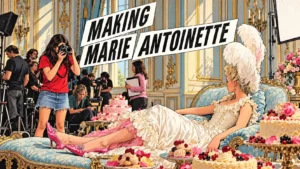
Making Marie Antoinette

Making Marie Antoinette

Overall score 4.5 / 5

Based on 29 scored reviews

vs
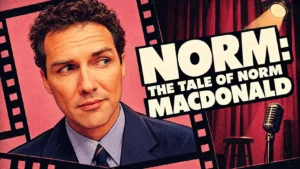
Norm: The Tale of Norm MacDonald

Norm: The Tale of Norm MacDonald

Overall score 3.9 / 5

Based on 15 scored reviews

How we score

Scorata scores summarize analyzed review evidence on a 1–5 scale; they are not laboratory measurements or a simple average of customer star ratings. Feature scores summarize the reviews covering that feature. The overall score averages feature scores within each review, then combines review averages. When both expert and customer evidence are available, those two groups receive equal weight. Products can have different review coverage, so small score gaps do not establish a winner.

Recommendations prioritize important features for the category, with a score of at least 3.5, a gap of at least 0.25 points and at least two supporting reviews per product. Features with widely varying scores or broad connectivity contexts are excluded from recommendations. These safeguards do not establish statistical significance.

Quick verdict

What each product is best for

The review evidence points to a tradeoff: Creative process insight and editing quality versus archival footage quality and pacing. Choose according to which strengths matter more to you; the overall score alone does not settle that choice.

Choose Making Marie Antoinette for Creative process insight and editing quality.

Choose Norm: The Tale of Norm MacDonald for archival footage quality and pacing.

Why these recommendations?

Making Marie Antoinette

Where It Has the Edge

  • Creative process insight is 4.5 vs 2.0. Costumes, scheduling, handmade detail, and the people coordinating it all become absorbing parts of the story. The film...
  • editing quality is 4.7 vs 4.4. The archival footage and journal passages are generally woven into a vivid, coherent personal narrative. Sofia’s completion of...

Norm: The Tale of Norm MacDonald

Where It Has the Edge

  • archival footage quality is 4.5 vs 2.8. Classic talk-show appearances supply many of the biggest laughs, while rare home videos and early footage add discoveries....
  • pacing is 4.5 vs 4.2. The archive moves briskly, and the most enthusiastic account finds it engaging throughout. There is room for both...
  • humor is 4.7 vs 4.4. The deadpan routines, O.J. jokes, and late-night appearances remain the film’s most dependable pleasure. Even critics disappointed by...
Making Marie Antoinette 4.5 overall score
Norm: The Tale of Norm MacDonald 3.9 overall score

Compare features

Scores are out of 5. Missing scores mean missing review evidence, not a missing feature.

Scored on both products

Other features

Creative process insight
Making Marie Antoinette
4.5

Costumes, scheduling, handmade detail, and the people coordinating it all become absorbing parts of the story. The film makes large-scale production feel tangible without losing its human focus.

Norm: The Tale of Norm MacDonald
2.0

Two skeptical assessments find too little explanation of where the comedy came from or how its layered effects worked. The clips demonstrate the talent more readily than they unpack it.

Portrayal of women
Making Marie Antoinette
4.5

The film makes female authorship visible through both on-set resistance and Eleanor’s questions about ambitions deferred. Its most revealing moments show women making art on their own terms.

Norm: The Tale of Norm MacDonald
2.0

Women’s perspectives arrive too late for one critic, leaving much of the portrait dominated by familiar male hosts. Earlier involvement from those voices could have broadened the picture.

Originality
Making Marie Antoinette
4.5

The self-reflexive portrait stands out for making the observer part of the story, extending Eleanor’s distinctive approach beyond her lifetime.

Norm: The Tale of Norm MacDonald
2.7

The browsing conceit brings an unusual wrapper to familiar material. Opinions split between a successful formal experiment and a dated, easily replicated compilation.

Archival footage quality
Making Marie Antoinette
2.8

The rough digital footage preserves intimacy, but its technical presentation draws reservations. One critic dislikes the attempt to polish away its original scrappiness.

Norm: The Tale of Norm MacDonald
4.5

Classic talk-show appearances supply many of the biggest laughs, while rare home videos and early footage add discoveries. The last Letterman appearance and the Saget roast stand out as especially rewarding selections.

Biographical coverage
Making Marie Antoinette
4.5

The film reveals Sofia finding her authority while gradually becoming an equally intimate portrait of Eleanor. Their different creative insecurities give the family tribute its depth.

Norm: The Tale of Norm MacDonald
2.9

The film covers the career and offers glimpses of family and illness, but its completeness divides opinion. Several critics find too little new information or reliable personal discovery beneath the tribute.

Interview and source material quality
Making Marie Antoinette
4.4

Trust opens up candid interviews, while Eleanor’s journals supply especially revealing self-reflection. Some interview passages are less substantial and feel like promotional filler.

Norm: The Tale of Norm MacDonald
3.4

The archive supplies revealing private fragments and affectionate testimony, but the absence of new interviews limits how far the portrait can probe. One critic also questions unexplained sourcing of later footage.

Directing quality
Making Marie Antoinette
4.6

Patient observation turns small on-set gestures into an intimate portrait. Most critics admire the gentle direction, though a few find the result closer to an expanded supplement.

Norm: The Tale of Norm MacDonald
3.8

Apatow earns praise for affection, restraint, and thoughtful curation. Detractors see a familiar compilation that needed more original reporting and a stronger reason to exist.

Film framing
Making Marie Antoinette
2.8

The frame stays largely within the production period. Viewers hoping for backstage scandal, the Cannes backlash, or a fuller account of the original’s later reputation may want more.

Norm: The Tale of Norm MacDonald
3.5

The simulated internet rabbit hole is either a clever way to revisit a beloved comic or a distracting mismatch. Its value depends on whether curated remembrance feels like enough.

Tonal consistency
Making Marie Antoinette
4.4

The tone stays light, affectionate, and quietly emotional. Its breeziness favors intimate observation over a chronicle of catastrophe.

Norm: The Tale of Norm MacDonald
5.0

The most enthusiastic account praises how the film becomes vulnerable without surrendering its humor or smoothing away eccentricity. Comedy and melancholy develop together.

Behind-the-scenes access
Making Marie Antoinette
4.6

Family trust and Eleanor’s unobtrusive presence bring unusual candor and small moments a more formal crew might miss. The access remains affectionate and authorized, with relatively little explosive conflict.

Norm: The Tale of Norm MacDonald
4.0

Rare home videos offer welcome glimpses of farm life and immediate family. These private fragments are valued even by a critic who wants considerably more intimacy.

Pacing
Making Marie Antoinette
4.2

Most find the intimate footage engrossing and the diary material smoothly integrated into the production’s flow. One critic describes the return to this world as occasionally meandering.

Norm: The Tale of Norm MacDonald
4.5

The archive moves briskly, and the most enthusiastic account finds it engaging throughout. There is room for both long-form comic misdirection and a gradual emotional turn.

Editing quality
Making Marie Antoinette
4.7

The archival footage and journal passages are generally woven into a vivid, coherent personal narrative. Sofia’s completion of the film is especially admired for retaining her mother’s artistic language.

Norm: The Tale of Norm MacDonald
4.4

Even some detractors credit the film’s curation and assembly. Admirers especially value the way conflicting accounts and comedy snippets create a coherent portrait.

Humor
Making Marie Antoinette
4.4

Harpsichord antics, cheeky remarks, and candid exchanges add playful relief. The humor comes from people relaxing between takes rather than manufactured production drama.

Norm: The Tale of Norm MacDonald
4.7

The deadpan routines, O.J. jokes, and late-night appearances remain the film’s most dependable pleasure. Even critics disappointed by the documentary still find plenty to laugh at.

Theme depth
Making Marie Antoinette
4.3

Deferred creative ambitions, maternal pride, and female authorship give the film more resonance than its light surface suggests. Some critics still want a broader, deeper reflection beyond this particular production.

Norm: The Tale of Norm MacDonald
4.5

The gap between the public joker and the private man gives the film its richest questions. Reflections on mortality, faith, and self-sabotage can deepen familiar routines without resolving every contradiction.

Emotional impact
Making Marie Antoinette
4.6

Quiet parental pride builds into a deeply moving tribute, especially as Eleanor’s own unrealized ambitions come into view. Several critics describe tears or unexpectedly strong emotion.

Norm: The Tale of Norm MacDonald
4.8

Family footage, the final Letterman appearance, and tributes after Macdonald’s death give the comedy an affecting undertow. The strongest responses praise how unexpectedly tender the portrait becomes.

Ending satisfaction
Making Marie Antoinette
4.6

The closing reflections deepen the film’s melancholy and connect Eleanor’s observation to her later creative awakening. Its final notes are among its most affecting moments.

Norm: The Tale of Norm MacDonald
4.5

The closing movement is valued for tenderness and acceptance of unresolved contradictions. It can leave an emotional impression without fully explaining the man.

Runtime
Making Marie Antoinette
3.7

The compact feature packs in a personal narrative and a wealth of production detail for several critics. A dissenting view finds the material better suited to a much shorter supplement.

Norm: The Tale of Norm MacDonald
3.7

At roughly two hours, the film gives the routines room to breathe and saves time compared with an uncurated search. One critic finds that same length hard to justify when the material is already accessible.

Topical relevance
Making Marie Antoinette
4.5

Its picture of women asserting creative authority retains a pointed contemporary relevance.

Norm: The Tale of Norm MacDonald
4.5

The jokes are repeatedly praised for holding up beyond their original moment. The deadpan delivery and O.J. material still register strongly.

Comfort and build

Visual style
Making Marie Antoinette
4.1

The home-video texture adds sincerity, nostalgia, and closeness to the lavish production images. Its loose, sometimes amateur visual approach is less polished than its surroundings.

Norm: The Tale of Norm MacDonald
2.0

The screenlife approach draws a strong objection for feeling ill matched to the subject. One critic finds the search-engine presentation alienating rather than illuminating.

Ownership and support

Rewatch value
Making Marie Antoinette
4.5

The return to the original film’s ornate world has strong repeat-viewing appeal for devoted admirers.

Norm: The Tale of Norm MacDonald
5.0

Familiar routines remain rewarding because the pauses, timing, and commitment still work. Prior exposure need not diminish the pleasure of seeing the clips again.

Entertainment value
Making Marie Antoinette
4.6

The chance to linger with craftspeople and playful performers makes the film highly watchable. Several critics find the footage engaging enough to enjoy at much greater length.

Norm: The Tale of Norm MacDonald
4.4

The archive offers a rewarding stretch of comedy and, for many, unexpected tenderness. The weakest assessments find the laughs insufficient to sustain attention or justify a full documentary.

Evidence available for one product

Other features

AI-assisted production
Making Marie AntoinetteNo score yet
Norm: The Tale of Norm MacDonald
4.0

Human audio description is explicitly appreciated by the blind critic, even though its execution disappoints. That approval concerns the human production choice rather than the overall quality of the description.

Atmosphere
Making Marie Antoinette
4.4

A cozy, breezy atmosphere makes the lavish set feel inviting. The home-movie informality is part of the charm, even when it softens the drama.

Norm: The Tale of Norm MacDonaldNo score yet
Biographical fairness
Making Marie AntoinetteNo score yet
Norm: The Tale of Norm MacDonald
3.3

Some appreciate the respect for Macdonald’s privacy and the acknowledgment that his stories cannot always be verified. Others object to brief treatment of controversies and the omission of serious allegations.

Character development
Making Marie Antoinette
4.5

Sofia’s gradual shift toward a more assertive working style gives the observational footage a recognizable personal arc.

Norm: The Tale of Norm MacDonaldNo score yet
Cinematography
Making Marie Antoinette
4.6

Eleanor notices tiny gestures, visual incongruities, and unguarded human exchanges. Her patient, perceptive camera makes the set feel personal rather than remote.

Norm: The Tale of Norm MacDonaldNo score yet
Comic timing
Making Marie AntoinetteNo score yet
Norm: The Tale of Norm MacDonald
4.8

Long pauses, precise repetition, and patient misdirection make familiar jokes land again. The performances show how much control sits beneath the deliberately casual delivery.

Creative collaboration
Making Marie Antoinette
4.6

The final mother-daughter collaboration feels reciprocal: Eleanor honors Sofia’s artistry, and Sofia helps preserve Eleanor’s. Family members working together add warmth to that exchange.

Norm: The Tale of Norm MacDonaldNo score yet
Cultural representation
Making Marie AntoinetteNo score yet
Norm: The Tale of Norm MacDonald
2.0

The limited presence of people of color draws criticism for suggesting a narrower reach than Macdonald’s comedy may actually have had.

Ensemble balance
Making Marie AntoinetteNo score yet
Norm: The Tale of Norm MacDonald
2.5

The heavy reliance on established hosts leaves other perspectives underused. The late arrival of additional voices is a particular frustration.

Ethical handling of deaths
Making Marie AntoinetteNo score yet
Norm: The Tale of Norm MacDonald
4.8

The final illness and farewell are praised for tenderness and restraint. The film can be moving without forcing a definitive revelation or manufacturing sentiment.

Faithfulness to source material
Making Marie Antoinette
4.5

The completed documentary takes care to preserve Eleanor’s perspective and artistic voice, even after her daughter helped bring it to the screen.

Norm: The Tale of Norm MacDonaldNo score yet
Family dynamics
Making Marie Antoinette
4.8

The mother-daughter bond is the documentary’s most consistent strength. Affection, occasional friction, and mutual artistic encouragement make the relationship feel intimate and recognizable.

Norm: The Tale of Norm MacDonaldNo score yet
Family relationships
Making Marie AntoinetteNo score yet
Norm: The Tale of Norm MacDonald
4.5

Brief scenes with his mother and son reveal a gentler private side. Their scarcity can make these moments particularly moving.

Friendship portrayal
Making Marie AntoinetteNo score yet
Norm: The Tale of Norm MacDonald
4.8

The deliberately gentle Bob Saget roast reveals affection beneath the anti-comedy. It becomes one of the clearest glimpses of the warmth behind Macdonald’s public mischief.

Genre satisfaction
Making Marie Antoinette
4.5

Most critics find more than a routine making-of supplement: a personal film about artists and family. A minority still sees the limits of an expanded bonus feature.

Norm: The Tale of Norm MacDonaldNo score yet
Grief portrayal
Making Marie AntoinetteNo score yet
Norm: The Tale of Norm MacDonald
4.5

The funeral footage gives friends’ admiration an affecting sense of loss. The farewell is praised as touching rather than empty praise.

Joke originality
Making Marie AntoinetteNo score yet
Norm: The Tale of Norm MacDonald
4.5

The challenging, experimental humor is admired for looking deceptively simple. Its originality stands out even in an otherwise critical assessment of the documentary.

Memorability
Making Marie AntoinetteNo score yet
Norm: The Tale of Norm MacDonald
4.5

The reflections on death leave a particular impression, giving the portrait something to linger on beyond its collection of jokes.

Narrative structure
Making Marie AntoinetteNo score yet
Norm: The Tale of Norm MacDonald
4.1

Using Macdonald’s own voice and a stream of clips suits his slippery persona for several critics. Others find the construction conventional beneath its internet-browsing surface.

Political context depth
Making Marie AntoinetteNo score yet
Norm: The Tale of Norm MacDonald
4.0

The section on changing comedy culture is singled out as interesting. It adds context to the controversies without replacing the film’s central focus on the comedian.

Political satire
Making Marie AntoinetteNo score yet
Norm: The Tale of Norm MacDonald
3.3

The O.J. routines are praised as sharp observations on American culture. The Clinton conspiracy material receives a much colder assessment for turning provocation into sourness.

Realism
Making Marie Antoinette
4.5

Small moments of fatigue, waiting, and play create a convincing sense of being on set. The ordinary work of making a feature feels unusually immediate.

Norm: The Tale of Norm MacDonaldNo score yet
Score quality
Making Marie Antoinette
4.5

Aaron Maine’s restrained score follows the film’s emotions without calling attention to itself.

Norm: The Tale of Norm MacDonaldNo score yet
Self-deprecating comedy
Making Marie AntoinetteNo score yet
Norm: The Tale of Norm MacDonald
4.5

His ability to make himself the target is admired as a kind of comic armor. The self-mockery helps preserve the unpredictability that made him so difficult to outmaneuver.

Shock comedy execution
Making Marie AntoinetteNo score yet
Norm: The Tale of Norm MacDonald
4.3

The provocative material is often admired for its nerve and explosive laughs. Its refusal to compromise also comes with professional costs, and some examples strike a critic as thoughtless.

Story quality
Making Marie Antoinette
4.5

The film shapes its archive into a more considered narrative than a conventional electronic press kit.

Norm: The Tale of Norm MacDonaldNo score yet
Workplace teamwork portrayal
Making Marie Antoinette
4.7

The production portrait makes coordinated work and mutual respect visible. It shows how a large movie depends on cooperation across departments and within a family.

Norm: The Tale of Norm MacDonaldNo score yet
Writing quality
Making Marie AntoinetteNo score yet
Norm: The Tale of Norm MacDonald
5.0

The jokes are praised for meticulous construction and distinctive writing talent. Their apparent casualness conceals the craft behind them.

Controls and connectivity

Audience appeal
Making Marie AntoinetteNo score yet
Norm: The Tale of Norm MacDonald
2.3

His elusive style requires a receptive wavelength, and the documentary does not automatically solve that barrier. The internet-style presentation also draws a complaint that it could alienate the audience most likely to care.

Character appeal
Making Marie AntoinetteNo score yet
Norm: The Tale of Norm MacDonald
4.3

The portrait reveals warmth, kindness, and charm beneath the evasive persona. A more skeptical response finds that same distance patronizing when the humor does not connect.

Nostalgia appeal
Making Marie Antoinette
4.5

Old digital footage becomes a warm time capsule of a formative production. Revisited years later, small family and working moments acquire extra tenderness.

Norm: The Tale of Norm MacDonaldNo score yet
Voice narration
Making Marie AntoinetteNo score yet
Norm: The Tale of Norm MacDonald
4.5

Macdonald’s slippery self-narration feels like a fitting expression of his comic personality. Its contradictions can be an enjoyable part of the portrait rather than a puzzle neatly solved.

Voiceover effectiveness
Making Marie Antoinette
4.5

Diane Lane’s sensitive diary readings bring warmth and introspection, usually without crowding the footage. One critic finds the commentary occasionally over-explanatory.

Norm: The Tale of Norm MacDonaldNo score yet

Performance

Audio description accessibility
Making Marie AntoinetteNo score yet
Norm: The Tale of Norm MacDonald
2.0

The audio description draws criticism for identifying some celebrity speakers only generically. Its human production is appreciated, but the writing and identification work are judged incomplete.

Historical accuracy
Making Marie AntoinetteNo score yet
Norm: The Tale of Norm MacDonald
3.3

The handling of contradictory life stories produces opposing reactions. One critic appreciates footage that disproves false claims, while another questions whether the tribute can serve as reliable biography.

Live performance sequences
Making Marie AntoinetteNo score yet
Norm: The Tale of Norm MacDonald
4.8

The final Letterman appearance and the Saget roast are singled out as standout sequences. They preserve both the unusual comic approach and the rare flashes of sincerity.

Soundtrack quality
Making Marie Antoinette
4.5

Songs carried over from the original film fit the documentary’s mood and help reconnect viewers with its world.

Norm: The Tale of Norm MacDonaldNo score yet

Other Top Movies to Consider

#1 You Can See Everything
4.7

Choose this inventive, unsettling documentary for fearless questioning, dark humor, and unpredictable storytelling. Skip it if you want a short, straightforward exposé with definitive answers.

Pros: originality, humor

#2 Possible Love
4.7

Extraordinary performances and richly observed relationships make this a rewarding, emotionally forceful drama. Its nearly three-hour length and slow opening demand patience and undivided attention.

Pros: class commentary, character development

#3 Chronovisor
4.7

Best for a hypnotic, bookish mystery with tactile visuals and cerebral chills. Skip it if reading-heavy, attention-demanding storytelling sounds more exhausting than exciting.

Pros: Atmosphere, cinematography

Cons: audience appeal

#4 Remake
4.6

Best for an intimate, searching documentary that rewards focused attention and invites discussion. Skip it when devastating grief, addiction footage, and unresolved family tensions would be too much.

Pros: emotional impact, theme depth