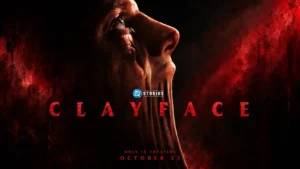
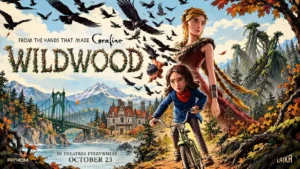
Clayface
Where It Has the Edge
No clear scored advantage over the other product.

Scorata scores summarize analyzed review evidence on a 1–5 scale; they are not laboratory measurements or a simple average of customer star ratings. Feature scores summarize the reviews covering that feature. The overall score averages feature scores within each review, then combines review averages. When both expert and customer evidence are available, those two groups receive equal weight. Products can have different review coverage, so small score gaps do not establish a winner.
Recommendations prioritize important features for the category, with a score of at least 3.5, a gap of at least 0.25 points and at least two supporting reviews per product. Features with widely varying scores or broad connectivity contexts are excluded from recommendations. These safeguards do not establish statistical significance.
Quick verdict
The available evidence supports the recommendation below, but does not establish an overall winner. Check the remaining features against your priorities.
There is not enough comparable review evidence to recommend Clayface over the other product.
Choose Wildwood for production design and entertainment value.
No clear scored advantage over the other product.
Scores are out of 5. Missing scores mean missing review evidence, not a missing feature.
The modest production has charm for some, but its environments can also look cheap or conspicuously like sets.
Portland streets, elaborate forest societies, and tiny material details create a vast world with distinct spaces. The design is consistently admired even by viewers disappointed in the story.
Transformations can lose physical impact when they happen without a convincing bodily sound.
The carefully constructed soundscape makes the miniature world feel immersive. Its detail complements both intimate movement and the enormous action.
Reactions to Gotham split sharply between a vivid, corrupt city with personality and a generic urban backdrop. Its effectiveness matters especially to established Batman fans.
The forest's many societies and meticulously realized spaces are a major attraction. A minority find the lore generic, compressed, or less convincing than the environments look.
The grimy, neon-heavy style can feel cinematic and distinctive. Less enthusiastic assessments see a cheap television-like aesthetic with too little personality.
Rich textures, vibrant colors, and an organic handmade look distinguish the film. Its images repeatedly inspire admiration beyond the expectations of stop-motion.
The final monster design is often admired as an impressive, recognizable realization of Clayface, even when its short appearance disappoints.
The animals combine expressive detail with an occasionally uncanny edge. Their physical character helps the woodland society feel distinctive and alive.
Facial mutilation, gruesome procedures and bloody revenge make this a poor choice for family-friendly entertainment.
The film offers broad fantasy appeal but combines it with unusually dark material. Its family-friendly reputation needs to be weighed against the violence and older-skewing themes.
Lighting can support a distinctive orange-brown horror palette, but complaints include flat imagery and implausibly bright nightclub scenes.
Golden daylight and moody nighttime colors give the environments depth and atmosphere. The lighting repeatedly earns praise as a major visual pleasure.
Gotham can feel grimy, threatening and vividly atmospheric, but reactions vary sharply. Several viewers find the city generic or the horror atmosphere too inconsistent to sustain dread.
The forest combines awe, unease, and inviting handmade warmth. Its gothic shadows retain a sense of magic even when the story grows brutal.
The commitment to making Matt a genuine monster is a strength. The conventional mob boss, however, is repeatedly criticized as generic, forgettable or insufficiently threatening.
Alexandra's grief often makes her a tragic, frightening antagonist with understandable pain. Reservations focus on unclear plans or one-note motives that the performance must overcome.
Dialogue is a frequent weakness, especially the explanatory science and stock mobster lines. Some viewers enjoy its corny, pulpy quality as part of the B-movie appeal.
The dialogue is appreciated for lively exchanges and welcome restraint. Characters have room to breathe rather than constantly rushing through jokes.
Identity, vanity, toxic behavior and the cost of fame provide engaging ideas. Many find their treatment superficial, though others appreciate a coherent psychological tragedy beneath the pulp.
Grief, growing up, and accepting a changed world give the fantasy substantial meaning for many viewers. Others find too many ideas competing for attention or too little lasting insight beneath the spectacle.
The nightclub climax often delivers an exhilarating payoff. The final character turns and brief monster reveal are more divisive, with several viewers finding the resolution rushed or unearned.
The final act often brings the character journeys and spectacle together with a strongly satisfying payoff. Even responses uncertain about the earlier sections frequently admire the landing.
Some viewers find the melting faces convincing, while others see cheap, weightless or visibly rough digital work. Rapid transformations are a particular point of contention.
Many viewers find the digital additions nearly indistinguishable from the practical animation. Others feel the largest effects weaken the tactile illusion, even when the blending is technically polished.
The mix of tragedy, romance, horror and camp works for viewers who embrace its B-movie spirit. Others find the shifts jarring, especially when the final act becomes playful.
Most positive responses value the balance of darkness, wonder, and restrained comedy. Abrupt musical or comic shifts weaken that balance for some viewers.
The script offers a workable revenge framework and occasional sharp pulp writing. Exposition, underdeveloped characters and missed thematic opportunities are its most common weaknesses.
The screenplay earns praise for genuine feeling, lively dialogue, and accessible mythology. Critics of it find conventional plotting, underwritten characters, and structural roughness beneath the remarkable visuals.
The central downfall works when the performances bridge sympathy and monstrosity. Rushed changes of allegiance and thin supporting characters are among the most repeated complaints.
The leads' growth and Alexandra's complexity earn considerable praise, but this is also a major point of disagreement. Skeptical responses find Prue passive, Curtis underwritten, or the supporting cast too dependent on archetypes.
The relatively lean feature length is often appreciated, with little appetite for stretching this story into a series.
Some viewers find the long journey fully absorbing and would cut nothing. Others feel the middle, detours, or extended set pieces need trimming.
The tragic romance and loss of identity create real feeling for some viewers. Others struggle to care because the characters and their changes receive too little development.
Many viewers describe tears, stunned silence, and a lasting feeling of wonder. Others admire the imagery without feeling that the characters' emotional stakes rise to the same height.
The less familiar lead feels like a refreshing choice, and much of the ensemble fits the pulpy world well. A minority wanted stronger star presence in supporting roles.
The actors are repeatedly described as exceptionally well matched to their roles. The supporting creatures are a particular casting strength.
The simple character drama is engaging even when it lacks complexity.
The heavy scenes work because the film has solid heart and treats its emotional stakes seriously.
Some enjoy the surprises, while others find the turns heavily telegraphed.
Revelations about the villain and family can add surprising emotional layers. One response finds the major family bombshell disappointingly inert.
This works best as a modest monster-and-revenge movie with a B-movie sensibility. Viewers seeking consistently frightening horror or a more ambitious character study may find the blend incomplete.
The elaborate setting and serious stakes revive the pleasures of a grand dark-fantasy adventure. Even a viewer usually resistant to fantasy finds the film effective.
Close-up eye horror and uncertainty about who might secretly be Matt generate the strongest tension. The quieter procedural passages are less consistently suspenseful.
High stakes, sudden losses, and credible danger make the outcome feel uncertain. The strongest responses stay tense because even appealing characters seem vulnerable.
The self-contained approach is widely valued for keeping franchise homework and setup out of the story. Some Batman fans still miss references that would give Gotham a stronger place in the wider universe.
Changes to the novel help this adaptation feel complete as a standalone feature. It does not depend on another film to make its journey feel finished.
The direction is strongest in intimate body horror and the nightclub climax. Its overall confidence, visual personality and handling of competing tones receive more mixed responses.
The direction usually earns strong praise for balancing intimate moments with enormous action. A dissenting response sees visual mastery without an equally convincing authorial perspective.
The simple revenge framework is effective for viewers seeking a pulpy ride. Critics of the story find it generic, hollow or assembled from ideas that never fully develop.
The rescue quest is absorbing and emotionally rich for many, but less satisfying than the imagery for others. Familiar plotting and underdeveloped motivations keep the narrative from matching the craft in the most critical responses.
The nightclub rampage is a frequent highlight, combining shifting identities with inventive revenge kills. Conventional hand-to-hand fighting and a few underpowered sequences leave some viewers wanting more.
The final battle is the most consistent showpiece, admired for its scale, clear staging, and consequential danger. Inventive chases and escapes add excitement well before the climax.
The film captures recognizable elements of the animated origin and the character’s tragic fall. Its flesh-based transformations and reduced psychological complexity disappoint some longtime fans.
The adaptation preserves the novel's world and local spirit while making changes to character emphasis and structure. Readers who favor those changes find a stronger, more self-contained film.
The straightforward revenge plot is easy to follow, although the rules governing Matt’s powers leave unanswered questions.
Some viewers appreciate economical exposition and clearly established stakes. Others struggle with the antagonist's plan or find the mythology compressed and unevenly explained.
The airplane sequence and a few jump scares create strong reactions, but many find the movie more grotesque than genuinely frightening.
The villain and uncanny opening create effective menace. Compared with Coraline, one response finds the overall story less frightening.
The score adds sadness, intensity and growing dread. It is generally admired, though its emotional weight can exceed the tone of the scenes beneath it.
The sweeping music is widely praised for matching environments, lifting action, and deepening quieter emotion. An isolated upbeat cue during a terrifying moment strikes one viewer as misplaced.
Pacing is divisive: the opening can feel rushed in its character setup yet slow in its scientific explanation. The revenge-driven final stretch usually brings stronger momentum.
Opinions range from effortless chapter-to-chapter flow to a dragging middle or rushed exposition. The large cast and many factions give the film much to juggle before its powerful final act.
Neon colors, character-focused camera work and hallucinatory imagery draw strong praise. The nightclub sequence is a recurring visual highlight.
Lush light, purposeful compositions, and sweeping camera movement make the miniature world feel cinematic. The action remains remarkably clear even at its largest scale.
The horror approach offers a welcome change within superhero cinema, but familiar revenge beats and obvious genre influences limit its novelty.
Familiar quest structures, fairy-tale characters, and genre touchstones are a recurring concern. Some find the execution fresh enough to renew those patterns, while others see an overly derivative story.
The leads’ chemistry gives the film a tender center for many viewers. Others find their connection too weak to support the tragic romance.
The large voice cast works as a cohesive ensemble, making the unusual inhabitants feel part of the same world.
The scientist, detective and mobsters often receive less meaningful screen time than their performers deserve.
The ensemble's size creates uneven opportunities: Curtis can occupy substantial time without enough independent purpose, while the eagle can feel underused.
Old-school practical effects give the transformations a tactile, gruesome appeal. Their strongest moments can feel more convincing than the accompanying digital morphs.
The physical puppets and miniature environments achieve remarkable fluidity and tactile detail. The scale of the handmade coordination is repeatedly as astonishing as the finished illusion.
Matt’s friendship would benefit from more time establishing the relationship before the revenge story takes over.
Prue's growing respect for Curtis can be touching. Less enthusiastic responses want more shared scenes and a better-developed bond between them.
The combined makeup and visual effects often make the bodily changes convincing and impressively gruesome.
The effects contribute to a strongly praised overall technical package, supporting the film's ambitious fantasy spectacle.
Darkly funny transformations and absurd revenge scenes provide welcome laughs. The humor works less well when it disrupts the intended menace.
Character-based jokes and restrained comic relief usually land without deflating the drama. Some animal gags feel familiar, and individual jokes work better for parts of the audience than others.
Sharp cuts can make identity changes clever and unsettling. Elsewhere, choppy transitions and repetition interrupt the rhythm.
Several responses admire the ambitious assembly and clear action, while others notice choppy transitions or occasional roughness. The complex interwoven journey does not flow equally well for everyone.
The cautionary ideas about surface beauty and inner ugliness work without becoming preachy.
Hope, compassion, and the difficult balance between holding on and letting go resonate strongly with many viewers. Others find the coming-of-age message weak or insufficiently memorable.
The adult violence is welcomed as appropriate to this particular villain story, even when individual moments verge on gratuitous.
Many approve of the brutality for giving war and loss consequences. Others find it excessive or object to abrupt graphic moments, making this one of the film's clearest viewing caveats.
The graphic mutilation makes this an unsuitable pick for children.
Responses distinguish purposeful darkness from broad young-child suitability. Some approve of the violence in context, while others find it excessive or caution that the film needs older viewers.
Matt’s early charm and later villainy can make him compelling, but some viewers find him too shallow to care about.
Prue inspires strong affection in some responses but feels less memorable than the world around her in others. The colorful animal companions help sustain interest.
The blend of revenge, romance and horror offers several points of entry for viewers comfortable with graphic imagery.
The film can cross generations through its wonder and emotional stakes. Its eccentric look and unexpectedly dark material may still narrow its mainstream reach.
Some viewers want another viewing for the performances and revenge sequences. Others see little lasting appeal beyond the initial gross-out thrills, particularly in the slower first half.
The richest responses want another viewing to absorb more visual detail and revisit the emotion. A less engaged viewer doubts the story would draw them back often.
The film often succeeds as a pulpy, grotesque revenge ride, especially in its final act. Less enthusiastic viewers find the thin drama, uneven tone and familiar story too frustrating or boring to overlook.
The strongest responses find the adventure magical, absorbing, and worth savoring despite its imperfections. The overall experience can exceed already high expectations.
The genre-driven approach and inventive horror make the film worth a ticket for the enthusiastic assessment that discusses value.
The visuals alone are judged worth a cinema ticket, with the scale and artistry providing a strong reason to see the film on a large screen.
Pop songs can provide welcome levity and thoughtful contrast to the horror. A few selections feel dated or awkwardly romantic.
The songs add warmth, grandeur, and local flavor alongside the orchestral score. The closing music is especially appreciated for reinforcing the themes.
The trailer can understate how graphic and uncomfortable the full film becomes.
The trailers can make the story seem more fragmented than it is, while another response feels they undersell the finished film. The eventual experience does not always match the preview's emphasis.
Harries is a frequent standout, selling charm, desperation and a descent into monstrosity. A smaller group finds the portrayal dull or inconsistent, especially when the script rushes major changes.
The two young leads are praised for vivid emotion and an unusually convincing sense of humanity. Their performances help anchor the oversized adventure.
Ackie and Minghella frequently stand out, with Marsan and other ensemble members adding effective touches. Limited roles prevent some supporting performers from making a lasting impression.
The supporting inhabitants add distinctive color and personality. Their individual qualities help the world feel populated beyond the central quest.
The ensemble often makes the shapeshifting premise convincing, although some performances feel merely adequate. Deliberately corny acting works better for viewers who embrace the B-movie tone.
The vocal ensemble is generally praised for naturalism, emotional range, and commitment. Familiar celebrity delivery distracts a few viewers, but most find the characters convincingly inhabited.
The attempted American accents can distract from the setting, with particular criticism of the business manager’s delivery.
The handmade production is celebrated as a forceful alternative to generative shortcuts. Its appeal comes from visible care and human invention.
The colorful animal allies and enemies add personality to the adventure rather than serving as mere background decoration.
Fluid puppet movement, expressive faces, and enormous coordinated sequences make the stop-motion work a near-universal highlight. Many responses describe it as a new benchmark for the medium.
Facial injuries, fused eyelids and inventive transformations deliver memorable gross-out thrills. Enthusiasts disagree on whether the film commits far enough to body horror, especially once the revenge plot takes over.
The fleeting cameo can pull attention away from the story rather than add to it.
The treatment of wealthy influence over police and medical priorities adds social criticism without feeling preachy.
The nods to classic monster cinema add an enjoyable layer for viewers familiar with the genre.
Curtis's comic timing is handled well, giving his awkwardness an enjoyable rhythm.
The treatment of facial difference divides opinion: some appreciate the emphasis on inner ugliness, while others dislike the familiar association between disfigurement and villainy.
The glimpse of the stop-motion process adds appreciation for the enormous physical undertaking. It can reinforce the film's tangible magic without breaking immersion.
Some viewers find the large cast impressively well managed. Others want more emotional development from supporting groups that occupy substantial time.
The family's loving bonds provide affecting stakes, but the parents' behavior and development divide opinion. Some find them complicated and sympathetic; others find a key reaction implausible or their roles underwritten.
Tender bonds between Prue, her parents, and her brother give the adventure some of its most affecting moments.
The beauty-obsessed Hollywood setting offers sharp satirical moments, but many find that its ideas give way too quickly to conventional revenge.
Graphic facial injuries, needles near the eyes, improvised surgery and bodily distortion make this a difficult choice for the squeamish.
Alexandra's loss is often praised for giving the fantasy tragic weight and human complexity. A smaller group finds the broader treatment of grief less convincing or less fully developed.
Some anthropomorphic-animal gags feel overfamiliar, particularly when articulate creatures briefly revert to ordinary animal behavior for a punch line.
Portland's landmarks, eccentric street life, seasonal colors, and surrounding wilderness give the film a strong sense of place. The setting is repeatedly enjoyed as an affectionate local love letter.
Detailed prosthetics and grotesque facial makeup are among the most consistently admired elements. They make Matt’s injuries and unstable appearance physically convincing.
The unfolding mystery helps sustain curiosity as the adventure develops.
The climactic dance business provides enjoyable physical humor, even for an assessment that questions its fit with the darker tone.
The thinly written woman whose allegations damage Matt’s career is criticized as a reductive plot device.
Unclear transformation rules, convenient behavior and nightclub scenes with overly audible conversations can strain belief.
The doomed romance can provide a sincere emotional core. It is less successful when attraction feels rushed, forced or insufficiently supported by the leads’ chemistry.
The nudity receives an approving assessment from one early reaction.
Shapeshifting enables imaginative impersonations, kills and identity games. Instant changes, unclear rules and limited physical detail sometimes weaken the sense of transformation.
Expressive faces, distinctive creatures, and carefully chosen silhouettes give the characters personality. The designs retain a handmade edge instead of aiming only for cuteness.
The tiny clothes are admired for both craftsmanship and storytelling. Distinct outfits clarify the forest's factions and communicate something about the people wearing them.
The supplied reception reports and reaction videos describe emphatically positive early critical notices. These reports chiefly reflect enthusiasm for the animation's ambition and scale.
The trailers generate exceptional anticipation through striking imagery, emotional hints, and preserved mysteries. The studio-themed promotional artwork also earns appreciation.
The old-school makeup and monster-movie style provide a pleasing throwback to earlier genre filmmaking.
The dark handmade fantasy can restore the sense of wonder associated with childhood Laika films. Its unsettling moments are part of that nostalgic connection.
The full clay monster appears only briefly near the end. Some see that as a fitting destination for an origin story, while others feel shortchanged by the limited reveal.

Choose this inventive, unsettling documentary for fearless questioning, dark humor, and unpredictable storytelling. Skip it if you want a short, straightforward exposé with definitive answers.
Pros: originality, humor

Best for a hypnotic, bookish mystery with tactile visuals and cerebral chills. Skip it if reading-heavy, attention-demanding storytelling sounds more exhausting than exciting.
Pros: Atmosphere, cinematography
Cons: audience appeal

Best for an intimate, searching documentary that rewards focused attention and invites discussion. Skip it when devastating grief, addiction footage, and unresolved family tensions would be too much.
Pros: emotional impact, theme depth
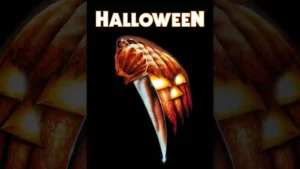
Best for patient suspense, an unforgettable score, and an unsettling masked killer. Skip it for very young children or if you want to avoid intense scares; its restrained kills also...
Pros: directing quality, score quality
Cons: message quality