Tenzing
Where It Has the Edge
- visual style is 4.6 vs 3.5. The film’s cold light, sweeping scale, and vivid village imagery are repeatedly admired. Its polished natural-history feel can...

Scorata scores summarize analyzed review evidence on a 1–5 scale; they are not laboratory measurements or a simple average of customer star ratings. Feature scores summarize the reviews covering that feature. The overall score averages feature scores within each review, then combines review averages. When both expert and customer evidence are available, those two groups receive equal weight. Products can have different review coverage, so small score gaps do not establish a winner.
Recommendations prioritize important features for the category, with a score of at least 3.5, a gap of at least 0.25 points and at least two supporting reviews per product. Features with widely varying scores or broad connectivity contexts are excluded from recommendations. These safeguards do not establish statistical significance.
Quick verdict
The review evidence points to a tradeoff: visual style versus acting performance and production design. Choose according to which strengths matter more to you; the overall score alone does not settle that choice.
Choose Tenzing for visual style.
Choose The Liberation for acting performance and production design.
Scores are out of 5. Missing scores mean missing review evidence, not a missing feature.
The mountain images are praised as perfectly framed. The compositions make the snow, light, and natural scale particularly striking.
Many appreciate the refusal to shame Rita for being manipulated. Dissenters argue that Holocaust parallels and midlife-woman stereotypes compromise the film’s compassion.
The summit delivers a powerful, cathartic payoff. Images connecting the boy’s dream with the adult’s achievement give the conclusion added emotional weight.
The resolution divides critics sharply, ranging from gripping and moving to rushed, conventional or deeply contrived.
Dawa and Jill Henderson are repeatedly criticized as thinly written supports for a man’s achievement. Their importance to Tenzing is clear, but their own identities receive little room.
A female-centered account of loneliness and solidarity is moving to admirers; detractors criticize the film’s midlife assumptions and what they see as patronizing stereotypes.
The film often succeeds as an old-school mountaineering adventure and a respectful biopic. Its physical journey receives stronger approval than its originality or biographical depth.
The personal, female-centered take satisfies some cult-drama and thriller expectations, but conventional plot turns frustrate others.
The story’s encouragement to persist and recognize overlooked achievement is often judged sincere. Its optimism works best when the uplift feels earned by the climb and relationships.
The story’s interest in sympathy over simplistic cult stereotypes appeals to some, while critics of its social framing find the larger argument clumsy.
The intercutting between childhood, early adulthood, and the expedition sharply divides opinion. It can clarify motivation and balance emotion with danger, but it also becomes repetitive or interrupts tension.
The cross-cutting is sometimes praised for clarity and momentum, especially during the campfire sequence, although the overall chronology divides opinion.
Most assessments welcome Hillary’s supporting position and the focus on Tenzing. Others question the space given to British characters, while Dawa and Jill consistently receive too little.
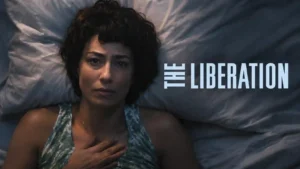
Rita is so compelling that her absence from key stretches frustrates at least one critic, leaving the family journey emotionally distant.
Some find the two-hour journey absorbing and well balanced between emotion and danger. Others criticize repetitive flashbacks, clunky crosscutting, and middle stretches that slow the ascent.
The patient buildup suits admirers of psychological drama; critics of the film’s long middle stretch say the urgency arrives too late.
The balance between intimate emotion and mountain danger works well for some. Others find the reverence too sanitized or too close to hero worship.
The sudden change from patient domestic drama to high-stakes thriller feels jarring to at least one critic.
Pasang’s resentment adds texture but little substantial opposition. He is judged more of a minor obstacle than an antagonist who complicates the hero’s journey.
Ricki is chilling when her apparent empathy turns into control. Several critics, however, find the cult leader underwritten or insufficiently charismatic to sustain the premise.
The early relationship passages have an appealing lyrical beauty for one assessment. Another finds those memories insufficient to explain Tenzing’s later longing and grief.
A potentially sexual or romantic current between Rita and Ricki remains confusing and too underexplored for a critic seeking emotional clarity.
The length works when slower emotional beats and tense climbing passages stay balanced. Several assessments find it too long or insufficiently sustained by its contemplative pace.
At around two hours, the slow middle section feels drawn out to a critic who also finds the ending hurried.
Location work, physical exposure, and credible climbing detail make the expedition persuasive. The convincing environment often outshines the more streamlined personal story.
Coon makes Rita’s panic and emotional deterioration startlingly believable, although the tidier-than-life ending undermines that realism for another critic.
The principal cast is praised for its strength and convincing performances. One dissent finds the supporting stars’ presence too powerful for a film meant to keep Tenzing in the spotlight.
James’s casting divides opinion: some find her understated charm exactly right for Ricki, while others cannot believe she would attract such devoted followers.
The film successfully conveys Tenzing’s bonds with his wife and daughters alongside his expedition relationships. Those ties give his ambition a personal foundation.
The rupture between Rita and her daughters is often more affecting than the cult mystery. Ramsey’s fierce concern and Rita’s contradictory needs keep the family conflict credible.
The overlooked climber’s viewpoint gives the ascent fresh emotional and spiritual meaning. The biography’s familiar beats and limited inquiry divide opinion more than the expedition itself.
The cult story can feel gripping and deeply personal, although critics who reject the finale or its gender politics find the whole construction unsatisfactory.
Peedom’s mountaineering experience gives the physical journey conviction and visual force. Her thoughtful restraint earns praise, while conventional storytelling and disputed flashbacks limit the drama for some.
Guy Nattiv’s empathy for his family story earns substantial praise, but critics disagree about the film’s shifts into thriller territory and its handling of historical trauma.
The sacred mountain, unequal recognition, and tensions between conquest and connection supply promising ideas. Their emotional resonance is praised, but several find the colonial critique and personal inquiry too shallow.
Rita’s search for freedom and the cost to her family raise substantial questions, although some critics find the treatment of trauma and female identity overly simplistic.
The lead’s warmth and the summit’s release can make the journey affecting. Thin female roles, idealized biography, and repeated backstory leave some viewers admiring the film more than feeling it.
Rita’s pain and her daughters’ fear leave a lasting impression. The performances often supply the emotional force missing from weaker plotting.
Dafoe brings a welcome comic touch to Hunt. His humor helps the expedition leader stand out among the supporting climbers.
Ramsey’s dry sarcasm supplies a few welcome lighter moments without undercutting the predominantly serious mood.
The music is praised as soothing, powerful, and responsive to grief and triumph. It helps carry emotion through both intimate scenes and severe mountain conditions.
Dascha Dauenhauer’s score strengthens both the feverish gatherings and Rita’s ordinary workday, including the recurring clock motif.
Thin air, cold light, crunching snow, and enormous ice formations make the mountain feel physically present. The immersion is a recurring strength even when the surrounding biography feels less vivid.
Remote roads, claustrophobic interiors and the commune’s isolation create an eerie sense that something is wrong even before danger becomes explicit.
The goal and historical outcome remain clear despite the nonlinear structure. One assessment finds the repeated shifts leave the story insufficiently focused.
The two timelines and an ambiguous attraction between Rita and Ricki sometimes make motives or chronology harder to follow.
Centering Tenzing gives familiar Everest mythology a fresh perspective. The surrounding childhood-setbacks-triumph structure remains conventional and sometimes feels too formulaic.
The unusual female-led cult and survivor-centered perspective strike some as fresh; others find the familiar genre mechanics and gender stereotypes predictable.
The expedition’s interpersonal tensions can be gripping and emotionally involving. Some find the personal biography softer and less interesting than the achievement it surrounds.
The drama is often absorbing and deeply moving, sustained by Coon’s nuanced performance. Negative assessments point to a familiar third act and uneven structure.
The script can thoughtfully connect personal history, friendship, and the ascent. Formulaic beats, underwritten women, simplified motives, and limited social analysis are recurring weaknesses.
The screenplay’s empathy and central character insight earn praise, but conventional thriller turns, uneven timelines and thin characterization draw repeated criticism.
Sweeping mountain vistas and close physical detail are the most dependable source of praise. A few find the imagery less breathtaking than expected or feel the grandest sights arrive too late.
Dusky blues, faded period textures and hazy close-ups give the film a haunting visual atmosphere. The camera work generally draws praise despite an occasional odd stylistic choice.
The three stages of Tenzing’s life reveal his resolve and motivation for some viewers. Others find the portrait shallow, with underdeveloped women and climbers surrounding a carefully protected hero.
Coon makes Rita’s transformation convincing, but several critics wish the film explored Ricki, her followers and Jo more thoroughly.
Collapsing ice, rescues, and uncertain footing can make the ascent gripping. Some find the peril too softened, and the flashbacks can interrupt the tension at key moments.
A looming threat makes the commune sequences tense, especially once Jo needs medical help. Other critics find the thriller element delayed or barely present until the finale.
The film’s cold light, sweeping scale, and vivid village imagery are repeatedly admired. Its polished natural-history feel can be gorgeous while also contributing to an overly glossy portrait.
A faded, intimate image and period-specific look work well, although some unusual close-ups feel misplaced.
The environments are praised for making the expedition feel convincingly situated in real mountains. Rich physical production supports the sense of being on the journey.
The suburban homes and commune feel genuinely lived in, with careful details that establish the early-1980s setting without turning it into a costume parade.
The wardrobe earns praise for period detail and cultural specificity across villages, monasteries, expedition teams, and climbing gear. It helps the world feel inhabited rather than dressed for display.
Muted florals and restrained period clothing help distinguish the two versions of Rita and evoke the decade without exaggerated retro styling.
Crunching snow, heavy breath, wind, and ice make the altitude and physical effort feel immediate. The crisp, tactile sound is a recurring contributor to immersion.
A persistent clock sound underscores Rita’s stress and gives the quieter scenes a disturbing underlying rhythm.
The ensemble is consistently described as strong, sincere, and convincing. The acting often supplies humanity and connection that the supporting roles lack on the page.
The performances are the film’s most dependable asset. Coon’s unusually expressive lead is backed by a strong ensemble, even when the drama stumbles.
The background music supports the story’s tender and triumphant moods. Its emotional range complements the visual scale without being described as mere decoration.
The forceful music helps make the campfire gathering a memorable, escalating sequence.
Hiddleston and Dafoe bring charm, reserve, humor, and authority to the expedition. Other supporting actors do effective work with thin roles, though their impact is less consistent.
Bella Ramsey earns particular praise for playing Rita’s determined daughter, while reactions to Lily James’s cult leader vary from mesmerizing to unconvincing. Other family members provide strong support.
Genden Phuntsok’s warm, resolute, emotionally expressive portrayal is a consistent strength. He makes Tenzing feel human and compelling even when the biography becomes overly reverent.
Carrie Coon brings remarkable control to Rita’s shift from quietly overwhelmed mother to devoted cult member. Even the harshest critics largely agree she elevates the film.
The compelling lead and immersive climb make the film broadly rewarding. Its familiar, polished construction tends to produce a solid experience rather than an exceptional one.
A number of critics remain absorbed thanks to the actors and emotional tension; others find the structure too flawed to recommend.
Tenzing’s warmth, resolve, and understated wit make him easy to root for. His connection with the mountain gives that likability more shape than a simple triumph narrative.
Rita’s decisions frustrate without making her impossible to understand, and Ella is easy to root for as she fights to bring her mother home.
The American accents are praised as convincing across an international cast, including the performers playing Ricki and Rita’s daughters.
The climbing and rescue scenes can be gripping without manufactured spectacle. Some appreciate that restraint, while others find the danger too softened to deliver the expected rush.
Rita’s dissatisfaction includes the feeling that age, appearance and narrowing possibilities have stripped her of an identity beyond duty.
The rejection of essential medication gives the commune’s manipulative beliefs frightening consequences, particularly when Jo needs urgent care.
Childhood, romance, and the 1953 expedition establish the roots of Tenzing’s ambition. Opinions split over whether those passages illuminate a full life or merely repeat the outlines of his determination.
Putting Tenzing at the center restores attention to an overlooked participant in the ascent. The respectful approach can become overly protective, and some find the British characters still occupy too much space.
Rita’s discomfort with her changing appearance is treated as one credible part of a broader identity crisis.
Phuntsok and Hiddleston’s pairing feels warm, respectful, and largely organic. Their performances often make the bond convincing despite limited time spent developing it.
The blended mountain locations are often described as almost seamless. One assessment notices less convincing effects but finds they still fit the old-school adventure atmosphere.
Ricki’s seemingly benign attention and promises of belonging make the trap understandable to many viewers. Others question whether her charisma is persuasive enough.
Sherpa language, traditions, and the contrast between local spirituality and European conquest give the film a welcome viewpoint. The treatment of racial hierarchy divides opinion, with several finding it too lightly examined.
The worldview conversations and climbers’ banter are praised for adding interest and personality. Exchanges around respect and the mountain help relationships feel more convincing.
A brief ambiguous fantasy hints at another dimension to Rita and Ricki’s relationship, then disappears without satisfying exploration.
Most find Hiddleston a restrained partner who strengthens rather than eclipses Phuntsok. A dissent argues the supporting stars dominate, while others question how much of the story goes to British characters.
The inspirational adventure is described as unusually family-friendly. Its accessible approach softens the ordeal without removing the mountain’s danger.
The aching gulf between Rita and her daughters gives the film its strongest emotional stakes. Some critics object to how conveniently Jo’s crisis is used to force the resolution.
What looks like friendship and liberation gradually becomes another form of dependence. Whether the film handles that irony fairly is disputed.
The recreation of dangerous climbing is praised for its commitment to safety. That care is presented as part of the production’s broader technical discipline.
The flashbacks reveal Rita’s recruitment gradually, earning praise for building tension and criticism for slowing the story’s momentum.
The partnership grows through shared outsider status, practical dependence, and mutual respect. It usually feels earned, though some want more depth or time for the relationship.
The film’s perspective on women’s expectations provokes disagreement, from praise for its compassion to criticism of reductive midlife stereotypes.
Shifting from intimate psychological drama to urgent thriller is exciting for some viewers and jarringly conventional for others.
Rita’s grief is central to her vulnerability, made convincing by Coon’s subtle work, although some criticize the direct Holocaust-to-cult framing.
Rita’s memories and survivor guilt are portrayed as deeply painful; critics differ over whether using them to explain cult recruitment is sensitive or reductive.
The film repeatedly earns praise for treating Tenzing and the Sherpas as central participants rather than background labor. Local language, traditions, and the mountain’s spiritual meaning help sustain that perspective.
The natural hair and ageing makeup are praised as exceptionally convincing. Weathered faces make the exposure to harsh mountain conditions feel believable.
Coon’s shifts between paralysis, anguish and euphoric escape vividly communicate the toll of Rita’s depression.
The questions surrounding Ricki and the commune are engaging for a time, even if the explanations eventually feel less substantial than the intrigue.
Alternating before-and-after timelines increase tension for some, but others find the constant switching muddled, overstuffed or needlessly disruptive.
Location work and physical climbing give the journey convincing weight. The practical presentation helps it avoid the artificial feel associated with a soundstage expedition.
Coon convincingly communicates panic, depression and overwhelming memories that make Rita vulnerable to promises of healing.
The contrast between conquering Everest and approaching Chomolungma as sacred gives the story a distinctive center. Its spiritual perspective is often more engaging than the mechanics of reaching the summit.
Vertigo, collapsing ice, and close-call danger can make the mountain frightening. Positive assessments treat that fear as an effective part of the adventure rather than empty shock.
The heavy mood suits the emotional subject matter when the film is most empathetic, but the prolonged slow burn weakens its impact for some.
Hints of sexual desire between Rita and Ricki intrigue some, but several critics feel the film abandons that possibility without clarity.
The extended and blended landscapes are mostly convincing, with nearly invisible joins between filming locations. A less enthusiastic assessment notices weaker moments but accepts them within the adventure style.
The cult leader’s distrust of conventional medicine and polished self-help slogans strike several critics as disturbingly recognizable in contemporary culture.
The expedition’s prickly camaraderie gives the logistics of the ascent dramatic energy. The film makes cooperation and competing pressures part of the climb.
Several assessments approve the film’s accessible intensity and appeal across ages. Its relatively restrained adventure is still built around physical peril and difficult personal losses.
The clear underdog journey and engaging central performance support broad audience appeal. Its glossy, familiar dramatic beats favor accessibility over a more challenging portrait.
Naming the film after Tenzing is praised for clearly centering the overlooked mountaineer. The title signals a welcome change from the usual Hillary-led account.
Some welcome the historical detail and honest basis of the friendship. Others flag streamlined history and a potentially fictional childhood encounter as reasons to treat it as dramatization.
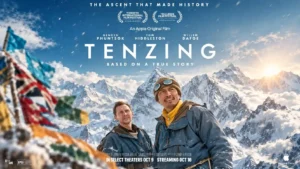
One assessment criticizes a poster that foregrounds Hiddleston while Tenzing is the main character. That choice reinforces its concern that star power distracts from the intended subject.

Choose this inventive, unsettling documentary for fearless questioning, dark humor, and unpredictable storytelling. Skip it if you want a short, straightforward exposé with definitive answers.
Pros: originality, humor

Extraordinary performances and richly observed relationships make this a rewarding, emotionally forceful drama. Its nearly three-hour length and slow opening demand patience and undivided attention.
Pros: class commentary, character development

Best for a hypnotic, bookish mystery with tactile visuals and cerebral chills. Skip it if reading-heavy, attention-demanding storytelling sounds more exhausting than exciting.
Pros: Atmosphere, cinematography
Cons: audience appeal

Best for an intimate, searching documentary that rewards focused attention and invites discussion. Skip it when devastating grief, addiction footage, and unresolved family tensions would be too much.
Pros: emotional impact, theme depth