Compare You Can See Everything vs Cameron Winter at Carnegie Hall

You Can See Everything

You Can See Everything

Overall score 4.7 / 5

Based on 17 scored reviews

vs
Cameron Winter at Carnegie Hall

Cameron Winter at Carnegie Hall

Overall score 4.7 / 5

Based on 22 scored reviews

How we score

Scorata scores summarize analyzed review evidence on a 1–5 scale; they are not laboratory measurements or a simple average of customer star ratings. Feature scores summarize the reviews covering that feature. The overall score averages feature scores within each review, then combines review averages. When both expert and customer evidence are available, those two groups receive equal weight. Products can have different review coverage, so small score gaps do not establish a winner.

Recommendations prioritize important features for the category, with a score of at least 3.5, a gap of at least 0.25 points and at least two supporting reviews per product. Features with widely varying scores or broad connectivity contexts are excluded from recommendations. These safeguards do not establish statistical significance.

Quick verdict

What each product is best for

The review evidence points to a tradeoff: humor and originality versus creative collaboration. Choose according to which strengths matter more to you; the overall score alone does not settle that choice.

Choose You Can See Everything for humor and originality.

Choose Cameron Winter at Carnegie Hall for creative collaboration.

Why these recommendations?

You Can See Everything

Where It Has the Edge

  • humor is 5.0 vs 4.1. Fielder’s deadpan disbelief collides with baffling answers and surreal situations to generate frequent, uncomfortable laughter. The humor stays...
  • originality is 4.8 vs 4.0. Reality-TV intimacy, staged recreations, and daring shifts of perspective turn a familiar scandal into something strikingly new. The...

Cameron Winter at Carnegie Hall

Where It Has the Edge

  • creative collaboration is 4.8 vs 4.3. The filmmaking and music often seem to work in tandem: animated camera movement complements Winter’s stillness without taking...
You Can See Everything 4.7 overall score
Cameron Winter at Carnegie Hall 4.7 overall score

Compare features

Scores are out of 5. Missing scores mean missing review evidence, not a missing feature.

Scored on both products

Other features

Pacing
You Can See Everything
4.3

Most find the narrative absorbing, particularly once the second half changes direction. A dissenting critic finds stretches of the first half repetitive.

Cameron Winter at Carnegie Hall
3.0

The patient flow encourages deep listening but sometimes makes the similar-sounding songs feel longer or harder to distinguish.

Humor
You Can See Everything
5.0

Fielder’s deadpan disbelief collides with baffling answers and surreal situations to generate frequent, uncomfortable laughter. The humor stays active even as the subject turns dark.

Cameron Winter at Carnegie Hall
4.1

Small, awkward stage-door jokes and wry lyric moments briefly lighten an otherwise solemn concert.

Originality
You Can See Everything
4.8

Reality-TV intimacy, staged recreations, and daring shifts of perspective turn a familiar scandal into something strikingly new. The film repeatedly changes what kind of story it is telling.

Cameron Winter at Carnegie Hall
4.0

Unconventional angles and an unvarnished approach give a familiar concert-film format new character, though the experiment can feel messy.

Creative collaboration
You Can See Everything
4.3

The directors’ different readings of everyday interactions became an engine for the film. Their partnership gives its increasingly wild structure a strong sense of purpose.

Cameron Winter at Carnegie Hall
4.8

The filmmaking and music often seem to work in tandem: animated camera movement complements Winter’s stillness without taking over. Not every improvised choice lands.

Editing quality
You Can See Everything
4.9

Sharp reaction shots and increasingly layered reconstructions turn a sprawling, confusing experience into an engaging narrative. The deliberate selectivity of editing also becomes part of the subject.

Cameron Winter at Carnegie Hall
4.4

Long takes and restrained cutting preserve the flow of the performance. Some abrupt, shaky or exploratory edits interrupt the spell for less enthusiastic viewers.

Directing quality
You Can See Everything
5.0

Fielder and Oppenheim make bold structural choices while maintaining attention on their subjects and the limits of documentary truth. Their unusual collaboration is widely celebrated as an ambitious leap for nonfiction.

Cameron Winter at Carnegie Hall
4.8

Paul Thomas Anderson usually lets the music lead while shaping the performance with patience, movement and expressive light. The largely spontaneous shooting sometimes produces distracting rough edges.

Cinematography
You Can See Everything
5.0

Intimate close-ups, watchful angles, and restrained lighting make tiny changes of expression compelling. The visual approach creates a powerful sense of being trapped inside the home.

Cameron Winter at Carnegie Hall
4.9

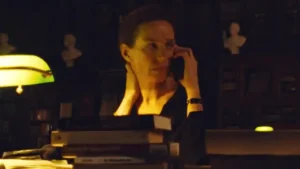
Warm 16mm and 35mm images, intimate close-ups, roving cameras and distant balcony shots make a lone pianist visually compelling. A few shaky or self-conscious moves prove distracting.

Runtime
You Can See Everything
4.4

Most find the nearly three-hour running time surprisingly easy to sit through, crediting the suspense and constant reinvention. One dissenting view argues it needed substantial tightening.

Cameron Winter at Carnegie Hall
4.5

The roughly 72–75-minute length keeps the single-piano format concise, and its brevity helps even some less invested viewers stay with it.

Atmosphere
You Can See Everything
5.0

Claustrophobic close-ups and deliberate pacing produce an unnerving, watchful intimacy, balancing ominous tension with playful absurdity.

Cameron Winter at Carnegie Hall
5.0

The concert feels at once austere and warm, blending Carnegie Hall’s grandeur with near-religious quiet, loneliness and emotional intensity.

Emotional impact
You Can See Everything
5.0

Disbelief, tension, cringing, unease, and astonished laughter often arrive close together. The film is repeatedly described as difficult to shake off afterward.

Cameron Winter at Carnegie Hall
5.0

The music and images can evoke tears, awe and a sense of shared intimacy. What looks like a simple recital often grows remarkably affecting.

Ownership and support

Entertainment value
You Can See Everything
4.8

A strangely absorbing mix of probing interviews, comic reactions, and major surprises makes the long film feel like an event. Even a skeptical critic finds it highly entertaining.

Cameron Winter at Carnegie Hall
5.0

For receptive viewers, the spare concert becomes mesmerizing and surprisingly exhilarating. Its eccentric music is an essential caveat.

Comfort and build

Visual style
You Can See Everything
5.0

An Academy-ratio image, oppressive facial close-ups, creeping zooms, and warm limited-light interiors give everyday interactions an unsettling cinematic intensity.

Cameron Winter at Carnegie Hall
5.0

Grainy celluloid and warm, nearly candlelit colors make the recording feel intimate, timeless and handcrafted rather than glossy.

Controls and connectivity

Audience appeal
You Can See Everything
4.5

Festival screenings produced excitement and intense reactions, but its discomforting, cerebral approach is not necessarily designed for mass-market tastes.

Cameron Winter at Carnegie Hall
4.5

The film strongly favors admirers of Winter and fans of Anderson’s formal filmmaking, rather than viewers expecting a traditional artist documentary.

Evidence available for one product

Performance

Acting performance
You Can See Everything
5.0

Amanda Seyfried’s self-aware participation and unnerving reenactments are particular highlights, bringing more psychological depth to a story about the limits of portrayal.

Cameron Winter at Carnegie HallNo score yet
Lead performance
You Can See Everything
4.0

Fielder’s onscreen reactions and comic persona remain entertaining, although a critic questions how deeply his questions penetrate Holmes’s defenses.

Cameron Winter at Carnegie HallNo score yet
Live performance sequences
You Can See EverythingNo score yet
Cameron Winter at Carnegie Hall
4.8

A still, mostly silent artist commands attention with intense vocals and piano work. The limited stage movement makes the occasional playful break especially memorable.

Piano performance
You Can See EverythingNo score yet
Cameron Winter at Carnegie Hall
4.9

Vigorous, sometimes delicate piano playing gives the stripped-down songs their drama and depth. The instrument feels expressive enough to carry the set alone.

Singing performances
You Can See EverythingNo score yet
Cameron Winter at Carnegie Hall
4.9

Winter’s deep, elastic baritone, falsetto and emotional phrasing are often described as mesmerizing. His eccentric vocal style may take getting used to.

Soundtrack quality
You Can See EverythingNo score yet
Cameron Winter at Carnegie Hall
5.0

The stripped-down piano songs and expressive vocals provide the film’s chief attraction, with a purity that favors focused listening over spectacle.

Supporting cast performance
You Can See Everything
5.0

Seyfried’s appearance gives the later sections a compelling new perspective, combining an eerie portrayal of Holmes with candid inquiry into the material.

Cameron Winter at Carnegie HallNo score yet

Other features

Biographical coverage
You Can See Everything
4.1

Extensive access reveals Holmes’s home life and contradictions far beyond polished public appearances. Some still feel the film uncovers more about her partner than about her underlying motives.

Cameron Winter at Carnegie HallNo score yet
Biographical fairness
You Can See Everything
5.0

The film can make Holmes seem vulnerable in her domestic life while remaining skeptical of her denial of wrongdoing. It also openly raises questions about the filmmakers’ own biases.

Cameron Winter at Carnegie HallNo score yet
Cast chemistry
You Can See Everything
4.5

The uneasy standoff between Fielder’s dry skepticism and Holmes’s composed, evasive answers makes their conversations mesmerizing to watch.

Cameron Winter at Carnegie HallNo score yet
Concert immersion
You Can See EverythingNo score yet
Cameron Winter at Carnegie Hall
4.9

The intimate views, warm venue ambience and careful preservation of the songs make the film feel like attending an unusually close, hushed live performance.

Cultural impact
You Can See Everything
4.7

Its challenge to documentary conventions prompts predictions of a lasting influence on nonfiction filmmaking and conversations about how images establish credibility.

Cameron Winter at Carnegie HallNo score yet
End credits quality
You Can See EverythingNo score yet
Cameron Winter at Carnegie Hall
4.2

A playful title gag and an encore after the credits begin reward staying until the true end; the unusual placement makes the extra song easy to miss.

Family dynamics
You Can See Everything
4.0

The filmmakers catch interruptions, arguments, and disturbing controlling behavior within the household. Those moments deepen the personal portrait without excusing Holmes’s past misconduct.

Cameron Winter at Carnegie HallNo score yet
Film framing
You Can See EverythingNo score yet
Cameron Winter at Carnegie Hall
4.9

The camera moves between extreme facial close-ups, distant balconies and backstage approaches, drawing viewers into the performance. Some roving compositions feel deliberately rough.

Filming ethics
You Can See Everything
4.8

Rather than claiming neutrality, the documentary exposes how access, camera placement, reenactments, and editing shape perceptions of its subject. The self-scrutiny is one of its major strengths.

Cameron Winter at Carnegie HallNo score yet
Genre satisfaction
You Can See Everything
4.2

Its blend of documentary, constructed scenes, comedy, and psychological drama is exhilarating for most; a dissenting critic finds it too self-conscious to comfortably count as nonfiction.

Cameron Winter at Carnegie HallNo score yet
Historical preservation
You Can See EverythingNo score yet
Cameron Winter at Carnegie Hall
4.8

The concert is preserved as a distinctive artistic moment, with the venue’s character and the performer’s concentration given a lasting visual form.

Interview and source material quality
You Can See Everything
4.7

Fielder asks blunt, persistent questions that more traditional interviews might avoid. The evasive replies are often revealing even when they fail to deliver factual closure.

Cameron Winter at Carnegie HallNo score yet
Lighting quality
You Can See EverythingNo score yet
Cameron Winter at Carnegie Hall
4.7

Pools of amber light, deep shadow and dramatic silhouettes give the bare stage unexpected visual richness. A few dark passages obscure Winter’s face, but the contrasts often heighten the music.

Mystery quality
You Can See Everything
5.0

The real question becomes not just what Holmes did, but what anyone in the room understands and who is controlling the story. Major pivots keep the outcome hard to predict.

Cameron Winter at Carnegie HallNo score yet
Opening sequence quality
You Can See EverythingNo score yet
Cameron Winter at Carnegie Hall
4.5

Brief arrivals, ticket scans and room sounds ease the viewer into Carnegie Hall without delaying the performance.

Score quality
You Can See Everything
5.0

Ari Balouzian’s music shifts between soothing, sly, and menacing moods, helping domestic scenes turn disquieting without losing their strange humor.

Cameron Winter at Carnegie HallNo score yet
Serious tone
You Can See EverythingNo score yet
Cameron Winter at Carnegie Hall
3.8

The restrained, almost ritualistic mood suits Winter’s introspective songs, though its unrelieved solemnity can grow tiring.

Sexual content level
You Can See Everything
2.0

An explicit shower shot is described as gratuitous, making its nudity feel needlessly intrusive to at least one critic.

Cameron Winter at Carnegie HallNo score yet
Song variety
You Can See EverythingNo score yet
Cameron Winter at Carnegie Hall
2.6

The long, slow, similarly arranged songs often run together; some find this trance-like, while others hear monotony and a lack of contrast.

Songwriting and lyrics
You Can See EverythingNo score yet
Cameron Winter at Carnegie Hall
4.6

Elliptical lyrics about longing, faith and mortality can be strange, funny and emotionally potent. Their meaning is often felt more than explained.

Stage-to-screen adaptation
You Can See EverythingNo score yet
Cameron Winter at Carnegie Hall
4.9

Close-ups and roaming viewpoints give viewers access even the concert audience lacked. The filming captures the room’s mood, although a few live moments lose some force.

Story quality
You Can See Everything
5.0

What starts as a domestic portrait evolves into a much stranger inquiry, with unexpected shifts and reenactments that transform the meaning of earlier scenes.

Cameron Winter at Carnegie HallNo score yet
Suspense
You Can See Everything
5.0

Despite its nonfiction premise, the constant reversals and unsettling exchanges create genuine suspense.

Cameron Winter at Carnegie HallNo score yet
Theme depth
You Can See Everything
4.8

Beyond the Theranos scandal, the film wrestles with deception, performance, personal mythmaking, power, and the inability of any camera to record an entirely objective truth.

Cameron Winter at Carnegie HallNo score yet

Controls and connectivity

Critic appeal
You Can See Everything
5.0

Early critic reception is reported as exceptionally enthusiastic, echoing widespread praise for the film’s bold form and originality.

Cameron Winter at Carnegie HallNo score yet

Ownership and support

Rewatch value
You Can See Everything
4.0

Its shifting meanings and ambiguous interactions leave questions that could reward a second viewing, especially after the big structural turns become familiar.

Cameron Winter at Carnegie HallNo score yet

Comfort and build

Sound design
You Can See EverythingNo score yet
Cameron Winter at Carnegie Hall
4.8

The piano, resonant voice and auditorium ambience come through with unusual clarity and richness, bringing the listening experience close to the room itself.


Other Top Movies to Consider

#1 Mouse
4.8

A deeply human coming-of-age drama carried by remarkable performances and an honest portrayal of grief. Its gentle optimism moves most viewers, though some find the final stretch hurried or overly...

Pros: Grief portrayal, acting performance

Cons: pacing

#2 Give Me the Ball!
4.8

Billie Jean King’s magnetic first-person storytelling makes this an exhilarating portrait of athletic courage and social change. The filmmaking follows a familiar documentary structure, and her full tennis résumé gets...

Pros: entertainment value, Biographical coverage

Cons: Narrative structure

#5 Possible Love
4.7

Extraordinary performances and richly observed relationships make this a rewarding, emotionally forceful drama. Its nearly three-hour length and slow opening demand patience and undivided attention.

Pros: class commentary, character development

#6 Chronovisor
4.7

Best for a hypnotic, bookish mystery with tactile visuals and cerebral chills. Skip it if reading-heavy, attention-demanding storytelling sounds more exhausting than exciting.

Pros: Atmosphere, cinematography

Cons: audience appeal