#1
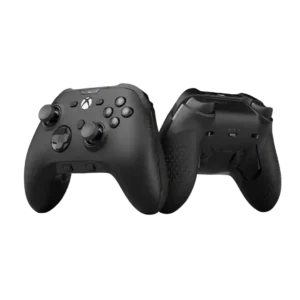
Analog stick smoothness was consistently praised, with reviewers describing effortless movement, smooth micro-adjustments, and responsive stick feel.
Pros: grip texture, analog stick smoothness
Cons: compatibility with Nintendo Switch, platformer control precision
#2
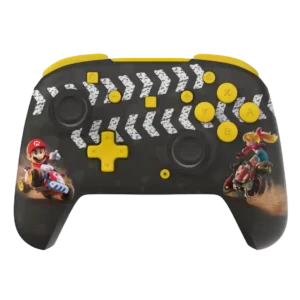
Stick movement is consistently praised, from silky-smooth TMR implementations to well-tuned analogue sticks with quick recentering.
Pros: analog stick precision, analog stick smoothness
Cons: Switch wake support, Amiibo/NFC support
#3
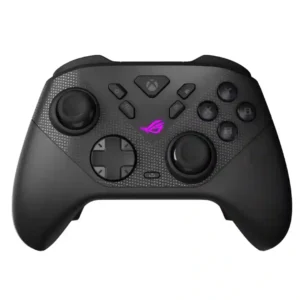
Stick movement is consistently described as smooth, springy and controlled, with anti-friction rings helping the sticks glide cleanly.
Pros: face button travel, trigger responsiveness
Cons: Start and Select button design, button label visibility
#4
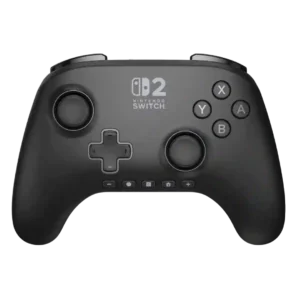
The sticks are widely praised for fluid, smooth movement. Several reviewers call them a clear step up from Joy-Cons or older PowerA sticks.
Pros: wireless latency, input lag
Cons: trigger smoothness, analog trigger precision
#5
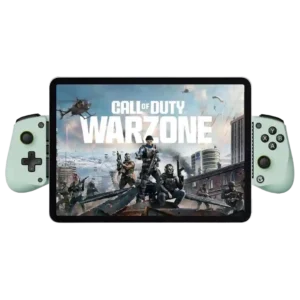
Stick movement is praised as smooth and nicely controlled. A few users needed calibration or wanted larger caps, but the overall stick feel is strong.
Pros: trigger smoothness, connection reliability
Cons: firmware update support, analog trigger precision
#6
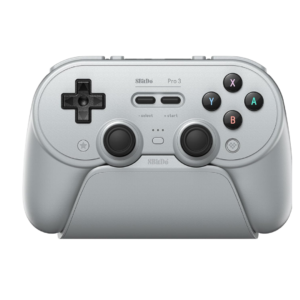
Stick movement is one of the clearest strengths, with a smooth glide and very little friction across the range. Even critical reviews generally liked the mechanical smoothness.
Pros: Hall effect stick performance, analog stick smoothness
Cons: cloud gaming compatibility, audio jack quality
#7
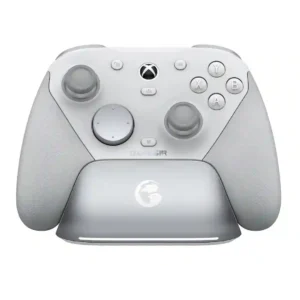
Stick movement is usually described as smooth, light, and predictable, with clean movement across the center and edges. A few reviewers preferred a firmer or more conventional feel.
Pros: ease of setup, mobile compatibility
Cons: compatibility with PlayStation, button label visibility