#1
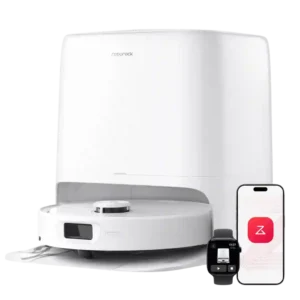
The 100°C mop-wash cycle is credited with reducing germs and leaving the pads cleaner. It adds a hygiene advantage for kitchens, bathrooms, and other frequently mopped areas.
Pros: Suction and Airflow, Obstacle Avoidance (Robot)
Cons: Streaking / Residue, Solution / Liquid system
#2
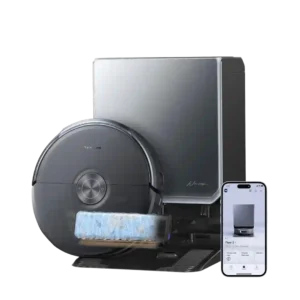
Hot-water washing and warm-air drying help keep the mop and debris bag fresher between uses. The system adds useful hygiene, even though floor-level water temperatures are not true sterilization.
Pros: Mopping performance, Overall opinion
Cons: Edge and Baseboard Cleaning (Hard Floors), Price and Value
#3
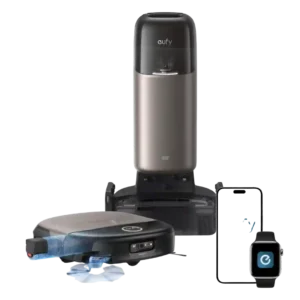
Electrolyzed water, hot washing and continuous roller cleaning give the S2 unusually strong hygiene features. The system is especially appealing for homes with children or pets.
Pros: Overall opinion, Mopping performance
Cons: Support and Reliability, Price and Value
#4
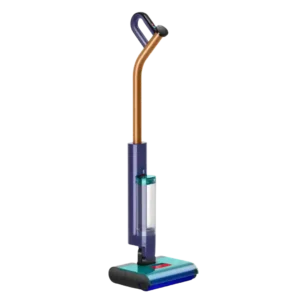
Hygiene is a core strength: clean and dirty water stay separated, waste remains out of internal pipes, and hot-air drying helps keep the roller sanitary. One strongly negative test disputed...
Pros: Self-cleaning cycle, Overall opinion
Cons: Emptying and Mess Control, Price and Value
#5
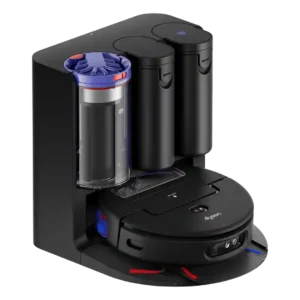
Sanitizing-related evidence centered on the heated, hygienic roller system, which reviewers associated with cleaner, fresher mopping rather than independently verified sanitization.
Pros: Overall opinion, Mopping performance
Cons: Price and Value, AI, Smart, App and Automation
#6
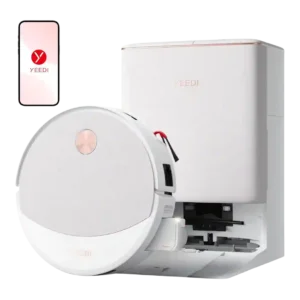
One review framed the heated fresh-water washing system as more hygienic, but evidence was limited to station washing rather than verified sanitization.
Pros: Overall opinion, Suction and Airflow
#7
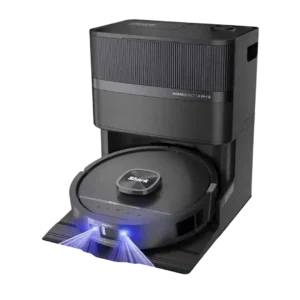
Sanitizing evidence was limited and cautioned that UV light itself does not sanitize quickly during a pass-over.
Pros: Mopping performance, Dried-On Stain Removal
Cons: Map and Path Efficiency (Robot Vacuums), Price and Value
