Best for main cast performance
The Gilded Age, Season 4
5.0 attribute score
Highest scored product for this attribute based on supporting review evidence.

Highest scored product for this attribute based on supporting review evidence.
Balances the attribute score, supporting reviews, and overall product strength.
Has the broadest review evidence for this attribute.
Strongest overall product among items with scored evidence for this attribute.
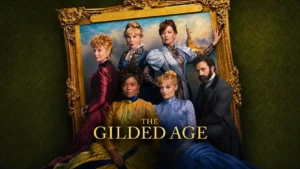
Coon, Baranski, Nixon, Spector and Benton repeatedly stand out for command, wit and emotional range. Jacobson’s more demanding scenes also earn some of her strongest notices.
Pros: entertainment value, character development
Cons: romance quality, ensemble balance

The lead work is consistently acclaimed, especially the balance of comedy, vulnerability and dramatic weight in the Deborah-Ava pairing.
Pros: humor, finale satisfaction
Cons: realism, season pacing
Peter Claffey and Dexter Sol Ansell carry the season with confidence, warmth, and comic timing. Their contrasting performances make Dunk and Egg immediately convincing as a duo.
Pros: story quality, entertainment value
Cons: violence level, editing quality

The lead ensemble is consistently praised, with Horgan’s comic presence and Aran Murphy’s naturalistic work giving the show much of its emotional credibility.
Pros: theme depth, humor
Cons: character consistency

The established leads maintain the show’s emotional pull, with Noah Wyle’s fractured authority and Katherine LaNasa’s compassion attracting special attention.
Pros: character development, acting performance
Cons: character consistency, dialogue quality

Carell is almost universally praised, with Clive also drawing strong notices as the emotional counterweight. The leads give the show warmth and credibility even when the writing gets scattered.
Pros: entertainment value, humor
Cons: story quality, modern political framing

The four central actors carry the series with fierce commitment. Bell is often called the anchor, Gadd transforms into a threatening adult Ruben, and the younger pair repeatedly emerge as...
Pros: theme depth, emotional impact
Cons: audience appeal, writing quality

The lead trio is the clearest point of agreement. Bateman, Harbour, and Cardellini are repeatedly described as excellent, nuanced, career-best, or central to why the strange material works.
Pros: main cast performance, humor
Cons: genre satisfaction, episode pacing

The leads are a major selling point, with Vartolomei, Kruger, Bravo, and Lacoste repeatedly singled out. Kruger and Vartolomei draw especially consistent praise.
Pros: visual style, character development
Cons: faithfulness to source material, season pacing
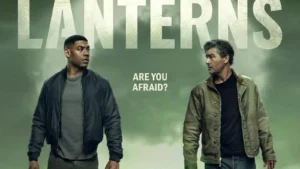
Kyle Chandler and Aaron Pierre are the clearest consensus strength, repeatedly praised as magnetic, nuanced, and capable of carrying the series through weaker material.
Pros: character development, cast chemistry
Cons: faithfulness to source material, story quality

Hoyt Richards carries the show as its central witness. Decider describes him as the dominant voice, and his blank-slate vulnerability becomes part of the fascination.
Pros: story quality, audience appeal
Cons: plot clarity, writing quality
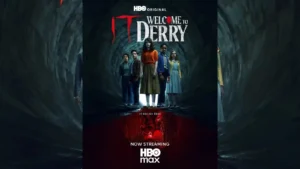
The main ensemble, especially the younger cast, receives broad praise for carrying fear, grief, and emotional stakes.
Pros: genre satisfaction, acting quality
Cons: writing quality, CGI quality

Most reactions praise the leads strongly, but one critic finds scenes between Morgan and Carla flat and energy-draining. That dissent makes the lead pairing more divisive than the supporting ensemble.
Pros: acting quality, entertainment value
Cons: finale satisfaction, realism