#1

The four-piece system creates a remarkably complete, room-filling surround field with convincing side, rear, and overhead movement. Reviewers repeatedly ranked its immersion among the best available from a soundbar package.
Pros: Home theater integration, Bass performance
Cons: Value for money, Design and aesthetics
#2

Surround immersion is outstanding across Atmos and upmixed 5.1 content. The system produces a large, enveloping bubble with convincing front-to-back, side-to-side, and overhead movement.
Pros: Inter-speaker connectivity, AI Room Calibration
Cons: Value for money, Music performance
#3
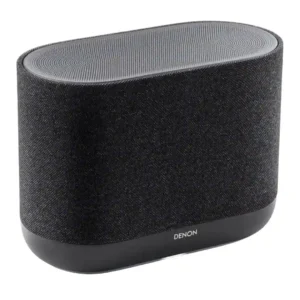
The spatial presentation is a major reason to buy the Home 400, especially with well-mixed Dolby Atmos Music. It can sound immersive and convincing, though track quality and extreme settings...
Pros: Music performance, Voice clarity
Cons: Small-room suitability, Smart assistant integration (Alexa
#4

Virtual surround is generally convincing and often reaches beyond the bar with strong side and overhead cues. Its success depends on room acoustics and content, and a few tests found...
Pros: Design and aesthetics, Overall sound quality
Cons: Value for money, App reliability
#5
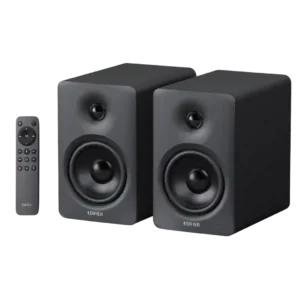
The wide front stage gives flyovers and directional effects convincing space, but it remains a stereo system rather than true surround sound.
Pros: Bass performance, Value for money
Cons: On-device controls, Auto-off and standby behavior
#6
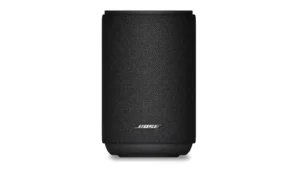
TrueSpatial can make ordinary stereo material feel taller and more enveloping, but it does not fully replace native Dolby Atmos. Some recordings also become slightly vague when the processing is...
Pros: Overall sound quality, Design and aesthetics
Cons: Multi-speaker pairing reliability, Smart features
#7

Paired speakers can create a wider, more immersive TV presentation through spatial processing, but the effect is simulated and lacks dedicated center, rear, height, or subwoofer channels.
Pros: Music performance, Voice assistant responsiveness
Cons: Value for money, Bass performance
