#1
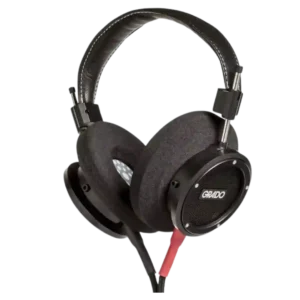
Detachable mini-XLR cabling is widely treated as a major Grado improvement. Swappable lengths and balanced terminations make the S750 far easier to adapt to different amplifiers and listening positions.
Pros: Midrange clarity, Instrument separation
Cons: Travel friendliness, Noise isolation (passive)
#2
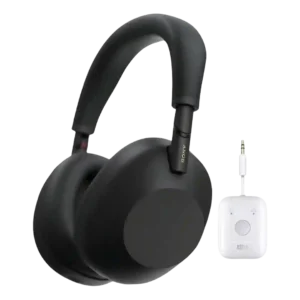
Detachable analog cable use was useful for low-latency wired listening, though broader cable quality drew criticism elsewhere.
Pros: Smart Pause performance, Award recognition
Cons: Cable quality, USB-C
#3

The detachable/wired option was useful for moments when wired listening or battery conservation mattered.
Pros: Audio-video sync accuracy, Clamping force comfort
Cons: Transparency mode quality, Sustainability and repairability
#4
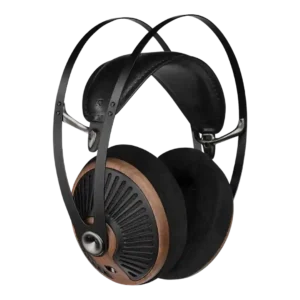
Dual 3.5 mm connections make the cable removable and serviceable, but the recessed sockets favor slim barrels. Aftermarket choices are workable, though less universal than on the 105 AER.
Pros: Volume output, Carry case quality
Cons: Connectivity options, Noise isolation (passive)
#5
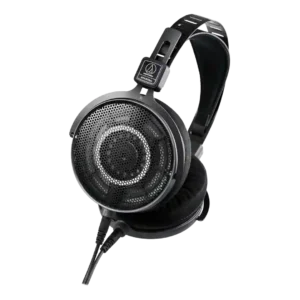
The detachable cable system is convenient for some because it locks, removes, and routes either way, but others dislike the proprietary or over-complicated design.
Pros: Software/setup simplicity, Weight comfort
Cons: Travel friendliness, Sound leakage
#6
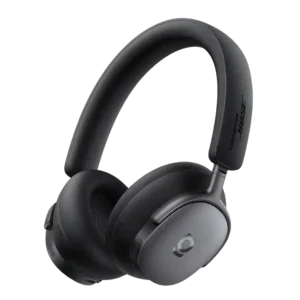
The detachable cable was useful as a dead-battery backup, but wired listening was not treated as the best way to use the headphones.
Pros: Maximum volume clarity, Headband adjustability
Cons: Cable quality, Smart Pause performance
#7
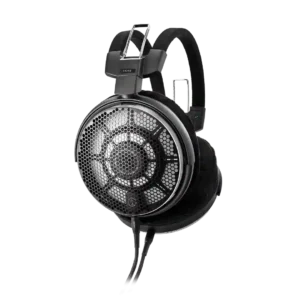
The detachable A2DC connection is secure and easy to use for some, but proprietary compatibility limits affordable replacement and cable-rolling choices.
Pros: Instrument separation, Weight comfort
Cons: Travel friendliness, Sound leakage
