#1
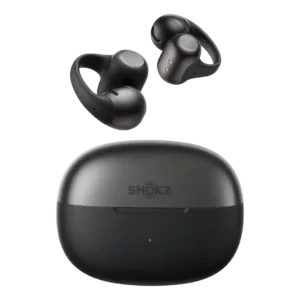
Sound leakage is better controlled than many open-ear skeptics might expect. Private mode and directional audio earned praise, though open-ear physics means leakage is not completely eliminated.
Pros: Overall satisfaction, Sound quality
Cons: Value for money, Noise isolation (passive)
#2
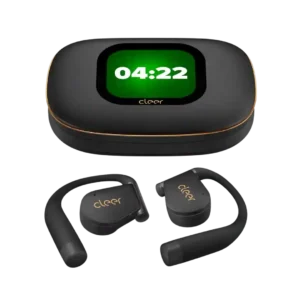
Sound leakage and driver positioning were judged better than average for the open-ear category in the one detailed assessment. The design still cannot contain sound like sealed earbuds.
Pros: Overall satisfaction, Carry case quality
#3

Some leakage is unavoidable at higher volume in quiet spaces, but Privacy Mode noticeably reduces what nearby people can hear. It helps rather than creating complete privacy, and it changes...
Pros: Overall satisfaction, Sound quality
Cons: Spatial audio
#4
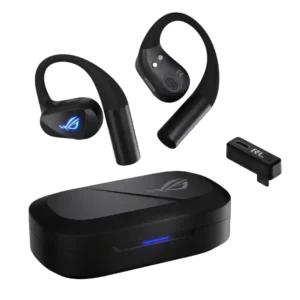
Leakage is better controlled than some open-ear designs, though nearby people may hear faint audio in quiet rooms or at higher volumes.
Pros: Overall satisfaction, Sound quality
Cons: Value for money, Bass performance
#5
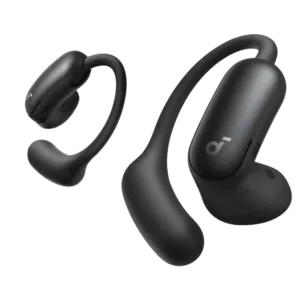
Leakage reports conflict sharply. Several users and reviewers found surprisingly little sound bleed, while one expert called leakage significant in open mode and warned that nearby gym users would hear...
Pros: Overall satisfaction, Sound quality
Cons: Active noise cancellation, Carry case quality
#6

Sound leakage handling works in several tests, but the leakage-reduction mode often makes music more muffled or worse sounding.
Pros: Battery, Stability
Cons: Value for money, Charging
#7
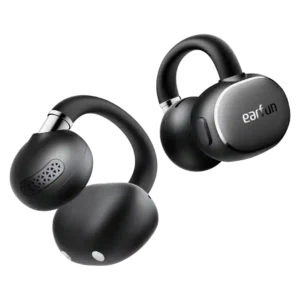
Leakage is usually modest at moderate volume and in everyday environments. It becomes audible to nearby people at high volume or in very quiet offices and libraries.
Pros: Overall satisfaction, Sound quality
Cons: Maximum volume clarity, Noise isolation (passive)
#8
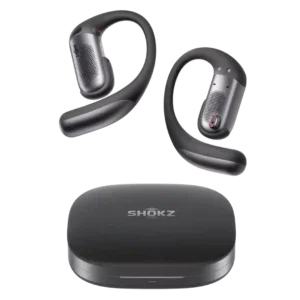
Leakage is modest at lower volumes but becomes obvious when volume rises to fight outside noise. Private EQ helps only a little and may sacrifice bass or vocal clarity.
Pros: Sound quality, Comfort during long use
Cons: Value for money, Volume output
#9

Leakage is better contained than on some open-ear designs, especially at moderate volume. Nearby people may still hear playback in a quiet office or train.
Pros: Weight comfort, Sound quality
Cons: Noise isolation (passive), Wireless charging
#10

Nearby people may hear audio when volume is turned up. Quiet shared spaces call for more restrained listening levels.
Pros: Charging, Stability
Cons: Bass performance, Sound quality
