Best for Multipoint connectivity reliability
Shokz OpenRun Pro 2
5.0 attribute score
Highest scored product for this attribute based on supporting review evidence.

Highest scored product for this attribute based on supporting review evidence.
Balances the attribute score, supporting reviews, and overall product strength.
Has the broadest review evidence for this attribute.
Strongest overall product among items with scored evidence for this attribute.

Pairing two sources is handy for moving between a phone, watch, or computer, and switching is often reported as smooth.
Pros: Sound quality, Overall satisfaction
Cons: Volume output, Sound leakage
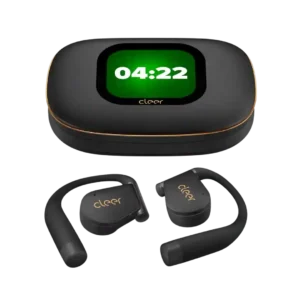
Multipoint switching between phones, tablets, and computers is consistently viewed as convenient and seamless, reducing the need to re-pair devices.
Pros: Overall satisfaction, Carry case quality
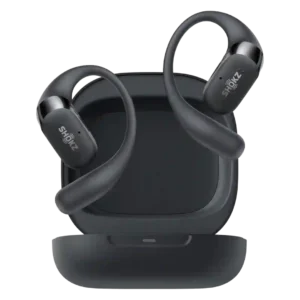
Multipoint is consistently praised for seamless, reliable switching between devices, especially phones, laptops, watches, and work setups.
Pros: Sound quality, Comfort during long use
Cons: Active noise cancellation, Sensors

Multipoint is one of the strongest features, with reliable two-device connections and convenient automatic switching. Transfers can take a few seconds, but users generally find them seamless.
Pros: Overall satisfaction, Sound quality
Cons: Bass performance, Volume output
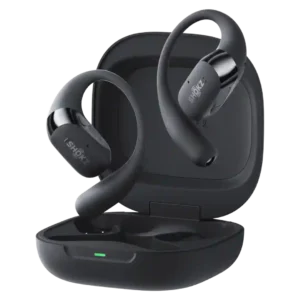
Multipoint was repeatedly described as smooth, seamless, convenient, or reliable for switching between phones, laptops, watches, and other devices.
Pros: Comfort during long use, Sound quality
Cons: Find My, Carry case quality

Multipoint switching between two devices was consistently described as useful and generally seamless. The main tradeoff is that LDAC must be disabled while multipoint is active.
Pros: Overall satisfaction, Sound quality
Cons: Spatial audio

Switching between a laptop or watch and a phone is a useful everyday perk. Some wearers found transitions seamless without repeated manual reconnecting.
Pros: Weight comfort, Sound quality
Cons: Noise isolation (passive), Wireless charging

Multipoint lets the headset move between a phone and computer without frequent re-pairing. Switching works smoothly once configured, although discovering the setup procedure can take effort.
Pros: Situational awareness, Value for money
Cons: Sound quality, Bass performance

Pairing with both phone and laptop makes switching sources easier without constant reconnecting. The convenience expands its usefulness beyond exercise.
Pros: Charging, Stability
Cons: Bass performance, Sound quality
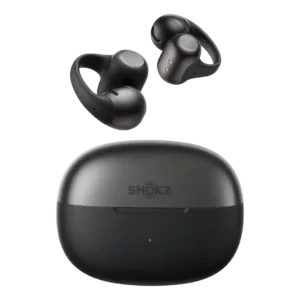
Multipoint is a strong everyday feature, with smooth switching between phone and laptop or dual-phone tests. Reviewers who used it generally found it reliable and easy to manage in the...
Pros: Overall satisfaction, Sound quality
Cons: Value for money, Noise isolation (passive)

Multipoint was a frequent strength, with reviewers appreciating smooth device switching for work calls, phones, laptops, and daily device changes.
Pros: Sound quality, Touch control responsiveness
Cons: Water/sweat resistance rating, Sensors

Multipoint is widely praised for moving smoothly between two devices, including phone-and-computer setups. One customer reported that simultaneous multi-device use did not work as expected, so real-world behavior is not...
Pros: Overall satisfaction, Sound quality
Cons: Active noise cancellation, Carry case quality

Multipoint usually switches smoothly between two devices and is useful for phone-and-computer workflows. A small number of reviewers saw awkward source switching, and LDAC cannot be used at the same...
Pros: Comfort during long use, Sound quality
Cons: Carry case quality, Touch control responsiveness
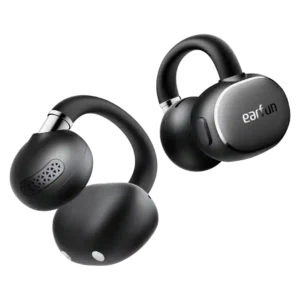
Switching between a phone and computer is usually fast and reliable, and the app’s device list helps. Multipoint cannot operate with LDAC, and a few users experienced inconsistent routing or...
Pros: Overall satisfaction, Sound quality
Cons: Maximum volume clarity, Noise isolation (passive)
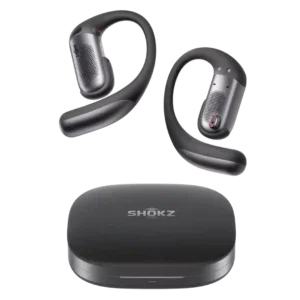
Two-device pairing works well for most people and switching is usually smooth. One customer found that playback would not automatically hand off until the first device was stopped.
Pros: Sound quality, Comfort during long use
Cons: Value for money, Volume output
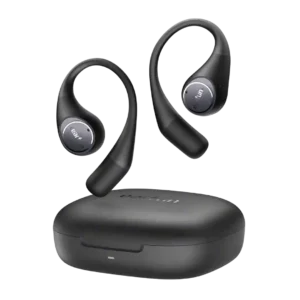
Multipoint was generally praised for smooth device switching and useful dual-device workflows.
Pros: Value for money, Sound quality
Cons: Touch control responsiveness, Bass performance

Two-device pairing adds useful flexibility for switching between personal devices and taking a call. Setup is handled through the app and generally works as intended.
Pros: Sound quality, Comfort during long use
Cons: Bass performance, Cable quality
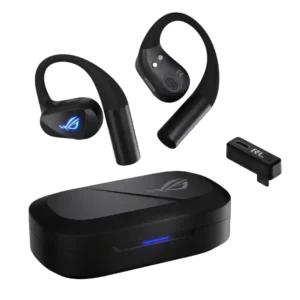
Multipoint is excellent when it works, with fast switching and useful dual-device behavior. Several reviews, however, criticize unpredictable switching or the lack of simultaneous audio in certain setups.
Pros: Overall satisfaction, Sound quality
Cons: Value for money, Bass performance

Two-device multipoint keeps work and personal sources connected, making it a useful productivity convenience.
Pros: Situational awareness, Overall satisfaction
Cons: Bass performance, Volume output
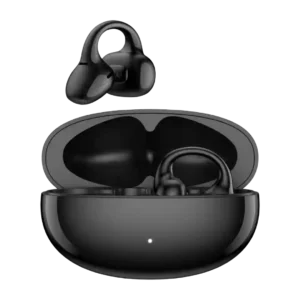
Multipoint works and is useful, but reviewers note occasional hiccups or the need to pause one device before the other takes over.
Pros: Sound quality, Sensors
Cons: Active noise cancellation, Spatial audio
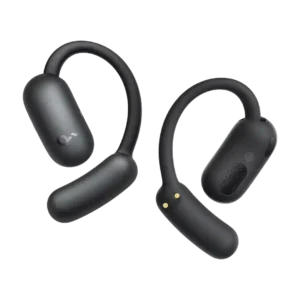
Multipoint is useful when active, but reliability and convenience are reduced by tradeoffs with LDAC or translation features.
Pros: Value for money, Equalizer customization
Cons: Bass performance, Preset EQ profile quality

Multipoint is useful when it works, but evidence is split between smooth two-device use and frustration enabling it.
Pros: Battery, Stability
Cons: Value for money, Charging

Simultaneous connection to two devices could not be established. One tester viewed the missing multipoint function as a minor limitation rather than a deal-breaker.
Pros: Comfort during long use, Stability
Cons: Sound quality, Overall satisfaction