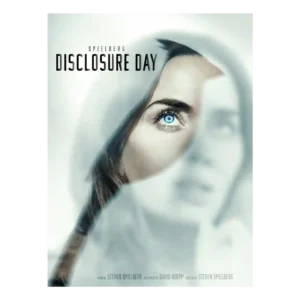
Spielberg’s command of staging, camera placement, suspense, and visual storytelling remains the film’s most broadly admired strength.
Pros: action sequences, lead performance
Cons: screenplay quality, ending satisfaction

Spielberg’s command of staging, camera placement, suspense, and visual storytelling remains the film’s most broadly admired strength.
Pros: action sequences, lead performance
Cons: screenplay quality, ending satisfaction
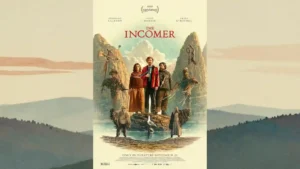
Paxton’s direction is widely admired for visual control, straight-faced handling of absurdity, and gentle fable-like texture. Some see first-feature growing pains and occasional over-stylization.
Pros: humor, acting performance
Cons: tonal consistency, pacing
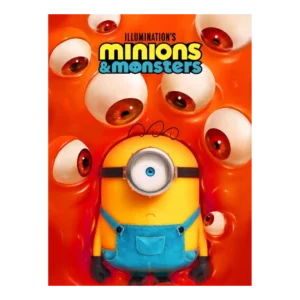
Direction is praised for connecting Minion slapstick to early cinema and for giving the franchise a more purposeful frame. The old-Hollywood affection feels intentional rather than pasted on.
Pros: humor, message quality
Cons: pacing, story quality
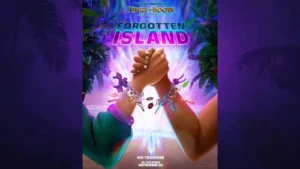
The direction is ambitious and confident in its visual storytelling, though one view finds the emotional material less fully developed than the stylistic fireworks.
Pros: animation quality, visual style
Cons: pacing, character development
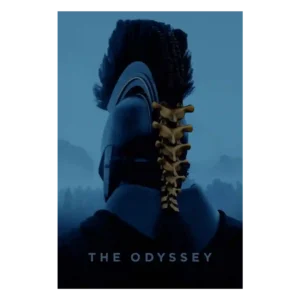
Christopher Nolan’s direction is admired for its ambition, control, and physical scale, but critics of the film see self-seriousness and emotional distance.
Pros: supporting cast performance, acting performance
Cons: pacing, dialogue quality
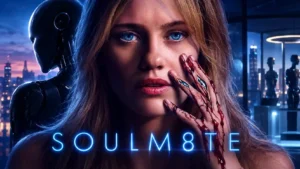
Kate Dolan is often praised for confident, genre-aware staging and brisk control, especially when channeling classic erotic thrillers. A harsher take finds the direction flat and overly sanitized.
Pros: lead performance, violence level
Cons: entertainment value, originality
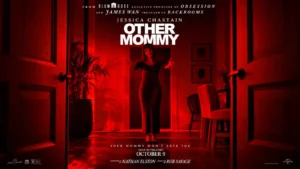
Rob Savage shows visual ingenuity and can stage effective individual sequences, though his preference for nonstop jolts often works against buildup and storytelling.
Pros: lead performance, visual style
Cons: scares, story quality