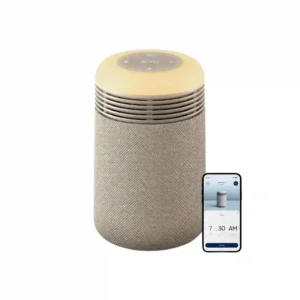
Power consumption is very low in the expert testing that mentioned it, making overnight use inexpensive.
Pros: overall satisfaction, noise level
Cons: indicator lights, value for money

Power consumption is very low in the expert testing that mentioned it, making overnight use inexpensive.
Pros: overall satisfaction, noise level
Cons: indicator lights, value for money
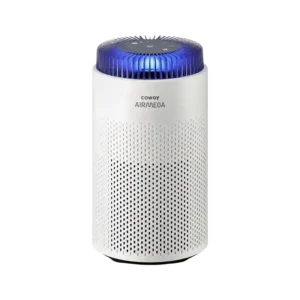
Power draw is consistently low, with reported figures around 11 to 14 watts. That makes long daily runtimes easier to justify.
Pros: air purification performance, noise level
Cons: odor reduction, reliability
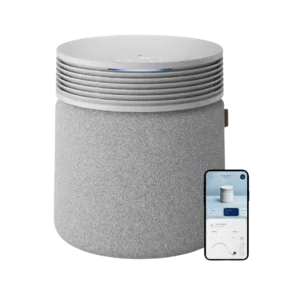
Measured power consumption was praised as modest, frugal, and a major improvement over older high-output models.
Pros: design and appearance, air purification performance
Cons: filter replacement cost
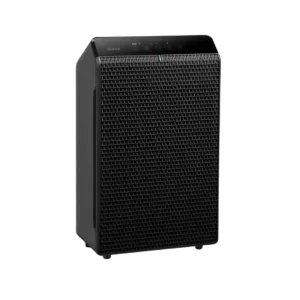
Review evidence for power consumption is mostly positive, based on opinionated comments from 2 source review(s).
Pros: pet dander removal, noise level
Cons: app connectivity, air quality sensor accuracy
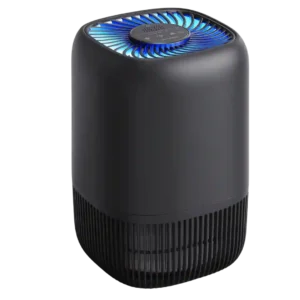
One long-term camper user described very low electricity cost over six months. Energy comments were rare, but the available report is positive.
Pros: air purification performance, noise level
Cons: filter availability, reliability
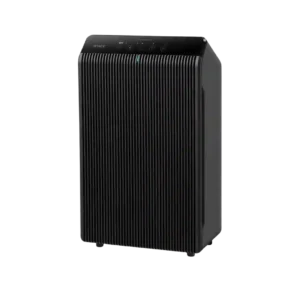
Power consumption was mixed: some reviews found usage economical or fair, while others called it less efficient and more power hungry.
Pros: air purification performance, value for money
Cons: noise level, energy efficiency
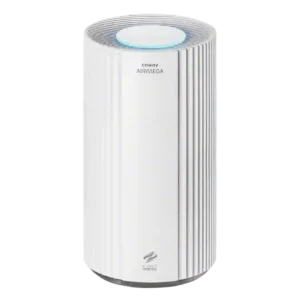
Power consumption was mixed, with one review calling the watts low while others criticized Turbo or top-speed use as energy hungry.
Pros: air purification performance, noise level
Cons: app connectivity, power consumption