Best for power consumption
PuroAir 240
5.0 attribute score
Highest scored product for this attribute based on supporting review evidence.

Highest scored product for this attribute based on supporting review evidence.
Balances the attribute score, supporting reviews, and overall product strength.
Has the broadest review evidence for this attribute.
Strongest overall product among items with scored evidence for this attribute.
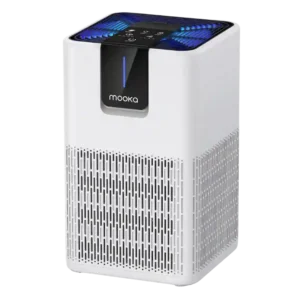
Power consumption gets favorable remarks from owners who compare it to older purifiers or mention the electric bill. The M05 is described as using little electricity for ongoing operation.
Pros: air purification performance, noise level
Cons: aromatherapy feature, reliability
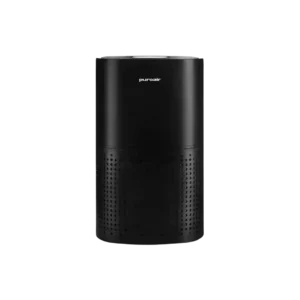
Power consumption looks low in hands-on measurements, with reviewers comfortable running it continuously.
Pros: noise level, air purification performance
Cons: filter replacement cost, air quality sensor accuracy
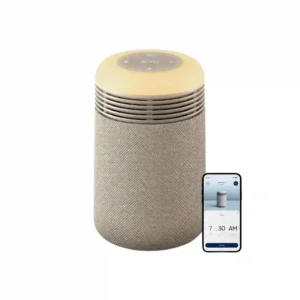
Power consumption is very low in the expert testing that mentioned it, making overnight use inexpensive.
Pros: overall satisfaction, noise level
Cons: indicator lights, value for money
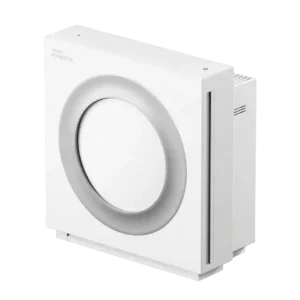
Power consumption was praised as very low at 56 watts in the Breathe Quality review.
Pros: maintenance ease, noise level
Cons: app connectivity
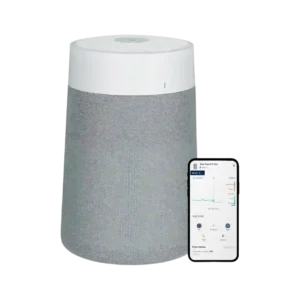
Power consumption is rated very favorably, with low wattage and low hourly or monthly cost repeatedly cited.
Pros: noise level, air purification performance
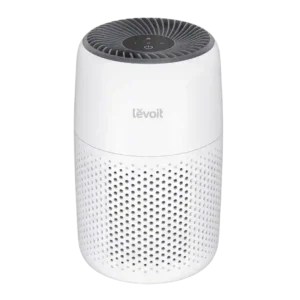
Power consumption was consistently described as very low, with multiple reviewers citing tiny monthly or yearly electricity costs.
Pros: noise level, aromatherapy feature
Cons: room coverage, filter life
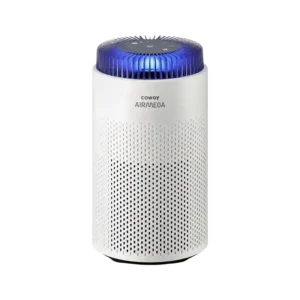
Power draw is consistently low, with reported figures around 11 to 14 watts. That makes long daily runtimes easier to justify.
Pros: air purification performance, noise level
Cons: odor reduction, reliability
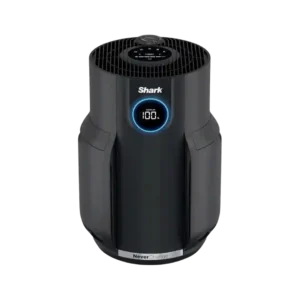
Power consumption is low in expert testing, supporting inexpensive continuous use.
Pros: auto mode performance, room coverage
Cons: aromatherapy feature, handle design
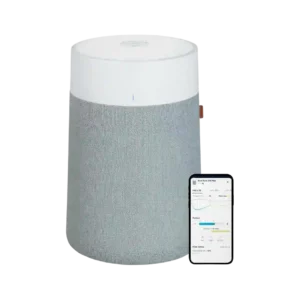
Power consumption evidence was strongly positive, with low wattage and low annual or monthly electricity costs repeatedly noted.
Pros: noise level, air purification performance
Cons: activated carbon filter, ozone-free operation
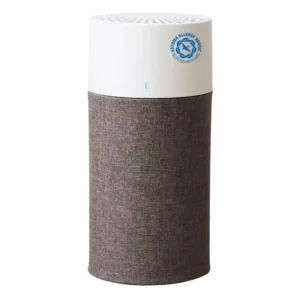
Power consumption was generally seen as low or efficient, with only operating costs affected by filter pricing rather than electricity use.
Pros: air purification performance, noise level
Cons: activated carbon filter, HEPA filtration
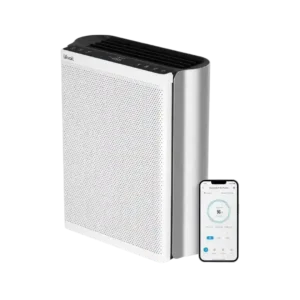
Power consumption evidence is favorable for high performance at modest wattage.
Pros: air purification performance, noise level
Cons: filter replacement cost, reliability
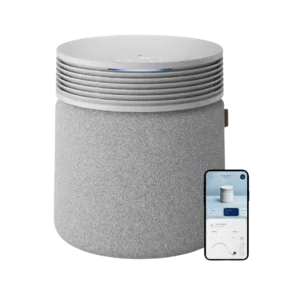
Measured power consumption was praised as modest, frugal, and a major improvement over older high-output models.
Pros: design and appearance, air purification performance
Cons: filter replacement cost
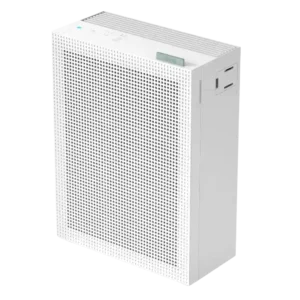
Power consumption was a clear strength, with multiple reviewers praising very low running cost or energy draw.
Pros: design and appearance, noise level
Cons: smart features, odor reduction
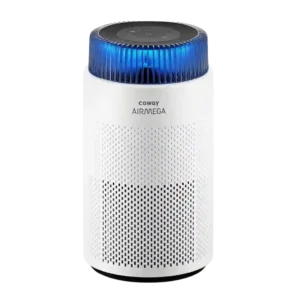
Power consumption was consistently favorable, with reviewers emphasizing very low monthly or annual operating costs.
Pros: design and appearance, air purification performance
Cons: activated carbon filter, app connectivity
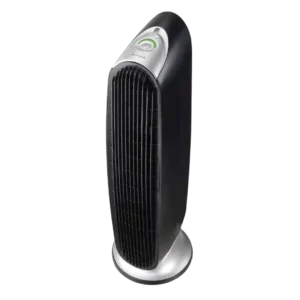
Power use is praised by owners who measured or noticed low wattage, making 24/7 operation feel reasonable.
Pros: noise level, air purification performance
Cons: initial chemical smell, particle removal effectiveness
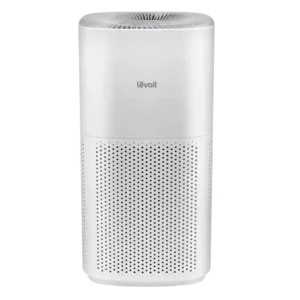
Power consumption is viewed positively for the airflow level, with low wattage in many modes.
Pros: noise level, odor reduction
Cons: filter replacement cost, size and footprint
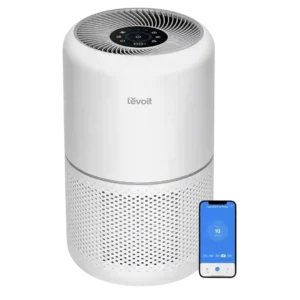
Power consumption evidence was strongly positive, with measured wattage and comparative comments showing low draw at sleep and maximum speeds.
Pros: noise level, app connectivity
Cons: VOC sensor accuracy, handle design
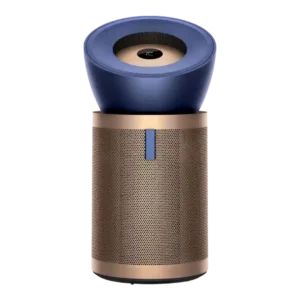
Power draw is rated positively, especially measured low and high settings relative to the Dyson’s output.
Pros: overall satisfaction, air purification performance
Cons: value for money, size and footprint
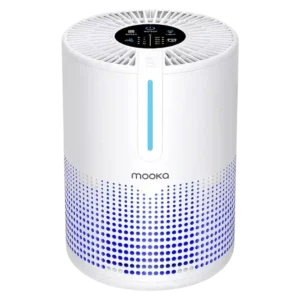
Power draw sounds manageable in the few comments that mention it. One reviewer says it uses very little power, and another did not see much impact on the electric bill.
Pros: air purification performance, noise level
Cons: power connector fit, power adapter inclusion
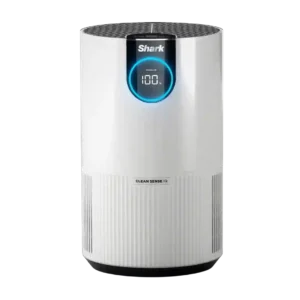
Power draw was low, though one reviewer criticized power-to-CADR efficiency.
Pros: noise level, air purification performance
Cons: air quality sensor accuracy, room coverage
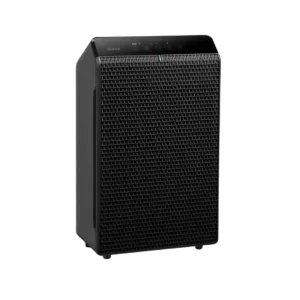
Review evidence for power consumption is mostly positive, based on opinionated comments from 2 source review(s).
Pros: pet dander removal, noise level
Cons: app connectivity, air quality sensor accuracy
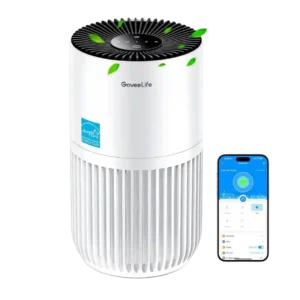
Power consumption was praised as low, with the lab review estimating a very small monthly electricity cost.
Pros: noise level, app connectivity
Cons: auto mode performance, aromatherapy feature
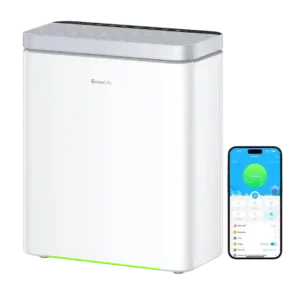
Power consumption feedback is positive but narrow, with one reviewer appreciating the setting that conserves power when the air is already clean.
Pros: air purification performance, noise level
Cons: control placement
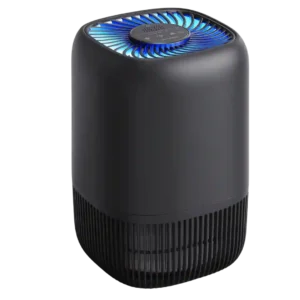
One long-term camper user described very low electricity cost over six months. Energy comments were rare, but the available report is positive.
Pros: air purification performance, noise level
Cons: filter availability, reliability
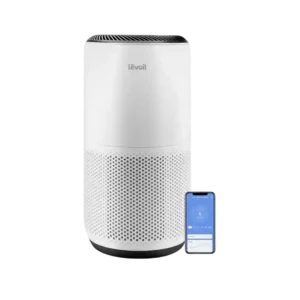
Power consumption evidence was strong, with reviewers praising low wattage and favorable CFM-to-watt ratios.
Pros: air purification performance, app connectivity
Cons: true HEPA filter, pre-filter quality
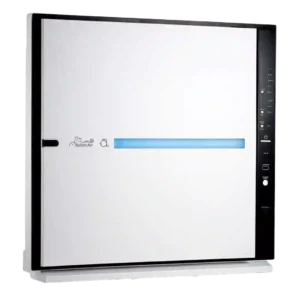
Power-consumption evidence was favorable, especially at low speed.
Pros: noise level, air purification performance
Cons: value for money, filter replacement cost
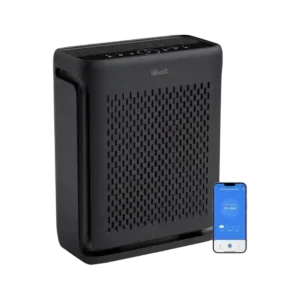
Power consumption was judged low overall, with reviewers citing modest wattage, inexpensive operation, and favorable comparisons at higher speeds.
Pros: size and footprint, noise level
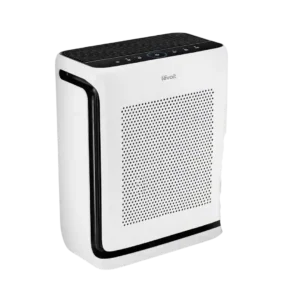
Power consumption was generally low to moderate for its airflow, though one review found it less efficient than the Core 400S.
Pros: noise level, smart features
Cons: true HEPA filter, display readability
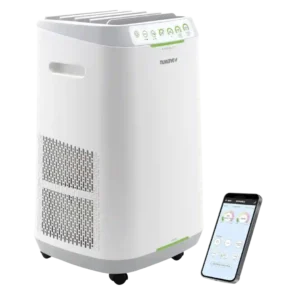
Power-use feedback is limited to one owner who says running the purifier did not create noticeable electric-bill spikes. There is not enough broader detail to judge long-term electricity cost.
Pros: overall satisfaction, air purification performance
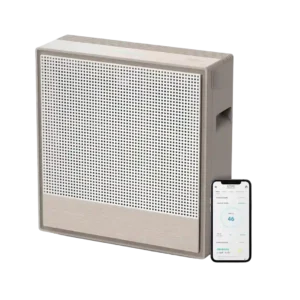
Power consumption evidence was positive, with low estimated annual costs and a more efficient fan motor noted.
Pros: air purification performance, app connectivity
Cons: size and footprint, value for money
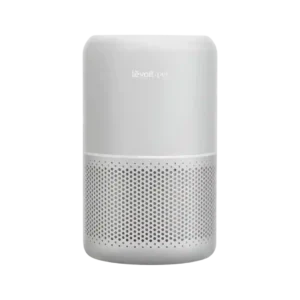
Experts measured modest power draw and described the unit as inexpensive to run. It is built for long operating hours without major energy complaints.
Pros: noise level, odor reduction
Cons: filter replacement cost, listing accuracy
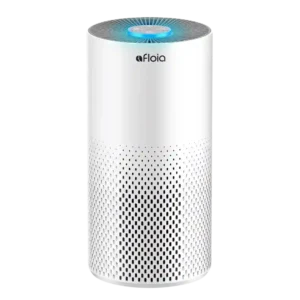
Power consumption is low enough for continuous use, and expert reviews describe the monthly electricity cost as minimal.
Pros: overall satisfaction, odor reduction
Cons: noise level, reliability
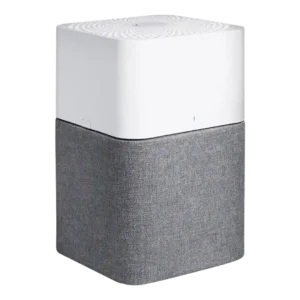
Power consumption evidence is positive, with reviewers praising low wattage and favorable electricity use versus competitors.
Pros: noise level, air purification performance
Cons: reliability, filter replacement cost
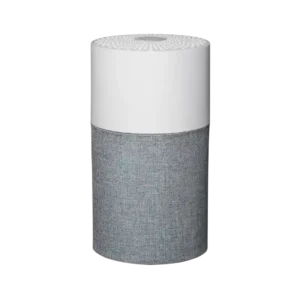
Power draw is low in expert testing and buyer comments. The tradeoff is that some users still need to manage it manually because the purifier does not adjust itself.
Pros: overall satisfaction, room coverage
Cons: app connectivity, control placement
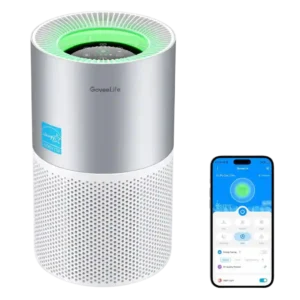
Power consumption does not get much direct detail. One reviewer thinks usage seems low, while others value automatic operation for potential electricity savings.
Pros: overall satisfaction, air purification performance
Cons: air quality sensor accuracy, reliability
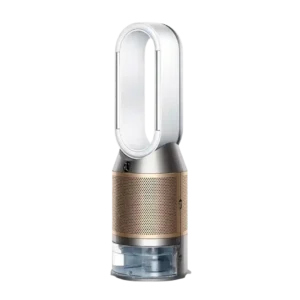
Review evidence is strongly positive.
Pros: humidification performance, air purification performance
Cons: value for money, overall satisfaction
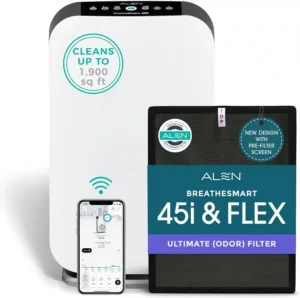
Power consumption is low in operation, with a caveat about standby draw.
Pros: overall satisfaction, air purification performance
Cons: pre-filter quality
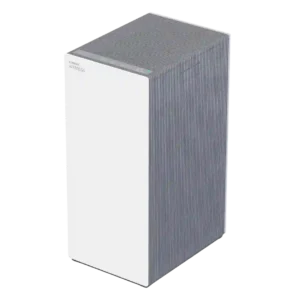
Power consumption evidence is mixed: HouseFresh and the video review praise low use for the output, while Tom’s Guide says it consumes noticeably more than peers.
Pros: air purification performance, particle removal effectiveness
Cons: size and footprint, value for money
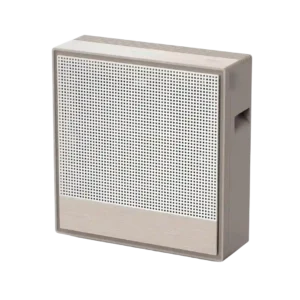
Power consumption evidence was positive where reviewers described automatic power reduction and timer-based overuse control.
Pros: maintenance ease, air purification performance
Cons: filter replacement cost
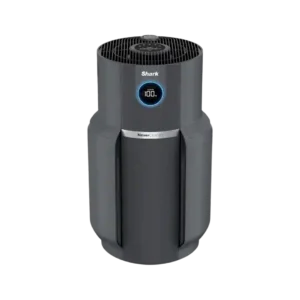
Energy comments are limited, but Auto/Eco use and one owner's electric-bill experience suggest it can run without feeling wasteful.
Pros: overall satisfaction, odor reduction
Cons: noise level, size and footprint
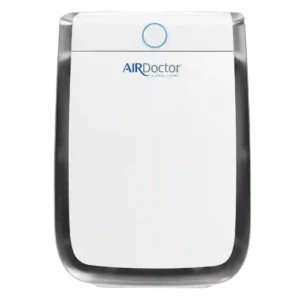
Electricity costs were described as modest compared with the filter and purchase costs. The bigger ownership expense is not power draw but replacement filters over time.
Pros: air purification performance, overall satisfaction
Cons: filter replacement cost
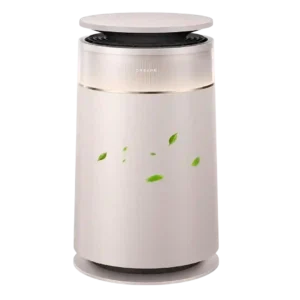
The only clear power-use note is the expert-reported full-speed draw, which positions it as a moderate appliance rather than a heavy power user.
Pros: noise level, odor reduction
Cons: size and footprint, air quality sensor accuracy
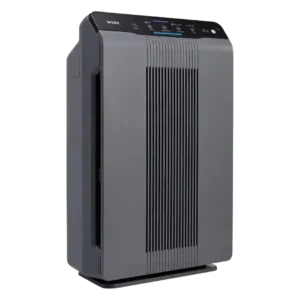
Review evidence for power consumption is represented by the listed source reviews and reflects the scored praise, criticism, or tradeoff in those transcripts.
Pros: odor reduction, allergen reduction
Cons: reliability, activated carbon filter
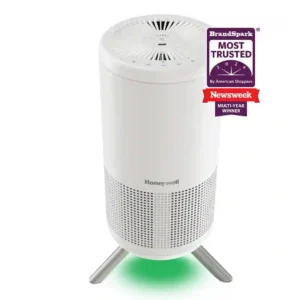
Power consumption evidence is mixed: one expert wants lower use for the CADR, while another praises the 27-watt rating.
Pros: noise level, air purification performance
Cons: CADR rating, activated carbon filter
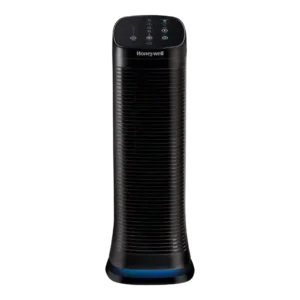
Measured power draw is low to moderate, with reviewers citing roughly light-bulb-level consumption or a modest monthly bill.
Pros: noise level, air purification performance
Cons: display readability, reliability
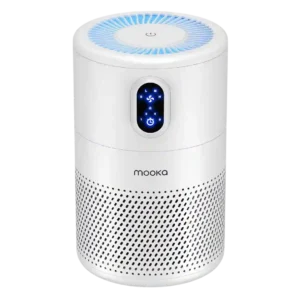
Power use is generally low, with one customer seeing no bill increase, but a failed unit made another buyer feel it was wasting electricity.
Pros: noise level, air purification performance
Cons: filter replacement cost, reliability
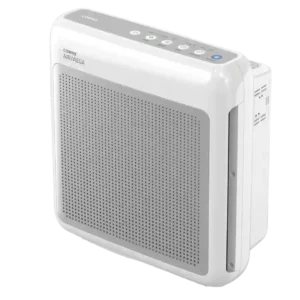
Power consumption depends heavily on fan speed, with very low draw at lower settings but a sharp jump on the highest setting.
Pros: noise level, air purification performance
Cons: portability, smart features
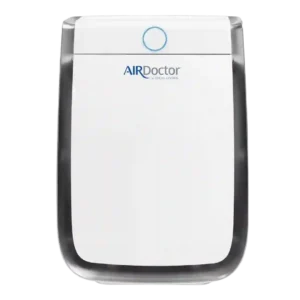
Power use is not the lowest, but expert estimates frame operating costs as manageable relative to its cleaning output.
Pros: overall satisfaction, air purification performance
Cons: filter replacement cost, reliability
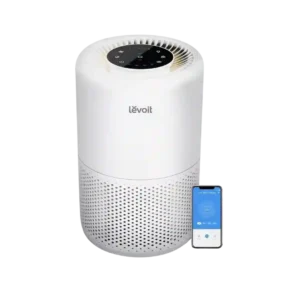
Power consumption is low in absolute terms but mixed versus competitors, with expert reviews noting modest monthly costs and one higher-than-expected sleep-mode draw.
Pros: noise level, air purification performance
Cons: auto mode performance, real-time air quality monitoring
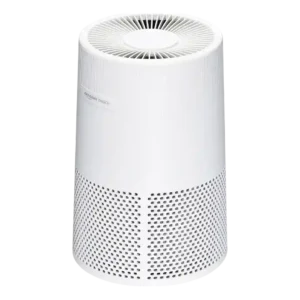
Power use looks efficient in the strongest comments, including low measured wattage and praise for covering a large area without using much power. One skeptical owner felt it was just...
Pros: air purification performance, noise level
Cons: build quality, maintenance ease