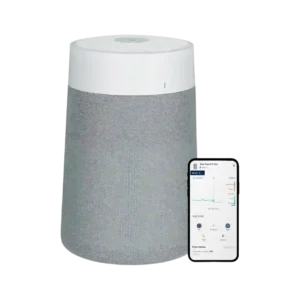
Power consumption is rated very favorably, with low wattage and low hourly or monthly cost repeatedly cited.
Pros: noise level, air purification performance

Power consumption is rated very favorably, with low wattage and low hourly or monthly cost repeatedly cited.
Pros: noise level, air purification performance
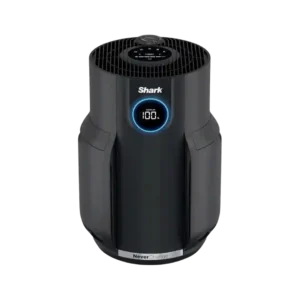
Power consumption is low in expert testing, supporting inexpensive continuous use.
Pros: auto mode performance, room coverage
Cons: aromatherapy feature, handle design
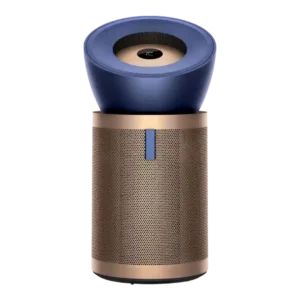
Power draw is rated positively, especially measured low and high settings relative to the Dyson’s output.
Pros: overall satisfaction, air purification performance
Cons: value for money, size and footprint
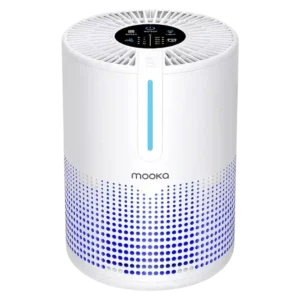
Power draw sounds manageable in the few comments that mention it. One reviewer says it uses very little power, and another did not see much impact on the electric bill.
Pros: air purification performance, noise level
Cons: power connector fit, power adapter inclusion
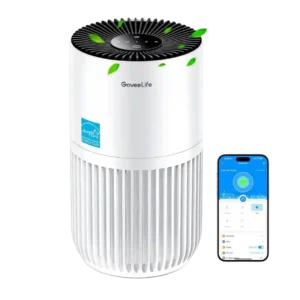
Power consumption was praised as low, with the lab review estimating a very small monthly electricity cost.
Pros: noise level, app connectivity
Cons: auto mode performance, aromatherapy feature
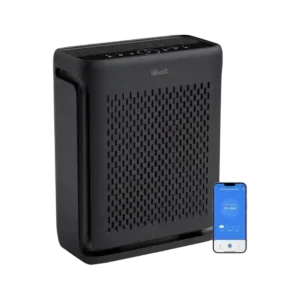
Power consumption was judged low overall, with reviewers citing modest wattage, inexpensive operation, and favorable comparisons at higher speeds.
Pros: size and footprint, noise level
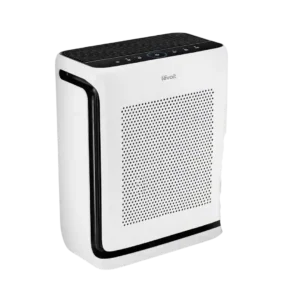
Power consumption was generally low to moderate for its airflow, though one review found it less efficient than the Core 400S.
Pros: noise level, smart features
Cons: true HEPA filter, display readability
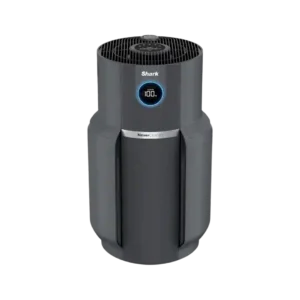
Energy comments are limited, but Auto/Eco use and one owner's electric-bill experience suggest it can run without feeling wasteful.
Pros: overall satisfaction, odor reduction
Cons: noise level, size and footprint
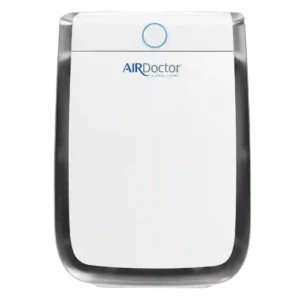
Electricity costs were described as modest compared with the filter and purchase costs. The bigger ownership expense is not power draw but replacement filters over time.
Pros: air purification performance, overall satisfaction
Cons: filter replacement cost
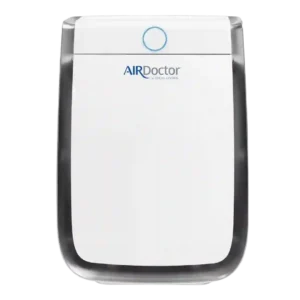
Power use is not the lowest, but expert estimates frame operating costs as manageable relative to its cleaning output.
Pros: overall satisfaction, air purification performance
Cons: filter replacement cost, reliability
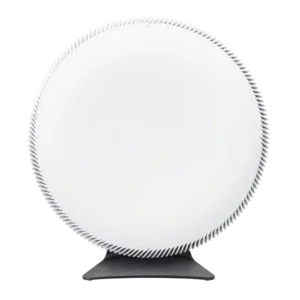
Expert testing found full-speed power draw higher than many high-CADR competitors. It is not wildly inefficient for its output, but maximum-speed use is not especially low-power.
Pros: air purification performance, value for money
Cons: size and footprint, customer support
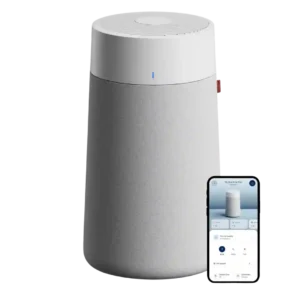
Power consumption evidence is limited and mixed, with one customer seeing a slight bill increase.
Pros: noise level, air purification performance
Cons: air quality sensor accuracy, reliability
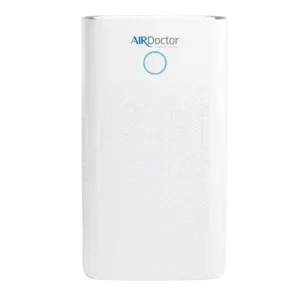
Power use drew one caution from a video reviewer, who said the unit uses more electricity than smaller AirDoctor models. The concern is modest compared with filter costs but still...
Pros: overall satisfaction, air purification performance
Cons: filter replacement cost, value for money