
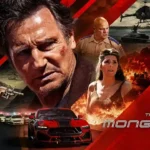
The Mongoose Feature Scores
Explore all 70 feature scores for The Mongoose, organized into pros and cons.
Scores by Feature
Summary
70 reviewed features-
Very positive 4.5-5.03 (4%)
-
Positive 3.5-4.411 (16%)
-
Neutral 2.5-3.419 (27%)
-
Negative 1.5-2.435 (50%)
-
Very negative below 1.52 (3%)
Pros
Sort
-
Real vehicles and physical driving work give the pursuit a tangible quality that many appreciate. The practical approach is a stronger selling point than the surrounding story or occasional conspicuous effects.
-
The Shelby's appearance and physical presence are major attractions in their own right. Even otherwise critical reactions can admire the car as the movie's most compelling co-star.
-
Real driving maneuvers, crashes, and helicopter work provide the movie's most dependable pleasures. The main reservations concern limited escalation and editing that sometimes hides the choreography.
-
Stella Stocker's charming delivery makes the digital concierge more personable. The voice work earns praise even when the assistant's role in the story is harder to accept.
-
Liam Neeson's rugged presence, weary authority, and occasional emotional shading keep many viewers invested. Others find the familiar persona unconvincing or insufficient to lift the script.
-
The running time of roughly an hour and forty minutes keeps the commitment modest. It can feel brisk and well contained, although the short length does not eliminate clunky storytelling or repetition.
-
Fang can be easy to root for thanks to Neeson's relaxed charisma and glimpses of his damaged past. That appeal is less convincing when the script insists on sympathy rather than earning it.
-
Wide views and shifts between aerial coverage and ground-level action can make the pursuit legible and immediate. The strongest visual praise concerns giving the cars clear surroundings and a sense of public spectacle.
-
Wide views and clear chase compositions help establish the surroundings and preserve spatial orientation. Praise focuses on making speed and vehicle choices easy to follow.
-
The comrades' willingness to protect one another gives their relationship weight. Their shared wartime experience is presented as a durable bond rather than merely a convenient rescue mechanism.
-
The familiar action-thriller formula can deliver serviceable entertainment without much invention. Success is modest and rests on accepting the movie's limited ambitions.
-
Neeson is well suited to a weary veteran whose action unfolds behind the wheel. The wartime scenes are less persuasive when older actors must pass for much younger soldiers.
-
Fang's unresolved guilt supplies the emotional thread that pays off late in the film. Carefully chosen songs and final images help give that burden a meaningful release.
-
Tomei's interactions with Fang make his continuing affection understandable. Her emotional presence gives the former couple's bond more credibility than the thin role initially promises.
Cons
Sort
-
The screenplay repeatedly draws complaints about shortcuts, clichés, heavy exposition, and thin motivations. A smaller group appreciates its straightforward pursuit structure and veteran-centered sentiment.
-
Forced car-assistant banter, clumsy military speeches, and cartoonish police lines are frequent irritants. Even sympathetic appraisals tend to credit the actors for making limited dialogue work.
-
The war and relationship flashbacks supply context but are widely criticized as awkward, cheap, or disruptive. One more favorable reading finds that these glimpses add humanity despite the untidy presentation.
-
A simple fugitive chase supplies an efficient vehicle for the driving spectacle, but often leaves the people and their decisions underwritten. The patriotic backstory rarely compensates for predictable plotting and convenient escapes.
-
Fang gains some humanity from his past, but supporting roles are frequently treated as helpers, pursuers, or exposition sources. Thin motivations and familiar archetypes limit attachment beyond the lead's screen presence.
-
The movie leans heavily on older chase pictures and Neeson's established action formula. Its digital-assistant gimmick seldom feels like enough of a fresh idea to distinguish the familiar story.
-
The physical driving sometimes feels grounded, and keeping the older hero in a car helps his credibility. Convenient technology, instant repairs, public hero worship, and an implausible ending frequently strain belief.
-
Helene is occasionally accepted as plausible chatbot technology, but more often functions as an irritating or overcapable shortcut. Forced banter and convenient solutions make the assistant a recurring weakness.
-
Visible budget limits recur in complaints about cheap war scenes, postproduction choices, and staged shortcuts. Spending on the cars and stunts is easier to appreciate than the finish around them.
-
Neeson's relaxed exchanges sometimes provide amusement, including laughter at the film's awkwardness. More commonly, forced one-liners and embarrassing banter weaken tension or fail to land.
-
Sincere intentions do not consistently connect the trauma story, comic banter, and noisy pursuit. For several appraisals, the shifts make serious material difficult to take seriously.
-
The military-service themes are frequently judged thin or underdeveloped. Good intentions do not consistently become a thoughtful account of the veteran's experience.
-
Tomei and Rhames are often considered underused, with limited chances to make their characters matter. Rhames's appeal in particular leaves one appraisal wishing he had more time on screen.
-
The repeated shifts between the chase, wartime captivity, and relationship history can make a simple story feel scattered. Delaying obvious backstory seldom creates enough uncertainty to justify the fragmentation.
-
Support for veterans gives the film an emotional purpose that some find moving. More often, its salute is criticized as artificial, superficial, or a way to excuse dangerous behavior and force sympathy.
-
The driving can be clear and energetic, but several appraisals complain that rapid cuts conceal maneuvers or make fights dizzying. Clever final images and occasional longer takes show how much better the material can play with room to breathe.
-
Neeson's weariness, Tomei's emotional work, and a late tribute can create real feeling. Much of the criticism centers on pathos that seems demanded through speeches and patriotic framing rather than earned through character.
-
A compact pursuit keeps some viewers engaged, while others feel the movie repeatedly circles the same beats. Flashback interruptions, filler calls, and limited escalation often weaken its forward drive.
-
The mix of military trauma, noisy pursuit, and comic banter struggles to hold together. Jokes repeatedly interrupt the tension or weaken the intended seriousness.
-
Frequent jumps across different periods complicate an otherwise simple pursuit. The result can feel like a hodgepodge rather than a clear progression of cause and effect.
-
Predictable developments and an outcome protected by the screenplay leave little room for surprise. The movie offers a straightforward chase rather than satisfying narrative reversals.
-
The final stretch can land emotionally through song placement and clever images. Other appraisals are frustrated by wish fulfillment, an unresolved fate, or the absence of an anticipated reunion.
-
Narrow-road overtakes and physical collisions can produce short bursts of tension. Predictable outcomes, limited scale, and jokes during danger often prevent the chase from becoming a sustained thriller.
-
The moral framing is criticized for excusing a dangerous flight from justice. Even an initially defensible killing does not justify endangering others throughout the escape.
-
One strongly negative appraisal finds the movie unrewarding even as free entertainment. The time commitment is considered poor value regardless of admission price.
-
The look is sometimes too desaturated, disconnected, or clean to support the intended grit. War montages and scenes that appear physically separated are particular distractions.
-
Major Pope's exaggerated hostility is either an entertaining source of bristling authority or a bland caricature. Even a favorable appraisal finds that the promised rivalry does not pay off strongly enough.
-
The televised pursuit can be a clever way to make the stakes public and immediate. More often, the news coverage feels like exposition or implausible hero-building that tells viewers whom to support.
-
Loyalty between former soldiers and help from fellow veterans supply warmth and, for some, genuine impact. Others find this brotherhood corny, underdeveloped, or used to justify a reckless escape.
-
A portrait identified as AI slop is singled out as ludicrous. The conspicuous image makes the postproduction feel careless.
-
The supplied reception roundup describes a sharply negative critical response. Its quoted comparisons place the film among the weaker entries in Neeson's recent action run.
-
The war flashbacks struggle to work as drama when the younger versions of the soldiers are visibly unconvincing. Good intentions do not overcome the artificial presentation.
-
The beard and bad dye job in the war flashbacks fail to sell the younger appearance. The styling adds to the backstory's awkwardness.
-
The Australian landscapes do not convincingly pass for the American locations in one sharply critical appraisal. Visible differences in vegetation undermine the cross-country setting.
-
The silly action framework makes the treatment of wartime trauma hard to take seriously. The subject calls for more sincerity than this appraisal finds in the presentation.
-
Laura Coates's news-anchor appearance offers a useful running explanation for one appraisal. Others find it awkward, redundant, or damaging to the sense of journalistic credibility.
-
Brief, obvious digital shots interrupt otherwise physical action. Their visibility makes the illusion less convincing even when most of the stunt work holds up.
-
Enjoyment depends heavily on tolerance for a silly, thinly written star vehicle. Some find an easy rental or an affectionately remembered diversion; others find the weak script and repetitive action too draining.
-
The mix of physical and digital action can work effectively, but conspicuous shortcuts break the illusion. Cheap-looking helicopter staging and unconvincing younger appearances are notable weak spots.
-
The veteran and law-enforcement sentiment can feel propagandistic. Heavy emotional persuasion crowds out the more effective storytelling this appraisal wanted.
-
The manhunt's underlying stakes seem thinner as the pursuit continues. Unfinished threads and scant context keep successive escapes from becoming more meaningful.
-
The repeated car demonstrations can resemble a rigorous test drive more than a dynamic action sequence. The showcase loses appeal when the maneuvers stop adding variety.
-
One enthusiastic account finds warm, lived-in trust among the veteran cast. Other reactions find the exchanges overdone or the performers too separated to build a convincing dynamic.
-
For one mixed appraisal, the movie leaves a surprisingly fond impression despite its flaws. Its peculiar entertainment value lasts longer than that of some technically better films.
-
The recommendation extends only to a possible single viewing for car enthusiasts. The reviewer offers little reason to return after the driving spectacle has been seen.
-
Some replacement dialogue sounds awkward. The noticeable ADR is one of the small production shortcuts that breaks the polish.
-
The supporting personalities can reinforce the military-comrade premise, but the cast does not always feel integrated. Keeping actors physically separated limits how much their shared presence adds.
-
Well-timed songs help the ending for one appraisal, while others question imitation covers or music that turns danger into a joke. The selections can either add feeling or aggravate the tonal mismatch.
-
Wartime trauma gives Fang a potentially meaningful inner conflict, but its handling is uneven. Thoughtful moments compete with an implausible action framework and sentiment that can feel insufficiently sincere.
-
The portrayal of wartime trauma divides opinion: some find a thoughtful, understandable human motive beneath the chase. Others feel the silly action, cheerful disposition, and manipulative sentiment trivialize a serious condition.
-
Experienced performers can lend the thin material warmth and professionalism, but reactions range from practiced competence to visible disengagement. Marisa Tomei is a recurring exception to complaints about a cast coasting through weak roles.
-
The former soldiers' willingness to protect one another can make their teamwork meaningful. A contrasting appraisal objects that their help enables a reckless, dangerous escape.
-
Marisa Tomei often extracts feeling from limited material, while Michael Chiklis's bluster divides opinion. Ving Rhames and the wider ensemble receive both appreciation for familiar presence and criticism for flat delivery or underuse.
-
The clearest appeal is to devoted Neeson followers and viewers happy with straightforward car-chase entertainment. Broader recommendations are cautious because the story and dialogue offer less to enjoy.
-
The staging often benefits from a stunt professional's grasp of physical action. Assessments become less favorable around repetitive set pieces, uneven tone, and the effort to give the chase emotional meaning.
-
Practical car chases are the clearest attraction, with sharp turns, flips, collisions, and a helicopter set piece earning frequent praise. Others find the action repetitive, too modest, or cut too tightly to generate sustained excitement.
Use Cases
Best for
Sort
-
Fast-car enthusiasts have the clearest reason to watch: practical driving, flips, collisions, and the Shelby itself. Thin storytelling and disputed editing make the recommendation strongest for viewers focused on the vehicles.
-
Streaming or renting is a natural fit for this modest B-movie diversion. Its familiar star and driving spectacle offer a low-commitment watch without making it an essential event.
-
The movie works best as an uncomplicated pursuit with a familiar star behind the wheel. It suits viewers happy to relax their demands for depth and follow the spectacle.
-
The high-octane B-movie formula suits the throwback pleasures of a drive-in. Its appeal lies in cars and physical stunts rather than sophisticated plotting.
-
An indulgent mood can turn the film's awkwardness into some amusement. The enjoyment remains qualified, falling short of a wholehearted so-bad-it-is-good endorsement.
Conditional or not ideal for
Sort
-
Realism-focused viewingViewers who need believable decisions and consequences are unlikely to enjoy the ride. The chase asks for substantial acceptance of an implausible story.
-
Character-focused viewingViewers seeking well-earned emotional drama have little reason to prioritize this film. Its strongest appeal lies in tire noise and crashes, while prominent supporting performers are underused.
-
Theater viewingThe movie is considered a solid rental rather than an essential theatrical event. Its modest ambitions do not create a strong need to see it in a cinema.
-
Action-fan viewingFans seeking a brisk, uncomplicated action ride may appreciate the practical driving. A harsher appraisal finds the stunt work too weak to deliver even basic action satisfaction.
-
Thriller fan viewingThe pursuit can satisfy a demand for a no-frills, fast-moving thriller. Viewers seeking elaborate plotting, surprises, or a compelling crime story are less likely to be satisfied.
-
Liam Neeson fan viewingLoyal Neeson fans have his familiar authority, weariness, and driving-led action to enjoy. The recommendation becomes conditional for anyone expecting a reinvention or a strong screenplay.
Cast & Creators
-
HeleneStocker gives Helene a charming vocal presence. Her voice work can add personality even when the digital companion is limited to a supporting device.
-
Ryan Fang FlanaganNeeson often supplies the film's human center through rugged charisma, weariness, and emotional weight. Dissenting reactions find him lost, physically unconvincing, or disengaged in a familiar role.
-
TaraTomei frequently creates genuine feeling from a small, thankless role, with several appraisals naming her the strongest performer. Others find her merely serviceable, wasted, or unusually unconvincing.
-
DirectorVanselow's stunt background often pays off in physical, well-staged driving action. The debut draws sharper criticism when repetitive set pieces, clumsy drama, and uneven tone overwhelm that practical skill.
-
Major Walter PopeChiklis can make Pope an appealingly committed, bristling obstacle. His exaggerated scowling and derivative tough-cop routine also strike some as strained or poorly served by the dialogue.
-
MunchThomas's supporting performance is criticized as jarringly imprecise. His work does not give the military-comrade material the assurance it needs in that appraisal.
-
TankerRhames's familiar presence and magnetic ease appeal to some, but he is repeatedly underused. Several harsher reactions criticize imprecise or labored delivery.
-
HerselfCoates's news-anchor appearance divides opinion between useful explanation and awkward, redundant narration. The cameo can make the film's insistence on public sympathy feel more obvious.
-
WriterEvans's screenplay is most often faulted for clunky dialogue, convenient plotting, shallow characters, and forced sentiment. A distinctly favorable appraisal applauds the script's straightforward action and military solidarity.