
Samsung Galaxy Buds 4 Feature Scores
Explore all 56 feature scores for Samsung Galaxy Buds 4, organized into pros and cons.
Scores by Feature
Summary
56 reviewed features-
Very positive 4.5-5.011 (20%)
-
Positive 3.5-4.421 (38%)
-
Neutral 2.5-3.410 (18%)
-
Negative 1.5-2.411 (20%)
-
Very negative below 1.53 (5%)
Pros
Sort
-
Setup is one of the most consistent strengths. Galaxy pairing is usually immediate and seamless, while even Pixel and other Android users report quick, straightforward connection.
-
Android use is a clear strength, especially on Galaxy phones where pairing and settings feel deeply integrated. Non-Samsung Android phones generally work well too, but some premium features remain Galaxy-only.
-
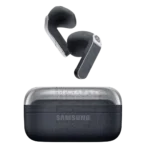
The revised Buds 4 design gets strong marks for looking cleaner, sleeker, and more premium than the previous generation. The brushed-metal styling and simplified stems are recurring visual highlights.
-
The 9-band custom EQ and multiple presets provide unusually broad tuning flexibility for the standard model. Reviewers consistently appreciate having meaningful sound adjustment without stepping up to the Pro.
-
The flatter clamshell case is widely praised for easier insertion, visibility, and a premium feel. A few users found it bulky, hard to pry open, or unusually tight, but the redesign is mostly well received.
-
Sound is one of the strongest parts of the Buds 4, with frequent praise for clarity, detail, vocals, and overall richness. The catch is fit: when the buds loosen, bass and balance can deteriorate sharply.
-
Background-noise rejection is usually a strong point, with several tests showing voices staying clear through traffic, crowds, white noise, or loud music. A smaller number of users reported poor noise handling during calls.
-
Galaxy-exclusive UHQ playback is a genuine audio advantage: testers heard a more expansive presentation and a clear benefit from 24-bit/96kHz playback on compatible Samsung devices.
-
Head gestures are generally considered a useful hands-free addition for answering or declining calls and handling prompts. Reviewers who tested them found the feature effective and convenient.
-
Charging is generally convenient and reliable, with wireless charging and reasonably quick top-ups earning praise. Minor complaints include the lack of an audible charging confirmation.
-
Samsung's SSC/UHQ codec support is one of the stronger ecosystem perks, delivering high-quality 24-bit/96kHz playback that reviewers say can make an audible difference.
-
The software offers extensive control over ANC, EQ, gestures, and other features. Most impressions are positive, although one reviewer disliked the Wearable app's heavy permission requests and another noticed a wrong Buds icon.
-
Vocals and midrange detail are generally clear and well presented when the buds sit properly. In noisier real-world use, the open fit can let outside sound mask the mids.
-
Treble is often crisp, lively, and detailed, but the brighter upper range can become shrill for sensitive listeners and may sound thinner at very high volume.
-
Hands-free voice controls and assistant access are useful for playback, messages, and phone tasks. Recognition can struggle in very loud environments, but the feature is broadly convenient.
-
Complex mixes remain clean and layered when the buds are seated well, with vocals and instruments staying distinct instead of collapsing into each other.
-
The earbuds are exceptionally light, and that low weight helps them sit without much strain during longer listening sessions.
-
Ambient Sound is generally welcomed as a practical addition for awareness outdoors and quick conversations. One user found the transparency effect noticeably amplified rather than fully natural.
-
Controls can be responsive, tactile, and easy to customize, but usability varies. Some users find the pinch-and-swipe system awkward, easy to trigger accidentally, or likely to disturb the already fragile fit.
-
Call quality is mixed. Many reviewers heard crisp, clear speech and strong pickup, but others found voices muffled, too quiet, inconsistent, or badly degraded after a few months.
-
Bluetooth 6.1 brings good range and stability in several expert tests, and Galaxy pairing is usually smooth. Customer experiences are less consistent, with reports of slow reconnection, short range, dropouts, and repeated disconnects.
-
Day-to-day use on a Galaxy phone showed no noticeable latency problems, making video playback and ordinary media use feel properly synchronized.
-
The built-in microphone system can perform extremely well, with clear voice pickup and strong overall microphone performance in demanding use.
-
Galaxy-to-Galaxy Auto Switch can be excellent and nearly instant, but true cross-platform Bluetooth multipoint is missing. Users moving between Samsung and non-Samsung devices may need manual switching.
-
Auracast is viewed as a useful forward-looking feature that can tap into compatible public or shared Bluetooth LE audio broadcasts as adoption grows.
-
Samsung Seamless Codec can provide near-lossless wireless playback on compatible Galaxy devices, giving Samsung users a higher-quality audio path than standard Bluetooth modes.
-
Spatial audio divides opinion. One user calls it genuinely cool, while another avoids it because upmixing can warp music, making its value highly preference-dependent.
-
When seated correctly, the Buds 4 reproduce timbre reasonably well and present a balanced consumer-friendly tuning. Fit instability is the main factor that can disturb that consistency.
-
The unopened package arrived neatly presented, giving one buyer a positive first impression before using the product.
-
The Smooth preset is specifically recommended for listeners who find the upper treble too sharp, giving the built-in presets practical value beyond simple novelty.
-
Translation performance is inconsistent: one tester found Korean back-and-forth surprisingly smooth, while another said normal-speed speech was not reliable enough. It looks useful, but not dependable for every conversation.
-
Samsung Find offers useful location tools and proximity guidance, but the case lacks its own speaker, which makes audible finding less convenient than it could be.
Cons
Sort
-
The lack of built-in silicone tips or meaningful size adjustment is a major weakness. Buyers with a poor fit have little way to improve grip, seal, or stability without aftermarket add-ons.
-
Stability is the dominant complaint. Dozens of buyers report slipping, loosening, or outright falls during walking, chewing, exercise, or even sitting still, although a minority say the buds stay secure in their ears.
-
Fit is highly polarizing but skews strongly negative. A minority find the open shape comfortable and secure, while many others cannot keep the buds properly seated even during ordinary movement.
-
Passive isolation is inherently weak because the buds do not seal the ear canal. External sound leaks in easily, which also makes ANC and bass performance more dependent on positioning.
-
The box feels sparse for the price. Multiple reviewers objected to the missing charging cable, and one also wanted basic printed guidance or a direct setup link.
-
Support experiences after early failures were extremely poor in the two customer reports: both describe getting little useful help, including a disputed warranty and an unresolved serial-number issue.
-
Value is contentious. Galaxy-focused features and strong sound justify the price for some, but many buyers say the poor fit, modest battery, or weak ANC makes cheaper or Pro alternatives a smarter purchase.
-
Loudness varies sharply by user and fit. Some testers find plenty of output, while many customers report the Buds 4 as unusually quiet or developing very low output in one ear.
-
The move from IP57 on the prior generation to IP54 is consistently viewed as a downgrade. It still covers sweat and splashes, but offers less protection for rain, workouts, and water exposure.
-
The transparent case lid looks good but attracts fingerprints and scratches very quickly, so keeping it clean and pristine takes extra care.
-
Headwear can aggravate the already loose open fit: hoodies may knock the buds out, and a thick winter hat can interfere with microphone placement.
-
ANC is the biggest technical compromise of the open design. Many testers and buyers found it weak or unstable without a seal, though several users reported strong noise reduction when the buds stayed seated well.
-
Wear detection can become unreliable when the earbuds shift, occasionally making the system think a bud is no longer seated and dropping ANC in that ear.
-
Spatial depth is limited by the unsealed design, and reviewers caution against expecting a strongly three-dimensional or immersive presentation.
-
Very high volume can hurt tonal balance. Reviewers heard bass recede and upper frequencies become noticeably thinner or tinnier near the top of the volume range.
-
The buds can handle basic use across different devices, but the experience is much richer on Samsung hardware. Several advanced audio, assistant, and switching features are unavailable or less capable elsewhere.
-
The retained physical case button is welcome, but button placement is not universally easy. Reviewers with dexterity limitations and some other users found the small or side-mounted controls difficult to activate.
-
Battery life is one of the more common complaints. Around five to six hours is often described as merely adequate or disappointing, and some buyers reported much shorter runtimes, although a smaller group found endurance very good.
-
Width is inconsistent: UHQ playback can sound impressively expansive, but broader testing finds the unsealed design limits convincing spatial width when fit is less than ideal.
-
The compact case can disappear easily into a pocket for some users, but one buyer found the newer case noticeably larger and no longer comfortably pocketable.
-
Overall reactions are split: strong sound, easy Galaxy pairing, premium styling, and useful smart features earn real praise, but the open fit creates enough stability, ANC, and consistency problems to ruin the experience for many buyers.
-
Bass can be punchy, deep, and even surprisingly powerful when the fit is right, but it is highly seal-dependent. Several reviewers heard the low end thin out, turn muddy, or fade as the buds shifted.
-
The buds often feel solid, premium, and capable of surviving drops, but long-term reliability is uneven. Multiple customers reported buzzing, weak output, microphone degradation, or complete failure within a few months.
-
Comfort depends heavily on ear shape. The light, tipless design is excellent for some people and works well for long sessions, while others report pressure, irritation, or pain within minutes.