
Focker In-Law Feature Scores
Overall Scorata score: 2.8/5
Based on 38 analyzed reviews · View source samples
Explore all 59 feature scores for Focker In-Law, organized into pros and cons.
Scores by Feature
Summary
59 reviewed features-
Very positive 4.5-5.03 (5%)
-
Positive 3.5-4.412 (20%)
-
Neutral 2.5-3.418 (31%)
-
Negative 1.5-2.420 (34%)
-
Very negative below 1.56 (10%)
Pros
Sort
-
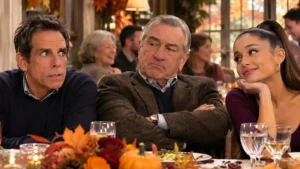
Grande’s precise timing and De Niro’s delayed reactions frequently earn praise, even when the surrounding jokes disappoint.
-
Grande’s fresh comic presence stands out, while Stiller and De Niro receive divided reactions for their familiar performances.
-
The established Stiller–De Niro partnership and Grande’s sparring with both men are often the film’s strongest comic assets. Not everyone finds the newer pairing as funny or natural.
-
Feldstein, Gisondo, Franco and the flight attendants bring welcome comic energy, but the crowded supporting cast is frequently underused.
-
The familiar family, callbacks and early-2000s comedy style are comforting to fans, but can also feel like an overt appeal to nostalgia.
-
Grande and the younger Focker generation generally fit their parts, with Gisondo and Feldstein earning praise. A few find the adult children unconvincing as members of this particular family.
-
Making Greg the suspicious future father-in-law is a promising generational twist. Some find it genuinely fresh, while others feel the film reverts to the old dynamic.
-
The changing parent-child relationships and rivalry between Greg and Olivia provide a promising comic foundation, though the exaggerated dysfunction can be off-putting.
-
The film’s strongest underlying lesson concerns accepting adult children’s independence and learning to let go.
-
Hamburg handles familiar comic dynamics competently for some and builds effective escalation in selected scenes. Others find the direction uninspired or overly dependent on old formulas.
-
The parenting story and sincere family moments add heart for some viewers, while others find the film too slick and emotionally hollow.
-
One late twist is praised for changing how viewers see the wider franchise.
-
The playful musical score complements the awkward comic pauses and reactions.
-
The final scenes deliver a surprisingly warm and sentimental payoff despite the exaggerated comedy.
-
The film moves from gag to gag quickly; opinions range from brisk and tight to overly hurried.
Cons
Sort
-
Pam, Dina, Samantha and other supporting players often have little to do, and even Jack and Olivia can feel underserved.
-
The polygraph, cat, family rivalry and recurring humiliations are repeatedly revisited. Most critics find the callbacks excessive rather than fresh.
-
Greg’s self-inflicted misunderstandings and attempts to derail his son’s proposal often feel contrived, undermining the sympathy he once inspired.
-
The outlandish set pieces and artificial conflicts often undermine the original film’s recognizable family awkwardness.
-
A minority welcome another reunion and the role-reversal premise, but many see the fourth installment as unnecessary after years of diminishing returns.
-
Jack’s mellowing offers a change, but Greg often seems to have forgotten the lessons of the earlier films. Henry and Olivia also draw criticism for lacking dimension or meaningful growth.
-
The airplane misunderstanding is widely criticized as contrived, prolonged or unfunny. The artificial-looking opening photos also draw criticism.
-
The jokes frequently telegraph their punchlines, revisiting familiar mishaps rather than surprising the audience.
-
The screenplay occasionally delivers effective gags and relatable family observations, but repeated jokes, forced conflicts and thin characterization are recurring complaints.
-
The large ensemble supplies comic talent but often gives too little space to established family members, while side characters crowd the story.
-
The prolonged misunderstandings and humiliations are funny to fans of uncomfortable comedy, but many find Greg’s behavior more unpleasant than amusing.
-
Olivia’s confidence and Jack’s deadpan authority are appealing, but Greg’s escalating interference makes him difficult to root for. Some still find his anxiety sympathetic.
-
Jokes built around male insecurity, nursing and awkward same-sex situations strike several critics as dated or mean-spirited.
-
The opening photos look artificial to one critic, and the polished studio look generally lacks visual distinction.
-
The gross-out and humiliating gags are often judged unpleasant or groan-worthy, although one critic appreciates the relative restraint compared with earlier sequels.
-
Outside a few comic highlights, some critics find the film forgettable and unlikely to leave a lasting impression.
-
The tease of meeting another set of parents excites a few fans but strikes several critics as an unwelcome promise of further repetition.
-
The recurring Gaylord Focker jokes are increasingly stale or uncomfortable for some; a gentler use of the name feels affectionate to another.
-
The happy resolution is difficult to accept for a critic who feels Greg’s sabotage goes too far to deserve forgiveness.
-
Except for Olivia, the women are relegated to minor supporting roles, with little room for their own comic contributions.
-
Conspicuous Peloton placement is singled out as distracting.
-
The reversed in-law premise and parenting anxieties offer potential, but thin plotting and manufactured conflicts frequently squander it.
-
The polished, affluent interiors and standardized studio aesthetic can feel sterile rather than distinctive or lived-in.
-
One critic sees the reunion as an easy paycheck rather than a compelling creative reason to revisit the series.
-
Henry’s medical-school decision fails to create convincing emotional stakes for a critic who finds the character bland.
-
Some find the reunion charming and genuinely funny, while many find it tedious, stale or outright unpleasant. Enjoyment depends heavily on tolerance for the familiar formula.
-
Grande’s deadpan delivery, Jack’s reactions and the awkward serenade deliver real laughs for some. Many others find the humiliation-based gags predictable, labored or mean.
-
Bike races, animal encounters and escalating mishaps generate laughs for some, while others find the physical comedy cartoonish and worn out.
-
One particularly funny serenade is cut short, limiting the payoff of a rare standout gag.
-
The unusual single-hyphen spelling is noted as grammatically awkward.
-
The new generation and Grande’s arrival offer a fresh angle, but many critics find the movie overly dependent on recycled jokes and old plot beats.
-
Greg’s struggle to let his grown children go supplies a relatable premise for some, but his manipulative and intrusive actions alienate others.
-
The ending is sentimental and satisfying to some, with a final laugh; others feel Greg’s behavior makes the reconciliation unearned.
-
The tennis-star appearance feels like an unexpected, somewhat random diversion.
-
The conflict between the older and younger generations has comic potential, but one critic wanted a sharper exploration of those tensions.
-
At 105 minutes, the comedy feels somewhat stretched to one critic.
-
The story has a recognizable structure, yet many scenes feel like disconnected or deliberately arranged comic set pieces.
-
Honesty, parenting and letting go give the comedy some substance, but a number of critics wanted more meaningful exploration of the changing family relationships.
-
Henry and Olivia’s relationship feels sweet and authentic to some, but others cannot understand what the accomplished Olivia sees in such a passive partner.
-
Tight reaction shots help stretch awkward pauses for comic effect, although another critic finds the overall look unremarkable.
-
Grande helps keep broad comedy believable for one critic, but another finds the film’s blandness at odds with its sharper comic ambitions.
-
Greg’s misplaced serenade to Jack is a standout comic moment for several critics, but others find the awkward singing painfully unfunny.
-
The German shepherd and returning cat gag yield several memorable slapstick moments, though the recycled animal mayhem also wears thin.
-
The committed cast can carry even familiar jokes, with Grande singled out as a bright spot. Opinions divide on whether the returning leads are engaged or merely going through the motions.
Use Cases
Best for
Sort
-
Longtime fans who still enjoy the original family rivalries and callbacks are the likeliest to have fun; expectations of fresh material should stay modest.
-
The familiar comedy can be enjoyable in a theater with an engaged audience, particularly for established fans.
-
The family-reunion hijinks offer a seasonal comedy option for franchise fans and viewers looking for light holiday entertainment.
-
One critic finds the silly comedy accessible to newcomers, while another suggests watching the earlier trilogy or waiting for streaming first.
-
A shared audience can amplify the awkward pauses, escalating disasters and laughter for viewers who appreciate theatrical comedy.
-
The lesson about accepting adult children’s choices resonates with a parent thinking ahead to that stage of life.
-
Predictable dad jokes and low-stakes chuckles make this an easy, undemanding watch when expectations are modest.
-
One critic finds the sequel enjoyable enough for a holiday family gathering, though its awkward adult humor remains central to the film.
Conditional or not ideal for
Sort
-
Cringe-comedy viewingViewers who enjoy awkward family misunderstandings and humiliation may find the familiar formula entertaining, but it is a poor fit for those who dislike cringe comedy.
-
Sophisticated-comedy viewingThe broad, predictable cringe comedy is not a strong choice for viewers seeking cerebral wit or biting satire.
-
Comedy-fan viewingThe familiar humiliation-driven humor suits viewers who already enjoy the franchise’s style; it is unlikely to win over those who found the earlier films excruciating.
Cast & Creators
-
Olivia JonesGrande’s poised, deadpan delivery and sudden shifts from sweetness to steeliness repeatedly lift the comedy. A few critics wanted more material or found her chemistry with Stiller less convincing.
-
JackDe Niro’s glares, pauses and deadpan reactions remain a source of laughs, especially opposite Stiller. Others find his familiar mugging tired or his softened patriarch too peripheral.
-
GregStiller’s nervous energy and physical commitment still work for some, but others find his increasingly selfish Greg grating and his shtick exhausted.
-
DirectorHamburg is credited with understanding the family dynamics and occasionally finding new laughs, but many fault his script for contrived humiliation, repeated gags and regressed characters.
-
Eduardo VillalobosFranco’s offbeat delivery and goofy energy produce welcome laughs for many, although his thinly written role sometimes feels like extra clutter.
-
Henry FockerGisondo’s sincere, meek delivery fits the conflict-averse Henry, and his scenes with Stiller can be affecting. The character’s limited independence leaves him with less to work with.
-
SamanthaFeldstein brings directness and likable comic energy to Samantha, with especially enthusiastic reactions to her work alongside Franco. Her limited material is a recurring frustration.
-
KevinWilson’s laid-back delivery and familiar smarm earn laughs for several critics; others feel the return of Kevin is obligatory or underenergized.
-
ActorEscola’s committed, strict flight-attendant routine is an early comic highlight, particularly the awkward pat-down.
-
ActorRocha’s exasperated flight-attendant routine contributes to the comic misunderstanding on the plane.
-
ActorDanner’s return feels perfunctory to one critic, with little energy or material to distinguish it.
-
ActorPolo’s return strikes one critic as a perfunctory appearance rather than a committed comic turn.