
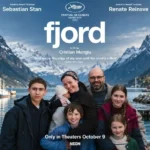
Fjord Feature Scores
Explore all 53 feature scores for Fjord, organized into pros and cons.
Scores by Feature
Summary
53 reviewed features-
Very positive 4.5-5.015 (28%)
-
Positive 3.5-4.416 (30%)
-
Neutral 2.5-3.413 (25%)
-
Negative 1.5-2.47 (13%)
-
Very negative below 1.52 (4%)
Pros
Sort
-
The cast gives the legal ordeal much of its credibility, with restrained anger and grief doing more than overt outbursts. The lead work earns broad praise even from strongly negative assessments of the film.
-
The restrained lead performances are the film’s most consistent strength. Small physical details and controlled sorrow make the parents persuasive even when the surrounding story disappoints.
-
The fjord, mountains, and luminous courtroom are repeatedly praised for their beauty. Wide compositions also turn the open landscape into a source of confinement and threat.
-
The family’s separation and legal fight can be riveting and devastating. Dissenters find the drama too manipulative, emotionally remote, or compelling only once it reaches the courtroom.
-
Careful blocking, wide shots, and sustained takes encourage viewers to reconsider relationships as scenes unfold. The Norwegian flag and enclosing landscapes give institutional pressure a visible presence.
-
Quiet dread, selective disclosure, and the threat of permanent family separation sustain a strong slow burn. Not everyone finds the legal conflict equally thrilling.
-
Mungiu’s controlled staging and observational long takes receive substantial admiration. The main reservation concerns whether his selective framing allows a fair moral inquiry or quietly predetermines the answer.
-
The marriage and children’s bonds give the ideological clash personal stakes. Quiet affection, broken intimacy, and maternal anguish make the family believable even when its beliefs remain uncomfortable.
-
Carlehed and Lund-Olsen earn standout notices, and the young ensemble can convincingly convey disruption and vulnerability. One assessment finds the children within the central family wooden and stiff.
-
Even several qualified assessments find the film involving and thought-provoking. Enthusiastic responses call it thoroughly satisfying, while its rewards depend heavily on engagement with the debate.
-
The teenagers’ friendship offers reciprocal curiosity, acceptance, and relief from adult dogma. Their bond is repeatedly seen as one of the film’s more hopeful and affecting elements.
-
The cool blues, snowy landscape, and muted presentation are widely admired for their beauty and restraint. For some viewers the same aesthetic becomes oppressively gloomy.
-
Stan and Reinsve communicate a convincing marriage through small gestures, glances, and shifting physical distance. Their quiet responsiveness gives the family crisis weight.
-
Engrossing conversations and accumulating tension make the film fly by for many viewers. Others feel the long setup, unnecessary subplots, and eventual rush to the finish.
-
Restrained moments of maternal loss provide some of the most affecting scenes. The broader experience divides viewers between powerful devastation and emotional distance.
-
Questions of parenting, tolerance, institutional power, and rigid belief keep the film in viewers’ minds. Opinion divides over whether those ideas are deeply explored or presented with too little genuine moral difficulty.
-
The lengthy runtime feels surprisingly brief when the conversations hold attention. Less engaged viewers find it tiring and would welcome a substantially shorter cut.
-
The family’s nightmare supports a gripping moral dilemma for admirers. Critics find that the expanding legal and ideological conflict sacrifices character insight and credible balance.
-
Beautiful, icy surroundings and quiet confrontations create sustained unease. That restraint feels gripping to some and airless or alienating to others.
-
Stan’s Romanian-accented speech is praised as naturally absorbed into Mihai rather than a conspicuous performance detail.
-
The spectacular courtroom and contrast between warm interiors and icy scenery add considerable visual appeal.
-
The ending and early visual details give several viewers a strong reason to revisit the film and reconsider their first interpretation.
-
The tentative connection between Elia and Noora supplies a particularly moving thread. Its emotional possibilities offer a counterpoint to the adults’ restrictive assumptions.
-
Precisely constructed scenes and detailed arguments earn strong praise. Reservations concern conspicuous manipulation, simplified adversaries, and subplots that spread the story too thin.
-
Language differences are valued as an active part of the story, shaping misunderstandings and the family’s ability to defend itself.
-
The leads are largely admired as persuasive choices, especially Stan’s disappearance into Mihai. One dissenting assessment finds Reinsve difficult to believe as a mother of five.
-
Punctuating dark comedy gives the otherwise severe moral conflict an uneasy sting. Some readings see the exaggerated bureaucracy edging toward satire.
-
Sharp editing is credited with bringing the visual work and moral tension into a coherent whole.
-
New information repeatedly challenges early assumptions, making the moral conflict feel less settled as conversations unfold.
-
The restrained, conservative clothing helps establish the family’s beliefs and sense of separation from the surrounding community.
-
Mihai combines genuine love for his children with anger and rigid expectations. That layered portrayal resists an easy reading of him as either a saint or a simple villain.
Cons
Sort
-
The expansion into legal proceedings and public controversy can pull attention away from the children. Several assessments want more time with the younger siblings and the teenagers’ independent lives.
-
The opposing lawyer can be a potent courtroom antagonist. More critical assessments see the officials as robotic straw men that weaken the central debate.
-
The disturbing family conflict and explicit content make this a poor choice for children or younger teens.
-
Self-harm, nudity, foul language, and distressing accusations make the film unsuitable as general family entertainment.
-
Several assessments find the accusation-driven legal conflict familiar, with too little freshness to distinguish it from other contemplative dramas.
-
The understated ensemble approach can feel appropriate to the subject, but the central couple’s dominance sometimes leaves the children and supporting perspectives underdeveloped.
-
Strategic disclosures can keep earlier assumptions in flux. Complaints center on missing perspectives, confusing subplots, abrupt decisions, and strands that never receive a clear payoff.
-
A content-focused assessment criticizes the foul language as part of the material that makes careful adult viewing necessary.
-
A conservative content assessment disapproves of the nudity and related material, recommending selective adult viewing rather than unrestricted family access.
-
The content-focused criticism regards the violence and self-harm as reasons for adult caution, rather than praising their severity.
-
The serious, unresolved conflict has selective appeal. Viewers seeking clear answers or a warm connection to the characters may struggle with its chilly approach.
-
The parents’ restrictive values and opaque behavior make sympathy difficult for some viewers. Others find that challenge essential to the film’s power, while Noora offers a more accessible point of connection.
-
Character depth is one of the sharpest divides: some see revealing individuality and evolving relationships, while others find caricatured officials and too little access to the children.
-
The courtroom conflict works well for viewers drawn to intense accusations and legal maneuvering. Others find the procedural drama insufficiently thrilling or engaging outside those scenes.
-
The critical response is notably divided, with admiration for the craft alongside arguments that the moral framework is biased.
-
The performances and muted presentation often feel convincingly natural. The speed and severity of the institutional response can nevertheless seem far-fetched or satirical.
-
Long conversations can be engrossing enough to carry the lengthy runtime. The children’s English-language dialogue is criticized elsewhere as unnatural.
-
The girls’ developing bond is praised for acceptance and emotional power. Other assessments object either to queer-coded institutional villains or, from a conservative perspective, to some of the queer dialogue.
-
Faith is portrayed as both a source of communal resilience and a rigid set of restrictions. Responses split between admiration for that inquiry and criticism of apparent persecution rhetoric.
-
The Romanian-Norwegian culture clash raises worthwhile questions about assimilation and tolerance. Its presentation divides opinion between nuanced examination and an exaggerated portrait of progressive institutions.
-
The final image stays with admirers, who find it earned, gripping, and open to reinterpretation. Others see a rushed resolution, an awkward fantastical flourish, or too little payoff after the long buildup.
-
The plea for empathy across opposing beliefs strikes some as challenging and rewarding. Others think the film’s caricatured opposition and withheld details undermine that invitation.
Use Cases
Best for
Sort
-
Shared viewing followed by conversation is a particularly strong fit. Competing interpretations of parenting, tolerance, and the ending give groups plenty to debate.
-
The film rewards willingness to think through its themes rather than passive engagement. Viewers uninterested in that work may find little to take away.
-
Young film enthusiasts exploring Norwegian-set and international cinema are identified as a receptive audience for its distinctive craft and provocative subject.
-
A content-focused recommendation favors home viewing so mature Christian adults can control their exposure to troubling scenes.
-
The family’s determination can prompt reflection on holding to personal convictions under pressure, provided viewers can handle the challenging content.
-
This is a conditional choice for mature adults willing to confront distressing content and difficult moral questions.
-
Mature Christian viewers may find the family’s faith and resilience meaningful. The recommendation remains cautious because the film also contains disturbing and objectionable material.
-
Established Mungiu enthusiasts are more likely to embrace the detached style, though admiration for his earlier films does not guarantee satisfaction here.
Conditional or not ideal for
-
Children's viewingChildren and younger teens are explicitly discouraged by a content-focused assessment because of self-harm, nudity, language, and disturbing family conflict.
-
Family viewingThe adult subject matter and explicit content make this unsuitable for an ordinary family movie night with children.
Cast & Creators
-
MihaiStan’s restrained frustration, worried body language, and disappearance into Mihai earn repeated career-best notices. A minority finds his altered appearance distracting or the surrounding film unable to use his work fully.
-
LisbetReinsve conveys maternal grief through subdued gestures and tightly controlled expression, with the loss of breast milk a particularly devastating moment. One response questions her credibility as a mother of five despite admiring the acting.
-
DirectorMungiu’s exact staging, long takes, and restraint draw considerable praise. His handling of the opposing viewpoints remains divisive, ranging from masterful moral inquiry to manipulative caricature.
-
CinematographerPanduru’s photography combines striking natural beauty with an enclosing, hostile mood. Painterly arrangements and icy wide shots strengthen the pressure surrounding the family.
-
NooraLund-Olsen is praised for an affecting young performance that can rival the adults and give the family crisis another emotional perspective.
-
EliaCeban’s work contributes to the teenagers’ moving connection and convincingly conveys vulnerability within the disrupted family.
-
MiaCarlehed earns positive notices for her work as the neighboring attorney, providing an interesting foil and a standout supporting presence.
-
ColoristRadu’s color work is praised alongside the cinematography for creating an exceptionally pleasing icy palette.
-
ActorRubeck’s opposing lawyer is singled out as a forceful, memorable courtroom villain.
-
EmmanuelBreazu is included in praise for young performers who effectively convey the awkwardness and vulnerability of children caught in an overwhelming system.
-
EditorOlteanu’s sharp editing is praised for integrating the visual work and tension.
-
GundaPetersen creates a precise, clinical antagonism that sharpens the institutional conflict.