Compare Roku Pro Series (2026) vs TCL X11L

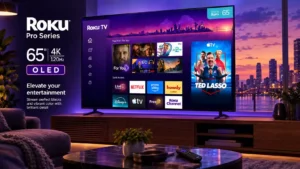
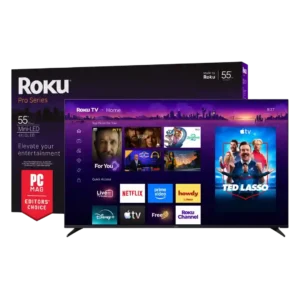
Roku Pro Series (2026)

Roku Pro Series (2026)

Overall score 4.1 / 5

Based on 14 scored reviews

vs
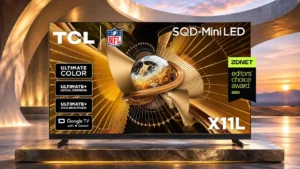
TCL X11L

TCL X11L

Overall score 4.0 / 5

Based on 38 scored reviews

How we score

Scorata scores summarize analyzed review evidence on a 1–5 scale; they are not laboratory measurements or a simple average of customer star ratings. Feature scores summarize the reviews covering that feature. The overall score averages feature scores within each review, then combines review averages. When both expert and customer evidence are available, those two groups receive equal weight. Products can have different review coverage, so small score gaps do not establish a winner.

Recommendations prioritize important features for the category, with a score of at least 3.5, a gap of at least 0.25 points and at least two supporting reviews per product. Features with widely varying scores or broad connectivity contexts are excluded from recommendations. These safeguards do not establish statistical significance.

Quick verdict

What each product is best for

The review evidence points to a tradeoff: value for money and gaming mode quality versus peak brightness and HDR brightness. Choose according to which strengths matter more to you; the overall score alone does not settle that choice.

Choose Roku Pro Series (2026) for value for money and gaming mode quality.

Choose TCL X11L for peak brightness and HDR brightness.

Why these recommendations?

Roku Pro Series (2026)

Where It Has the Edge

  • value for money is 4.9 vs 1.9. Affordable OLED pricing is the strongest shared selling point, with reported sale prices making the value especially compelling....
  • gaming mode quality is 4.6 vs 3.7. Game mode delivers an attractive, accurate picture with little adjustment. Automatic switching also makes it easy to start...
  • display technology is 5.0 vs 4.1. OLED brings a crisp image, precise light control, and rich black tones at an accessible price. Limited brightness...

TCL X11L

Where It Has the Edge

  • peak brightness is 4.4 vs 2.5. Peak brightness is spectacular, creating dazzling highlights and a picture that stays punchy in daylight. Maximum output depends...
  • HDR brightness is 4.5 vs 2.9. HDR highlights have extraordinary sparkle and separation against dark backgrounds, although the brightest settings can sacrifice accuracy or...
  • daytime viewing performance is 4.1 vs 2.4. The enormous light output keeps daytime viewing lively, even when windows and ambient lighting would wash out a...
Roku Pro Series (2026) 4.1 overall score
TCL X11L 4.0 overall score

Compare features

Scores are out of 5. Missing scores mean missing review evidence, not a missing feature.

Scored on both products

Performance

Picture quality
Roku Pro Series (2026)
4.7

OLED blacks, natural colors, and detailed imagery make a strong impression. Dark rooms suit the picture best, while ambient light reduces the impact of moody scenes.

TCL X11L
4.8

Pictures are intensely bright, vivid and detailed, with unusually deep contrast for an LCD. The strongest reservations concern motion rather than overall image impact.

Noise reduction
Roku Pro Series (2026)
2.0

Noise reduction is available but is judged insufficiently effective in the critical processing assessment.

TCL X11L
4.0

Noise and compression artifacts can be smoothed effectively, at the cost of losing some legitimate texture when processing is too aggressive.

Peak brightness
Roku Pro Series (2026)
2.5

Low peak brightness is the most repeated performance limitation. Some consider it sufficient for ordinary homes, but it trails brighter OLEDs and mini-LED sets.

TCL X11L
4.4

Peak brightness is spectacular, creating dazzling highlights and a picture that stays punchy in daylight. Maximum output depends heavily on the picture preset and content.

HDR brightness
Roku Pro Series (2026)
2.9

HDR highlights can look striking against perfect blacks, but tested output is modest beside brighter OLED rivals. The earliest hands-on impression is much more enthusiastic than later measurements.

TCL X11L
4.5

HDR highlights have extraordinary sparkle and separation against dark backgrounds, although the brightest settings can sacrifice accuracy or restrain output after a short burst.

Daytime viewing performance
Roku Pro Series (2026)
2.4

Bright rooms are the main weak point, especially with dark scenes. Some find ordinary home lighting manageable, but sunny rooms expose the brightness ceiling.

TCL X11L
4.1

The enormous light output keeps daytime viewing lively, even when windows and ambient lighting would wash out a dimmer screen.

Soundstage
Roku Pro Series (2026)
2.5

Removing the older Soundstage audio port is treated as a setback caused by the slimmer design.

TCL X11L
4.0

Front-facing channels create a wide, engaging presentation, though they do not fully replace a separate surround system.

Gaming performance
Roku Pro Series (2026)
4.7

Gaming is a consistent strength, combining smooth OLED motion, rich contrast, and very responsive controls. Competitive players seeking higher refresh rates or more tools may want a step-up model.

TCL X11L
3.3

Gaming is more contentious than movie viewing: low input lag and vivid HDR help, but slow pixel response can spoil fast competitive play.

HDR performance
Roku Pro Series (2026)
3.2

OLED contrast gives HDR a premium look even at modest brightness. Highlights lack the punch of brighter models, making controlled lighting the better setting.

TCL X11L
4.6

HDR movies and games can look spectacular, with intense light and rich colors alongside dark backgrounds. Accurate tone mapping needs care with settings.

White balance accuracy
Roku Pro Series (2026)
4.3

White balance is generally accurate, though one test finds a slightly warm default. Calibration brings that unit much closer to its target.

TCL X11L
3.0

White balance is not consistently reference-accurate; some presets look too warm, while careful adjustment can improve neutral tones.

Color accuracy
Roku Pro Series (2026)
4.6

Accurate skin tones and natural colors earn broad praise, especially in the more accurate picture modes. One assessment finds the colors good rather than particularly vivid.

TCL X11L
3.7

Colors can look natural and striking, particularly in Filmmaker Mode, but measured factory accuracy and HDR color mapping vary across assessments.

Display technology
Roku Pro Series (2026)
5.0

OLED brings a crisp image, precise light control, and rich black tones at an accessible price. Limited brightness remains the central compromise.

TCL X11L
4.1

Super Quantum Dot Mini-LED combines unusually wide color with very precise backlighting, a combination that often gets remarkably close to OLED-style contrast.

Sound quality
Roku Pro Series (2026)
2.7

Sound is acceptable for standard television in some accounts, with clear mids and useful dialogue enhancement. Others hear thin, unclear audio, and weak bass limits movie immersion.

TCL X11L
3.5

Built-in audio divides opinion: some find it remarkably full and powerful, while others hear weak bass, thinness or uneven balance.

Dark-room performance
Roku Pro Series (2026)
4.9

Dark rooms bring out the best in the picture, preserving shadow texture and letting OLED blacks give movies and games convincing depth.

TCL X11L
4.3

In dark rooms, the TV delivers dramatic contrast and deeply saturated images, although it cannot eliminate every backlight artifact.

Overall image accuracy
Roku Pro Series (2026)
4.5

Natural skin tones and strong SDR accuracy are widely appreciated. Default white balance and some HDR brightness behavior leave room for refinement.

TCL X11L
4.0

Accurate film presentation is possible in restrained modes, but some brightness and color settings depart from creative intent.

Contrast ratio
Roku Pro Series (2026)
4.9

Precise OLED contrast gives dark scenes depth and keeps small highlights distinct. This strength remains compelling even without high peak brightness.

TCL X11L
4.4

Contrast is exceptional for an LCD, with bright objects standing out sharply against very deep blacks.

Sustained brightness
Roku Pro Series (2026)
2.7

Full-screen white and snowy scenes can look dim, exposing the panel’s sustained-brightness limits. Everyday SDR content fares better against the OLED rivals compared.

TCL X11L
3.0

Brief peaks are extremely bright, but sustained highlights can dim noticeably; occasional changes between scenes also draw criticism. Normal movie material is usually less affected.

Bass performance
Roku Pro Series (2026)
2.0

Limited bass weakens movie impact and makes a soundbar with a subwoofer worthwhile for more immersive viewing.

TCL X11L
2.3

Bass is surprisingly strong in several rooms but underwhelming in others; a dedicated subwoofer still gives more impact.

Other features

Motion handling
Roku Pro Series (2026)
4.4

Motion generally holds up well against much more expensive televisions, especially during gaming. Film pans and some sports footage still reveal limitations.

TCL X11L
2.3

Motion evaluations are divided, ranging from smooth sporting action to distracting smear in rapid scenes.

Input lag
Roku Pro Series (2026)
4.8

Input lag earns unusually strong praise, including record-setting 4K60 measurements in the PCMag tests. Other gaming assessments also find the TV snappy and responsive.

TCL X11L
4.1

Gaming controls feel responsive with low measured input lag, though some assessments find latency less competitive than the best gaming displays.

Response time
Roku Pro Series (2026)
5.0

Fast OLED response makes moving targets easier to follow than on the mini-LED alternatives discussed in testing.

TCL X11L
1.3

Pixel transitions are slower than OLED, causing blur in fast action; low latency does not entirely solve that limitation.

Advertising intrusiveness
Roku Pro Series (2026)
4.0

The home screen is relatively restrained about advertising. Its single large ad still takes up noticeable space, even though it is preferable to heavier advertising elsewhere.

TCL X11L
1.0

Advertising in the Google TV home interface cannot be turned off, a drawback for anyone wanting an uncluttered screen.

Calibration options
Roku Pro Series (2026)
4.2

Granular picture controls are available on the TV itself. Requiring active content before opening some deeper settings makes fine-tuning less convenient.

TCL X11L
1.8

Calibration is a notable weak spot: some controls cannot fully correct color and HDR errors, even though a few presets look good.

Gaming dashboard
Roku Pro Series (2026)
2.0

The missing game bar and dedicated gaming tools leave enthusiasts without conveniences such as a crosshair or frame-rate counter.

TCL X11L
4.0

The gaming overlay gives quick access to gaming-specific settings and status information.

PC text clarity
Roku Pro Series (2026)
2.0

Windows text and certain interface elements look less clear than desired, making this a weaker choice for desktop work.

TCL X11L
4.0

Full chroma support and a crisp glossy panel keep computer text relatively clear on a very large screen.

Motion clarity
Roku Pro Series (2026)
4.2

OLED motion is clear and effective for games and sports. Some blur in faces and fine detail remains visible, and slower sports replays can look choppy.

TCL X11L
2.4

Fast movement is a relative weakness: blur and smearing can persist despite the high refresh rate, although some sports material looks clean.

Upscaling quality
Roku Pro Series (2026)
2.5

The lack of exposed upscaling adjustments is a drawback for users who want to tune processing themselves.

TCL X11L
4.1

HD content generally sharpens impressively on the big 4K panel, though results are less consistent for rough lower-resolution sources.

Refresh rate
Roku Pro Series (2026)
4.4

The 120Hz panel provides smooth console play, though it cannot match the refresh rates of faster OLED models.

TCL X11L
3.0

The high-refresh panel enables flexible gaming signals, but its slower pixels limit the clarity of the fastest action.

Judder handling
Roku Pro Series (2026)
2.5

Certain slow film pans show visible stutter, so judder-sensitive viewers may notice motion imperfections.

TCL X11L
3.8

Film judder is usually well controlled, although older sources and some panning shots need adjustment.

Maximum volume
Roku Pro Series (2026)
2.0

The speakers lack the output and impact needed to fill a living room convincingly on their own.

TCL X11L
3.3

The speaker system can reach substantial volume for TV viewing, but one test finds loudness insufficient.

Variable refresh rate
Roku Pro Series (2026)
4.5

VRR operates reliably in the gaming tests and helps make 120Hz play smooth.

TCL X11L
3.3

Variable refresh works well for many consoles and AMD sources, but one test finds tearing with 60Hz signal output.

Viewing angles
Roku Pro Series (2026)
4.7

Wide viewing angles preserve rich colors and contrast for people sitting off-center. A more critical test notices some tint shifts, while still preferring it to mini-LED viewing angles.

TCL X11L
3.6

The newer WHVA panel performs better off-axis than many VA televisions, but colors and contrast weaken from wider seats.

High-refresh-rate gaming
Roku Pro Series (2026)
4.4

120Hz play is smooth and responsive for consoles, but falls short of the higher refresh ceilings available on premium gaming TVs.

TCL X11L
3.3

High refresh rates are available for demanding gaming sources; motion clarity does not improve as much as the specifications suggest.

Glare resistance
Roku Pro Series (2026)
2.8

Glare treatment draws sharply different reactions. Initial impressions praise it, while more critical testing finds the semi-gloss surface distracting during dark scenes in lit rooms.

TCL X11L
3.9

Brightness generally overpowers ambient glare, but the glossy surface can leave visible reflections in especially dark content.

Content recommendations
Roku Pro Series (2026)
3.0

Favorite-service shortcuts can reduce browsing, but added suggested-content rows make the home screen feel less immediately useful to some longtime Roku users.

TCL X11L
4.0

Recommendations can be useful and personalized rather than just intrusive.

Low-resolution content handling
Roku Pro Series (2026)
2.5

Limited access to scaling adjustments frustrates a reviewer looking for more control over lower-resolution content.

TCL X11L
3.5

Clean high-definition sources upscale well, while heavily compressed or very low-quality feeds can still look soft on a huge screen.

Packaging and unboxing
Roku Pro Series (2026)
5.0

Thick protective padding and a bag with lifting handles make unboxing feel reassuring and straightforward.

TCL X11L
4.0

Packaging and assembly are generally well planned, though handling the 98-inch version can require several helpers.

Stand stability
Roku Pro Series (2026)
5.0

The feet hold the TV firmly, with one unboxing finding it more stable than central-pedestal designs.

TCL X11L
4.0

Wide-set feet support the huge screen well, although a large panel can wobble if nudged.

Gaming mode quality
Roku Pro Series (2026)
4.6

Game mode delivers an attractive, accurate picture with little adjustment. Automatic switching also makes it easy to start playing.

TCL X11L
3.7

Game Mode offers strong HDR visuals and useful picture controls, though some processing and clarity drawbacks remain.

Color gamut
Roku Pro Series (2026)
3.6

Color coverage is ample for much current content but narrower than brighter, more expensive OLEDs and some mini-LED rivals.

TCL X11L
4.4

The wide BT.2020 color coverage is unusually strong for an LCD, producing richly saturated reds and greens. Not every test reaches TCL’s full-coverage claim, and much current content uses a narrower palette.

Dialogue clarity
Roku Pro Series (2026)
3.7

Dialogue enhancement and clear midrange sound work well for everyday television in one assessment. Another finds the speakers unclear, so speech quality is not universally praised.

TCL X11L
4.4

Dialogue is often clear and centered, though dense soundtracks and some presets can make voices less distinct.

Gradient handling
Roku Pro Series (2026)
5.0

HDR footage shows clean color transitions without visible banding in the reported viewing sessions.

TCL X11L
4.3

HDR gradients are generally smooth, with minor banding appearing in a few difficult tones.

Reflection handling
Roku Pro Series (2026)
2.8

Reflection handling depends heavily on lighting and content. Bright scenes fare better, while dark scenes can show distracting reflections; the step-up LX is favored for better suppression.

TCL X11L
3.4

Indirect reflections are often unobtrusive, but visible direct light sources and the glossy finish can distract from dark scenes.

Black levels
Roku Pro Series (2026)
5.0

Deep, inky blacks are the defining strength, giving nighttime scenes a richness that bright LCD alternatives struggle to match.

TCL X11L
4.3

Blacks are deep and convincing head-on, though OLED still has an edge in the hardest near-black scenes and off-axis viewing.

HDMI 2.1 port count
Roku Pro Series (2026)
3.8

The four HDMI 2.1-labeled connections sound generous, but detailed testing reports only two full-rate 4K120 inputs. That distinction limits flexibility for multiple gaming devices.

TCL X11L
4.3

Four full-bandwidth high-speed inputs avoid the usual two-port compromise on many premium TVs.

Blooming control
Roku Pro Series (2026)
5.0

Pixel-level light control keeps high-contrast edges free from distracting halos and bloom.

TCL X11L
4.4

Haloing is exceptionally well contained when viewed head-on, but difficult star fields and off-center seating can still expose occasional blooming.

Auto low-latency mode
Roku Pro Series (2026)
4.5

Automatic game switching saves users from hunting through menus before playing.

TCL X11L
4.0

Automatic low-latency switching makes console use more convenient without manual mode changes.

Dirty screen effect
Roku Pro Series (2026)
4.5

Sports and anime viewing do not reveal the distracting dirty-screen patterns associated with many LCD panels.

TCL X11L
4.0

Sports fields and bright backgrounds usually stay remarkably clean, with little dirty-screen distraction.

Shadow detail
Roku Pro Series (2026)
4.0

Deep shadows retain convincing texture in a dark room. Ambient light can muddy those details, and very close viewing reveals some near-black grain.

TCL X11L
4.3

Dark scenes often retain impressively fine shading, but some demanding material can crush stars or shadow detail compared with OLED.

Color volume
Roku Pro Series (2026)
4.2

Colors remain rich across viewing positions, but limited color brightness restricts the range and intensity available from premium OLED panels.

TCL X11L
4.4

Color remains rich and impactful even in very bright HDR scenes, a key advantage over ordinary Mini-LED sets.

Remote control quality
Roku Pro Series (2026)
4.2

Backlighting and the remote finder are standout conveniences. Some miss the predecessor’s rechargeable battery and hands-free voice control.

TCL X11L
4.0

The solid, backlit remote feels premium, with direct controls that are easier to use than long menu dives.

Motion interpolation
Roku Pro Series (2026)
2.5

Motion interpolation introduces visible issues even at a low setting, limiting its usefulness for smoothing movement.

TCL X11L
2.7

Motion smoothing can tame slow pans and judder, but stronger settings may add artifacts or an unnatural soap-opera look.

Screen uniformity
Roku Pro Series (2026)
4.0

Panel uniformity is good in real content, although gray screens can expose faint vertical banding.

TCL X11L
4.2

Screen uniformity is strong for such a large TV, though panel edges and extreme dark patterns can occasionally show unevenness.

Overall satisfaction
Roku Pro Series (2026)
4.6

The overall package is strongly recommended as an accessible first OLED, especially for dark-room viewers and budget gamers. Brightness, sound, and enthusiast features keep it from being an uncompromised flagship.

TCL X11L
4.7

The X11L stands out as a serious high-end Mini-LED contender, particularly for cinematic picture quality. Its specialist pricing keeps it from being a universal recommendation.

Cable management
Roku Pro Series (2026)
4.0

Velcro straps and foot clips keep wiring tidy. They offer less concealment than the predecessor’s recessed cable management.

TCL X11L
4.0

Thoughtful rear channels and stand notches help hide cables despite the large display.

Image processing
Roku Pro Series (2026)
4.0

Smart Picture Max helps viewers get an appealing picture without adjusting menus. More demanding testing criticizes the broader processing tools and their limited effectiveness.

TCL X11L
4.0

The image processing is a strong point, contributing to the TV’s premium everyday experience.

Stutter handling
Roku Pro Series (2026)
2.5

24fps film pans can show stutter even though overall motion handling is competitive.

TCL X11L
2.5

Slow pans can stutter, particularly at low frame rates, but gentle interpolation can reduce the distraction.

Ownership and support

Value for money
Roku Pro Series (2026)
4.9

Affordable OLED pricing is the strongest shared selling point, with reported sale prices making the value especially compelling. Lower brightness and simpler features are the compromises behind that saving.

TCL X11L
1.9

The performance is clearly flagship-grade, but cheaper TCL models approach it closely enough to challenge the price premium.

HDR format support
Roku Pro Series (2026)
4.5

Supporting both Dolby Vision and HDR10+ is an uncommon advantage for viewers using different HDR sources.

TCL X11L
2.0

The hdr format support remains a drawback compared with the best alternatives.

4K at 144 Hz support
Roku Pro Series (2026)
2.5

Gamers who require 144Hz are directed toward the step-up LX rather than this 120Hz model.

TCL X11L
4.0

The 4K/144Hz capability is useful for PC gaming, with the practical benefit limited by response-time blur.

Dolby Vision support
Roku Pro Series (2026)
3.0

Dolby Vision is welcome, but the lack of its IQ variant disappoints a reviewer who expects ambient-light-aware support at this price.

TCL X11L
4.0

The dolby vision support is a strong point, contributing to the TV’s premium everyday experience.

FreeSync support
Roku Pro Series (2026)
4.5

FreeSync Premium contributes to smooth gaming and helps reduce distracting tearing.

TCL X11L
4.0

The freesync support is a strong point, contributing to the TV’s premium everyday experience.

HDMI 2.1 support
Roku Pro Series (2026)
4.1

HDMI connectivity supports smooth console gaming. Confusing labeling and different claims about full-rate support make the capabilities of individual ports a caveat.

TCL X11L
4.3

Four full-bandwidth HDMI 2.1 inputs are welcome for several modern consoles, PCs and audio devices.

4K at 120 Hz support
Roku Pro Series (2026)
3.8

120Hz console play is smooth and well suited to this OLED. Port labeling causes confusion, and not every HDMI connection is reported to support 4K at the full refresh rate.

TCL X11L
4.0

4K/120Hz consoles are well served, with smooth signals and strong HDR, though some demanding games show motion smearing.

Controls and connectivity

Voice assistant support
Roku Pro Series (2026)
2.8

Push-to-talk voice control suits viewers who prefer a microphone that is not always listening. Those wanting hands-free assistance miss the feature available on the earlier Pro.

TCL X11L
4.0

Gemini adds more flexible voice conversations than basic TV assistants, though its value depends on how often you search by voice.

Tone mapping
Roku Pro Series (2026)
3.5

One test criticizes default tone mapping for clipping highlight detail and recommends turning it off for accuracy. Another finds HDR luminance tracking very good.

TCL X11L
2.7

Tone mapping can add punch but sometimes pushes brightness beyond the intended image, especially in its most aggressive modes.

Menu responsiveness
Roku Pro Series (2026)
4.8

Menus operate quickly, helping the interface feel responsive during ordinary use.

TCL X11L
4.0

Menus are largely responsive and shortcuts are handy, although the many picture controls can feel busy.

Operating system speed
Roku Pro Series (2026)
4.8

Fast interface operation keeps everyday navigation straightforward and responsive.

TCL X11L
4.0

Navigation and app launching are usually quick, with a few software complaints in longer-term use.

Smart TV platform
Roku Pro Series (2026)
4.6

Roku remains approachable, quick, and easy to learn. Added recommendations and a few awkward input or picture-setting steps reduce the simplicity for some longtime users.

TCL X11L
4.0

Google TV provides broad streaming access and a familiar interface, though some users may prefer an external player.

App performance
Roku Pro Series (2026)
4.5

Initial app updates run quickly, keeping the setup process moving.

TCL X11L
4.0

Streaming apps generally open quickly and run smoothly during normal use.

App selection
Roku Pro Series (2026)
4.5

A broad collection of streaming services and free programming gives viewers plenty to watch. Twitch is the notable exception in the tested platform coverage.

TCL X11L
4.0

The Google Play app selection covers the major streaming services and more.

Streaming app support
Roku Pro Series (2026)
4.5

Extensive streaming coverage and free Roku programming support a wide range of everyday viewing, with Twitch the stated major service gap.

TCL X11L
4.0

Google TV is a convenient home for popular streaming services, films and shows.

Comfort and build

Bezel size
Roku Pro Series (2026)
4.5

The thin frame keeps attention on the screen and suits the clean, minimalist design.

TCL X11L
4.3

Nearly borderless edges let the screen dominate the view, especially at larger sizes.

Design and appearance
Roku Pro Series (2026)
4.3

The thin OLED panel and minimalist frame look clean and attractive. Moving away from the thicker shadowbox design brings compromises in audio and cable concealment.

TCL X11L
4.1

Thin proportions, tiny bezels and bronze-toned metal create a distinctly luxurious appearance for a very large television.

Build quality
Roku Pro Series (2026)
4.5

Construction is generally solid, with securely attached feet making a reassuring impression during setup.

TCL X11L
4.5

Construction generally feels robust and expensive, despite an isolated report of a rear panel detaching during shipping.

Evidence available for one product

Ownership and support

Reliability
Roku Pro Series (2026)
3.5

Roku OS is described as reliable, but heavy daily use raises OLED longevity concerns. An LCD is favored for users keeping the screen on for many hours.

TCL X11LNo score yet
4K gaming support
Roku Pro Series (2026)
4.5

OLED contrast and smooth motion make 4K console games look appealing. The limited gaming extras matter more to enthusiasts than casual players.

TCL X11LNo score yet
1080p at 240 Hz gaming support
Roku Pro Series (2026)No score yet
TCL X11L
4.0

The accelerated 1080p mode offers unusually high refresh headroom, but actual gaming sharpness still depends on panel response.

DTS support
Roku Pro Series (2026)
2.5

Missing DTS support is a notable exclusion for some home-theater setups, though many viewers using the TV speakers may never notice.

TCL X11LNo score yet
EARC support
Roku Pro Series (2026)
4.5

The eARC connection makes adding a soundbar simple, a useful benefit given the speakers’ limited impact.

TCL X11LNo score yet
HDR10+ support
Roku Pro Series (2026)
4.5

HDR10+ alongside Dolby Vision expands compatibility beyond the format combinations offered by many competing OLEDs.

TCL X11LNo score yet
Headphone support
Roku Pro Series (2026)
4.3

Wireless private listening is convenient for late-night viewing and shared rooms.

TCL X11LNo score yet
Large-screen value
Roku Pro Series (2026)No score yet
TCL X11L
3.0

A 98-inch cinematic image offers special appeal, though the price per upgrade is hard to justify for many buyers.

Setup ease
Roku Pro Series (2026)
4.7

Tool-free feet and straightforward startup make setup unusually easy. Multiple hands-on accounts have the television ready in about ten minutes.

TCL X11LNo score yet

Other features

Account requirements
Roku Pro Series (2026)
3.3

QR-code login makes account setup convenient, but mandatory sign-in frustrates buyers who would rather use the TV without an account.

TCL X11LNo score yet
Banding control
Roku Pro Series (2026)
4.5

Color banding is absent in several viewing tests. Gray test screens can reveal some panel banding, although it generally stays unobtrusive in actual content.

TCL X11LNo score yet
Black uniformity
Roku Pro Series (2026)No score yet
TCL X11L
4.5

Dark backgrounds are impressively even with local dimming active, helping dim scenes retain an almost OLED-like appearance.

Built-in speaker surround immersion
Roku Pro Series (2026)No score yet
TCL X11L
4.0

The multi-channel speaker layout adds a convincing sense of space for built-in audio, especially with compatible soundtracks.

Energy efficiency
Roku Pro Series (2026)
4.0

Eco mode is appreciated for reducing environmental impact, though brighter viewing modes are available.

TCL X11LNo score yet
G-SYNC compatibility
Roku Pro Series (2026)No score yet
TCL X11L
2.0

The g-sync compatibility remains a drawback compared with the best alternatives.

HDMI port count
Roku Pro Series (2026)
5.0

Four HDMI connections provide generous space for connecting multiple devices.

TCL X11LNo score yet
HDR highlight detail
Roku Pro Series (2026)No score yet
TCL X11L
4.0

Small highlights are crisp and conspicuous, although overly bright modes can sacrifice highlight texture.

Image realism and naturalness
Roku Pro Series (2026)No score yet
TCL X11L
4.0

Natural skin tones and believable scenery coexist with exceptionally saturated neon and animation. Stronger picture modes can look less restrained.

Local dimming zone transitions
Roku Pro Series (2026)No score yet
TCL X11L
5.0

Backlight zones usually follow moving highlights cleanly, though slight trailing-edge delays or flicker can appear in demanding patterns.

Motion artifacts
Roku Pro Series (2026)No score yet
TCL X11L
2.0

Occasional artifacts can include smearing, interpolation quirks and small movement-related transitions, depending on the mode.

Panel type
Roku Pro Series (2026)
5.0

The affordable OLED panel supplies rich blacks and clean motion. Its older, less colorful technology does not match the brightness and color reach of premium panels.

TCL X11LNo score yet
Portability and versatility
Roku Pro Series (2026)
4.3

Low weight makes the television easier to lift and position during setup, even at the larger size.

TCL X11LNo score yet
Remote layout
Roku Pro Series (2026)
4.5

The familiar Roku layout makes operation immediately approachable for existing Roku users.

TCL X11LNo score yet
Search quality
Roku Pro Series (2026)No score yet
TCL X11L
4.0

Conversational searches make it easier to narrow down shows and films with follow-up questions.

Speaker quality
Roku Pro Series (2026)No score yet
TCL X11L
3.3

The integrated Bang & Olufsen speaker array can sound much more substantial than ordinary TV speakers, but performance is not universally praised.

Stand quality
Roku Pro Series (2026)
4.8

Tool-free, height-adjustable feet make installation convenient and leave flexibility for a soundbar. The securely locked stand also makes a solid impression.

TCL X11LNo score yet
Vision AI companion usefulness
Roku Pro Series (2026)No score yet
TCL X11L
4.0

Gemini can answer conversational questions and discover specific films, making the smart-TV experience feel more capable.

Wall-mount compatibility
Roku Pro Series (2026)No score yet
TCL X11L
4.0

The surprisingly slim chassis is attractive on a wall, but weight and screen size make installation a serious job.

Wall flushness
Roku Pro Series (2026)No score yet
TCL X11L
4.0

The slim body and flat back make the television sit neatly on a suitable wall mount.

Wireless speaker expansion
Roku Pro Series (2026)
2.5

The slimmer design loses the older compatible-speaker audio connection, a tradeoff for buyers interested in expanding the sound system.

TCL X11LNo score yet

Controls and connectivity

Bluetooth audio support
Roku Pro Series (2026)
4.3

Direct Bluetooth headphone listening is a welcome option for watching privately without disturbing others.

TCL X11LNo score yet
Bluetooth connectivity
Roku Pro Series (2026)
3.0

Bluetooth is useful for connecting accessories, but its older version is treated as a minor hardware shortcut.

TCL X11LNo score yet

Review contexts may differ, so use caution when interpreting the score gap.

HDR tone mapping accuracy
Roku Pro Series (2026)No score yet
TCL X11L
3.0

HDR tracking is less consistent than the screen’s peak brightness might suggest; aggressive tone mapping can overbrighten the image.

Privacy controls
Roku Pro Series (2026)
3.2

Privacy controls can be disabled while keeping the TV usable. Default data sharing and required account sign-in still concern some users.

TCL X11LNo score yet
Smart home integration
Roku Pro Series (2026)
3.0

Compatibility with several smart-home ecosystems is appreciated. The platform is less suitable as a comprehensive whole-home control hub.

TCL X11LNo score yet
Software updates
Roku Pro Series (2026)
3.2

App updates move quickly during initial setup, but the interface update adding more recommendations disappoints some users.

TCL X11LNo score yet
Voice control accuracy
Roku Pro Series (2026)No score yet
TCL X11L
4.0

The AI voice system can handle follow-up content searches effectively, beyond single commands.

Wi-Fi performance
Roku Pro Series (2026)
3.0

Wi-Fi 5 is treated as a minor cost-saving shortcut rather than a significant everyday limitation.

TCL X11LNo score yet

Performance

Local dimming performance
Roku Pro Series (2026)No score yet
TCL X11L
4.4

The dense Mini-LED backlight controls highlights with rare precision, maintaining deep shadows without obvious halos in most real scenes.

Picture detail
Roku Pro Series (2026)No score yet
TCL X11L
4.2

Fine texture, distant scenery and small on-screen details often remain crisp, particularly with good-quality 4K sources.

Picture mode tuning
Roku Pro Series (2026)No score yet
TCL X11L
3.5

Filmmaker Mode usually gives a more restrained image, while brighter modes can deliver extra punch at the cost of fidelity.

Comfort and build

Size options
Roku Pro Series (2026)
2.5

The choice of only 55- and 65-inch versions restricts buyers who need a smaller or larger screen.

TCL X11LNo score yet

Other Top TVs to Consider

#1 Samsung S90H
4.5

Choose the S90H for bright-room OLED viewing, deep blacks and top-tier gaming without flagship pricing. Skip it if you want Dolby Vision, a glossy screen or the simplest smart-TV software.

Pros: glare resistance, black levels

Cons: Dolby Vision support, color gamut

#2 Roku Pro Series (2025)
4.4

Best for bright Mini-LED picture, excellent built-in audio, easy Roku navigation, and responsive 4K/120 gaming. Skip it if you want ad-free menus, premium motion consistency, or stronger confidence in long-term...

Pros: overall satisfaction, picture quality

Cons: reliability, portability and versatility

#3 TCL QM8L
4.4

Choose the QM8L for a big, brilliantly bright TV with vivid HDR, deep mini-LED blacks, low input lag, and four HDMI 2.1 ports. Skip it if you need OLED-clean motion,...

Pros: picture quality, value for money

Cons: stand quality, judder handling

#4 LG G6
4.4

Choose the G6 for class-leading bright-room OLED picture, rich color, deep blacks and elite gaming. Skip it if you want strong built-in audio, polished launch firmware, no account sign-in, or...

Pros: picture quality, peak brightness

Cons: value for money, sound quality