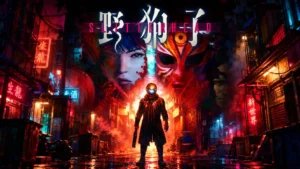
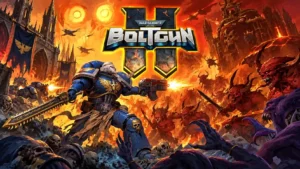
Slitterhead
Where It Has the Edge
- innovation is 4.8 vs 2.2. Possession creates inventive tactical and traversal possibilities, even if the surrounding action does not always fulfill their promise.

Scorata scores summarize analyzed review evidence on a 1–5 scale; they are not laboratory measurements or a simple average of customer star ratings. Feature scores summarize the reviews covering that feature. The overall score averages feature scores within each review, then combines review averages. When both expert and customer evidence are available, those two groups receive equal weight. Products can have different review coverage, so small score gaps do not establish a winner.
Recommendations prioritize important features for the category, with a score of at least 3.5, a gap of at least 0.25 points and at least two supporting reviews per product. Features with widely varying scores or broad connectivity contexts are excluded from recommendations. These safeguards do not establish statistical significance.
Quick verdict
The review evidence points to a tradeoff: innovation versus enemy variety and world interactivity. Choose according to which strengths matter more to you; the overall score alone does not settle that choice.
Choose Slitterhead for innovation.
Choose Warhammer 40,000: Boltgun 2 for enemy variety and world interactivity.
Scores are out of 5. Missing scores mean missing review evidence, not a missing feature.
Some checkpoints sit far enough back to make failed encounters unnecessarily tiresome to replay.
Checkpoints generally limit lost progress and make retries feel fair rather than frustrating.
The grotesque enemies look memorable, yet too many encounters recycle similar creatures and behaviors.
Forces from all four Chaos gods broaden the bestiary and keep many fights fresh. Some feel the expanded roster still behaves too similarly.
Citizens barely reacting to possession and a lack of meaningful city interaction make the setting feel less alive.
Breakable ice, collapsing structures, and exploitable hazards add tactical opportunities and make battlefields feel more active.
Stylized monsters and lighting have admirers, but dated human models and uneven detail attract frequent criticism.
Sharp pixel art, expressive enemies, and varied environments create striking visuals despite the deliberately old appearance.
Hints can help with hidden Rarities and progression, but vague guidance leaves some players searching or consulting outside help.
Optional objective guidance provides a welcome way back to the action when a route becomes unclear.
Rough animation, uneven interfaces, and awkward systems give the game an unfinished feel despite its strong creative identity.
Several players find the sequel polished and well refined, though minor technical blemishes remain.
Possession creates inventive tactical and traversal possibilities, even if the surrounding action does not always fulfill their promise.
The sequel expands and refines its foundation rather than radically changing it. That safe approach leaves some wishing for a more adventurous follow-up.
Button rebinding helps, but the accessibility options leave room for improvement.
Invulnerability, ammo assists, visual comfort settings, and flexible controls make it easier to tailor the action to different needs.
The opening takes time to reach its best ideas, with lengthy instruction and early confusion testing patience.
The opening gives the initial melee tools room to make sense before introducing shooting, helping the combat click into place.
Switching among available bodies enables flexible approaches, though scripted investigations and small areas limit that freedom.
There is room to favor different weapons and approaches, but locking a campaign to one hero limits experimentation for some players.
A few different activities break up the fighting, but the repeated chase-and-battle formula is a major complaint.
Trains, rising hazards, and other set pieces keep many missions distinctive. Several accounts still find too many objectives built around keys and locked doors.
Conversations occasionally build intrigue, but weak lines, awkward exchanges, and extensive text can make story delivery drag.
Dry companion remarks and combat dialogue add levity and personality without slowing the action.
Tutorials can explain the basics, yet their length and delivery sometimes slow the opening without making the complicated systems comfortable.
Starting with melee before introducing the gun helps teach the combat tools naturally.
Creature transformations can look striking, while stiff human movement and uneven combat animation expose the modest production values.
Distinctive enemy gestures and violent animations add personality to the pixelated models.
The city and unusual perspective can draw players in, while unreactive citizens and sparse presentation sometimes break the spell.
Strong combat flow, evocative art, and detailed sound can draw players deeply into the grimdark setting.
The relatively compact adventure suits players who want a focused game, although forced revisits make it feel stretched to others.
Single-run length estimates vary considerably with route and playstyle. Alternate paths and the second hero extend the package, though some still find the campaigns short.
Rarities can have appealing personalities, but limited interactions and underused cast members leave several relationships shallow.
The Servo-skull brings an irreverent personality and comic relief that make the companion more memorable.
Body hopping makes traversal quick and enjoyable, while conventional movement and some rooftop maneuvers can feel stiff.
Nyra’s slide and aerial movement are frequent highlights, while Malum delivers a heavier sense of momentum. Some find the speed slippery or difficult to control near hazards.
Finding Rarities and building their abilities can make progression rewarding. Mandatory searches and repeat missions can also interrupt that sense of growth.
New weapons and enemy introductions create a clear sense of progress. Persistent character growth remains a missed opportunity for players wanting deeper development.
Long chases, slow dialogue, and repeated missions interrupt the momentum, even when the central mystery remains interesting.
Brisk pacing keeps the action moving, yet relentless combat and occasional drawn-out stages can become exhausting. Others find the balance consistently engaging.
Blood weapons give the cast distinct styles, but weak ranged options and limited combinations make some choices less satisfying.
The arsenal is widely praised for satisfying impact and varied roles. Nyra’s overlapping fire weapons, the crossbow, and the simplified damage system attract mixed reactions.
Tragic situations and bonds with the Rarities can land emotionally, but thin presentation keeps some players at a distance.
Cathartic combat, humor, and a powerful nostalgic pull can make the action absorbing and emotionally energizing.
Its eccentric ideas and body-swapping fights can be highly entertaining, but repetitive action and awkward execution drain the fun for many.
Most accounts describe cathartic, highly enjoyable shooting. Repetition limits that enjoyment for some despite the immediate thrill of combat.
Grotesque transformations and dismemberment can enrich the creature spectacle, but their appeal depends on tolerance for graphic imagery. Some also find the action less viscerally impactful than expected.
Exaggerated pixelated gore is enjoyed as part of the weapon feedback and cathartic combat spectacle.
Learning the abilities and directional parry system can take an irritating amount of adjustment.
Simplified combat rules can make the action more intuitive, though the opening mechanics may take a little time to understand.
The hunt, chase, and fight cycle is engaging when possession clicks. Frequent recycling makes the same structure feel tedious to less invested players.
The shooting can sustain a satisfying flow state, but repeated key hunts and arena purges divide opinion. Longer sessions expose the routine for some players.
Body switching and complementary abilities produce exciting fights for some players. Others find the attacks weightless, parrying awkward, and repeated encounters exhausting.
Gunfire lands with exceptional weight, and the improved melee keeps fights visceral. A minority find the encounters too shallow or mindless despite that impact.
Some players grow attached to the cast, but others find character development thin or disconnected from the central mystery.
Both protagonists lack the development and narrative presence some players hoped a two-hero sequel would provide.
The writing has intriguing concepts and occasional emotional payoffs, but awkward dialogue, confusing exposition, and uneven resolution divide players.
The irreverent Servo-skull writing adds personality and well-timed comic relief amid the carnage.
Partners can provide useful distractions, but passive or unreliable behavior often leaves too much work to the controlled character.
Allied soldiers can provide breathing room and a sense of company, but their weak survival instincts sometimes turn them into accidental casualties.
A mixture of fighting, investigation, and exploration supplies occasional variety, but it does not consistently overcome repetition.
Planet hopping brings welcome visual variety, from corrupted jungles to industrial and frozen facilities. Changing scenery does not always disguise familiar objectives.
A distinctive, divisive debut with strong ideas and uneven delivery. Enthusiasts value its personality, while detractors struggle with repetition, combat, and rough presentation.
Most accounts see a confident, entertaining sequel with stronger variety and presentation. Its most skeptical critics find the expanded content too repetitive to feel like a major advance.
Graphic body horror and adult situations make this a poor fit for family play or playing around children.
The relentless carnage makes this a poor fit for childhood play.
Possession makes rooftop exploration and hidden discoveries enjoyable for some. Others find the small, recycled areas and unclear navigation tiring.
Hidden power-ups and seals reward careful exploration. Some wish the larger-looking environments offered more open routes.
Absurd story turns and limb-loss moments can be amusing, adding an eccentric streak to the grim presentation.
The Servo-skull’s dry observations and the heroes’ taunts add genuine laughs without abandoning the grimdark tone.
Possession-based rooftop routes can be exhilarating, but imprecise traversal and awkward positioning sometimes frustrate platforming challenges.
Platforming is divisive, with some enjoying the air control and others finding precise jumps awkward or slippery.
Enemies and civilians can behave mechanically, weakening both encounters and the illusion of a living city.
Simple behavior, idle enemies, and foes trapped in terrain undermine some fights. The AI is one of the more consistent technical complaints.
Different combat roles encourage combinations, but certain Rarities feel much stronger or more versatile than others.
The heroes have distinct strengths, but opinions differ sharply on their balance. Nyra’s mobility and armor regeneration help some players, while others favor Malum’s weapons and durability.
Some enjoy the demanding timing and tactical pressure; others find the challenge frustrating or uneven rather than rewarding.
Difficulty draws sharply different reactions: Medium can feel too easy, while Hard can produce abrupt damage spikes. Adjustable settings help, and some find the challenge fair and rewarding.
The mystery offers intriguing supernatural ideas and background details, although their explanation can feel muddled.
The setting offers dense franchise flavor, but little new lore. Heavy jargon can make the narrative harder to follow without background knowledge.
Possession is the standout mechanic, letting players change bodies for traversal, investigation, and fighting. Its imaginative uses are more convincing than some of the systems built around it.
Grenade time slowing, charges, and sword attacks add satisfying ways to fight. Some miss the tactical detail removed from the original.
Its spirit-possession premise and eccentric genre mixture stand out, even among players who dislike the execution.
A modern twist on nostalgic shooting gives the presentation a charming identity.
Cramped streets, signs, shops, and rooftop spaces help sell the Hong Kong-inspired setting. Reused locations and simpler assets can weaken that impression.
Skull-strewn industrial spaces, enormous structures, and detailed scenery convey the scale and oppressive character of the setting.
Busy encounters, uncertain targeting, and hard-to-read attack cues can obscure an otherwise promising combat system.
Crowded arenas, bright effects, poison attacks, and large flames can obscure threats. Some find the spectacle readable, but others find it exhausting or difficult to parse.
Returning to earlier conversations with new answers creates a clever payoff for the time-travel mystery.
Branching routes offer appealing location choices and replay opportunities, but have little effect on the story. Some find the lockouts restrictive or the choices superficial.
The nonlinear mystery attracts players who enjoy piecing together strange events. Others find its delivery confusing, slow, or insufficiently resolved.
The thin story usually serves as a quick excuse for combat. Some welcome that restraint, while others miss context, character motivation, and a satisfying narrative payoff.
Some report steady performance, while others notice frame drops or uneven animation, particularly on less powerful hardware.
Desktop and console reports often describe stable high frame rates. Steam Deck can dip into the 30–40 fps range during traversal or crowded fights.
Memories, upgrades, and cosmetic rewards can make searching satisfying. Hidden pickups also frustrate players who dislike combing familiar maps without useful hints.
Well-hidden seals and useful secret power-ups give careful searching a payoff, sometimes requiring keen observation or clever platforming.
Upgrading different Rarities supports useful builds and stronger combinations, although the system is generally more conventional than the possession mechanic.
Weapon blessings deliver enjoyable temporary boosts, including distinctive upgrades such as dual pistols. Some would prefer lasting upgrades between levels.
Steam Deck experiences range from very playable to noticeably compromised. Players sensitive to performance dips may find the handheld version less comfortable.
Steam Deck and ROG Ally play can work very well, but small text, occasional frame dips, and awkward weapon cycling introduce compromises.
Rarities bring distinct weapons and abilities that encourage experimentation. Their differences help freshen combat even when the underlying moves remain limited.
The second protagonist adds a meaningful alternative for many players, though others find the heroes too similar. Being unable to switch freely during a campaign is a recurring frustration.
The neon city and grotesque monsters give the game a distinctive identity. Appreciation for its strange style often survives complaints about dated presentation.
Chunky sprites, gothic scale, and vivid palettes make the retro art direction a standout strength. The style captures grimdark excess with considerable personality.
Using blood, healing pools, and disposable bodies creates useful tactical choices, though managing them during chaotic battles can become cumbersome.
Ammo, health, and useful power-ups generally keep combat flowing. Small pickup radii, limited specialist ammo, and poorly timed discoveries can create friction.
Several players encounter glitches, though others report relatively clean runs. Small technical problems add to the uneven finish.
Bugs range from minor visual and collision problems to stuck enemies and arena exits that fail to open. Some playthroughs are largely trouble-free.
Achievement cleanup is considered manageable, with persistent discoveries making full completion less demanding.
Separate hero completions and accessible difficulty assists make the achievement list approachable while adding replay goals.
Dense nighttime streets and an unusual, unsettling tone are frequent highlights, although some find the mood less effective than the premise suggests.
Gothic scale, oppressive scenery, and energetic character barks create a convincing Warhammer atmosphere.
Crowded button prompts, subtle healing feedback, and small grapple indicators can make important information hard to read.
Removing visible strength and toughness numbers leaves some players missing useful combat information.
Human-to-monster transformation scenes provide especially impressive visual spectacle.
Lighting, explosions, and meaty impact effects help sell the spectacle and weapon power.
Responsiveness varies with the action: quick possession changes can feel effective, while attacks, parries, and other inputs sometimes feel awkward.
Movement and shooting feel responsive on both mouse and controller. Remapping helps the default layout fit individual preferences.
The limited voice work can sound good when present, but largely unvoiced dialogue weakens presentation and character connection.
Forceful taunts and committed lead performances earn substantial praise. A few dislike Nyra’s delivery, repeated lines, or the lack of voiced companion dialogue.
The disturbing imagery and mature subject matter make this unsuitable for young children.
The carnage is considered too much for a young child by one account, reinforcing its mature appeal.
Some find the menus stylish and easy to navigate; others encounter enough input lag to make routine selection irritating.
The weapon wheel makes a large arsenal easier to manage. Cycling weapons with the D-pad can still feel awkward on Steam Deck.
Night Owl’s evolving outlook and morally contradictory use of human hosts provide an engaging perspective on the story.
Nyra is an energetic, appealing addition for many, often becoming the preferred protagonist. Others remain unconvinced that she matches Malum’s appeal.
The absence of a useful map or consistent waypoints makes unfamiliar streets and hidden objectives frustrating to navigate.
Guidance tools, an automap, clearer routes, and shortcuts reduce navigation frustration. Small interface complaints and occasional disorientation remain.
Vertical routes and compact districts make possession useful, but familiar layouts and constrained spaces can feel repetitive.
Distinctive locations, shortcuts, verticality, and environmental set pieces are widely praised improvements. Restrictive corridors and repeated layouts still disappoint some players.
Stylish interface design has admirers, but clutter, sluggish elements, and awkward presentation reduce usability for others.
Small dialogue and mission-briefing text is difficult to read on Steam Deck, with no font scaling to help.
City chatter and strong sound work help the atmosphere, while sparse ambience and weak impact sounds disappoint others.
Heavy footsteps, crunchy impacts, and distinctive weapon reports make the sound design one of the game’s clearest strengths.
Investigation, stealth, and combat occasionally produce memorable missions. Repeated routes, long pursuits, and mandatory revisits often weaken their execution.
Memorable set pieces and clearer objectives strengthen missions, though repetitive key hunts can make their underlying structure feel familiar.
Boss encounters can reward coordinated possession and parrying, but repeated fights and frustrating chase sequences divide players.
Bosses divide opinion: elaborate multi-stage fights impress some players, while others find them conventional or underwhelming. The finale receives both praise and criticism.
The dense Kowloon-inspired city and supernatural premise create an appealing world, though thin interaction and uneven storytelling limit its depth.
Locations steeped in Warhammer history give the campaign a strong sense of place.
Possession puzzles offer clever diversions for some, while straightforward tracking and weakly developed challenges disappoint others.
Small puzzles and traversal challenges provide welcome reasons to think beyond shooting, including switches, environmental routes, and exploration rewards.
HDR presentation is praised for making the neon visuals pop, including on a handheld screen.
The lack of Xbox Play Anywhere support disappoints players hoping to carry the experience onto an Xbox handheld.
The asking price feels reasonable to players drawn to its individuality, while others recommend a discount because of repetition and limited polish.
The roughly $25 asking price is generally considered good value, especially when alternate routes and a second hero encourage replay.
New characters and discoveries can make revisits worthwhile. Replaying familiar missions is much less appealing when it becomes compulsory.
Two heroes, branching routes, hidden rewards, and difficulty options give the campaign substantial replay appeal. Some regard the shared missions and locked routes as padding or restrictions.
Modest graphics can help the game run smoothly on some systems, but optimization and technical consistency are uneven across reported experiences.
Most tested systems run the game smoothly. Steam Deck accounts report some traversal or heavy-combat slowdowns despite generally good performance.
The soundtrack is one of the most consistently praised strengths, blending eerie textures, energetic battle music, and stylish menu tracks. A few listeners find it subdued or unappealing.
The metal and industrial score ranges from a major highlight to forgettable background music. The climactic guest-composed track attracts especially strong praise.
Maintaining 60 fps can cost more battery in demanding Steam Deck areas, but the added smoothness is considered worthwhile.
Precise aiming can take adjustment: default mouse sensitivity feels high to one player, while another struggles to connect shots while strafing.
Camera positioning and targeting frequently interfere with hectic fights, especially in cramped spaces.
Casting actors of Asian descent is appreciated as a thoughtful choice for this setting.
An unconventional mix of everyday people gives the cast personality beyond a standard action-game lineup.
Players wanting to purge together are disappointed by the lack of co-op.
The ending can leave an unfinished impression rather than a fully satisfying resolution.
The lack of local co-op disappoints players who wanted to share the campaign with a friend.
One PC and ROG Ally playthrough completed without crashes or other stability problems.
Being able to skip drawn-out dialogue scenes is a welcome convenience.
Stiff, limited facial expression makes dialogue and emotional scenes feel dated.
Weapons, faction designs, environmental scale, and small details convincingly translate the tabletop universe into a retro shooter.
Hopping between nearby bodies makes crossing streets much faster than walking.
Moving as a spirit between hosts turns vertical travel into an enjoyable way to reach rooftops and explore.
Awkward dialogue raises an uncertain suspicion of AI writing or poor translation for one discussion; AI use is not established.
Adjustable presentation options let players tune the look from chunky retro pixels toward a cleaner appearance.
Repeated fights can turn progression into a tiresome grind rather than a satisfying buildup.
Controller vibration reinforces the weight and power of the protagonists.
The disturbing premise creates unease for some, but many find little sustained fear in its action-heavy encounters.
Loading times are considered ordinary rather than a notable strength or problem.
Earning costumes through play is appreciated because these rewards do not require spending real money.
Unlocking cosmetic rewards without paying extra feels fair and satisfying.
Limited physical availability in Europe can delay access for buyers who want a boxed copy.
Recruiting Rarities unlocks appealing abilities, but hiding essential recruits in earlier missions creates frustrating searches and progression barriers.
Character-specific growth and shared passives have useful tactical value, though the trees do not provide the depth some players want.
For players wanting a solo power fantasy, the campaign delivers focused and satisfying combat.
Possession can make infiltration intriguing, but simplistic encounters and underdeveloped stealth rules often squander the idea.
Unlockable outfits and masks offer an appealing reason to revisit missions and personalize the cast.
The distinctive game and the American Day One edition appeal to physical collectors.
Distinctive Chaos designs and varied attacks are frequent highlights. Some critics find too many foes interchangeable, overly durable, or insufficiently demanding.
The absence of multiplayer feels like a missed opportunity for a game with two protagonists.
Recovering a severed arm can be an entertaining combat flourish, although one player finds the extra prompt unnecessary.
Awkward translation, typos, and grammatical problems undermine the dialogue presentation.
Keeping discoveries after leaving a mission makes cleanup and repeated exploration considerably more convenient.
The action-focused game disappoints some trailer-driven horror expectations, while another account appreciates that its different direction was communicated early.

Best for fluid traversal, rewarding exploration, striking art, and forgiving quality-of-life features. Skip it if you want deep combat, radical genre innovation, or consistently demanding bosses.
Pros: difficulty balance, boss design
Cons: innovation, sandbox freedom

Best for superb combat, inventive builds, and richly voiced characters. Skip it if repeated runs, resource gathering, or visually busy battles outweigh the appeal of steady progress.
Pros: overall quality, combat system
Cons: pacing, grind level

Good if you want a beautiful, demanding survival sandbox built around exploration, building, progression, and memorable co-op. Skip it if long resource runs, harsh death recovery, and deliberate pacing sound...
Pros: town-building system, exploration quality
Cons: grind level, fast travel convenience

Leonida is a breathtakingly alive crime sandbox with memorable protagonists, spectacular heists, and extraordinary detail. The tradeoff is a 30 fps ceiling, occasional control awkwardness, and some progression friction.
Pros: immersion, graphics quality
Cons: grind level, controls responsiveness