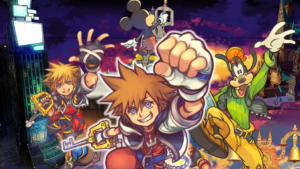
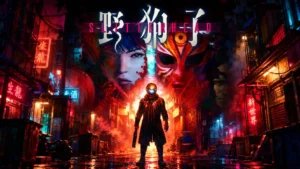
Compare Slitterhead vs Kingdom Hearts Collection I – III

Slitterhead

Slitterhead

Overall score 2.9 / 5

Based on 54 scored reviews

vs
Kingdom Hearts Collection I – III

Kingdom Hearts Collection I – III

Overall score 3.7 / 5

Based on 43 scored reviews

How we score

Scorata scores summarize analyzed review evidence on a 1–5 scale; they are not laboratory measurements or a simple average of customer star ratings. Feature scores summarize the reviews covering that feature. The overall score averages feature scores within each review, then combines review averages. When both expert and customer evidence are available, those two groups receive equal weight. Products can have different review coverage, so small score gaps do not establish a winner.

Recommendations prioritize important features for the category, with a score of at least 3.5, a gap of at least 0.25 points and at least two supporting reviews per product. Features with widely varying scores or broad connectivity contexts are excluded from recommendations. These safeguards do not establish statistical significance.

Quick verdict

What each product is best for

The review evidence points to a tradeoff: platform-specific feature support and save system reliability versus world interactivity and voice acting. Choose according to which strengths matter more to you; the overall score alone does not settle that choice.

Choose Slitterhead for platform-specific feature support and save system reliability.

Choose Kingdom Hearts Collection I – III for world interactivity and voice acting.

Why these recommendations?

Slitterhead

Where It Has the Edge

  • platform-specific feature support is 4.5 vs 2.3. HDR presentation is praised for making the neon visuals pop, including on a handheld screen.
  • save system reliability is 4.5 vs 3.5. Keeping discoveries after leaving a mission makes cleanup and repeated exploration considerably more convenient.
  • user interface design is 4.3 vs 3.6. Stylish interface design has admirers, but clutter, sluggish elements, and awkward presentation reduce usability for others.

Kingdom Hearts Collection I – III

Where It Has the Edge

  • world interactivity is 4.8 vs 1.7. Flowmotion and interactive environments turn traversal into part of the action, with 0.2 and KHIII offering especially rewarding...
  • voice acting is 4.6 vs 1.9. Voice performances retain sincerity and character, with the Japanese KHIII option adding a welcome way to experience the...
  • recruitment system is 4.0 vs 1.5. Dream Eater collection matters beyond appearance: companions feed abilities and upgrades into the main characters, giving lineup choices...
Slitterhead 2.9 overall score
Kingdom Hearts Collection I – III 3.7 overall score

Compare features

Scores are out of 5. Missing scores mean missing review evidence, not a missing feature.

Scored on both products

Other features

Game length
Slitterhead
1.6

The relatively compact adventure suits players who want a focused game, although forced revisits make it feel stretched to others.

Kingdom Hearts Collection I – III
5.0

Hundreds of hours of story and optional completion make this a substantial long-term purchase rather than a brief adventure.

World interactivity
Slitterhead
1.7

Citizens barely reacting to possession and a lack of meaningful city interaction make the setting feel less alive.

Kingdom Hearts Collection I – III
4.8

Flowmotion and interactive environments turn traversal into part of the action, with 0.2 and KHIII offering especially rewarding uses of space.

Side character depth
Slitterhead
1.9

Rarities can have appealing personalities, but limited interactions and underused cast members leave several relationships shallow.

Kingdom Hearts Collection I – III
5.0

Donald and Goofy, the Days trio, and Back Cover's cast create memorable relationships and personalities, often carrying the series' strongest emotional moments.

Grind level
Slitterhead
1.0

Repeated fights can turn progression into a tiresome grind rather than a satisfying buildup.

Kingdom Hearts Collection I – III
4.0

KHII's synthesis and post-game growth can make grinding satisfying. The first game's synthesis is criticized for tedious repetition.

Recruitment system
Slitterhead
1.5

Recruiting Rarities unlocks appealing abilities, but hiding essential recruits in earlier missions creates frustrating searches and progression barriers.

Kingdom Hearts Collection I – III
4.0

Dream Eater collection matters beyond appearance: companions feed abilities and upgrades into the main characters, giving lineup choices practical value.

Progression system
Slitterhead
1.7

Finding Rarities and building their abilities can make progression rewarding. Mandatory searches and repeat missions can also interrupt that sense of growth.

Kingdom Hearts Collection I – III
4.3

Forms, abilities, deck construction, and discoveries create rewarding character growth. Some systems become more satisfying with understanding rather than simply adding levels.

Achievement list quality
Slitterhead
4.0

Achievement cleanup is considered manageable, with persistent discoveries making full completion less demanding.

Kingdom Hearts Collection I – III
1.5

Reduced Platinum coverage frustrates trophy hunters. KHIII also folds its DLC challenges into the main list, making full completion more demanding.

Core gameplay loop
Slitterhead
1.9

The hunt, chase, and fight cycle is engaging when possession clicks. Frequent recycling makes the same structure feel tedious to less invested players.

Kingdom Hearts Collection I – III
4.3

Action and character growth can form an addictive loop. Re:Chain of Memories' deck management is deeply rewarding for some players and exhausting for others.

Immersion
Slitterhead
2.7

The city and unusual perspective can draw players in, while unreactive citizens and sparse presentation sometimes break the spell.

Kingdom Hearts Collection I – III
5.0

World-specific transformations help Sora and his companions feel at home within each Disney setting, strengthening immersion.

Sandbox freedom
Slitterhead
1.7

Switching among available bodies enables flexible approaches, though scripted investigations and small areas limit that freedom.

Kingdom Hearts Collection I – III
4.0

Later games give players more expressive combat choices and larger spaces with worthwhile activities, particularly in KHIII.

Monetization fairness
Slitterhead
5.0

Unlocking cosmetic rewards without paying extra feels fair and satisfying.

Kingdom Hearts Collection I – III
2.9

Discounts for previous digital owners are appreciated, but several reviews argue the native upgrade should be free, especially for former cloud customers.

Mission variety
Slitterhead
1.9

A few different activities break up the fighting, but the repeated chase-and-battle formula is a major complaint.

Kingdom Hearts Collection I – III
4.0

KHIII combines treasure searches, ingredients, photo tasks, and other optional activities into a gratifying progression cycle.

Graphics quality
Slitterhead
2.1

Stylized monsters and lighting have admirers, but dated human models and uneven detail attract frequent criticism.

Kingdom Hearts Collection I – III
4.2

The stylized visuals remain appealing, and sharper modern ports improve clarity. Older cutscene quality, some background upscaling, and modern Switch 2 compromises prevent uniform visual refinement.

Checkpoint system
Slitterhead
2.0

Some checkpoints sit far enough back to make failed encounters unnecessarily tiresome to replay.

Kingdom Hearts Collection I – III
4.0

Birth by Sleep's immediate Retry option makes rematching key fights more convenient than returning through a checkpoint area.

Content variety
Slitterhead
3.0

A mixture of fighting, investigation, and exploration supplies occasional variety, but it does not consistently overcome repetition.

Kingdom Hearts Collection I – III
4.9

The assortment of action games, films, Disney worlds, minigames, and optional goals offers considerable variety across the saga.

Learning curve
Slitterhead
2.0

Learning the abilities and directional parry system can take an irritating amount of adjustment.

Kingdom Hearts Collection I – III
3.8

Core action is approachable, but Re:Chain of Memories has a steep learning curve. Mastering its card rules can be especially satisfying once they click.

Animation quality
Slitterhead
2.5

Creature transformations can look striking, while stiff human movement and uneven combat animation expose the modest production values.

Kingdom Hearts Collection I – III
4.3

Later games benefit from snappier animation, and Back Cover's animated presentation earns particular praise.

Dialogue quality
Slitterhead
2.3

Conversations occasionally build intrigue, but weak lines, awkward exchanges, and extensive text can make story delivery drag.

Kingdom Hearts Collection I – III
4.0

KHIII's brisk dialogue earns praise for preserving momentum between gameplay sections.

Generative AI concerns
Slitterhead
2.0

Awkward dialogue raises an uncertain suspicion of AI writing or poor translation for one discussion; AI use is not established.

Kingdom Hearts Collection I – III
3.7

Reported AI-upscaled textures raise concerns for some buyers. Other reviews explicitly welcome what they identify as original assets retained on Switch 2, so reports about implementation differ.

Fun factor
Slitterhead
3.1

Its eccentric ideas and body-swapping fights can be highly entertaining, but repetitive action and awkward execution drain the fun for many.

Kingdom Hearts Collection I – III
4.7

The collection remains highly enjoyable for many fans, with fluid action, colorful worlds, and nostalgia outweighing its weaker entries and technical caveats.

Emotional impact
Slitterhead
3.3

Tragic situations and bonds with the Rarities can land emotionally, but thin presentation keeps some players at a distance.

Kingdom Hearts Collection I – III
4.8

Sincere friendships, tragic character arcs, and long-awaited reunions retain considerable emotional power, even when the surrounding plot becomes messy.

Accessibility options
Slitterhead
2.0

Button rebinding helps, but the accessibility options leave room for improvement.

Kingdom Hearts Collection I – III
3.5

Colorblind settings are useful, but options for subtitle size, closed captions, and audio descriptions still leave room for improvement.

Overall quality
Slitterhead
3.1

A distinctive, divisive debut with strong ideas and uneven delivery. Enthusiasts value its personality, while detractors struggle with repetition, combat, and rough presentation.

Kingdom Hearts Collection I – III
4.5

This is widely regarded as an appealing way to experience most of the saga, especially natively on Nintendo hardware. Conservative upgrades, missing stories, and uneven newer-game performance qualify the enthusiasm.

Combat system
Slitterhead
3.1

Body switching and complementary abilities produce exciting fights for some players. Others find the attacks weightless, parrying awkward, and repeated encounters exhausting.

Kingdom Hearts Collection I – III
4.4

KHII and the updated KHIII provide the collection's strongest combat praise. Card battles and some prequel systems divide opinion or feel clunky alongside those highs.

Upgrade system
Slitterhead
3.3

Upgrading different Rarities supports useful builds and stronger combinations, although the system is generally more conventional than the possession mechanic.

Kingdom Hearts Collection I – III
4.7

Upgrading Keyblades lets favorite weapons stay viable for longer, while companion growth adds useful abilities to the playable characters.

Onboarding experience
Slitterhead
1.7

The opening takes time to reach its best ideas, with lengthy instruction and early confusion testing patience.

Kingdom Hearts Collection I – III
3.0

The broad package provides a useful route into the saga, but the launchers do not always explain essential entries or the best play order clearly.

Character development
Slitterhead
3.1

Some players grow attached to the cast, but others find character development thin or disconnected from the central mystery.

Kingdom Hearts Collection I – III
4.3

Stories such as Days and the prequel develop memorable relationships and motivations. Some prequel characterization also relies on frustrating communication tropes.

Gameplay mechanics
Slitterhead
4.4

Possession is the standout mechanic, letting players change bodies for traversal, investigation, and fighting. Its imaginative uses are more convincing than some of the systems built around it.

Kingdom Hearts Collection I – III
3.2

Mechanical reinvention keeps the saga interesting, but it also produces uneven results. Later mainline systems receive the strongest praise, while card combat and certain prequel mechanics divide players.

Flying mechanics
Slitterhead
4.5

Moving as a spirit between hosts turns vertical travel into an enjoyable way to reach rooftops and explore.

Kingdom Hearts Collection I – III
3.4

Gummi Ship travel evolves from sometimes tedious auto-scrolling into rewarding open-space exploration in KHIII. The first game's flying combat also retains limitations.

Movement feel
Slitterhead
2.3

Body hopping makes traversal quick and enjoyable, while conventional movement and some rooftop maneuvers can feel stiff.

Kingdom Hearts Collection I – III
3.4

Movement becomes much more fluid and expressive in later games. Early clumsiness, Birth by Sleep's floatiness, and KHII's directional snapping remain caveats.

Casting choices
Slitterhead
4.0

Casting actors of Asian descent is appreciated as a thoughtful choice for this setting.

Kingdom Hearts Collection I – III
5.0

The voice cast earns strong praise for choices that suit both the original characters and familiar crossover roles.

Economy and resource balance
Slitterhead
3.5

Using blood, healing pools, and disposable bodies creates useful tactical choices, though managing them during chaotic battles can become cumbersome.

Kingdom Hearts Collection I – III
4.5

KHII's crafting discounts and upgrades make resource spending rewarding. Dream Drop Distance's earned Drop points also create useful choices between protagonists.

Handheld play suitability
Slitterhead
3.7

Steam Deck experiences range from very playable to noticeably compromised. Players sensitive to performance dips may find the handheld version less comfortable.

Kingdom Hearts Collection I – III
4.7

Handheld access is a central strength, particularly for older games and portable-origin entries. VRR can soften newer-game fluctuations, although it does not remove every performance issue.

Load times
Slitterhead
3.0

Loading times are considered ordinary rather than a notable strength or problem.

Kingdom Hearts Collection I – III
3.9

Many older games load quickly, and PS5's modern entries often improve over earlier releases. Other reviews find modest gains or still-lengthy KHIII waits, particularly on Switch 2.

AI behavior
Slitterhead
1.2

Enemies and civilians can behave mechanically, weakening both encounters and the illusion of a living city.

Kingdom Hearts Collection I – III
2.0

Dream Eaters offer useful abilities but are not particularly clever during fights.

Humor
Slitterhead
3.7

Absurd story turns and limb-loss moments can be amusing, adding an eccentric streak to the grim presentation.

Kingdom Hearts Collection I – III
4.5

The original's goofy sincerity and earlier Organization characters' quirky personalities give the series an appealing sense of fun.

Frame rate stability
Slitterhead
3.8

Some report steady performance, while others notice frame drops or uneven animation, particularly on less powerful hardware.

Kingdom Hearts Collection I – III
3.1

Older Switch 2 entries usually run smoothly, while 0.2 and KHIII often fluctuate. Some players tolerate those drops readily; others find them distracting or uncomfortable, and PS5 reports are generally more positive.

Facial animations
Slitterhead
1.3

Stiff, limited facial expression makes dialogue and emotional scenes feel dated.

Kingdom Hearts Collection I – III
2.0

Some early characters retain blank expressions or awkward eye movement despite otherwise charming visuals.

Exploration quality
Slitterhead
3.4

Possession makes rooftop exploration and hidden discoveries enjoyable for some. Others find the small, recycled areas and unclear navigation tiring.

Kingdom Hearts Collection I – III
4.1

The first game and KHIII reward searching and revisiting, but exploration varies sharply across the collection. KHII's linear spaces and some empty larger areas disappoint players seeking discovery.

Visual effects quality
Slitterhead
4.0

Human-to-monster transformation scenes provide especially impressive visual spectacle.

Kingdom Hearts Collection I – III
3.3

KHIII's cinematic effects and setpieces are impressive, but the density can feel overwhelming. Reports of PS5 bloom or flicker problems further qualify the presentation.

Cutscene skippability
Slitterhead
5.0

Being able to skip drawn-out dialogue scenes is a welcome convenience.

Kingdom Hearts Collection I – III
4.3

Expanded scene and logo skipping helps repeat playthroughs and difficult rematches. Some repeated KHIII combat animations remain unskippable.

Skill tree depth
Slitterhead
3.3

Character-specific growth and shared passives have useful tactical value, though the trees do not provide the depth some players want.

Kingdom Hearts Collection I – III
4.0

Forms, weapon abilities, and companion growth provide meaningful development options that shape combat beyond simple stat increases.

Writing quality
Slitterhead
2.5

The writing has intriguing concepts and occasional emotional payoffs, but awkward dialogue, confusing exposition, and uneven resolution divide players.

Kingdom Hearts Collection I – III
3.1

Sincere, sometimes corny writing can be unexpectedly compelling. Weak prequel communication and uneven story structure also prompt criticism.

Polish
Slitterhead
2.0

Rough animation, uneven interfaces, and awkward systems give the game an unfinished feel despite its strong creative identity.

Kingdom Hearts Collection I – III
2.6

Several ports feel clean and reliable, but dated challenges, movie stutter, and isolated technical defects keep the collection from being uniformly polished.

Lore depth
Slitterhead
3.4

The mystery offers intriguing supernatural ideas and background details, although their explanation can feel muddled.

Kingdom Hearts Collection I – III
2.9

Having the saga together helps its many connections become clearer when played in sequence. Dense terminology, convoluted timelines, and missing mobile-story context remain barriers.

Narrative quality
Slitterhead
3.1

The nonlinear mystery attracts players who enjoy piecing together strange events. Others find its delivery confusing, slow, or insufficiently resolved.

Kingdom Hearts Collection I – III
3.5

The saga's character relationships and emotional payoffs remain compelling. Convoluted plotting, filler, and uneven entries mean the narrative is less consistently successful than its strongest moments.

Camera behavior
Slitterhead
1.6

Camera positioning and targeting frequently interfere with hectic fights, especially in cramped spaces.

Kingdom Hearts Collection I – III
2.1

The original camera remains a frequent complaint, with sluggish movement and awkward angles during fights. Later games usually improve it.

Pacing
Slitterhead
1.8

Long chases, slow dialogue, and repeated missions interrupt the momentum, even when the central mystery remains interesting.

Kingdom Hearts Collection I – III
2.3

Slow openings, drawn-out scenes, and KHIII's rushed resolutions are recurring criticisms. Some reviews instead find later dialogue and story flow improved.

Difficulty balance
Slitterhead
2.5

Some enjoy the demanding timing and tactical pressure; others find the challenge frustrating or uneven rather than rewarding.

Kingdom Hearts Collection I – III
2.9

Easy modes and Critical options accommodate different skill levels, but balance varies by entry. Base KHIII can feel too easy, while Birth by Sleep's hardest encounters can feel unfair.

Originality
Slitterhead
4.6

Its spirit-possession premise and eccentric genre mixture stand out, even among players who dislike the execution.

Kingdom Hearts Collection I – III
5.0

The Disney/Square crossover grows into a distinctive, sincere identity of its own, with an unusual willingness to reinvent itself.

Weapon balance
Slitterhead
2.3

Blood weapons give the cast distinct styles, but weak ranged options and limited combinations make some choices less satisfying.

Kingdom Hearts Collection I – III
2.7

Some prequel abilities and invincibility systems encourage exploitation rather than balanced action. Dream Drop Distance's overtuned Flowmotion is enjoyable to at least one player despite that imbalance.

Environmental detail
Slitterhead
4.3

Cramped streets, signs, shops, and rooftop spaces help sell the Hong Kong-inspired setting. Reused locations and simpler assets can weaken that impression.

Kingdom Hearts Collection I – III
4.0

Bright older environments and detailed modern Disney worlds remain attractive. Some upscaled backgrounds and older assets receive more qualified reactions.

Physical release format
Slitterhead
2.0

Limited physical availability in Europe can delay access for buyers who want a boxed copy.

Kingdom Hearts Collection I – III
2.3

Download-dependent physical editions disappoint buyers seeking a complete preserved copy. Reports conflict about PS5 disc contents, while Switch 2's Game-Key Card draws clear criticism.

Innovation
Slitterhead
4.8

Possession creates inventive tactical and traversal possibilities, even if the surrounding action does not always fulfill their promise.

Kingdom Hearts Collection I – III
5.0

Changing combat, movement, and progression systems make the series ambitious and inventive, even when particular experiments are less successful.

Bug frequency
Slitterhead
2.8

Several players encounter glitches, though others report relatively clean runs. Small technical problems add to the uneven finish.

Kingdom Hearts Collection I – III
2.7

Several players report no bugs, while isolated reports describe severe docked KH1 input lag, PS5 pauses, texture-loading errors, and excessive bloom.

Hint system
Slitterhead
1.9

Hints can help with hidden Rarities and progression, but vague guidance leaves some players searching or consulting outside help.

Kingdom Hearts Collection I – III
2.0

The early journal provides story context but may fail to tell players where to go, leading to unnecessary wandering.

Content completeness
Slitterhead
2.0

The ending can leave an unfinished impression rather than a fully satisfying resolution.

Kingdom Hearts Collection I – III
2.1

The bundle contains most of the playable saga and useful cinematic stories, but it is not exhaustive. Missing Melody of Memory, mobile-story context, and playable DS entries are recurring disappointments.

Platforming precision
Slitterhead
2.3

Possession-based rooftop routes can be exhilarating, but imprecise traversal and awkward positioning sometimes frustrate platforming challenges.

Kingdom Hearts Collection I – III
2.2

The original retains floaty, imprecise platforming. Later mobility can be more enjoyable, though unconstrained Flowmotion sometimes bypasses precision altogether.

Atmosphere
Slitterhead
4.7

Dense nighttime streets and an unusual, unsettling tone are frequent highlights, although some find the mood less effective than the premise suggests.

Kingdom Hearts Collection I – III
4.6

Storybook Disney settings and the original's playful tone remain charming, while Dream Drop Distance uses a more unsettling atmosphere effectively.

Art direction
Slitterhead
4.5

The neon city and grotesque monsters give the game a distinctive identity. Appreciation for its strange style often survives complaints about dated presentation.

Kingdom Hearts Collection I – III
4.5

The colorful Disney-inspired artwork holds up remarkably well. Opinions on asset upscaling and Final Mix enemy recolors are more qualified.

Character roster
Slitterhead
4.2

Rarities bring distinct weapons and abilities that encourage experimentation. Their differences help freshen combat even when the underlying moves remain limited.

Kingdom Hearts Collection I – III
4.1

The Disney, Final Fantasy, and original cast brings charm and personality. Some fans dislike how Final Fantasy representation recedes in later entries.

Collectibles
Slitterhead
4.0

Memories, upgrades, and cosmetic rewards can make searching satisfying. Hidden pickups also frustrate players who dislike combing familiar maps without useful hints.

Kingdom Hearts Collection I – III
4.0

Hidden treasures, puzzle pieces, and Lucky Emblems reward searching and revisiting worlds, especially when new movement abilities open additional routes.

Companion AI
Slitterhead
2.0

Partners can provide useful distractions, but passive or unreliable behavior often leaves too much work to the controlled character.

Kingdom Hearts Collection I – III
2.0

Donald and Goofy can walk into danger or waste items in the original, making them less reliable than their endearing personalities suggest.

Comfort and build

Mission design
Slitterhead
2.3

Investigation, stealth, and combat occasionally produce memorable missions. Repeated routes, long pursuits, and mandatory revisits often weaken their execution.

Kingdom Hearts Collection I – III
5.0

0.2's environmental missions are engaging and tie useful rewards to its carefully built spaces.

Sound design
Slitterhead
3.3

City chatter and strong sound work help the atmosphere, while sparse ambience and weak impact sounds disappoint others.

Kingdom Hearts Collection I – III
4.8

The enchanting audio and improved playback complement the collection's distinctive worlds, while newer surround presentation adds polish.

Level design
Slitterhead
2.1

Vertical routes and compact districts make possession useful, but familiar layouts and constrained spaces can feel repetitive.

Kingdom Hearts Collection I – III
3.6

Distinct Disney settings and the best interactive worlds remain compelling. The collection also retains linear hallways, awkward early layouts, and uneven opportunities to use movement abilities.

Boss design
Slitterhead
2.3

Boss encounters can reward coordinated possession and parrying, but repeated fights and frustrating chase sequences divide players.

Kingdom Hearts Collection I – III
3.6

Re Mind's optional fights are a major highlight, but the original and Birth by Sleep include bosses criticized for weak pacing or unfair balance.

Map and navigation design
Slitterhead
1.8

The absence of a useful map or consistent waypoints makes unfamiliar streets and hidden objectives frustrating to navigate.

Kingdom Hearts Collection I – III
2.5

Hidden routes and revisiting can be rewarding, but the original's signposting and some early worlds are frustrating to navigate.

User interface design
Slitterhead
4.3

Stylish interface design has admirers, but clutter, sluggish elements, and awkward presentation reduce usability for others.

Kingdom Hearts Collection I – III
3.6

Audio sliders, display settings, and later information tools are useful improvements. A fragmented launcher and some awkward older menus reduce overall ease of use.

World-building
Slitterhead
4.4

The dense Kowloon-inspired city and supernatural premise create an appealing world, though thin interaction and uneven storytelling limit its depth.

Kingdom Hearts Collection I – III
4.7

The distinct Disney worlds and crossover connections remain a major attraction, giving the collection memorable settings and a strong sense of adventure.

Puzzle design
Slitterhead
3.6

Possession puzzles offer clever diversions for some, while straightforward tracking and weakly developed challenges disappoint others.

Kingdom Hearts Collection I – III
3.5

Magic-based environmental tasks and movement puzzles can be rewarding, while some older puzzles feel dated. Riku's fixed card decks add an appealing tactical puzzle to combat.

Controls and connectivity

Voice acting
Slitterhead
1.9

The limited voice work can sound good when present, but largely unvoiced dialogue weakens presentation and character connection.

Kingdom Hearts Collection I – III
4.6

Voice performances retain sincerity and character, with the Japanese KHIII option adding a welcome way to experience the cast.

Controls responsiveness
Slitterhead
2.3

Responsiveness varies with the action: quick possession changes can feel effective, while attacks, parries, and other inputs sometimes feel awkward.

Kingdom Hearts Collection I – III
4.0

Most ports feel responsive and naturally adapted to their controllers. Early design limitations, a reported docked-input problem, and some modern-game performance issues create exceptions.

Character customization
Slitterhead
2.4

Unlockable outfits and masks offer an appealing reason to revisit missions and personalize the cast.

Kingdom Hearts Collection I – III
4.0

Party setups, ability selections, and form changes offer worthwhile ways to tailor combat to a preferred play style.

Menu usability
Slitterhead
3.3

Some find the menus stylish and easy to navigate; others encounter enough input lag to make routine selection irritating.

Kingdom Hearts Collection I – III
2.6

Separate collection launchers and inconsistent play-order guidance make browsing less convenient than it could be. Combat menus and early ship menus can also feel clumsy.

Collector appeal
Slitterhead
4.5

The distinctive game and the American Day One edition appeal to physical collectors.

Kingdom Hearts Collection I – III
4.0

New box artwork and the reversible cover appeal to collectors. Download-dependent physical formats and a creased bonus poster temper that appeal.

Protagonist appeal
Slitterhead
4.0

Night Owl’s evolving outlook and morally contradictory use of human hosts provide an engaging perspective on the story.

Kingdom Hearts Collection I – III
3.8

Sora's optimism and concern for his friends make him endearing. Some prequel protagonists frustrate players through contrived behavior and poor communication.

Ownership and support

Platform-specific feature support
Slitterhead
4.5

HDR presentation is praised for making the neon visuals pop, including on a handheld screen.

Kingdom Hearts Collection I – III
2.3

Power Saver compatibility is welcome, but missing fixed-frame-rate modes, 120fps options, and consistently reported controller enhancements limit the sense of a tailored upgrade.

Value for money
Slitterhead
2.1

The asking price feels reasonable to players drawn to its individuality, while others recommend a discount because of repetition and limited polish.

Kingdom Hearts Collection I – III
3.8

The huge amount of content is excellent value for many newcomers. Existing editions' frequent discounts and modest upgrade differences make full-price repurchasing harder to justify.

Localization support
Slitterhead
2.0

Awkward translation, typos, and grammatical problems undermine the dialogue presentation.

Kingdom Hearts Collection I – III
3.5

KHIII's English/Japanese audio toggle is a welcome option. Its absence from the other games disappoints buyers hoping for the same flexibility throughout.

Save system reliability
Slitterhead
4.5

Keeping discoveries after leaving a mission makes cleanup and repeated exploration considerably more convenient.

Kingdom Hearts Collection I – III
3.5

Birth by Sleep's restored in-game save presentation and expanded slots are welcome. Requiring a save point to return to a collection menu makes switching titles inconvenient.

Replay value
Slitterhead
3.3

New characters and discoveries can make revisits worthwhile. Replaying familiar missions is much less appealing when it becomes compulsory.

Kingdom Hearts Collection I – III
4.2

Mechanical variety and excellent Critical-mode runs make revisiting worthwhile. Slow opening sections can lose their appeal on subsequent playthroughs.

Performance

Soundtrack quality
Slitterhead
4.6

The soundtrack is one of the most consistently praised strengths, blending eerie textures, energetic battle music, and stylish menu tracks. A few listeners find it subdued or unappealing.

Kingdom Hearts Collection I – III
5.0

Music is one of the most consistently praised elements, with memorable world themes, energetic battles, and emotionally powerful songs.

Performance optimization
Slitterhead
3.6

Modest graphics can help the game run smoothly on some systems, but optimization and technical consistency are uneven across reported experiences.

Kingdom Hearts Collection I – III
3.7

Older native ports generally perform well, while Switch 2's modern-engine games attract more mixed reports. PS5 usually fares better, although isolated visual and stutter problems are reported there too.

Marketing accuracy
Slitterhead
2.7

The action-focused game disappoints some trailer-driven horror expectations, while another account appreciates that its different direction was communicated early.

Kingdom Hearts Collection I – III
2.7

A playable demo helps communicate the port's experience, but some reviews criticize unclear upgrade differences or presentation that implies more playable content than the package contains.

Evidence available for one product

Controls and connectivity

Age appropriateness
Slitterhead
1.0

The disturbing imagery and mature subject matter make this unsuitable for young children.

Kingdom Hearts Collection I – IIINo score yet
Vehicle customization
SlitterheadNo score yet
Kingdom Hearts Collection I – III
2.0

The first game's Gummi Ship offers satisfying freeform building, while KHII's blueprint-heavy approach feels more restrictive.

Other features

Aiming precision
SlitterheadNo score yet
Kingdom Hearts Collection I – III
2.0

The first game's enemy lock-on can be awkward, complicating targeting during combat.

Character diversity
Slitterhead
3.8

An unconventional mix of everyday people gives the cast personality beyond a standard action-game lineup.

Kingdom Hearts Collection I – IIINo score yet
Choice impact
Slitterhead
4.0

Returning to earlier conversations with new answers creates a clever payoff for the time-travel mystery.

Kingdom Hearts Collection I – IIINo score yet
Class balance
Slitterhead
2.3

Different combat roles encourage combinations, but certain Rarities feel much stronger or more versatile than others.

Kingdom Hearts Collection I – IIINo score yet
Combat readability
Slitterhead
1.7

Busy encounters, uncertain targeting, and hard-to-read attack cues can obscure an otherwise promising combat system.

Kingdom Hearts Collection I – IIINo score yet
Crafting system
SlitterheadNo score yet
Kingdom Hearts Collection I – III
4.5

KHII's synthesis stands out because its shop grows with use and unlocks new crafting benefits, making it feel like a progression system of its own.

Crash stability
SlitterheadNo score yet
Kingdom Hearts Collection I – III
5.0

The tested Switch 2 and PS5 versions attract positive reports of crash-free play, including older games previously troublesome on other platforms.

Death mechanics
SlitterheadNo score yet
Kingdom Hearts Collection I – III
4.0

Immediate retries in Birth by Sleep reduce the friction of losing important fights by avoiding a return to a distant checkpoint.

DRM requirements
SlitterheadNo score yet
Kingdom Hearts Collection I – III
4.8

Native Nintendo versions remove the cloud releases' disruptive need for a dependable connection, making access more reliable and flexible.

Endgame content
SlitterheadNo score yet
Kingdom Hearts Collection I – III
4.3

KHII and Re Mind offer exceptional optional encounters and rewarding mastery goals. Birth by Sleep's post-game is a much less consistent experience.

Enemy variety
Slitterhead
1.5

The grotesque enemies look memorable, yet too many encounters recycle similar creatures and behaviors.

Kingdom Hearts Collection I – IIINo score yet
Faithfulness to franchise
SlitterheadNo score yet
Kingdom Hearts Collection I – III
5.0

Worlds and crossover references generally preserve the personality of their Disney and Square origins while fitting the series' own universe.

Family friendliness
Slitterhead
1.0

Graphic body horror and adult situations make this a poor fit for family play or playing around children.

Kingdom Hearts Collection I – IIINo score yet
Fast travel convenience
Slitterhead
5.0

Hopping between nearby bodies makes crossing streets much faster than walking.

Kingdom Hearts Collection I – IIINo score yet
Field-of-view options
SlitterheadNo score yet
Kingdom Hearts Collection I – III
2.0

Birth by Sleep retains a narrow view that can feel cramped on a television. Its original handheld framing works more comfortably on a smaller screen.

Haptic feedback integration
SlitterheadNo score yet
Kingdom Hearts Collection I – III
4.0

One PS5 review praises improved subtle haptic feedback, while other accounts find no new DualSense-specific support. The supplied assessments do not establish a consistent enhancement.

Horror tension
Slitterhead
1.9

The disturbing premise creates unease for some, but many find little sustained fear in its action-heavy encounters.

Kingdom Hearts Collection I – IIINo score yet
HUD clarity
Slitterhead
2.0

Crowded button prompts, subtle healing feedback, and small grapple indicators can make important information hard to read.

Kingdom Hearts Collection I – IIINo score yet
Inventory management
SlitterheadNo score yet
Kingdom Hearts Collection I – III
4.0

Stat comparisons make equipment changes straightforward, and later automatic item replenishment reduces friction.

Microtransaction impact
Slitterhead
5.0

Earning costumes through play is appreciated because these rewards do not require spending real money.

Kingdom Hearts Collection I – IIINo score yet
Packaging quality and presentation
SlitterheadNo score yet
Kingdom Hearts Collection I – III
3.0

New artwork, a reversible cover, and printed play-order guidance make the packaging appealing. Folding the included poster leaves conspicuous creases that disappoint collectors.

Pause functionality
SlitterheadNo score yet
Kingdom Hearts Collection I – III
5.0

Suspend-and-resume handheld play makes it convenient to stop for a break and return to the same point later.

Physical copy condition
SlitterheadNo score yet
Kingdom Hearts Collection I – III
2.0

The bonus poster arrives folded, leaving crease marks that detract from its otherwise attractive artwork.

Remake/remaster quality
SlitterheadNo score yet
Kingdom Hearts Collection I – III
2.8

These ports improve access and some technical details while largely preserving existing designs. Conservative changes and movie replacements leave missed opportunities for a more complete remaster.

Stealth mechanics
Slitterhead
2.0

Possession can make infiltration intriguing, but simplistic encounters and underdeveloped stealth rules often squander the idea.

Kingdom Hearts Collection I – IIINo score yet
Storage footprint
SlitterheadNo score yet
Kingdom Hearts Collection I – III
2.3

Installing the whole collection consumes substantial storage. Separate packages let players reduce the burden by keeping only the parts they need installed.

Swimming mechanics
SlitterheadNo score yet
Kingdom Hearts Collection I – III
2.0

The original's swimming combat loses useful ground-based options and is criticized for needing further refinement.

Tutorial quality
Slitterhead
1.8

Tutorials can explain the basics, yet their length and delivery sometimes slow the opening without making the complicated systems comfortable.

Kingdom Hearts Collection I – IIINo score yet
Violence level
Slitterhead
3.1

Grotesque transformations and dismemberment can enrich the creature spectacle, but their appeal depends on tolerance for graphic imagery. Some also find the action less viscerally impactful than expected.

Kingdom Hearts Collection I – IIINo score yet

Ownership and support

Cross-save support
SlitterheadNo score yet
Kingdom Hearts Collection I – III
2.0

Missing PS4 save transfers undermine the incentive to upgrade. A reported transfer route for former Switch cloud owners is a welcome exception.

DLC value
SlitterheadNo score yet
Kingdom Hearts Collection I – III
4.6

Including Re Mind is a substantial benefit: it adds character moments, challenge modifiers, and especially acclaimed optional bosses. It improves KHIII without erasing every story problem.

Mod support
SlitterheadNo score yet
Kingdom Hearts Collection I – III
2.0

One review prefers Steam for its ability to mod the games, reducing the Switch 2 edition's appeal for customization beyond built-in options.

Comfort and build

Enemy design
SlitterheadNo score yet
Kingdom Hearts Collection I – III
5.0

The first game earns strong praise for its ordinary enemy encounters and the challenge they provide, even though its bosses are less consistent.

Open-world design
SlitterheadNo score yet
Kingdom Hearts Collection I – III
5.0

KHIII's Gummi Ship opens up large spaces with optional objectives, treasure, and secrets, providing a welcome improvement over fixed routes.

QTE design
Slitterhead
3.7

Recovering a severed arm can be an entertaining combat flourish, although one player finds the extra prompt unnecessary.

Kingdom Hearts Collection I – IIINo score yet
Quest design
SlitterheadNo score yet
Kingdom Hearts Collection I – III
4.0

KHIII's optional discovery and photo tasks give players meaningful reasons to revisit worlds and advance related systems.

Other Top Video Games to Consider

#1 Well Dweller
4.7

Best for fluid traversal, rewarding exploration, striking art, and forgiving quality-of-life features. Skip it if you want deep combat, radical genre innovation, or consistently demanding bosses.

Pros: difficulty balance, boss design

Cons: innovation, sandbox freedom

#2 Hades II
4.5

Best for superb combat, inventive builds, and richly voiced characters. Skip it if repeated runs, resource gathering, or visually busy battles outweigh the appeal of steady progress.

Pros: overall quality, combat system

Cons: pacing, grind level

#3 Valheim
4.5

Good if you want a beautiful, demanding survival sandbox built around exploration, building, progression, and memorable co-op. Skip it if long resource runs, harsh death recovery, and deliberate pacing sound...

Pros: town-building system, exploration quality

Cons: grind level, fast travel convenience

#4 Grand Theft Auto VI
4.5

Leonida is a breathtakingly alive crime sandbox with memorable protagonists, spectacular heists, and extraordinary detail. The tradeoff is a 30 fps ceiling, occasional control awkwardness, and some progression friction.

Pros: immersion, graphics quality

Cons: grind level, controls responsiveness