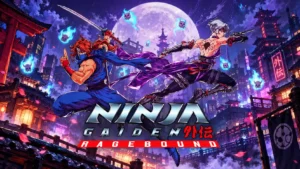
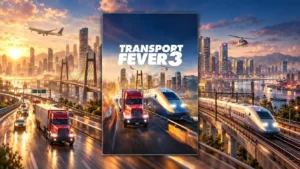
Compare Transport Fever 3 vs Ninja Gaiden: Ragebound

Transport Fever 3

Transport Fever 3

Overall score 4.2 / 5

Based on 28 scored reviews

vs
Ninja Gaiden: Ragebound

Ninja Gaiden: Ragebound

Overall score 4.4 / 5

Based on 77 scored reviews

How we score

Scorata scores summarize analyzed review evidence on a 1–5 scale; they are not laboratory measurements or a simple average of customer star ratings. Feature scores summarize the reviews covering that feature. The overall score averages feature scores within each review, then combines review averages. When both expert and customer evidence are available, those two groups receive equal weight. Products can have different review coverage, so small score gaps do not establish a winner.

Recommendations prioritize important features for the category, with a score of at least 3.5, a gap of at least 0.25 points and at least two supporting reviews per product. Features with widely varying scores or broad connectivity contexts are excluded from recommendations. These safeguards do not establish statistical significance.

Quick verdict

What each product is best for

The review evidence points to a tradeoff: humor and content variety versus dialogue quality and learning curve. Choose according to which strengths matter more to you; the overall score alone does not settle that choice.

Choose Transport Fever 3 for humor and content variety.

Choose Ninja Gaiden: Ragebound for dialogue quality and learning curve.

Why these recommendations?

Transport Fever 3

Where It Has the Edge

  • humor is 4.8 vs 4.0. The campaign uses quirky characters and light humor to keep its historical scenarios from feeling dry. The levity...
  • content variety is 5.0 vs 4.4. Dozens of industries, cargo types, climates, vehicles, campaign scenarios, and creative tools keep the transport problems varied.
  • value for money is 4.6 vs 4.1. For transport-management fans, the depth and replayability generally justify the asking price, though deluxe pricing and add-on concerns...

Ninja Gaiden: Ragebound

Where It Has the Edge

  • dialogue quality is 4.1 vs 2.3. The duo's banter adds humor and personality between battles. It works well for many, although several wish there...
  • learning curve is 4.4 vs 2.6. The basic toolkit is generally easy to grasp and rewarding to master. Adding the second character's weapon-color rules...
  • soundtrack quality is 4.8 vs 3.3. Energetic music is one of the clearest strengths, pairing retro melodies with driving synths and guitars. A few...
Transport Fever 3 4.2 overall score
Ninja Gaiden: Ragebound 4.4 overall score

Compare features

Scores are out of 5. Missing scores mean missing review evidence, not a missing feature.

Scored on both products

Other features

Monetization fairness
Transport Fever 3
1.5

Deluxe and preorder-locked content drew strong criticism, with concern that future paid add-ons could become too aggressive.

Ninja Gaiden: Ragebound
4.0

DRM-free PC ownership is valued by one embedded comment. The appeal is the sense of owning the game outright.

Handheld play suitability
Transport Fever 3
2.5

Handheld performance remains a concern because large simulations are CPU-heavy and pre-launch commentary stopped short of promising consistently strong Steam Deck results.

Ninja Gaiden: Ragebound
4.5

Short stages and responsive play make the game a strong fit for portable PCs, with Steam Deck and ROG Ally praise. Switch performance limitations can weaken that appeal for players sensitive to latency.

Load times
Transport Fever 3
3.0

Loading is inconsistent across reports: some large maps load quickly, while others become noticeably slow as saves and simulations grow.

Ninja Gaiden: Ragebound
5.0

Fast loading and quick respawns make repeated attempts convenient. Failed runs rarely require a long wait before trying again.

Dialogue quality
Transport Fever 3
2.3

Campaign dialogue is a weak spot, often described as campy, simplistic, or juvenile compared with the strength of the sandbox systems.

Ninja Gaiden: Ragebound
4.1

The duo's banter adds humor and personality between battles. It works well for many, although several wish there were more conversations to develop their bond.

Learning curve
Transport Fever 3
2.6

The game is demanding at first, with many systems interacting quickly and hidden logic that can overwhelm newcomers before the network finally clicks.

Ninja Gaiden: Ragebound
4.4

The basic toolkit is generally easy to grasp and rewarding to master. Adding the second character's weapon-color rules creates a brief coordination hurdle for some players.

World interactivity
Transport Fever 3
4.8

Terrain, city growth, workers, industries, and reputation respond visibly to transport choices, making network changes feel consequential.

Ninja Gaiden: Ragebound
3.3

Large enemies interacting with the scenery give some stages cinematic energy. Another assessment finds the backgrounds too detached from the playable space to feel alive.

Sandbox freedom
Transport Fever 3
4.9

Free Game and Sandbox offer exceptional freedom over maps, industries, difficulty, finances, and network design, supporting both serious tycoon play and relaxed building.

Ninja Gaiden: Ragebound
3.5

One enthusiastic take calls the toolkit a creative combat sandbox. Another finds the intended Hypercharge routes too prescriptive and would prefer more freedom to solve encounters independently.

Writing quality
Transport Fever 3
2.3

Campaign writing is serviceable but often simplistic or campy, leaving the sandbox systems to carry most of the experience.

Ninja Gaiden: Ragebound
3.7

Kenji and Kumori's personalities and exchanges give the writing much of its appeal. More critical takes want a less clichéd plot or additional scenes to make the relationship fully convincing.

Pacing
Transport Fever 3
2.5

The game can take several hours to reach its best flow, making the opening feel slow for players who have not yet mastered the systems.

Ninja Gaiden: Ragebound
3.8

The campaign usually keeps its momentum through quick encounters, fresh set pieces, and concise transitions. Some feel longer stages or repeated challenge runs introduce padding that weakens that rhythm.

Tutorial quality
Transport Fever 3
3.1

Tutorial quality is uneven: some introductions are clearer and more welcoming than before, while others skip context or can even fail during play.

Ninja Gaiden: Ragebound
4.3

Teaching through layouts and contextual cues is praised for keeping explanations out of the action. The opening tutorial also earns approval for establishing the importance of timing and patience.

Upgrade system
Transport Fever 3
5.0

Vehicle and infrastructure upgrades are a standout convenience, reducing destructive rebuilding and making fleet replacement much less tedious.

Ninja Gaiden: Ragebound
3.9

Talismans and Ragebound Arts let players tune builds, introduce handicaps, or experiment with different attacks. Opinions split over how many options are useful, whether limited equipment slots encourage variety, and how much the toolkit grows.

Violence level
Transport Fever 3
5.0

The near absence of death and destruction supports the game's calm, cosy management tone rather than adding conflict for its own sake.

Ninja Gaiden: Ragebound
4.1

Stylized dismemberment and pixelated gore are mostly praised for making hits satisfying and fitting the pace. One critic instead wants a more brutal presentation.

Progression system
Transport Fever 3
4.7

Company ranks, historical technology unlocks, headquarters upgrades, and monuments give long saves clear milestones and useful rewards.

Ninja Gaiden: Ragebound
3.8

Mastering the movement and unlocking equipment provide a satisfying sense of progress for many. Others want more new core moves or a richer selection of worthwhile abilities as the campaign unfolds.

Humor
Transport Fever 3
4.8

The campaign uses quirky characters and light humor to keep its historical scenarios from feeling dry. The levity is a welcome complement to the otherwise systems-heavy management experience.

Ninja Gaiden: Ragebound
4.0

The duo's light banter and an amusing jet-ski moment give the action personality. The humor adds warmth without needing to dominate the adventure.

Originality
Transport Fever 3
3.0

Transport Fever 3 feels fresher and deeper than its predecessor, but it deliberately builds on familiar foundations rather than introducing a fundamentally new concept.

Ninja Gaiden: Ragebound
3.8

The fused characters and demon-world sections give the game a distinctive identity for some. Others see an accomplished homage that borrows well without a defining idea of its own.

Graphics quality
Transport Fever 3
4.1

Visuals are generally attractive, with especially strong vehicles and lighting, but opinions split on dated terrain and whether the game looks modern enough for its hardware demands.

Ninja Gaiden: Ragebound
4.9

The detailed pixel presentation receives broad praise for clarity, color, and spectacle. Its strongest moments make the stages as enjoyable to look at as they are to play.

Narrative quality
Transport Fever 3
4.5

The historical campaign shows more narrative ambition than earlier entries, using varied eras, locations, humor, and voiced scenarios to give missions identity.

Ninja Gaiden: Ragebound
3.8

The earnest ninja story supplies enough momentum and personality for a brisk action campaign. Some enjoy the central partnership and twists, while others find the plot thin, conventional, or less convincing at its conclusion.

Immersion
Transport Fever 3
4.2

First-person views, weather, active vehicles, and a responsive world make the network feel tangible, though a few abstract systems can break the illusion.

Ninja Gaiden: Ragebound
4.8

Fast movement, rhythmic combat, and energetic music readily produce a flow state. Several players describe losing themselves in the action or struggling to put it down.

Onboarding experience
Transport Fever 3
3.5

Onboarding is improved in several areas, but the campaign and tutorials still leave gaps that can make the jump into the full sandbox intimidating.

Ninja Gaiden: Ragebound
4.1

Early levels usually introduce the movement and combat rules naturally before asking for more elaborate chains. A detailed critique finds the highest ranking requirements too hidden to understand without experimentation.

Content variety
Transport Fever 3
5.0

Dozens of industries, cargo types, climates, vehicles, campaign scenarios, and creative tools keep the transport problems varied.

Ninja Gaiden: Ragebound
4.4

Chases, vertical climbs, vehicle sequences, and changing environments keep the action varied. Most welcome these brief departures from the main combat-platforming formula.

Difficulty balance
Transport Fever 3
4.8

Granular difficulty settings and optional depth let players tune the challenge well, while the game generally gives patient planners room to recover from mistakes.

Ninja Gaiden: Ragebound
4.2

Many find the normal campaign fair and more approachable than older entries, with demanding bosses and optional mastery challenges. Others find it too easy, sharply uneven, or unnecessarily frustrating in its timed sections.

Environmental detail
Transport Fever 3
4.3

Vehicles, buildings, lighting, weather, and biome transitions can look excellent up close, though some terrain and empty areas still appear dated.

Ninja Gaiden: Ragebound
4.8

Layered scenery and richly drawn backgrounds give each location character. Fire, industrial spaces, and changing horizons make the campaign's environments memorable.

Mission variety
Transport Fever 3
5.0

Historical campaign scenarios introduce distinct settings and mission-specific mechanics that keep the structured mode fresh.

Ninja Gaiden: Ragebound
4.5

Different stage goals and short vehicle set pieces keep the mission structure fresh. The variety is especially appreciated when it adds a change of pace without overstaying its welcome.

Vehicle roster
Transport Fever 3
5.0

The huge historical roster is a consistent highlight, with hundreds of detailed trains, road vehicles, ships, aircraft, and new transport types spanning more than a century.

Ninja Gaiden: Ragebound
4.5

Motorcycle and jet-ski stages add memorable, playful variety. Their brevity helps them feel like welcome set pieces rather than a distraction.

Animation quality
Transport Fever 3
4.5

Cargo-transfer animations add useful visual feedback and make loading activity more satisfying to watch.

Ninja Gaiden: Ragebound
4.9

Smooth, expressive sprite animation helps sell both the characters and the speed of combat. Frequent praise centers on readable attacks and lively enemies rather than merely nostalgic styling.

Atmosphere
Transport Fever 3
4.8

Dynamic weather, day-night lighting, and the pleasure of watching a working network give the game an unusually cosy, living-world feel.

Ninja Gaiden: Ragebound
4.3

The retro cinematic mood and music create a strong sense of atmosphere. Some prefer a darker, more classically foreboding Ninja Gaiden tone than this interpretation provides.

Polish
Transport Fever 3
4.8

Broad quality-of-life improvements, refined systems, and cleaner workflows make this feel like a carefully developed sequel despite some lingering construction and technical rough edges.

Ninja Gaiden: Ragebound
4.4

Small refinements make much of the action feel polished and reduce classic sources of frustration. A dissenting assessment still finds some details scrappy, so the finish is not uniformly flawless.

Frame rate stability
Transport Fever 3
3.0

Performance varies sharply by setup and map size: some sessions stay smooth, while other tests report increasing stutter and drops as networks become large.

Ninja Gaiden: Ragebound
2.7

Original Switch play is repeatedly criticized for a 30 FPS ceiling and uneven frame pacing. Some Xbox One sessions also show slowdown, while other platforms and setups fare better.

AI behavior
Transport Fever 3
1.8

Vehicle routing and cargo logic can make irrational choices, especially in busy networks. Automatic pathing sometimes needs manual correction.

Ninja Gaiden: Ragebound
2.0

Enemy behavior draws criticism for awkward blocking and evasiveness in one assessment. Another argues that powerful movement makes enemy placement and behavior too easy to bypass.

Gameplay mechanics
Transport Fever 3
4.7

Deeper logistics, traffic, cargo timing, maintenance, city reactions, and infrastructure tools create a rich management simulation with meaningful interlocking systems.

Ninja Gaiden: Ragebound
4.5

Guillotine Boost, Hypercharge, and the fused characters turn enemies into both combat targets and stepping stones. Most find these systems exhilarating together, though a detailed dissent argues the bounce is so powerful that it bypasses intended challenges.

Visual effects quality
Transport Fever 3
5.0

Rain, reflections, lighting, and weather effects add striking atmosphere and make the transport world feel far more alive.

Ninja Gaiden: Ragebound
4.8

Explosions, sharp impact effects, screen shake, and animated set pieces give attacks and stages substantial punch. These details make the small-scale pixel action feel unusually cinematic.

Art direction
Transport Fever 3
4.5

The visual direction favors atmosphere, lighting, and distinct biomes over photorealism, a choice that suits the management focus well.

Ninja Gaiden: Ragebound
4.7

Colorful pixel art, striking backgrounds, and readable action make the visual direction a consistent highlight. The style captures retro appeal while usually feeling refined rather than confined by imitation.

Innovation
Transport Fever 3
3.8

The sequel adds substantial depth and smarter tools, but it is still an evolution of the established formula rather than a radical reinvention.

Ninja Gaiden: Ragebound
4.0

Guillotine Boost and the dual-character rules modernize the series in ways many find thoughtful and exciting. More skeptical takes want the new mechanics to develop further or justify their complexity better.

Economy and resource balance
Transport Fever 3
3.5

Money matters and expansion creates meaningful tradeoffs, but opaque revenue swings and large infrastructure costs can make finances hard to read.

Ninja Gaiden: Ragebound
3.7

Ki, Hypercharge, and spirit management can add satisfying tactical choices. Excess shop currency and ultimate attacks that rarely recharge leave others questioning how well the resource economy supports experimentation.

Core gameplay loop
Transport Fever 3
4.8

Building routes, spotting bottlenecks, and repeatedly optimizing an expanding network is the game's biggest strength and becomes highly addictive once it clicks.

Ninja Gaiden: Ragebound
4.6

Fast attacks and linked traversal create an absorbing rhythm that repeatedly draws players into another stage. The main reservation is that chasing prescribed ranking checklists can feel less integrated than the action itself.

Content completeness
Transport Fever 3
4.9

The game feels substantial, with a deep base package, many interconnected systems, and enough breadth to stand as a major sequel rather than a thin update.

Ninja Gaiden: Ragebound
5.0

The campaign and mastery extras are praised as a satisfying complete package. One enthusiastic assessment values how its combat, music, art, and challenge come together.

Fun factor
Transport Fever 3
4.9

For players who enjoy transport planning and optimization, the experience is repeatedly described as absorbing, satisfying, and difficult to put down.

Ninja Gaiden: Ragebound
4.9

Chaining boosts and cutting through enemies makes the game consistently enjoyable for many players. Enthusiastic reactions often center on how satisfying the action remains after repeated runs.

Faithfulness to franchise
Transport Fever 3
4.8

The sequel keeps the recognizable Transport Fever formula while refining it into a more polished and approachable evolution.

Ninja Gaiden: Ragebound
4.8

Most see a confident revival that preserves the speed and spirit of classic Ninja Gaiden while improving its usability. Traditionalists can disagree over how far its movement, combat, and tone depart from the originals.

HUD clarity
Transport Fever 3
3.0

Notifications can pinpoint broken supply chains well, yet late-game information density and scattered data make the HUD harder to read as networks grow.

Ninja Gaiden: Ragebound
3.0

Simple special-attack gauges are easy to understand. A report of missing combo tracking shows how a small HUD failure can disrupt builds that rely on it.

Performance

Soundtrack quality
Transport Fever 3
3.3

The music works as background accompaniment and can reflect campaign regions, but it is not consistently memorable and can become repetitive.

Ninja Gaiden: Ragebound
4.8

Energetic music is one of the clearest strengths, pairing retro melodies with driving synths and guitars. A few find individual tracks less memorable during play, even while appreciating how effectively the score supports the action.

Performance optimization
Transport Fever 3
3.6

Technical results are mixed: some hardware runs the simulation smoothly, while large late-game networks can expose CPU bottlenecks and stutter.

Ninja Gaiden: Ragebound
3.3

Firsthand PC reports are positive, but portable performance is more variable. Switch optimization draws substantial criticism, while Switch 2 improves the experience without eliminating every pacing issue.

Comfort and build

Mission design
Transport Fever 3
2.8

The campaign is useful for learning and has interesting moments, but linear objectives, forced sequences, and occasional restart-heavy mistakes can frustrate.

Ninja Gaiden: Ragebound
4.2

Optional stage objectives give familiar routes fresh goals and reward refined execution. Most enjoy chasing better ranks, but some see redundant checklists that add less depth than they initially appear to offer.

Controller ergonomics
Transport Fever 3
2.0

Console play is functional but cumbersome once networks grow, with scrolling, inspection controls, and fleet upgrades feeling awkward on a controller.

Ninja Gaiden: Ragebound
2.8

Thoughtful button placement helps manage the busy action, but repeated slashing can tire hands and wrists. Bosses with large health pools make that physical strain more noticeable.

User interface design
Transport Fever 3
4.4

The redesigned interface is widely praised for clearer network data, integrated line management, and better visual feedback, with console and editor-specific exceptions.

Ninja Gaiden: Ragebound
3.6

The interface earns praise for sharp presentation and convenient challenge tracking. Ranking requirements and stage-completion markers are less clear to some players.

Sound design
Transport Fever 3
4.0

Vehicle and environmental effects are detailed and reliable, giving long sessions useful sonic texture without becoming distracting.

Ninja Gaiden: Ragebound
4.8

Clear impact sounds and satisfying slicing effects reinforce the speed and weight of combat. The audio feedback is praised for fitting the action rather than competing with it.

World-building
Transport Fever 3
4.6

Organic city growth, moving citizens, historical progression, and changing environments create a convincing sense of a living transport world.

Ninja Gaiden: Ragebound
4.0

The blend of modern technology, ancient ninja arts, and magic appeals to one assessment. That mixture gives the setting its characteristic contrast.

Ownership and support

Value for money
Transport Fever 3
4.6

For transport-management fans, the depth and replayability generally justify the asking price, though deluxe pricing and add-on concerns make the value less universal.

Ninja Gaiden: Ragebound
4.1

Several players consider the asking price excellent for the quality and replay challenges. Value is less convincing for those who stop after the short campaign or encounter Switch performance problems.

Replay value
Transport Fever 3
4.9

Procedural maps, sandbox settings, mods, historical progression, and endless optimization make replayability one of the game's strongest qualities.

Ninja Gaiden: Ragebound
4.5

Ranks, collectibles, secret missions, and hard mode give the compact campaign substantial replay appeal. That value depends on enjoying repeated execution challenges; some find the checklists or limited new rewards less compelling.

Controls and connectivity

Voice acting
Transport Fever 3
2.0

Voice acting is one of the presentation's weakest areas, with several performances described as robotic, flat, or unnatural.

Ninja Gaiden: Ragebound
2.5

One assessment misses the hammy voice acting that might have strengthened the retro presentation. The unvoiced approach leaves that particular nostalgic expectation unmet.

Menu usability
Transport Fever 3
3.8

Line and vehicle management is far more streamlined than before, although some console and cargo-station workflows remain cumbersome or underexplained.

Ninja Gaiden: Ragebound
3.7

Clean menus and easy access to assists or restarts help keep play moving. Complaints focus on confusing stage selection and the missing option to listen to the soundtrack from a menu.

Evidence available for one product

Battery and charging

Battery life
Transport Fever 3No score yet
Ninja Gaiden: Ragebound
4.0

A 60 FPS cap on Steam Deck is appreciated for reducing battery drain. It offers a practical tradeoff for longer portable sessions.

Other features

Accessibility options
Transport Fever 3No score yet
Ninja Gaiden: Ragebound
4.4

Assist settings make the game approachable by adjusting damage, speed, knockback, and other demanding mechanics. Their flexibility is widely appreciated, although the lack of a rapid-fire sword option can leave repeated slashing tiring.

Achievement list quality
Transport Fever 3No score yet
Ninja Gaiden: Ragebound
4.5

Achievements remain available with assist settings, making goals more welcoming. A separate assessment praises challenges that reward skill and style rather than busywork.

Aiming precision
Transport Fever 3No score yet
Ninja Gaiden: Ragebound
2.0

Tiny teleportation targets can make Kumori's timed sections feel unforgiving. Missing by a few pixels and restarting frustrated one panel more than the demanding boss fights did.

Bug frequency
Transport Fever 3No score yet
Ninja Gaiden: Ragebound
2.6

Reports include minor enemy glitches, missing combo tracking, and occasional invisible-platform problems. These faults are not universal, but can undermine otherwise precise challenges when they cause unfair deaths.

Camera behavior
Transport Fever 3
4.2

Vehicle-follow and first-person views are enjoyable for admiring the network, while mouse camera control is mostly easy but occasionally behaves unpredictably.

Ninja Gaiden: RageboundNo score yet
Character development
Transport Fever 3No score yet
Ninja Gaiden: Ragebound
4.1

The uneasy alliance grows into a partnership that many find warm and engaging. Some think the relationship is rushed and needs more dialogue to earn its later moments.

Character roster
Transport Fever 3No score yet
Ninja Gaiden: Ragebound
3.9

Combining Kenji's melee skills with Kumori's ranged tools gives the playable duo a strong identity. Several players wish Kumori had more standalone stages rather than appearing chiefly through fusion or switches.

Checkpoint system
Transport Fever 3No score yet
Ninja Gaiden: Ragebound
4.5

Frequent checkpoints and quick returns make demanding sections more manageable. Most appreciate the reduced repetition after death, though a few find the spacing or healing rules uneven.

Collectibles
Transport Fever 3No score yet
Ninja Gaiden: Ragebound
4.2

Hidden skulls, scarabs, and scrolls reward exploration and feed upgrades or extra challenges. Most enjoy returning for missed items, but some lose motivation when rewards or timed side sections disappoint.

Combat system
Transport Fever 3No score yet
Ninja Gaiden: Ragebound
4.7

Quick sword strikes, ranged attacks, and color-coded Hypercharge rewards make combat feel crisp and energetic. Critics find the toolkit less demanding or less expansive than its early promise suggests.

Community features
Transport Fever 3No score yet
Ninja Gaiden: Ragebound
2.5

One panel wants a proper leaderboard to make improved runs easier to show off. The existing challenge structure leaves that competitive community incentive unmet.

Crash stability
Transport Fever 3No score yet
Ninja Gaiden: Ragebound
3.0

One assessment reports occasional crashes when starting a stage. Restarting resolves the interruption, but the instability remains a blemish.

Cutscene skippability
Transport Fever 3No score yet
Ninja Gaiden: Ragebound
4.5

Skippable transitions and boss dialogue make repeat attempts more convenient. Players can focus on refining execution rather than sitting through the same scenes again.

Driving mechanics
Transport Fever 3
5.0

Improved vehicle physics, lane use, overtaking, and traffic controls make road behavior more convincing and easier to manage.

Ninja Gaiden: RageboundNo score yet
Emotional impact
Transport Fever 3No score yet
Ninja Gaiden: Ragebound
3.8

The central partnership can give the story a warm core and a satisfying ending. One strongly negative reaction instead finds the finale's tonal shift clumsy.

Endgame content
Transport Fever 3No score yet
Ninja Gaiden: Ragebound
4.0

Hard mode and secret operations are often praised for turning completion into a new mastery challenge. Some think the remixes lose ambition later or that the toughest extras arrive too late.

Enemy variety
Transport Fever 3No score yet
Ninja Gaiden: Ragebound
4.2

A broad mix of enemies gives the toolkit different problems to solve and helps stages stay engaging. Their placements and new combinations matter as much as their appearance.

Exploration quality
Transport Fever 3No score yet
Ninja Gaiden: Ragebound
4.2

Hidden paths and collectibles make revisiting stages rewarding without usually disrupting the pace. A few would like the side areas to be more distinctive or less repetitive.

Fishing mechanics
Transport Fever 3
4.5

Fishing supply chains benefit from requiring real water transport, making boats and offshore logistics feel purposeful rather than decorative.

Ninja Gaiden: RageboundNo score yet
Game length
Transport Fever 3No score yet
Ninja Gaiden: Ragebound
3.7

The campaign's length is divisive: many appreciate a focused run, while others finish wanting more or find individual stages padded. Hard mode and completion challenges substantially change the value of that first clear.

Generative AI concerns
Transport Fever 3
1.0

Robotic campaign voices prompted suspicion that some lines may be AI-generated, making the presentation feel less natural.

Ninja Gaiden: RageboundNo score yet
Grind level
Transport Fever 3No score yet
Ninja Gaiden: Ragebound
5.0

The focus on execution avoids the bloated progression grind that some players dislike. Even repeated mastery runs remain enjoyable for an enthusiast who normally sees grinding as a chore.

Haptic feedback integration
Transport Fever 3No score yet
Ninja Gaiden: Ragebound
2.0

One assessment finds the lack of vibration reduces combat impact. More tactile feedback would make hits feel stronger to that player.

Hint system
Transport Fever 3
4.5

Subsidies can double as useful nudges toward sensible next steps, helping reduce decision paralysis in a very open sandbox.

Ninja Gaiden: RageboundNo score yet
Lore depth
Transport Fever 3No score yet
Ninja Gaiden: Ragebound
4.0

Franchise references and added clan context give longtime fans something to enjoy. The background material is appreciated for adding flavor without making the story cumbersome.

Movement feel
Transport Fever 3No score yet
Ninja Gaiden: Ragebound
4.9

Bouncing off enemies and projectiles, climbing walls, and chaining rolls into jumps deliver unusually fluid movement. A minority finds this freedom overpowered or less satisfying when timed teleporting interrupts the flow.

Overall quality
Transport Fever 3No score yet
Ninja Gaiden: Ragebound
4.6

The overall response is strongly favorable, with several enthusiastic recommendations and game-of-the-year claims. More reserved reactions still often enjoy the action while questioning difficulty, length, progression, or platform performance.

Pause functionality
Transport Fever 3No score yet
Ninja Gaiden: Ragebound
4.0

Restarting a stage through the pause menu makes it easy to correct a failed objective. Perfectionists benefit from being able to begin another attempt without cumbersome navigation.

Platforming precision
Transport Fever 3No score yet
Ninja Gaiden: Ragebound
4.3

Most praise the tight hitboxes and the control needed to link jumps, boosts, and attacks. Timed demon sections are more divisive, with some finding their precision exhilarating and others finding the margins frustrating.

Sailing mechanics
Transport Fever 3
4.5

Water logistics are more convenient and purposeful, with fisheries and unified harbor functions giving ships a stronger role in supply chains.

Ninja Gaiden: RageboundNo score yet
Shopkeeping system
Transport Fever 3No score yet
Ninja Gaiden: Ragebound
4.5

Muramasa's shop gives collectibles a useful purpose and helps players tailor their tools. Favorable assessments find the purchases engaging and practical.

Side character depth
Transport Fever 3No score yet
Ninja Gaiden: Ragebound
3.5

The villains leave a visual impression without offering much character depth. Their appeal is chiefly as imposing threats rather than richly developed personalities.

Skill tree depth
Transport Fever 3No score yet
Ninja Gaiden: Ragebound
4.5

The absence of a large skill tree is welcomed for keeping the action easy to pick up. These assessments value skill and execution over spending time managing progression menus.

Social features
Transport Fever 3No score yet
Ninja Gaiden: Ragebound
2.5

A leaderboard would give skilled players a clearer way to share and compare their results. Its absence disappoints a panel interested in showing off cleaner runs.

Weapon balance
Transport Fever 3No score yet
Ninja Gaiden: Ragebound
3.3

Equipment balance divides opinion: some find useful combinations without trivializing the action, while others discover dominant choices or overly powerful setups. A small range of attractive Arts can also limit experimentation.

Comfort and build

Boss design
Transport Fever 3No score yet
Ninja Gaiden: Ragebound
4.3

Boss fights are frequent highlights, combining clear patterns, imposing designs, and satisfying mastery. A few encounters have tiring health pools, while opinions differ on the finale and how much hard mode changes later fights.

Level design
Transport Fever 3No score yet
Ninja Gaiden: Ragebound
4.3

Thoughtful enemy placement and stages built around the movement toolkit make the campaign a major strength. Complaints focus on occasional overlong routes, repetitive stretches, and timed sections that interrupt otherwise satisfying flow.

Map and navigation design
Transport Fever 3No score yet
Ninja Gaiden: Ragebound
3.0

The world map provides a useful stage-selection structure for some players. Others find it hard to tell which branches are complete and which missions should come next.

Multiplayer design
Transport Fever 3
1.5

The lack of multiplayer is a notable disappointment for players who want to build transport networks cooperatively or competitively.

Ninja Gaiden: RageboundNo score yet
Puzzle design
Transport Fever 3No score yet
Ninja Gaiden: Ragebound
4.8

Demon-world routes mix movement with switches, teleporting, and a dwindling timer. These compact puzzles are usually praised for rewarding a well-planned route without overwhelming the action.

Quest design
Transport Fever 3
4.1

Contracts and subsidies break up sandbox routines with optional goals and useful rewards, though penalties and repetition can occasionally feel too harsh.

Ninja Gaiden: RageboundNo score yet
Town-building system
Transport Fever 3
4.7

Cities respond meaningfully to service quality, pollution, traffic, reputation, and district needs, making transport decisions shape how settlements grow.

Ninja Gaiden: RageboundNo score yet
Track builder
Transport Fever 3
3.9

Road and rail construction is much more flexible and intuitive than before, though missing undo tools, console friction, and occasional snapping issues still cause frustration.

Ninja Gaiden: RageboundNo score yet

Controls and connectivity

Character customization
Transport Fever 3No score yet
Ninja Gaiden: Ragebound
4.0

Unlockable skins receive a positive nod for adding cosmetic variety. They offer a small extra reward beyond the main equipment choices.

Controls responsiveness
Transport Fever 3No score yet
Ninja Gaiden: Ragebound
4.8

Responsive inputs are among the most consistent strengths, letting precise attacks and jumps keep pace with the action. New color-dependent weapon rules briefly disrupt muscle memory for some players.

Protagonist appeal
Transport Fever 3No score yet
Ninja Gaiden: Ragebound
4.3

Kenji and Kumori make appealing leads, with Kumori's attitude and competing loyalties standing out. Their interplay brings a more human, playful touch to the adventure.

Performance

CRT filter quality
Transport Fever 3No score yet
Ninja Gaiden: Ragebound
4.8

The optional CRT filter earns praise for convincing scanlines and screen curvature without sacrificing visibility. One enthusiast keeps it on throughout play.

Marketing accuracy
Transport Fever 3
5.0

Clear separation of real gameplay footage from pre-rendered material helps set realistic expectations for how the finished game actually looks.

Ninja Gaiden: RageboundNo score yet

Ownership and support

DLC value
Transport Fever 3
2.0

The base game earns a positive verdict, but deluxe and preorder content raises concern about how aggressively paid add-ons may expand.

Ninja Gaiden: RageboundNo score yet
Mod support
Transport Fever 3
4.9

The integrated mod hub is a major strength, with cross-platform support, strong day-one availability, and tools that greatly extend replayability.

Ninja Gaiden: RageboundNo score yet
Platform-specific feature support
Transport Fever 3No score yet
Ninja Gaiden: Ragebound
2.0

Embedded Switch feedback strongly objects to the absence of a 60 FPS option on Switch 2. That limitation discourages purchase for a player seeking faster performance.

Other Top Video Games to Consider

#1 Well Dweller
4.7

Best for fluid traversal, rewarding exploration, striking art, and forgiving quality-of-life features. Skip it if you want deep combat, radical genre innovation, or consistently demanding bosses.

Pros: difficulty balance, boss design

Cons: innovation, sandbox freedom

#2 Hades II
4.5

Best for superb combat, inventive builds, and richly voiced characters. Skip it if repeated runs, resource gathering, or visually busy battles outweigh the appeal of steady progress.

Pros: overall quality, combat system

Cons: pacing, grind level

#3 Valheim
4.5

Good if you want a beautiful, demanding survival sandbox built around exploration, building, progression, and memorable co-op. Skip it if long resource runs, harsh death recovery, and deliberate pacing sound...

Pros: town-building system, exploration quality

Cons: grind level, fast travel convenience

#4 Grand Theft Auto VI
4.5

Leonida is a breathtakingly alive crime sandbox with memorable protagonists, spectacular heists, and extraordinary detail. The tradeoff is a 30 fps ceiling, occasional control awkwardness, and some progression friction.

Pros: immersion, graphics quality

Cons: grind level, controls responsiveness