
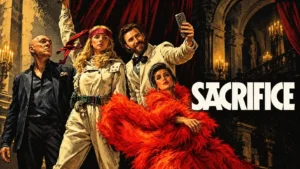
Digger
Where It Has the Edge
- production design is 4.8 vs 4.4. Production design earns some of the strongest consensus, with elaborate sets, layered detail, and theatrical spaces repeatedly singled...

Scorata scores summarize analyzed review evidence on a 1–5 scale; they are not laboratory measurements or a simple average of customer star ratings. Feature scores summarize the reviews covering that feature. The overall score averages feature scores within each review, then combines review averages. When both expert and customer evidence are available, those two groups receive equal weight. Products can have different review coverage, so small score gaps do not establish a winner.
Recommendations prioritize important features for the category, with a score of at least 3.5, a gap of at least 0.25 points and at least two supporting reviews per product. Features with widely varying scores or broad connectivity contexts are excluded from recommendations. These safeguards do not establish statistical significance.
Quick verdict
The available evidence supports the recommendation below, but does not establish an overall winner. Check the remaining features against your priorities.
Choose Digger for production design.
There is not enough comparable review evidence to recommend Sacrifice over the other product.
No clear scored advantage over the other product.
Scores are out of 5. Missing scores mean missing review evidence, not a missing feature.
The editing draws a specific criticism that at least one supporting role feels so reduced that its substance may have been lost in the cut.
The editing’s musicality helps the images and performance sequences flow with exceptional expressive force.
At its best, the movie can turn its bravura staging into genuine feeling; one major set piece is praised as emotionally overwhelming while still finding room for comedy.
The conclusion and larger sense of despair resonate powerfully for some. Others find the characters too superficial, or the attempted vulnerability too weak, to sustain emotional investment.
Runtime is a recurring concern. Several reviewers find the film exhausting at more than two hours and say the experience would benefit from being shorter.
The roughly 100-minute length keeps the film relatively compact and watchable. One critic instead wishes it were longer so the ideas and characters could develop fully.
The early structural turn is often praised as daring, surprising, and inventive. Several critics, though, think the same twist destabilizes the movie and makes its construction less satisfying.
The strange premise and unexpected direction earn some admiration. Others find familiar redemption beats and recycled satire beneath the outrageous situations.
The screenplay is one of the most contested elements. Some call it whip-smart or masterful, while many others see the writing as overstuffed, messy, or the film’s central weakness.
The script has occasional funny, revealing moments for Mike. Much of the criticism concerns thin characters, strained dialogue and ideas that never form a coherent argument.
As satire, the movie inspires opposite reactions: some see a sharp, biting success, while others think the farce fails because the comedy and critique do not work together.
Dark-comedy fans receive a qualified recommendation from one admirer, but other assessments find the film ineffective as satire and wish it had committed to a straighter dramatic approach.
The ending sharply divides opinion. Some find the final beat provocative or darkly funny, while others call it weak, empty, or an unsatisfying payoff to the film’s elaborate setup.
The finale is one of the biggest dividing points: one defender finds it powerfully moving, while many others find it baffling, confused or unearned.
The climate-and-power message lands as urgent and resonant for some reviewers, but others see the satire as blunt, shallow, smug, or too heavily explained to be persuasive.
The film’s anger at empty activism can feel timely and forceful. Its overall point is much more often judged muddled, obvious or buried under too many competing ideas.
The movie’s nested framing can be hard to follow on its own terms, with one reviewer arguing that its explanatory twist still does not quite make logical sense.
The story’s accumulating ideas and changing direction leave many reactions confused. The final act, rescue logic and volcanic metaphor are particular stumbling blocks.
Pacing is a recurring weakness: the intensity can become exhausting, the middle can feel slack, and several reviewers wish the film moved faster or ended sooner.
The opening has energy, but cult exposition, repetitive arguments and a sagging second half frequently drain momentum. One assessment instead finds Mike’s arc takes too long to become interesting.
Cinematography is a major strength, with repeated praise for Emmanuel Lubezki’s compositions, long takes, scale, and unusual imagery. Some viewers dislike the washed-out, colorless look and find it visually off-putting.
The marble quarry, Greek island and volcanic landscapes are the most consistent attraction. Thoughtful compositions and striking location photography often impress even when the satire fails.
The core disaster setup and meta-narrative fascinate some viewers, but others find the story messy, hollow, or fundamentally broken once its layered structure takes over.
The central journey can work as an introspective study of a desperate actor. Many more complaints focus on an incoherent narrative that sacrifices convincing storytelling for messages and gimmicks.
The concealed structure gives the film a genuine discovery factor, with one reviewer saying that figuring out what Iñárritu is really doing is a major part of the fun.
Uncertainty about whether the volcanic prophecy is genuine keeps one critic questioning the premise throughout.
The deliberately artificial presentation weakens realism for the reviewer who addresses it directly, making the world feel more like a constructed facsimile than lived reality.
The planned helicopter rescue is criticized for ignoring the obvious practical threat from armed cult members.
Cosmo Sheldrake’s score receives emphatic praise for its distinctive use of altered birdsong and broken-carnival texture.
The powerful score and ominous choral music help heighten the apocalyptic scale and dread.
Humor is intensely divisive. Some reviewers find the satire hilarious or mordantly funny, while many others say the jokes fall flat and the movie is louder than it is funny.
Evans supplies the most reliable laughs, particularly when Mike mistakes danger for attention. Beyond those moments, the comedy is widely criticized as obvious, strained or flat.
The film’s tonal pivots are intentionally abrupt, but the movement between farce, tragedy, and meta-drama can feel jarring or atonal even when the ambition is appreciated.
Broad celebrity jokes, solemn prophecy and apocalyptic spectacle frequently clash. The jump from early satire to serious drama is a major source of frustration.
The film’s themes can feel layered, provocative, and intellectually ambitious, especially around climate, power, art, and complicity. Critics who resist it find the same ideas shallow, obvious, or overexplained.
The existential character study and religious imagery have passionate defenders. The more common complaint is that climate, celebrity and activism ideas are introduced without sufficient depth.
The long monologues produce some of the movie’s most celebrated scenes, especially when Cruise or Ahmed gets room to perform. Elsewhere, the dialogue is criticized as didactic, repetitive, shouty, or awkward.
Mike’s conversations can be funny and revealing. Elsewhere, strained exchanges and prolonged monologues make the writing feel labored.
Iñárritu’s direction earns respect for its formal daring and control, but the same maximalism is often criticized as heavy-handed, self-indulgent, or too insistent.
Gavras’s eye for spectacle and expressive framing earns substantial admiration. His control of story, tone and meaning proves much more contentious.
Character work is uneven. Cruise sometimes finds extra humanity in Digger, but many reviewers describe the surrounding characters as thin, one-note, underwritten, or lacking interior life.
Mike’s insecurities occasionally support a compelling character study, and Joan’s upbringing adds conviction. More often, the central figures are criticized as thin archetypes with underdeveloped motivations.
Sound design is a rare technical complaint: one review finds the deliberately abrasive clanging and artificial sonic texture actively off-putting.
The film’s audio presentation earns praise, though the audio-description credits announcement has a conspicuous recording mismatch.
The visual style can be striking, dreamlike, and disturbing, but not every choice lands; the square framing and aggressively stylized presentation can also feel irritating.
Bold landscapes, surreal set pieces and music-video flourishes are major strengths. A smaller set of reactions finds the presentation sterile or occasionally overblown.
Production design earns some of the strongest consensus, with elaborate sets, layered detail, and theatrical spaces repeatedly singled out as exceptional. A few reviewers find the maximalism overloaded rather than immersive.
The marble quarry gala is a standout setting, combining imposing natural rock with extravagant human decoration. Its distinctive spaces remain appealing even in otherwise negative assessments.
Value is strongest for moviegoers who already have a cinema subscription or want the large-format craft experience; one reviewer calls it worth seeing on the big screen while stopping short of must-watch status.
The film is not considered a strong enough attraction to justify buying a Netflix subscription specifically to watch it.
Entertainment value depends heavily on tolerance for the film’s abrasive style. Some viewers find it captivating and never boring, while others say the experience is simply not enjoyable.
Strong visuals, committed leads and bizarre turns make the film watchable for some. Many others find the experience tedious, frustrating or simply not worth the time.
The ensemble acting draws strong praise from the review that evaluates the cast as a whole, with Cruise and his costars described as giving bravura performances.
Committed performers often supply the energy the script lacks. Several assessments praise the whole cast, while others find the ensemble wasted or working in conflicting registers.
Marketing deliberately conceals the movie’s central structural reveal, so trailers present only part of what the film actually becomes and can create expectations that the finished movie quickly overturns.
The release framing draws criticism for presenting a film from the previous festival year as a new release.
The supporting ensemble is frequently praised, especially Riz Ahmed and several scene-stealing players. The main caveat is limited screen time and uneven material, which leaves some performers underused.
Some find the ensemble delightful and resourceful even in small parts. Others see major performers stranded in thin roles, with Jade Croot standing out as an especially effective exception.
Cruise’s lead performance is the clearest point of praise, with many calling his commitment, physicality, and monologue work riveting or career-best. A smaller group finds the performance hammy, overblown, or too external.
Evans’s vain, frightened actor and Taylor-Joy’s committed zealot often elevate the film. A minority finds Evans bland or unable to carry the story, while others consider the leads exceptional.
Audience appeal is deliberately narrow and repeatedly described as divisive. The film’s abrasive tone, dense ideas, and radical shifts are likely to alienate viewers looking for a conventional Cruise vehicle.
Its unusual mixture of celebrity satire and philosophical spectacle makes the appeal highly dependent on taste. Some see a receptive niche, while another finds no clear audience.
The mad scientist’s accent is difficult to decipher, making an already eccentric cameo harder to follow.
Epic volcanic landscapes can feel transporting and ominous. The same somber approach also strikes one critic as a downer that smothers the comedy.
Mike and Joan work as contrasting figures on an unexpected shared journey, even though neither is richly detailed.
Evans fits the fallen movie star particularly well, and Cassel makes a natural smug billionaire. Malkovich and Taylor-Joy also make a convincing father-daughter casting choice.
The cameos help sustain curiosity, but the musical guest appearance divides opinion sharply between scene-stealing fun and cringe.
The need for celebrity validation gives Mike an engaging center. The broader critique divides opinion, with several critics finding it shallow or guilty of the self-congratulation it mocks.
Gloria and the scientist father feel underused, and several characters fade from the story. One critic also wishes the film spent less time on Mike’s weaker arc.
The wealthy gala’s performative generosity supplies sharp targets and some effective jokes. Supporters also appreciate the attempt to move beyond routine anti-capitalist gestures.
Evans’s oblivious movie-star reactions provide several of the strongest laughs. Taylor-Joy’s restrained delivery also earns praise for effortless comic timing.
The elaborate gala number is a standout for one critic, while another finds the music-and-dance presentation cringeworthy.
The serious material does not work well enough to compensate for the weak comedy.
The hallucinatory material is audacious and imaginative for some, revealing a freer visual approach. Another critic finds the dream sequences tiresome and excessive.
Mike receives most of the meaningful development. Several supporting characters are sidelined or forgotten as the story leaves the gala.
The attack on performative climate activism is timely and has forceful defenders. Many assessments find it confused, superficial or unable to say more than that wealthy people are hypocritical.
The mockery of Hollywood activism has occasional bite. More often, it feels like an easy inside joke that does not examine its own celebrity privilege deeply enough.
Careful framing turns architecture and landscape into visual commentary on ego and grandiosity. Several shots add meaning beyond their surface beauty.
The cult’s backstory interrupts the more engaging Mike narrative with an exposition dump that halts momentum.
The combination of satire, action, existential drama and apocalyptic dread sometimes creates productive tension. Most reactions find those elements pulling apart rather than forming a cohesive film.
Joan’s wig and blunt haircut draw a direct complaint for looking terrible.
Some sight gags work, but the satire repeatedly settles for easy targets and obvious laughs.
The prosthetic makeup is often admired for helping Cruise disappear into the role, with several reviewers calling the transformation seamless or striking. Others find the fat suit and facial work conspicuous or distracting.
Several critics consider the finished film forgettable despite its recognizable cast. Even a strong defender finds it less memorable than Athena.
The danger can feel manufactured, especially when the characters provide little reason to care about their survival.
The gala’s opening stretch provides a decent setup and a more coherent satirical tone than the later film.
Unexpected turns make the journey interesting in one account, while another finds the twists contrived and harmful to momentum.
The political argument becomes muddled, and the film offers little substantial treatment of the systems behind the climate crisis.
One account admires the refusal to flatten the conflict into a simple both-sides argument. Others find the treatment self-defeating or too insulated to challenge its own assumptions.
A few defenders find the ideological contradictions provocative and forceful. Most complaints focus on toothless targets, confused politics and a failure to make the satire bite.
The treatment of Joan draws criticism for framing a radical woman as a threat that must ultimately be contained by patriarchal authority.
The practical craftsmanship stands out in the handmade sets and physical effects, which one reviewer specifically praises for their tactile, visibly constructed quality.
Religious imagery adds meaningful resonance for one defender. Another finds the cult’s worldview vague and spiritually unconvincing.
Evans’s willingness to puncture his heroic image is a recurring strength. A few critics still find the self-parody too shallow or self-protective to become a sharp Hollywood critique.
Gloria’s revealing presentation earns a positive response from one viewer.
The visual-effects work supporting Cruise’s transformation is praised as seamless, blending with hair and makeup to sell the character’s altered appearance.
Doubt about the prophecy sustains strong suspense for one viewer. Others find the danger ineffective because the characters and outcome do not inspire enough concern.
The environmental hypocrisy remains recognizable and timely. One supporter still feels some of the specific arguments arrive several years late.
The audio description is praised as excellent overall. A separately recorded credits announcement sounds noticeably different from the otherwise seamless track.
The gala’s musical performance draws sharply opposing reactions. Its choreography and visual energy delight some, while others find the sequence embarrassing.
The music and featured Supernature number earn enthusiastic praise in several accounts. One critic finds the music leaves little lasting impression.
Mike can remain charming despite his vanity, and Joan draws interest through her conviction. Other reactions find the entire group too superficial to care about.
Critical reception within the supplied material is visibly split, with reviewers explicitly noting divided reactions and, in some cases, a colder response from critics overall.
The audio-description narration is praised as excellent, helping make the track a strong part of the viewing experience.
Costume work is praised for supporting the storytelling and visual contrast, from Digger’s flamboyant wardrobe to carefully controlled color choices in major set pieces.
The stylized world is praised for being unusually detailed and visually coherent, with production design creating a heightened environment full of distinctive character and texture.
The production looks polished, expensive and technically accomplished. Location shooting gives the film a scale that exceeds the strength of its screenplay.

Choose this inventive, unsettling documentary for fearless questioning, dark humor, and unpredictable storytelling. Skip it if you want a short, straightforward exposé with definitive answers.
Pros: originality, humor

Extraordinary performances and richly observed relationships make this a rewarding, emotionally forceful drama. Its nearly three-hour length and slow opening demand patience and undivided attention.
Pros: class commentary, character development

Best for a hypnotic, bookish mystery with tactile visuals and cerebral chills. Skip it if reading-heavy, attention-demanding storytelling sounds more exhausting than exciting.
Pros: Atmosphere, cinematography
Cons: audience appeal

Best for an intimate, searching documentary that rewards focused attention and invites discussion. Skip it when devastating grief, addiction footage, and unresolved family tensions would be too much.
Pros: emotional impact, theme depth