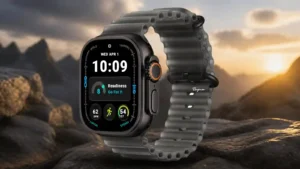
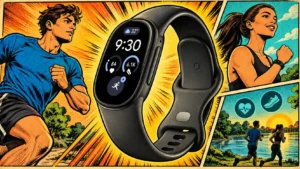
Apple Watch Ultra 4
Where It Has the Edge
No clear scored advantage over the other product.

Scorata scores summarize analyzed review evidence on a 1–5 scale; they are not laboratory measurements or a simple average of customer star ratings. Feature scores summarize the reviews covering that feature. The overall score averages feature scores within each review, then combines review averages. When both expert and customer evidence are available, those two groups receive equal weight. Products can have different review coverage, so small score gaps do not establish a winner.
Recommendations prioritize important features for the category, with a score of at least 3.5, a gap of at least 0.25 points and at least two supporting reviews per product. Features with widely varying scores or broad connectivity contexts are excluded from recommendations. These safeguards do not establish statistical significance.
Quick verdict
There is not enough consistent, comparable evidence for a clear recommendation. Use the feature details and supporting reviews to weigh the tradeoffs.
There is not enough comparable review evidence to recommend Apple Watch Ultra 4 over the other product.
There is not enough comparable review evidence to recommend Google Fitbit Edge over the other product.
No clear scored advantage over the other product.
No clear scored advantage over the other product.
Scores are out of 5. Missing scores mean missing review evidence, not a missing feature.
GPS performance is usually excellent, with multiband tracking producing clean routes and small advantages over standard Apple Watch models. One scientific test found a major route anomaly, so the record is strong rather than flawless.
Some tests find a major improvement over older Charges and good enough tracking for ordinary workouts. Others show jitter, urban drift and lost signals, making precise standalone GPS one of the least consistent strengths.
Heart-rate tracking is usually excellent and often aligns closely with chest straps, but several tests found delayed locks, skipped samples, or weaker performance during fast-changing efforts. It is top-tier rather than uniformly perfect.
Heart-rate tracking is generally useful and can closely follow chest straps or premium watches. Calibration delays, cold-weather problems, cycling inconsistencies and missed lifting peaks keep it from being uniformly reliable.
Overall sports tracking performed very well in race testing, with strong GPS and generally dependable workout data.
Sleep tracking is consistently regarded as strong and often highly accurate for bed and wake times, though the large case can make overnight wear less comfortable.
Sleep timing and daily reports are frequently praised, with strong agreement on bedtime and waking in several tests. Loose band contact can miss hours, and different brands count wakefulness differently.
Workout Buddy can be genuinely useful, especially now cellular models can use it without carrying an iPhone, but its commentary can also hallucinate or phrase guidance oddly.
Readiness is one of the most welcomed additions because it turns sleep, vitals, and training data into simple, dynamic guidance. Early bugs, delayed updates, and limited historical context keep it from matching the deepest recovery systems yet.
Recovery patterns broadly agree with other trackers and help explain how sleep and recent strain affect the next day. The interpretation is more useful than raw numbers alone for some users.
The Workout app covers a very broad range of sports and supports detailed custom intervals, though it is less granular than dedicated endurance platforms for sub-disciplines.
Everyday activity statistics generally inspire confidence, with particularly strong walking-test results. They work best as a consistent personal record rather than an exact match to every other wearable.
Many users find the upgraded recognition reliable enough to stop manually logging every walk or workout. Missed swims, occasional invented sessions and minimum-duration thresholds still limit trust, especially for run-walk intervals.
Pause and resume can be over-sensitive, restarting a run after a single step while catching your breath.
Oxygen readings broadly align with other wearables in one test, but another finds that nightly measurements stop populating the trend view.
Exercise calorie figures broadly agree with comparison devices in the tests that judge them. They form a useful part of the basic workout record.
Several running and walking tests find distance close enough to much pricier watches. Others see undercounting or disappointing hike discrepancies, so route and environment matter.
The returning altimeter is a valued upgrade for hills, stairs and outdoor effort, with strong comparative accuracy in several walks. Hikers may still miss live ascent and descent figures during an activity.
The coach can turn health numbers into understandable advice and adaptable workout plans, especially for novices. Experiences range from enthusiastic praise to frustration with stale context, confused answers and unusable routines.
Trend-based progress can help guide fitness goals, but missing vibration alerts for mile splits and workout targets frustrate more structured training.
Adaptable plans are appealing, but actual exercise guidance often remains on the phone rather than the tracker. Missing wrist prompts and cues make outdoor intervals and following sets less convenient.
The new sensing system is broadly regarded as a meaningful health upgrade, delivering denser measurements and more useful longitudinal data. Accuracy is generally praised, though not every metric has independent validation yet.
Sharing heart rate with supported gym equipment is useful. Compatibility is selective, and the implementation does not work with every standard Bluetooth receiver or bike computer.
HRV generally follows comparison trends well enough to distinguish higher and lower recovery nights. Some higher values read systematically low, so trends are more useful than expecting identical numbers.
Seeing effort and pace without reaching for a phone is a major benefit over a screenless tracker. Limited detail, blocked controls and disappearing summaries keep the workout screen from reaching its potential.
Basic logging falls short of the desired link between temperature, hormonal changes, readiness and training advice. The fragmented experience disappoints anyone wanting those insights together.
One running test finds pace impressively accurate for the price, while walking comparisons repeatedly report slower-than-expected averages. It is less dependable for tightly controlled pacing than for casual workout feedback.
Resting and overnight heart-rate trends generally line up well with comparison devices. Small upward offsets are considered less important than consistent changes over time.
Recorded routes work well in the tests that specifically praise them, and built-in GPS removes dependence on carrying a phone. Broader GPS precision results remain more variable.
Sleep-stage estimates perform well in the limited comparisons, including solid agreement with a brain-wave reference. Deep sleep can be overestimated, so the charts remain estimates.
Step tracking is generally strong and can avoid obvious false counts, with manual testing showing very good true-positive detection. Some testers remain unsure how much the new pedometer improves real-world totals.
Manual counting and walking comparisons produce especially strong results, with little extra counting during cycling. Different wearables can still disagree enough that consistency matters more than matching another brand.
Losing manual EDA scans disappoints users who valued that tool. Others prefer the simpler background approach and do not miss performing a separate scan.
Automatic detection misses swimming sessions in the test that assesses it, so starting swim recording manually is important.
More frequent heart and HRV data, improved Health views, and recovery metrics make day-to-day wellness trends more actionable and easier to understand.
Fixed exercise pages prevent arranging pace, heart-rate zones and other desired metrics together. The missing flexibility is particularly frustrating for runners and hikers.
A broad on-device exercise list and more specific modes make it easier to record varied activity. The inability to organize that list can still mean excessive scrolling.
Workout durations and general metrics are usually dependable in the tests judging them. Some calibration and precision limitations remain even when the overall record is useful.
Comfort depends heavily on wrist size and preference. Some enjoy the Ultra's heft, but several small-wristed users find the 49mm body bulky, especially for sleep.
The narrow, light case is comfortable through daily wear, workouts and sleep, often becoming easy to forget. Band choice matters: the included silicone and magnetic options do not suit every wrist equally.
The titanium construction feels premium and exceptionally well made.
Band impressions are mixed: new designs and convenient adjustment features earn praise, while Apple's expensive first-party bands are criticized as poorer value and quality than some third-party choices.
The band range is attractive, and many straps are comfortable and easy to swap. Several tests report stubborn connectors, accidental releases or loose magnetic closures, making attachment security an important weakness.
The titanium case feels exceptionally well made and suitably substantial for an Ultra-class watch.
The light aluminum construction generally feels solid and premium. Compact proportions do not usually make the tracker feel cheap.
The rounded case and dressier band options make this a more versatile-looking Fitbit. Its petite proportions appeal to small-wrist preferences but can look dainty or awkward on larger wrists, and thick bezels attract criticism.
Ruggedness remains a major strength, with the titanium Ultra repeatedly described as exceptionally durable and well suited to outdoor use.
Some trackers remain pristine after repeated daily wear and water exposure. Another develops screen scratches after strap-related drops within two weeks, leaving long-term glass durability less certain.
The large Ultra case can fit comfortably for some people, but thin or average wrists may need a tight strap for reliable heart-rate readings and can find the size excessive.
The compact case often sits naturally on smaller wrists, and adjustable straps can give precise contact. Some magnetic and Curry bands are awkward to put on, loosen or fail to stay securely attached.
The single 49mm size remains a recurring complaint, particularly for smaller wrists that would benefit from a second, more compact Ultra option.
Including both basic band sizes helps avoid choosing at purchase. The Curry strap can still be too short to slide comfortably over a larger hand.
The rugged Ultra aesthetic still has fans, especially in natural titanium, but the unchanged shape is also a common complaint and can make the new model look indistinguishable from its predecessors.
The Ultra's water capability is more than sufficient for common snorkeling and recreational water use, while deeper diving remains a specialized use case.
Reported swims, showers and a brief immersion test generally pass without damage. The positive assessments concern ordinary water exposure rather than deep diving.
Battery life is the clearest upgrade, commonly lasting around two to three days and substantially outlasting earlier Ultras in testing. It still trails dedicated endurance watches by a wide margin, and one test saw unexpectedly poor drain.
A week or more is achievable in many tests with the always-on screen disabled, while always-on use commonly cuts endurance to roughly two or three days. GPS settings and workout load create substantial variation, so the screen preference changes the ownership experience.
Fast top-ups fit naturally into showers, breakfast, or desk time, making it easy to keep the watch ready for overnight wear. The main drawback is needing to remember those frequent top-ups.
Sharing the Air’s magnetic charger is a widely welcomed convenience, and the secure connection is easy to use. It still means keeping the proprietary cable nearby.
Fast charging is a standout strength: short sessions of roughly 5–15 minutes can add enough power for sleep tracking or much of a day.
Short top-ups are consistently useful for getting through another day. Full recharges, often around 90 minutes and longer in one test, feel reasonable to some and frustratingly slow to others.
The display remains one of the watch's strongest pieces: bright, vibrant, readable at angles, and excellent in always-on use even though the panel itself is largely unchanged.
The colorful OLED screen makes time and workout information much easier to check than on a screenless tracker or older small Fitbit. It remains a glanceable display, with limited space for deeper information.
Wrist controls handle basic volume and track changes, although one iPhone test found volume adjustments noticeably delayed.
The 3,000-nit display is extremely bright outdoors and remains easy to see in demanding lighting.
Outdoor visibility is excellent; even reviewers in very bright sun found the screen more than bright enough.
The active display is usually easy to read in sunlight and improves considerably on older Fitbit screens. The dimmed always-on view can be much harder to see during exercise.
The active screen is often brighter than expected and clear outdoors. The always-on state is much dimmer, and some users find it too faint to be useful in ordinary light.
Straightforward controls and understandable health information keep daily use approachable. The simple experience suits users who want useful numbers without managing a complex sports platform.
A new proprietary connector means older Charge straps do not carry over. That adds cost and waste for owners with an existing band collection.
Daily movement summaries can provide a timely nudge on quiet days and a morale boost after a busy one.
Gentle wrist alarms and choosing which tracker should wake you are useful conveniences. Vibration strength divides opinion, particularly for heavier sleepers who want an audible backup.
Having to turn bedtime mode on manually is a repeated annoyance. Forgetting can let the screen light up against sheets during the night.
The watch remains tightly locked to iPhone, with no Android pairing and additional feature limits on older iPhones.
Privacy is the most divisive new area. Apple's on-device protections earn praise, but Siri Recap and other always-listening features raise repeated concerns about bystander consent and ambient recording.
Working with both iPhone and Android is a major advantage over Google’s full smartwatches. Core use is broadly comparable, though message replies and some integrations differ by phone.
Dust sealing is viewed as a useful outdoor upgrade that helps the tracker cope with everyday exposure.
The ECG process is generally easy and works well in the hands-on accounts. It adds meaningful heart-rhythm functionality to a small tracker, though full result detail may require the app.
Phone finding is a standout everyday convenience, saving substantial time searching around the house.
A built-in LED flashlight is still missing, and at least one tester specifically called it out as a desired addition.
The screen can help illuminate a bag or closet in a pinch, but brightness divides opinion sharply. Some find the flashlight too dim to serve a practical purpose.
Longer-term context and explanations can make changes in fitness, recovery and vitals easier to understand. These wellness trends are useful for awareness, rather than a replacement for clinical measurements.
Cellular support meaningfully improves phone-free workouts, including letting Workout Buddy operate without an iPhone nearby.
Sharing a health account can make switching between Edge, Air and Pixel Watch seamless. Some setups encounter missing-device sync blocks or unexpected device removal, and the practical value depends on having a reason to rotate wearables.
The screen often stops at a basic summary, forcing the phone open for explanations, sleep detail and deeper metrics. That limited drill-down makes the interface feel unfinished.
The centered tracker reveal and compact cardboard presentation make a pleasing first impression.
Readiness helps translate sleep and recovery into a practical daily effort guide, and its broad trends often align with other trackers. A fixed morning score can feel limited when it does not change after a hard workout.
A replaceable battery is widely welcomed as a way to keep the tracker rather than discard it when capacity fades. Early assessments are optimistic, while the practical replacement process and cost remain less established.
Emergency SOS, satellite communication, and the siren add meaningful reassurance for remote or risky activities, even if most buyers will rarely need them.
The stopwatch is less convenient than expected because the physical button does not start and stop it.
Preset replies are limited and can feel context-insensitive. Another test receives no message notifications at all, making basic delivery the more serious concern.
Quick wrist access makes timers handy for small daily tasks. Entering them on the tiny screen is less pleasant for larger hands, especially without voice input.
The two tests specifically praising haptic feedback find it strong and crisp, helping draw attention to incoming alerts.
Very low weight is one of the most consistent strengths, keeping the tracker unobtrusive during daily life and workouts.
General day-to-day use can feel dependable, but early Readiness/Vitals crashes and display bugs show that the new software still needs polish.
Notification failures and occasional sync problems can make the software feel unfinished, even when the underlying health tracking remains capable.
Frequent updates and smooth cross-device merging work well in several tests. Others encounter dropped connections, intermittent errors or a workout blocked when a paired tracker is left behind.
The free tier remains useful for core measurements, while deeper interpretation and coaching require Premium. Whether that fee feels worthwhile depends heavily on how useful and reliable the AI coach is for you.
Value depends strongly on the buyer. New or older-Ultra owners focused on health and battery see a compelling upgrade, while Ultra 3 owners and budget-conscious shoppers often get most of the experience for less elsewhere.
The screen, GPS and broad health suite make the price attractive for some buyers seeking a compact tracker. Others see stronger value in a cheaper screenless band or a discounted full smartwatch, especially once extra straps and Premium enter the budget.
Frequent syncing keeps information fresh, but repeated sync notifications can become irritating.
For Apple users, the watch pulls fitness, wellness, apps, and phone integration into one cohesive ecosystem that can replace several separate wearables or services.
Review contexts may differ, so use caution when interpreting the score gap.
Standard Bluetooth use is present, but the inability to natively broadcast heart-rate data to common fitness equipment is a notable limitation for some athletes.
Review contexts may differ, so use caution when interpreting the score gap.
Some multi-phone and workout connections switch unexpectedly or drop shortly after connecting. These reports make a stable phone link less reassuring than the core tracking.
The Action button is repeatedly useful for starting workouts, precision starts, and sweaty-finger control, while the guarded layout helps prevent accidental presses.
A real clickable button is a welcome improvement over older haptic and touch-sensitive controls. Its usefulness is constrained by missing shortcuts and the inability to start some workouts or operate the stopwatch directly.
Incoming-call vibrations are especially helpful when a phone is kept on silent, providing a useful heads-up without turning the tracker into a calling device.
The Ultra's three-microphone arrangement improves wind handling and voice isolation, giving it an advantage for wrist calls in rough conditions.
The redesigned Health experience is widely praised as clearer and much more useful, although the Fitness app still feels thin for deep sports analysis without third-party tools.
Google Health often earns praise for clear charts, accessible trends and useful customization. Device settings and watch-face management can still feel clunky, and its AI-centered presentation remains a matter of taste.
Dropping NFC is a frequent complaint and a dealbreaker for people accustomed to wrist payments. A few accept the omission in exchange for the tracker’s priorities or the added altimeter.
Workout fields and watch complications offer a useful degree of customization, though serious endurance users still get less flexibility than on some dedicated sports watches.
Interchangeable straps and face complications offer useful personalization. Most changes require the phone, while limited tiles, face choices and fixed exercise pages restrict software flexibility.
Native mapping and routing remain one of the Ultra's weakest sports areas. Serious route navigation often requires third-party apps such as WorkOutDoors or similar tools.
Review contexts may differ, so use caution when interpreting the score gap.
Basic phone playback controls are often useful and work across more services than older Fitbits. Some tests criticize delayed response, lost dedicated music integration or the inability to reach controls during a workout.
Phone-linked wrist directions can make walking and cycling more convenient, including on iPhone. Failed connections, early turn prompts and awkward switching back to workout metrics make the experience inconsistent.
The jump to 128GB makes local storage unusually generous for a wearable, giving more room for apps, playlists, and offline content.
watchOS 27 feels noticeably faster on the Ultra 4, especially for common actions such as timers, smart-home controls, and app launching.
Initial pairing can be exceptionally simple, with the tracker quickly linking to Google Health and becoming ready to use.
Review contexts may differ, so use caution when interpreting the score gap.
Clear, glanceable alerts are useful when they work, but several tests encounter complete delivery failures or frustrating stacked previews. Troubleshooting resolves the problem for one tester, while others remain unable to receive alerts.
Beyond fitness, the Ultra remains an excellent general smartwatch with strong Apple integration and useful additions such as faster Shazam and new audio tools.
Missing calls, voice input, expandable apps and payments create a sharply limited smart experience. Some accept that focus, while others find the omissions hard to justify at the price.
Performance is consistently fast and smooth, with the S11/watchOS 27 combination reducing lag and making Siri and everyday interactions feel quicker.
The closed selection can disappoint anyone wanting downloadable apps, although the simple approach may help keep navigation nimble.
The broad third-party app ecosystem can fill gaps in analysis and mapping, but some new power-saving workout features remain locked to Apple's native Workout app.
Review contexts may differ, so use caution when interpreting the score gap.
Touch controls work well in ordinary conditions but become awkward with wet hands or gloves, where swipes needed for workout controls can fail.
Many tests find taps and swipes smooth and responsive. Others need repeated taps to wake the display, and rain can make swiping difficult.
Readiness is presented in a simple, approachable way, but some routine information such as sleep stats can still require more menu diving than competing watches.
The refreshed tiles and familiar watch-style navigation are usually clean and easy to learn. Phone-only settings, short default timeouts and uneven management screens leave rough edges.
Siri is faster and more capable on the new hardware, but experiences range from excellent to still frustratingly limited for harder queries or smart-home control.
Conversation-recall tools have intriguing potential for remembering details, but much of that utility was still untested at launch and depends on future Siri integration.
Modular faces provide useful glanceable metrics, and some designs have clear fans. The small selection, elementary styling and clunky phone-based setup leave others wanting more.
Wayfinder remains excellent and Siri Modular has fans, but the limited number of genuinely new faces leaves some owners wanting more visual freshness.
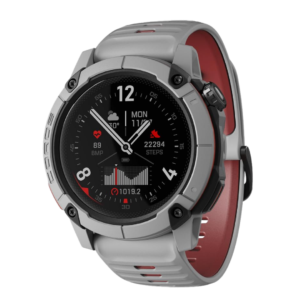
Best for long battery life, accurate GPS and useful offline maps at a strong price. Skip it if you need payments, richer apps, a built-in LED flashlight or polished smartwatch...
Pros: mapping and navigation, value for money
Cons: smartwatch features, contactless payments
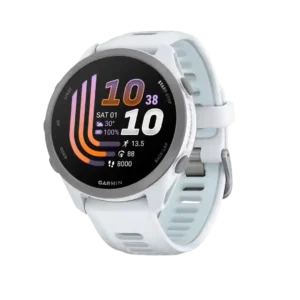
Best for accurate run tracking, deep Garmin coaching and phone-free Spotify in a light package. Skip it if you need full maps, triathlon mode, Apple Music support or the strongest...
Pros: value for money, GPS accuracy
Cons: mapping and navigation, third-party app support
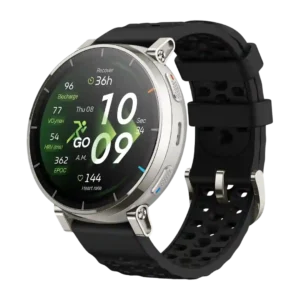
Good if you want premium running features, long battery life, and maps for under $200. Skip it if you need flawless heart-rate data, multiband GPS, LTE, or richer app support.
Pros: value for money, battery life
Cons: heart rate accuracy, third-party app support
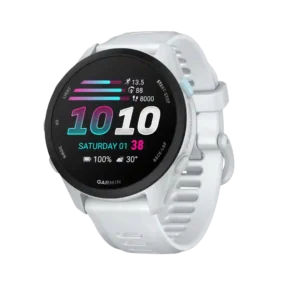
Best for accurate running metrics, excellent coaching tools, a bright AMOLED display, and dependable battery life. Skip it if you need offline maps, music storage, contactless payments, multi-band GPS, or...
Pros: battery life, value for money
Cons: mapping and navigation, smartwatch features