
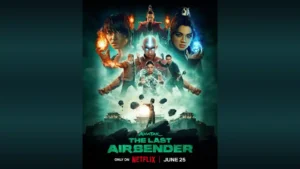
Wonka’s The Golden Ticket, Season 1
Where It Has the Edge
No clear scored advantage over the other product.

Scorata scores summarize analyzed review evidence on a 1–5 scale; they are not laboratory measurements or a simple average of customer star ratings. Feature scores summarize the reviews covering that feature. The overall score averages feature scores within each review, then combines review averages. When both expert and customer evidence are available, those two groups receive equal weight. Products can have different review coverage, so small score gaps do not establish a winner.
Recommendations prioritize important features for the category, with a score of at least 3.5, a gap of at least 0.25 points and at least two supporting reviews per product. Features with widely varying scores or broad connectivity contexts are excluded from recommendations. These safeguards do not establish statistical significance.
Quick verdict
The available evidence supports the recommendation below, but does not establish an overall winner. Check the remaining features against your priorities.
There is not enough comparable review evidence to recommend Wonka’s The Golden Ticket, Season 1 over the other product.
Choose Avatar: The Last Airbender, Season 2 for accountability handling and theme depth.
No clear scored advantage over the other product.
Scores are out of 5. Missing scores mean missing review evidence, not a missing feature.
One critic objects that the show encourages selfish behavior instead of making it consequential.
The season earns strong praise for forcing Iroh to confront the civilian cost of his past as a Fire Nation general rather than treating that history as background texture.
Critics question putting older contestants against much fitter players in physically demanding challenges.
The broad AAPI and Indigenous ensemble is praised as one of television’s notably diverse casts.
The AI recreation of a deceased performer draws sustained criticism, and some also object to the show’s humiliating physical tasks.
The season is praised for handling genocide, war, immigration, prejudice, and their human consequences with more awareness and seriousness.
The candy setting masks stressful confrontations, vomiting and emotional breakdowns that make this less comfortable for young family viewing.
A family-oriented review explicitly recommends the show as appropriate viewing for families, including children around eight and older.
Two reviewers explicitly say the first season gives them little reason to return for more.
The season’s ending leaves at least one enthusiastic reviewer eager to see how the story concludes in Season 3.
Critics argue that the show rewards selfishness where the source story challenged it, leaving its moral point muddled.
The season’s strongest material explores grief, responsibility, identity, authoritarian control, redemption, and the moral cost of war with more maturity than before.
One critic finds the gumball illusion visibly unconvincing, undercutting its dramatic payoff.
Bending and creature effects are usually stronger than before, but uneven green-screen work, virtual sets, and occasional wonky shots keep the visuals from being uniformly polished.
One critic finds the Oompa-Loompas’ familiar orange makeup unappealing.
Makeup is praised as part of the production’s standout craft, with the Kyoshi Warrior work called especially effective.
The rules and elimination logic are often hard to follow, even for viewers willing to accept the show’s strange premise.
The season can be accessible to newcomers, but the amount of compressed material occasionally makes the larger Ba Sing Se story harder to follow.
Abrupt cuts in the middle of challenges frustrate one critic.
Individual episodes can work well as remixed stories, but serialized restructuring occasionally feels overloaded.
Rusty Goffe’s return pleases nostalgia fans, and a few contestants stand out. Others find the cast bland or the guest hosts distracting.
Casting is a near-universal strength, especially the choices for Toph and the returning core cast.
A late cliffhanger excites one reviewer, while another sees mid-challenge cuts as a weak bid for another click.
The ending’s large cliffhanger creates strong tension and leaves at least one reviewer eager for the final season.
One viewer likes the Wonka competition concept, while another finds little new beneath the familiar reality format.
Original additions are praised when they deepen character motivations and expand familiar material instead of simply recreating it.
Several critics say the show moves through eliminations before giving them enough time to know or care about the players.
Growth is uneven but often rewarding: Zuko, Toph, Sokka, Iroh, and others gain meaningful material, while compression leaves several arcs feeling rushed or incomplete.
The factory iconography is familiar, but many think the show trades the original’s whimsy and moral tests for manipulation and money-driven competition.
This is the central divide: supporters like the selective remixing and stronger confidence, while detractors feel condensed or rearranged arcs lose the logic and emotional payoff of the animated series.
Several critics question whether this reality spinoff adds anything to the Wonka story, especially given its reliance on a synthetic voice.
Opinions split sharply on whether this live-action version justifies itself: some see a confident reinterpretation with its own purpose, while others still regard the remake as unnecessary.
The partner premise draws criticism because alliances and eliminations soon turn those relationships into disposable drama.
The story earns praise for stronger emotional and political material, but heavy compression and controversial remixes make the overall narrative response sharply mixed.
An Oompa-Loompa song’s weak rhymes and lyrics disappoint one critic.
Writing shows clear improvement for some reviewers, especially in character conversations and later episodes, but exposition, compression, and clumsy adaptation choices remain frequent complaints.
A whimsical opening gives way to a cutthroat game, creating a jarring shift for one viewer.
Some see the darker tone as a confident solution to Season 1’s tonal clash, while others miss the animated show’s lightness and find the live-action mood too grim.
Slow stretches and repeated alliance talk make the season feel padded to some critics.
Pacing is the dominant complaint: even reviewers who like the season often say seven episodes force too many storylines together, though a few find the faster structure effective.
A critic finds the cast overshadowed by group pressure and strategic alliances.
One major criticism is that Aang can feel secondary in his own story while Zuko and Katara receive more narrative weight.
The synthetic narrator’s scripted jokes are criticized for lacking human comic timing.
Dialogue remains a major weakness overall, especially exposition-heavy scenes, though several reviewers see a meaningful improvement in natural conversation compared with Season 1.
One reality TV fan calls it a standout, while another finds it unworthy of the genre.
As an action-fantasy series on its own terms, the season still provides enough spectacle and cast appeal to work for some viewers despite adaptation flaws.
Uncertain outcomes, shifting alliances and twists keep some viewers invested in who survives.
The darker conflicts and escalating final episodes create genuine fear and tension for the characters’ safety.
Some pairs invite affection, yet several critics struggle to find anyone to root for as more ruthless players advance.
Toph’s energy is a clear boost, but the darker handling of Aang and other characters can make parts of the ensemble less appealing to some viewers.
The social pressure can produce sympathy and suspense, but some find the distress excessive and unpleasant to watch.
The best character stories land with real weight, but rushed pacing and altered scenes sometimes blunt moments that needed more time to breathe.
In-camera illusions and an exploding-gum elimination earn praise for creating genuine surprise.
Greater use of practical sets is viewed as a major visual improvement, helping Earth Kingdom locations feel more convincing than Season 1’s virtual environments.
A few contestant interactions are amusing, but jokes from the synthetic narrator and repeated physical gags often fall flat.
Comedy remains inconsistent: some reviewers find the banter much improved, while others say slapstick and one-liners rarely land or that the season feels almost humorless.
One critic finds the competition easy to binge despite serious objections to its tone.
Even with noticeable flaws, the seven-episode run is described as an easy, satisfying summer binge.
One enthusiast praises early eliminations and quick momentum; another critic finds a long wheel sequence exhausting.
Early impressions find the first episode rushed while the second flows much better, making episode-level pacing uneven.
Staged Golden Ticket discoveries and exaggerated reactions undermine the sense that this is a spontaneous competition.
One review finds the stage-bound environments so artificial that they prevent suspension of disbelief.
One critic finds eight hours excessive for a competition with so much downtime.
The seven-episode order is one of the most criticized structural choices, with reviewers repeatedly arguing that major arcs needed more room.
Despite its candy setting, emotional breakdowns and harsh contestant behavior make the show feel less suited to young children than its source film.
One family-focused assessment specifically considers the season suitable for children around age eight and up.
One critic recommends the spectacle broadly; another expects casual reality viewers to enjoy it despite the flaws.
Positive reviewers describe the season as quickly hooking them and renewing their excitement for the live-action series.
A critic finds the hologram guest hosts’ line readings lifeless and forced.
Supporting performers, especially Toph and Zuko-centered characters, are described as strong enough to outshine parts of the main trio.
An Oompa-Loompa missing a familiar green wig adds to one critic’s sense of a shoddy recreation.
Costumes are usually praised as detailed and striking, although one adaptation-focused review finds some outfits overly costume-like.
Bright candy colors and elaborate rooms create a striking Wonka atmosphere for many. Others find the look gaudy or mismatched with the show’s harsh competition.
The season can look richly designed and cinematic, but persistent dimness, gray skies, and a stage-like quality are recurring visual complaints.
The factory details evoke memories of the film and make the setting feel immersive, even when the game itself feels familiar.
Ba Sing Se and the Earth Kingdom often feel politically richer and more layered, even though some reviewers think compression makes the wider world feel smaller.
The edible garden, chocolate river and familiar factory rooms impress many viewers with their scale and detail. A smaller group finds the scenery cheap or artificial.
Sets, locations, and environmental detail are often impressive, although a few reviewers feel Ba Sing Se can still look stage-bound or digitally confined.
A few viewers stay engaged for the spectacle and fast eliminations. Most find the show hollow, tedious or disappointing once the factory’s novelty fades.
Reactions range from an inoffensive, watchable experience to outright boredom, leaving overall entertainment value mixed.
The ensemble is generally viewed as a strength, with several standout performances outweighing isolated complaints about flat or underbaked moments.
Bending fights and choreography are among the clearest wins, repeatedly described as sharper, more dynamic, and more exciting than before.
Team Avatar generally feels warmer and more connected this season, though one review strongly criticizes the Aang-Katara chemistry.
CGI is one of the season’s more divisive technical areas: some bending, creatures, and larger effects impress, while full-CG characters, green-screen moments, and virtual environments can still look artificial.
The harshest adaptation-focused reviews argue that some characters, especially Azula and Toph, are changed in ways that undermine defining traits.
Action framing can be dynamic, but static compositions and persistently dark lighting keep the photography from consistently showcasing the production.
The elimination game divides opinion: one enthusiastic take enjoys its ruthless momentum, while many others find the alliances, chance decisions and betrayals derivative or mean.
Season 2 is praised for feeling like a natural continuation while still giving newer viewers enough orientation to follow the story.
The live-action series continues to receive strong approval for culturally authentic casting and its large AAPI and Indigenous ensemble.
One strongly negative review faults the directing, alongside the writing, for losing sight of what made the source material work.
Toph’s blindness is handled with particular care, including thoughtful physical behavior and consultation aimed at making the portrayal feel authentic and dignified.
The dramatic material ranges from moving and intense to forced or CW-like, producing a clearly mixed response.
The hour-long, plot-heavy format is criticized for making the adaptation feel slower and more serious than the animated version.
The finale is described as successfully bringing key arcs together while redirecting the story toward the final conflict.
Familiar rooms and Oompa-Loompas remain, but one critic sees little deeper connection to the film.
The season sometimes deepens Avatar lore in useful ways, but certain rearrangements and spiritual changes are criticized for weakening established rules.
Ba Sing Se’s bureaucracy, surveillance, propaganda, and refugee stories give the season a political-thriller dimension that one review sees as a major strength.
Retro styled challenge videos strike one critic as out of place.
One viewer is hooked immediately, while others find the opening rushed, staged or tedious.
The shifting penalties and nominations in the licorice game excite one episode recapper.
Prominent Netflix brand promotion draws criticism for breaking the factory illusion.
Sokka and Suki’s romance is described as sweet in one review, while another finds the central romantic material unconvincing in live action.
The orchestral score is a consistent standout, praised for enlarging action while giving quieter scenes melancholy and emotional lift.
The finale receives positive appraisal for combining political stakes, character conflict, payoff, and setup for the final season.
One critic thinks the reality offshoot misunderstands the story it extends.
Sokka’s grief, Iroh’s guilt, and other characters’ lingering pain are praised for being allowed to shape behavior rather than disappearing after a single episode.
Azula and the wider antagonist side are generally compelling, with several reviewers finding the villains among the season’s strongest elements.
The games range from clever Wonka-themed illusions to luck-driven or punishing tasks that critics find dull or uncomfortable.
The synthetic Gene Wilder narration is a recurring complaint, described as creepy, stilted or lifeless despite its recognizable voice.
Guest performers are singled out as an ongoing highlight, adding recognizable and varied supporting faces across the season.
The returning leads are generally seen as more comfortable and improved, with stronger chemistry and more confident performances than in Season 1.
The Oompa-Loompa songs disappoint one critic with weak lyrics and rhymes.

Best for sharp adult humor, magnetic chemistry and a deeply satisfying farewell. Skip it if familiar will-they-won’t-they plotting or deliberately messy leads are dealbreakers.
Pros: season pacing, episode structure
Cons: none
Choose Season 15 for warm, character-driven comedy, meaningful growth, and a finale that rewards longtime fans. Skip it if the short binge format, uneven replacement voices, or occasional clumsy commentary...
Pros: episode structure, season finale quality
Cons: release schedule, bingeability
Choose The Pitt Season 2 for a gripping, realistic medical drama with superb acting and emotional depth. Skip it if graphic procedures, unresolved arcs, or slower character-driven pacing bother you.
Pros: episode structure, main cast performance
Cons: age appropriateness, plot clarity

Best for powerhouse performances, thorny character work, and a tense revenge mystery that grows richer as it goes. Skip it if abuse, trafficking, graphic violence, or deliberately messy moral questions...
Pros: episode structure, supporting cast performance
Cons: cinematography, sexual content level